

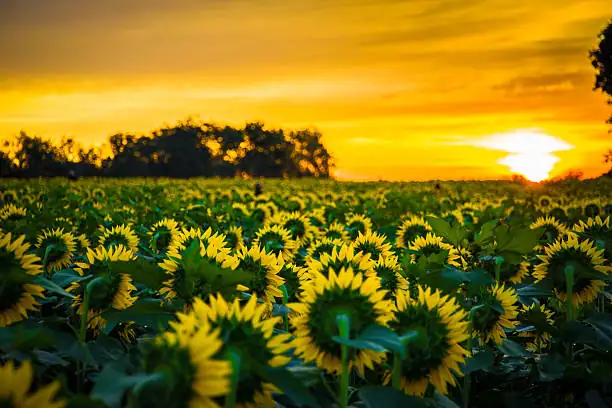
It began as a scrappy wildflower on North American prairies and riverbanks, then sprinted across an ocean to dazzle European collectors. In Russia, it morphed into a powerhouse of oil and industry. In Ukraine, it became a national emblem. And everywhere—from museum walls to neighborhood murals—its golden face still turns heads. Meet Helianthus annuus, the sunflower: a plant whose biography reads like an epic.
From Wild Prairie to Pantry Staple: North America’s Domestication Story
More than five millennia ago, Indigenous peoples across North America began shaping the wild sunflower into a crop. They chose plants with plumper seeds and fewer, larger heads—perfect for food, oil, and dye. Seeds were roasted for snacks, ground into flour, or pressed for oil; robust stalk fibers found practical uses; bright pigments colored textiles and skin. Long before it was a garden showstopper, the sunflower was a sustaining, ceremonial companion—one of the continent’s earliest domesticated crops.
The 1500s Leap: Europe Falls for a “Sun-Follower”
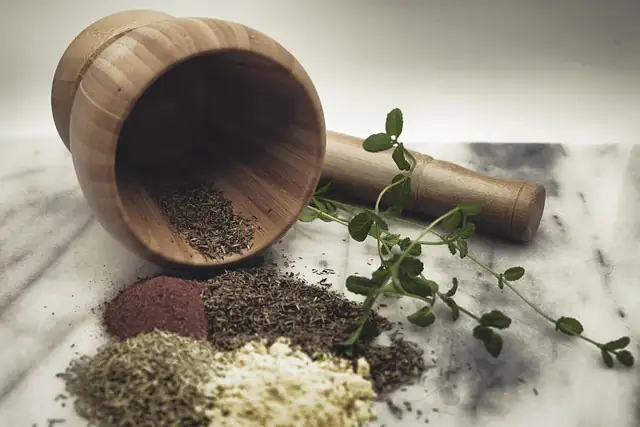
Spanish explorers ferried seeds to Europe in the 16th century, where sunflowers first starred as botanical curiosities. The spectacle of “heliotropism”—young plants tracking the sun from east to west—charmed gardeners and scholars alike. Soon, the plant slipped from cabinet-of-wonders status into kitchen gardens. By the 18th century, Europeans were pressing sunflower oil for cooking and soap, even as ornamental varieties multiplied in color patterns and bloom forms.
Russia’s Oilseed Boom: From Loophole to Lifeblood
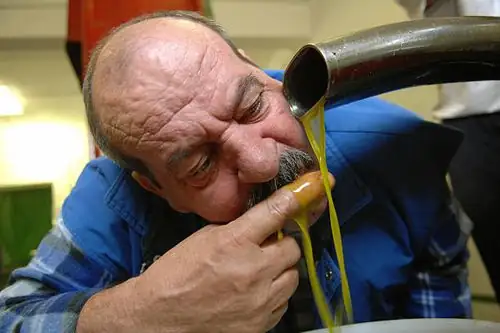
Then came the great pivot. In the 18th–19th centuries, a religious wrinkle in Orthodox fasting practices—where many traditional fats were off-limits—helped sunflower oil surge in popularity. Farmers across Russia and Ukraine ramped up plantings, and breeders pushed the crop further, selecting for higher oil content, uniform growth, and bigger yields. The result was an agricultural revolution: millions of acres in sunflower, and a modern oilseed industry that would later reshape global cooking oils. Gardeners still nod to that legacy when they sow hulking, snack-ready strains like ‘Mammoth Russian’.
Ukraine’s Golden Emblem
In Ukraine, fields of sunflowers are more than agriculture; they’re identity. The bloom has become a national symbol—of warmth, endurance, and the stubborn insistence on light. Its image shows up in embroidery, street art, political iconography, and, of course, in the vast summer fields that seem to pour sunlight straight into the soil.
Art-World Fame: From Still Lifes to Street Murals
Artists have long been enthralled by the sunflower’s graphic geometry and blazing optimism. The species became a muse for classic still lifes, a touchstone in Van Gogh’s iconic series, and a frequent guest in modern photography and design. Today, its unmistakable silhouette climbs brick walls and underpasses in street art worldwide—a democratic masterpiece, equally at home in gilded frames and spray-painted murals.
Anatomy of a Star: How the Sunflower Works
To understand the sunflower’s charisma, look closer:
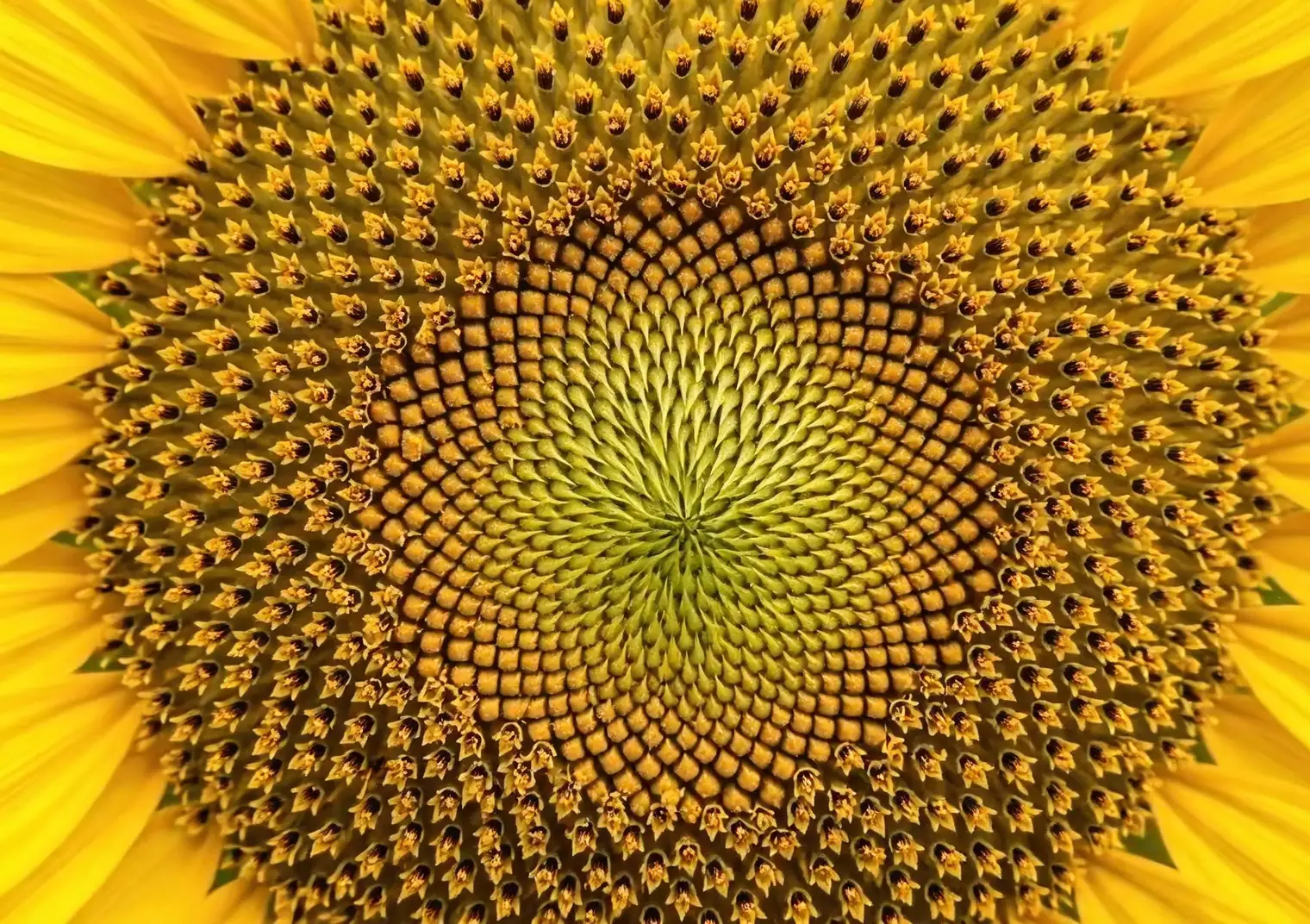
- The “flower” is a head (capitulum), a living constellation of florets. The outer, mostly sterile ray florets are the showy “petals.” The inner disk florets carry the reproductive magic and mature into seeds.
- Those seeds arrange themselves in mesmerizing Fibonacci spirals—nature’s tightest packing algorithm on full display.
- Heliotropism is a youth habit. Buds and immature heads track the sun daily; once the flower opens, it usually settles facing east. That early-morning orientation helps the bloom warm up, calling in pollinators like a neon “open” sign.
- Size swings with the cultivar. Dwarfs for pots stand 30–60 cm (12–24 in). Garden forms often reach 1.2–3.5 m (4–12 ft). Giants can push past 9 m (30 ft), with the tallest on record at 9.17 m (30 ft 1 in).
Typical heads in garden varieties measure roughly 9.5–30 cm (4–12 in) across and can set up to around 2,000 seeds. Ornamental doubles may trade seed set for pompon-like flair.
From Backyard Beauty to Global Breadbasket
- Ornamental star: Plant in borders, beds, and containers for high-impact color and excellent cut flowers that last about 7–10 days in a vase with preservative.
- Seed and oil: Roasted seeds and sunflower butter are pantry staples; the pressed oil is a cornerstone of global cuisine.
- Wildlife: Birds and beneficial insects adore them; spent heads become natural bird feeders.
- Green cleanup: Sunflowers have been explored in phytoremediation research for helping pull certain pollutants from water or soil.
Grow It Yourself: A Quick, Joyful Guide
Sunflowers are famously beginner-friendly—just give them sun and keep their feet out of muck.
- Sun and temperature
- Full sun is nonnegotiable: at least 6–8 hours daily.
- Warm-season annual; sow after frost once soil tops 10°C (50°F). Peak growth loves 15–30°C (59–86°F).
- Soil and spacing
- Loose, fertile, well-drained soil is best; a deep, loosened zone suits the taproot.
- Aim for good airflow to deter disease; stake tall types and shelter from strong winds.
- Water and feeding
- Keep seedlings evenly moist. After establishment, water deeply, then let the top layer dry slightly—avoid soggy soil.
- In rich ground, feeding is optional. In pots or poor soil, use a slow-release fertilizer at planting or periodic liquid feeds. Avoid overdoing nitrogen, which can cause weak, lanky stems.
- Sowing and timing
- Direct sow 2.5–4 cm (1–1.5 in) deep, or start under warmth for a head start.
- Many cultivars flower in about 70–95 days; some dwarfs bloom in 50–60 days.
- For a steady parade, succession sow every 10–14 days through early summer.
- Pots and cut flowers
- Choose compact/dwarf cultivars for containers; a useful baseline pot is ~30 cm (12 in) wide and 40 cm (16 in) deep for many compact types.
- For bouquets, harvest when the outer ring of florets is just opening.
- Pests and pragmatics
- Watch for aphids, spider mites, beetles, and the sunflower moth; birds and squirrels love ripening seed heads—net if you plan to harvest.
- Water at the base, not over the flower head, to help prevent mildew and other foliar diseases.
Bonus: Sunflowers are generally considered non-toxic to humans, dogs, and cats.
Myth, Meaning, and the “Language of Flowers”
The sunflower’s symbolism feels almost built-in: warmth, loyalty, adoration, positivity, the joyful pursuit of light. Much of what people call “flower language” (花语) is a cultural tapestry, popularized in the West during the 19th century and reinvented by modern gifting culture. It isn’t botanical law; it’s human storytelling projected onto petals.
Still, the stories stick because the plant collaborates. Young heads really do follow the sun, echoing devotion. Mature blooms face east, warming quickly to welcome pollinators, a practical metaphor for optimism. Even ancient myths get woven in—like the tale of Clytie, the nymph who pines for the sun god and “becomes” a sun-facing blossom. Whether taken as folklore or personal mantra, the sunflower’s meaning is less about superstition and more about a life-lesson in orientation: face the light, and growth follows.
Fast Facts to Share in the Garden
- Seeds spiral in near-perfect Fibonacci patterns—math you can see.
- One head can yield up to around 2,000 seeds.
- Vase life for most cut cultivars: roughly 7–10 days.
- Record height: 9.17 m (30 ft 1 in), grown in Germany.
- Some branching, pollenless cultivars are ideal for clean, long-lasting bouquets; giant single-head types steal the show outdoors but can be unwieldy indoors.
From Indigenous innovation to European curiosity, from Russia’s oilseed revolution to Ukraine’s fields of gold, Helianthus annuus has been teaching the world how a plant can be both useful and luminous. It is, in every sense, a flower that found its light—and then shared it widely.


