

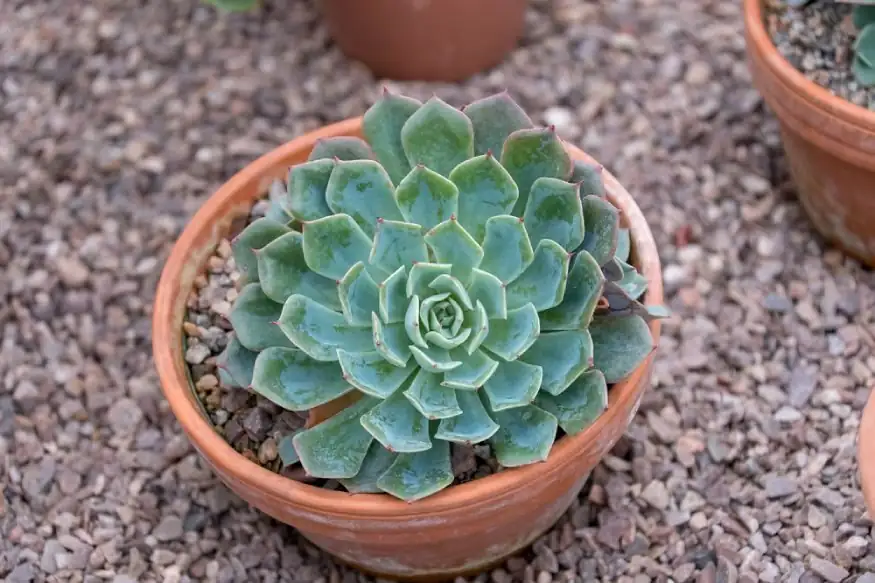
Imagine a dusty, sun‑warmed slope in central Mexico, rock faces the color of old pottery and wind that smells faintly of dry herbs. Tucked into crevices are pale, perfect rosettes—little lotus sculptures that drink light and hoard water. This is the home of Echeveria elegans, the Mexican snowball: native to semi‑arid hillsides of Hidalgo and its neighboring highlands, where heat, glare, and long dry spells taught it to survive by turning into geometry.
Echeveria elegans didn’t become a global darling by accident. It had help from an artist, an old habit of making “pups,” and a face the camera can’t resist.
A name drawn in ink: Atanasio Echeverría y Godoy
Two centuries before #succulents filled our feeds, a Mexican botanical illustrator was quietly capturing the flora of New Spain with unrivaled precision. Atanasio Echeverría y Godoy’s field sketches—clean lines, faithful color, and an almost tender attention to structure—helped botanists read a landscape through its plants.
When a wave of New World succulents reached science and horticulture, a genus was christened in his honor: Echeveria. It’s a fitting tribute. Echeverria’s eye for form lives on in every echeveria rosette—the same spiraled mathematics that makes artists reach for their pencils and gardeners for their pots.
Shaped by drought, perfected by light
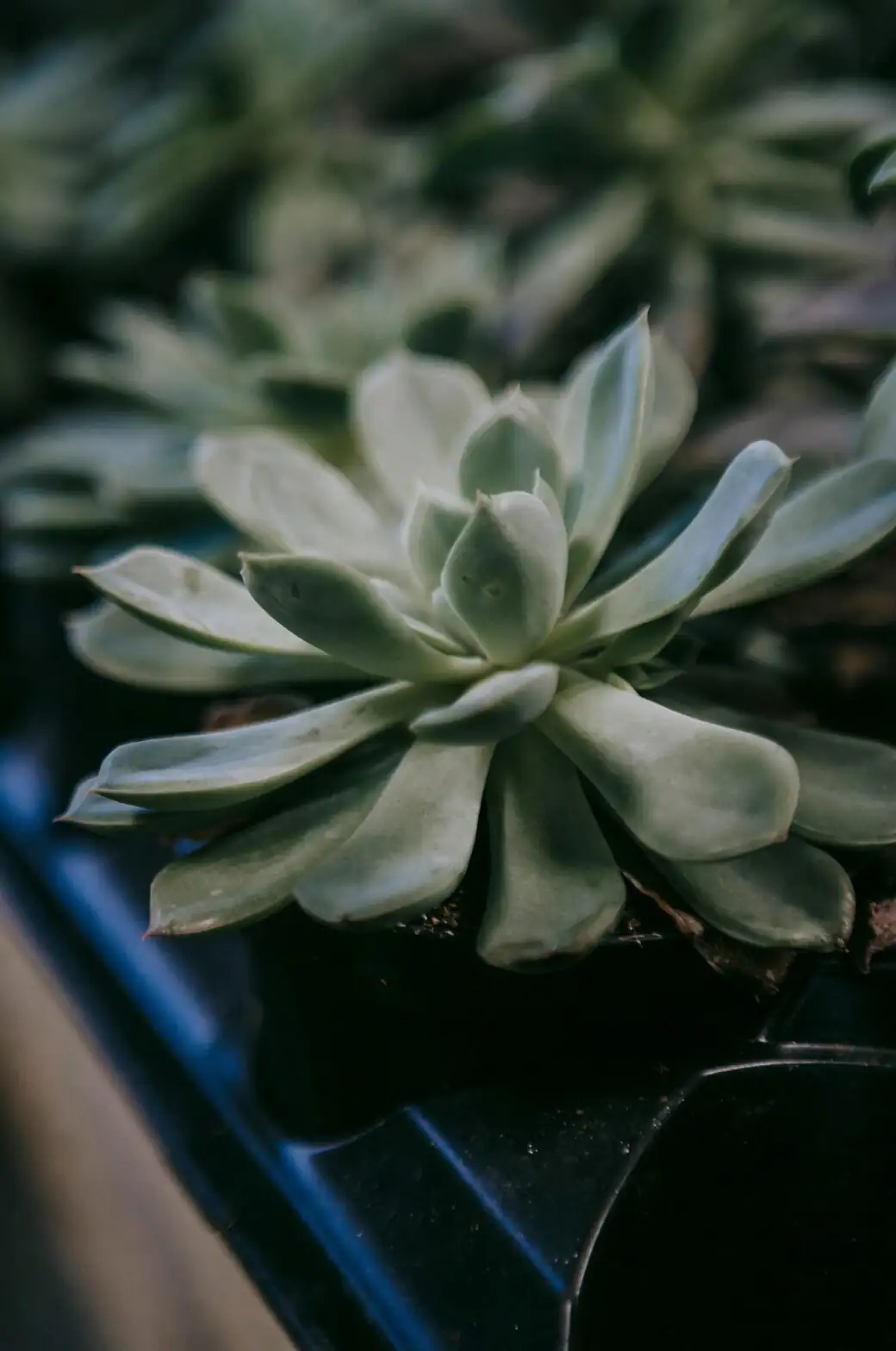
- Rosettes: Tidy, symmetrical discs of thick, spoon‑edged leaves, usually 8–15 cm wide. The color glows powdery blue‑gray to blue‑green, sometimes kissed with a pink blush.
- A gentle frost of farina: That soft, chalky coating is a natural wax that reflects sun and slows water loss. It’s also one‑way—touch it and fingerprints remain. Admire, don’t polish.
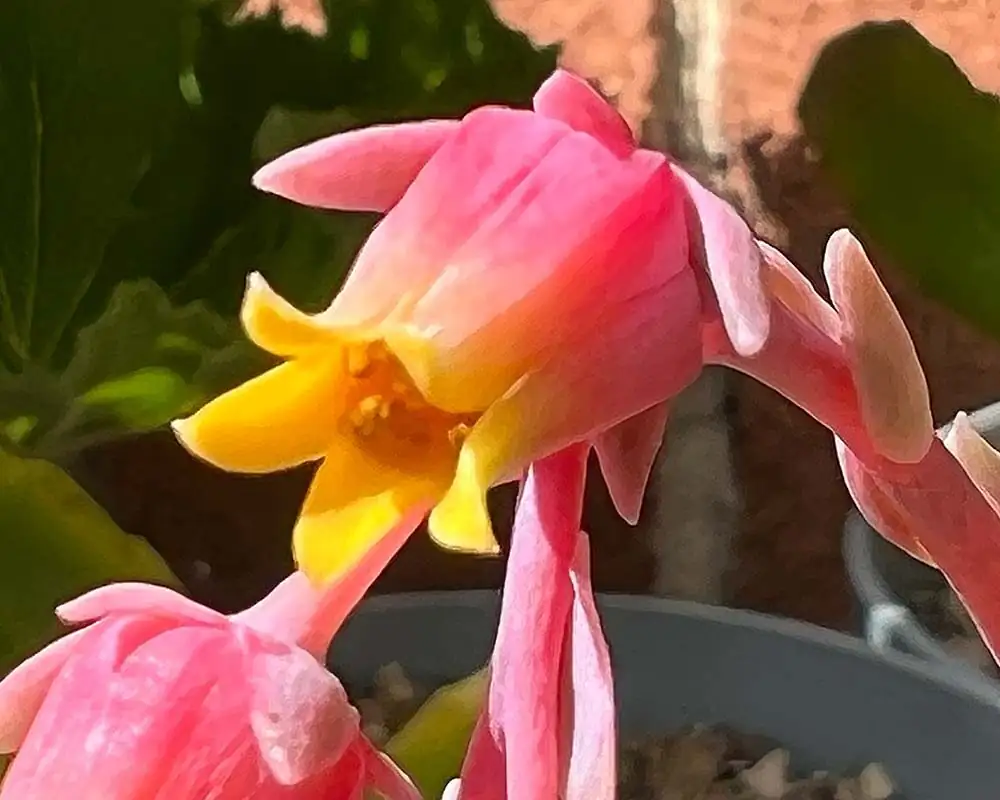
- Habit: Compact and low, often about 10 cm tall out of bloom, but in warm seasons it sends up slender stalks tipped with nodding, bell‑shaped flowers—pink to coral outside, yellow within.
All of this is a transcript of its homeland: hard sun that rewards tight, low rosettes; lean, fast‑draining, mineral soils; dry air; and nights that cool off just enough to give relief.
Where it began: the semi‑arid slopes of Hidalgo
On rocky outcrops near places like Pachuca, Echeveria elegans roots into grit and chinks of stone. Rain comes in fits and starts; water vanishes quickly. The plant’s strategy is simple and brilliant:
- Store water in leaves thick as pencil erasers.
- Wear a wax “sunscreen.”
- Keep growth close to the rock, where reflected heat is manageable and runoff is a momentary gift.
These same traits make it an effortless guest on sunny windowsills and bright balconies worldwide.
From one to many: offsets that built a global following
Echeveria elegans is a sharer. A mature rosette quietly produces offsets—pups that nestle at the base until they become their own rosettes. Over time, one plant becomes a small colony, a chalky mosaic.
That generosity did more than fill a pot. It fueled the plant’s journey:
- Gardeners could divide and share it by the handful.
- Nurseries could multiply clean stock quickly.
- Hobbyists learned they could even coax new plants from a single leaf.
In other words, E. elegans traveled the world the same way it spreads across a rock: one neat rosette at a time.
Portrait‑ready symmetry
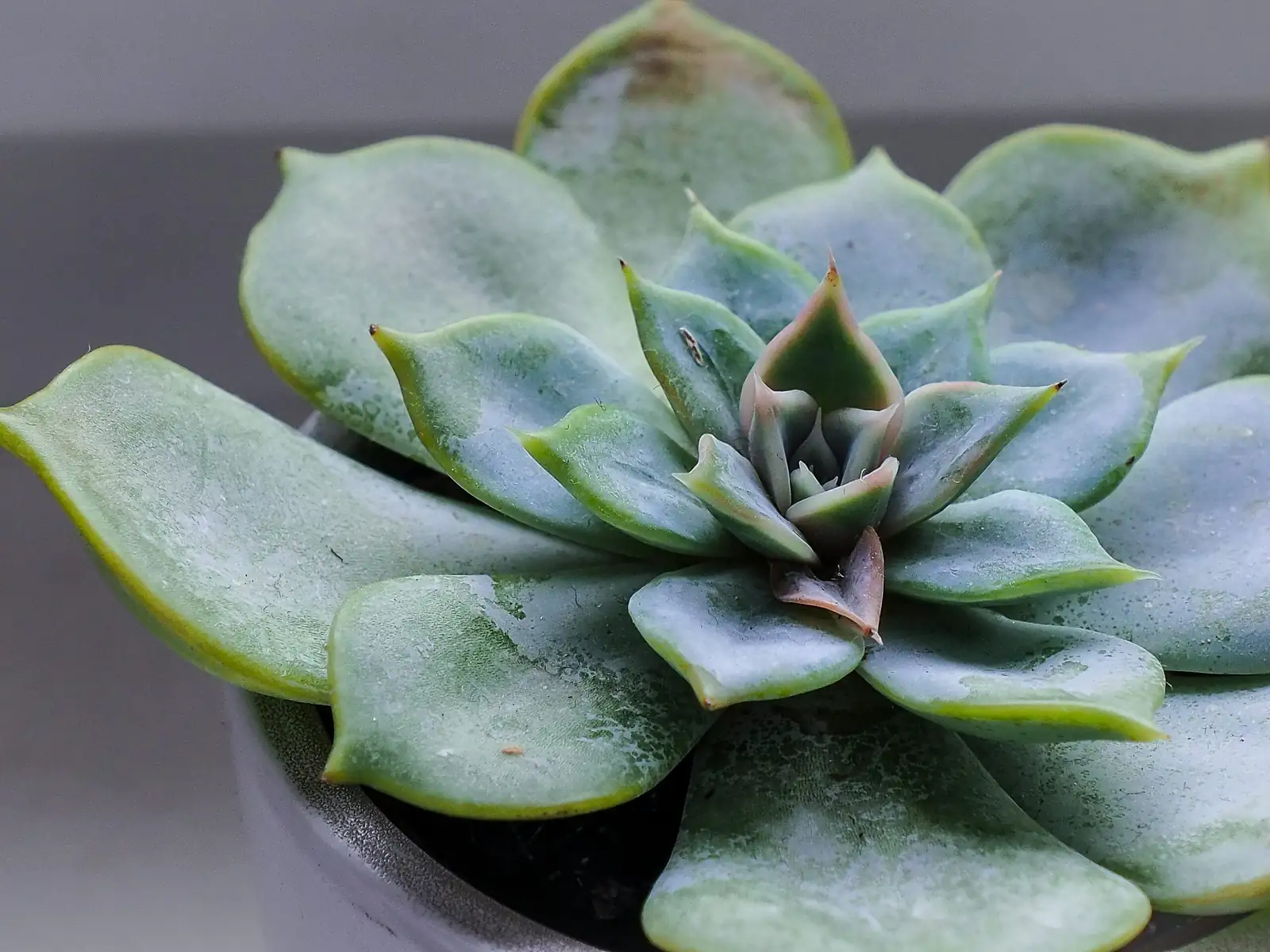
Light is the sculptor here. Give your Mexican snowball bright light to full sun (think 4–6+ hours daily), and the rosette cinches into a crisp, rounded mandala—catnip for photographers. Too little light, and it stretches and opens, the symmetry softening like a pastry in the heat. In very hot climates, a whisper of afternoon shade prevents scorch while keeping the form tight.
How to keep a Hidalgo hillside on your sill
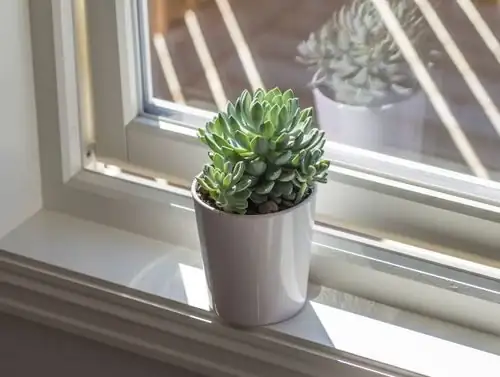
Think “bright, warm, dry, and gritty.”
- Light
- Bright light to full sun for the tightest rosette.
- In heat waves, protect from harsh, prolonged midday sun.
- Rotate the pot for even growth.
- Water
- Use soak‑and‑dry: water thoroughly, then let the mix dry completely before the next drink.
- Typical rhythm: every 7–14 days spring–summer; every 2–3 weeks in autumn; sparse in winter (sometimes only once or twice if kept cool and bright).
- Never pour water into the rosette.
- Soil and pot
- Gritty, very fast‑draining cactus/succulent mix—mineral heavy with pumice, coarse sand, or grit.
- Always use drainage holes; avoid water‑retentive media.
- Temperature and air
- Sweet spot: 15–27°C (59–81°F), happiest around 18–25°C (64–77°F).
- Frost tender; protect below ~5–10°C (41–50°F), especially if soil isn’t bone‑dry.
- Loves dry air and strong airflow; avoid stagnant humidity when cool.
- Feeding
- Light touch only: a diluted cactus/succulent fertilizer (about 1/4 strength) monthly or every 4–8 weeks in active growth; none in winter.
- Repotting
- Refresh the mix every 1–2 years (early spring is ideal). Let roots dry for a day or two after repotting before watering.
Bloom notes: tiny lanterns over late spring light
From late spring into summer, expect slender, arching stalks with nodding, bell‑like flowers—pink to coral outside, yellowish inside. The show is delicate but persistent, a row of small lanterns that pull in pollinators outdoors and add height and movement to indoor displays.
Propagation: easy as a sunny afternoon
- Offsets (pups): Detach once they’ve made their own roots—the fastest, surest method.
- Leaf propagation: Remove a healthy leaf cleanly, let it callus for several days, then rest it on dry, gritty mix. Mist the air nearby sparingly until roots and a baby rosette appear.
- Rosette or stem cuttings: Behead a leggy top, let it callus, and root in a grit‑rich medium.
- Timing: Warm, bright conditions year‑round work; many growers find late summer to early autumn especially reliable. In good warmth, roots can appear in roughly 20 days; pot up when roots reach about 2–3 cm.
Side‑quest some growers try: partial water culture. If you experiment, keep only part of the roots in the water (never the whole crown), refresh regularly, and use nutrients lightly in spring and autumn.
Common snags—and gentle fixes
- A rosette that’s stretching and opening
- Cause: Low light (often plus too‑frequent watering).
- Fix: Move to a brighter spot or add a strong grow light; let soil fully dry between waterings; rotate the pot.
- Lower leaves turning translucent or mushy
- Cause: Overwatering and/or poor drainage.
- Fix: Switch to a grittier mix, ensure drainage holes, let the plant dry thoroughly, and water the soil only.
- Pests
- Usual suspects: mealybugs in leaf axils, aphids on flower stalks; scale or thrips can appear.
- Actions: Isolate, remove badly damaged tissue, swab mealybugs with isopropyl alcohol or use insecticidal soap; improve light and airflow to prevent recurrences.
- Diseases
- Root rot is the classic danger in soggy soil; occasional leaf spot and rust can occur. Keep it bright, airy, and dry at the roots; use labeled fungicides only when necessary.
Good news: E. elegans is generally low‑toxicity and considered pet‑friendly, though nibbling can still upset a curious stomach.
Why this “stone rose” took over the world
- Compact beauty: A lotus‑like rosette that stays sculptural on a sill, desk, or patio.
- Forgiving nature: Drought tolerance and modest feeding needs fit modern life.
- Viral symmetry: That photogenic geometry and frosted glow are irresistible on camera.
- Easy sharing: Offsets and leaf propagation turn one plant into a gift‑ready clump.
No wonder it’s everywhere—from rock gardens in frost‑free zones to apartment windows high above the city.
Flower language and quiet symbolism
Gardeners often read Echeveria elegans as a symbol of resilience, quiet endurance, and lasting love. The meaning isn’t ancient folklore so much as observation and metaphor: a plant that keeps its poise through dry spells, turns hardship into symmetry, and, when conditions are right, surprises you with a string of lantern‑bright blooms.
Quick placement ideas
- Sun‑splashed windowsills (east or south) where it stays compact and camera‑ready.
- Shallow bowls or dish gardens, letting offsets knit into a soft, blue‑gray colony.
- Rock gardens in mild climates (USDA 9–11), with overhead shelter from heavy, lingering rains.
A final scene
Picture again that Hidalgo hillside: the noon sun is blunt, the rocks are hot, and the wind is dry. On the stone, a small rosette sits like a silvered seashell, unruffled. That same calm geometry can live on your sill—if you give it what the hillside gives: bright light, rough ground, and time. Echeveria elegans will do the rest, multiplying quietly, posing perfectly, and reminding you that elegance often comes from learning how to spare and store.