

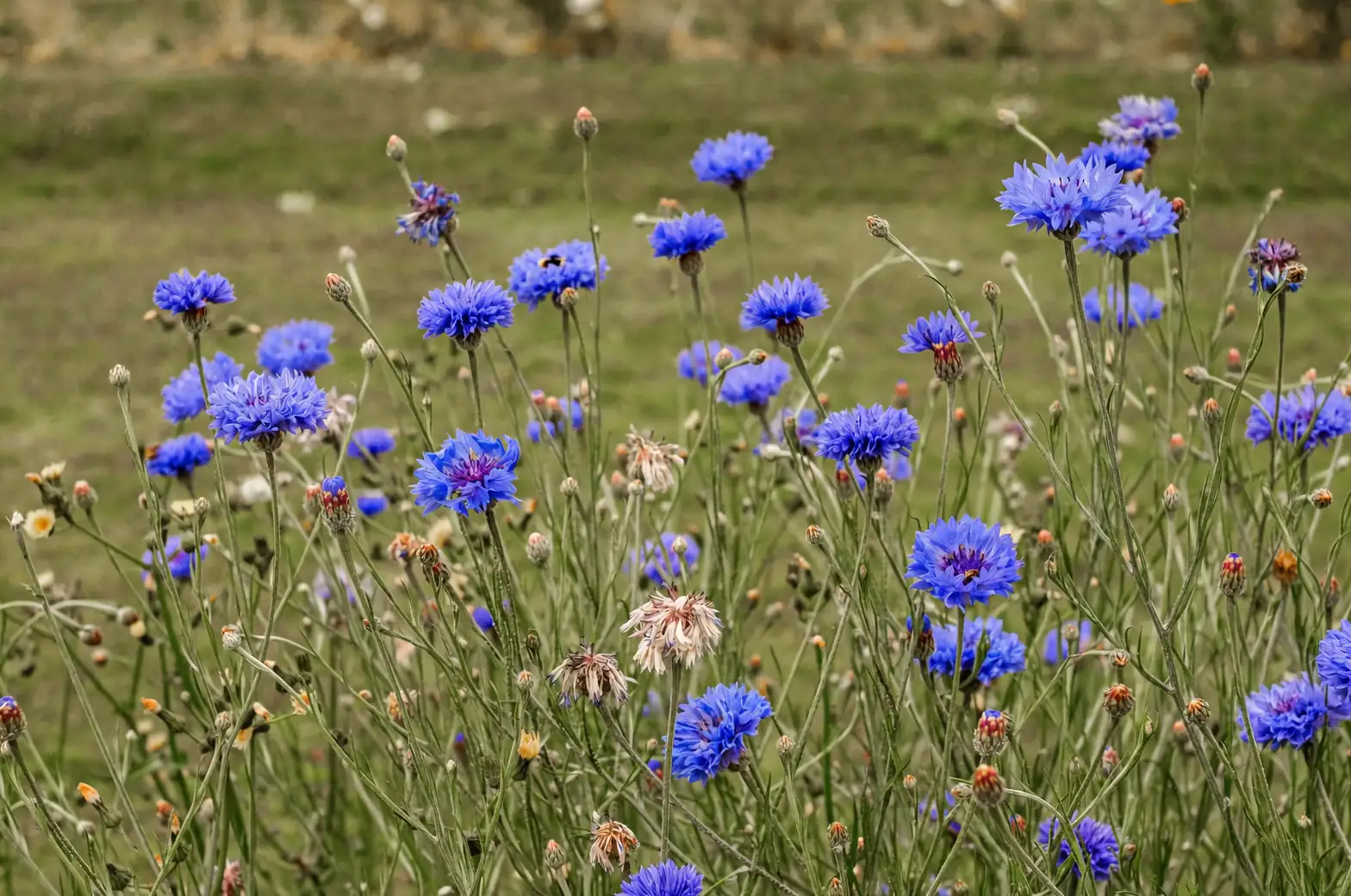
As you stroll through a vibrant cottage garden, you’re likely to encounter the striking, cheerful blooms of Centaurea cyanus, more commonly known as the cornflower. With its rich history that spans from the fields of Europe to gardens worldwide, this hardy annual has woven itself into the fabric of both nature and culture. Let’s delve into the fascinating journey of the cornflower, a plant as storied as it is beautiful.
The Journey from Field to Garden
Originally a native of Europe, Centaurea cyanus was a common sight in the grain fields of the continent. Its name, “cornflower,” reflects its historical prevalence among corn (a term that traditionally referred to grains like wheat, barley, and rye). These fields were once awash with the plant’s iconic blue hue, so much so that cornflowers were often considered weeds by farmers.
However, agricultural intensification and the widespread use of herbicides have led to its decline in the wild, making it endangered in some native habitats. Despite this, the cornflower has found a new home in gardens around the world, celebrated for its vivid color and easy cultivation.
A Floral Charm: Appearance and Growth
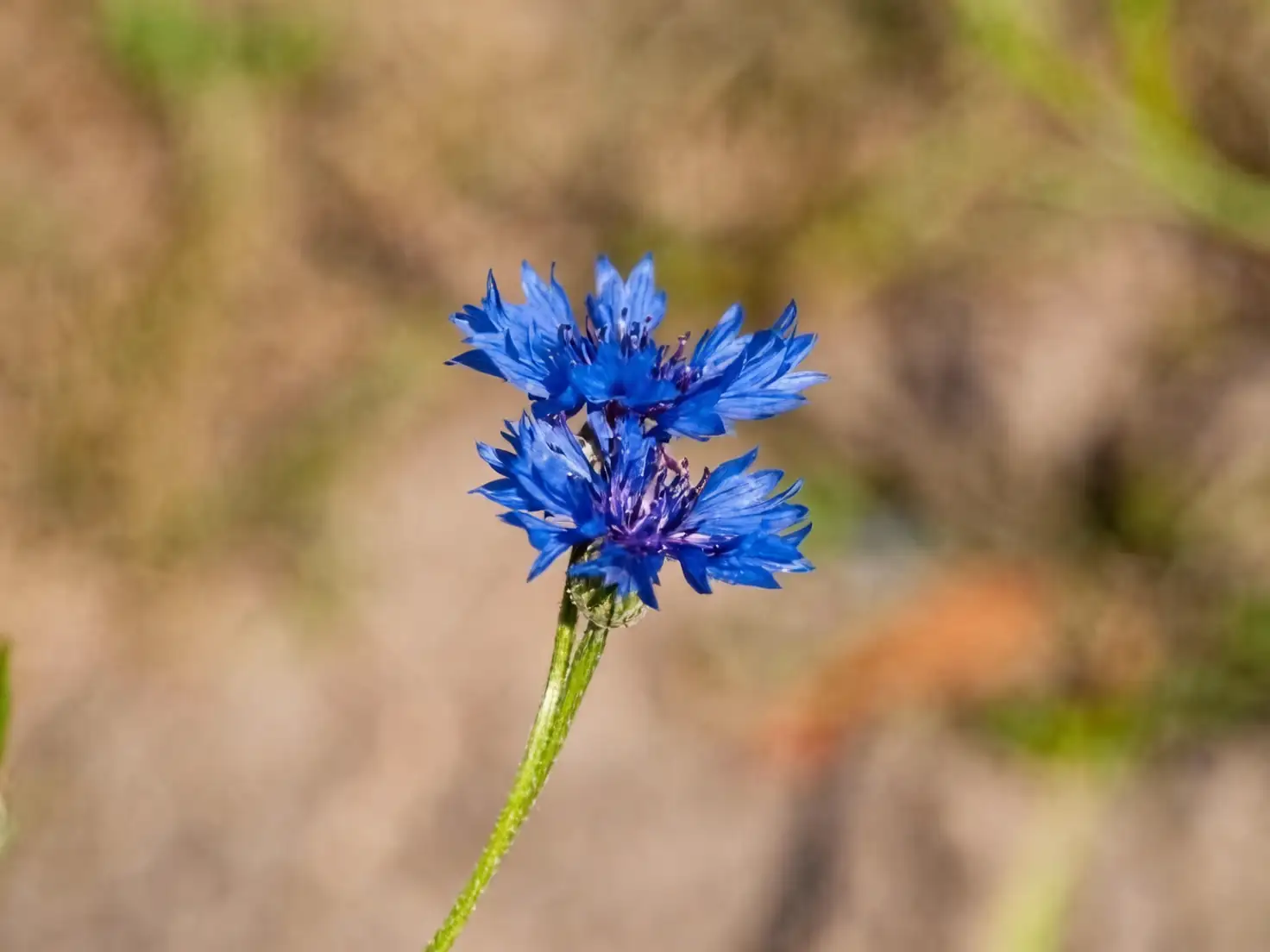
Cornflowers are a gardener’s delight, offering an upright growth habit with slender, gray-green stems and narrow, lance-shaped leaves that create a light, airy texture. The blooms are thistle-like and fringed, with petals radiating from a central disc, most famously in a stunning “cornflower blue.” But if variety is your spice of life, you’ll be pleased to know these flowers also come in shades of pink, purple, white, and deep burgundy.
The plant typically grows 30–122 cm (12–48 inches) tall, making it an excellent choice for adding height and color to garden beds and borders. It thrives in full sun and well-drained soil, preferring slightly alkaline conditions. With a blooming season that stretches from late spring to early summer, these flowers offer a long-lasting display, especially when deadheaded regularly.
Cornflower Care: An Easy-Going Companion

Centaurea cyanus earns its reputation as a beginner-friendly plant, requiring minimal care to flourish. It grows best in full sun, although a bit of afternoon shade can help in particularly hot climates. The plant is tolerant of light frost and can even self-seed, ensuring its return year after year without much effort. Just provide moderate watering, and if your soil is less than fertile, a light monthly feed will encourage an even more spectacular bloom.
Cornflowers also make excellent container plants, especially the dwarf varieties. Use a well-draining potting mix and ensure good airflow to prevent issues like powdery mildew. For those with a penchant for hands-off gardening, cornflowers are drought-tolerant once established, although regular watering will enhance their bloom quality.
Cultural Significance and Uses
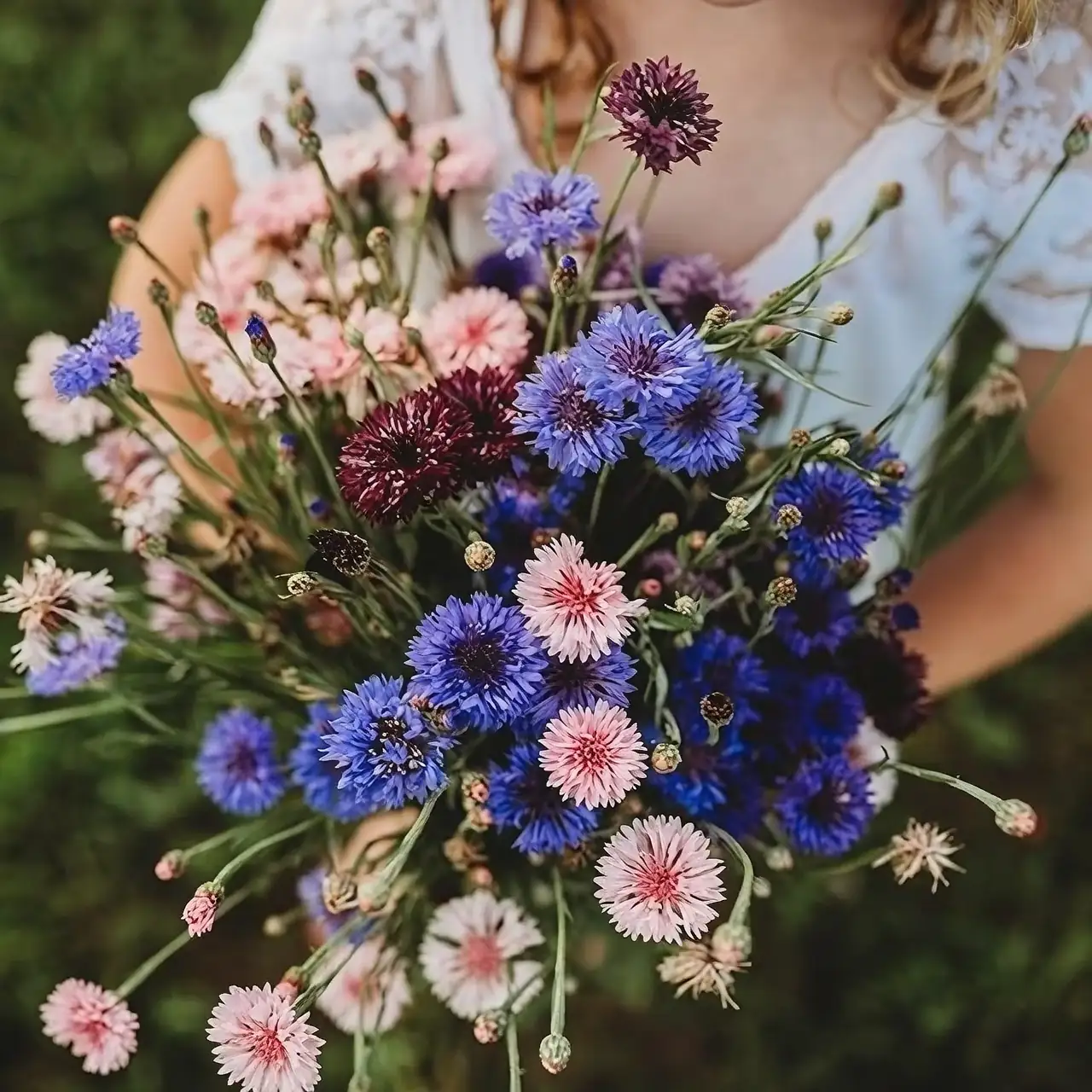
The cornflower is more than just a pretty face; it carries rich symbolism and practical uses. Often associated with love, hope, and elegance, the flower played a role in Victorian-era courting rituals. Young men would wear a cornflower in their buttonholes, with the flower’s longevity supposedly reflecting the depth of their affection—a tradition that inspired the nickname “Bachelor’s Button.”
Beyond its symbolic weight, the cornflower serves as an important ecological ally. Its blooms attract bees and butterflies, making it a valuable addition to any pollinator-friendly garden. Petals are not only edible but also provide a colorful garnish for salads and desserts, often noted for a mild, cucumber-like flavor.
Fun Facts and Folklore
- The term “cornflower blue” has become synonymous with the plant’s signature color, a testament to its cultural impact.
- Cornflowers have long been used in herbal traditions for their mild anti-inflammatory properties.
- When harvested at the right stage, cornflowers can last up to two weeks as cut flowers, adding a touch of elegance to any bouquet.
In essence, the cornflower is a testament to the resilience and adaptability of nature. From its humble beginnings as a field weed to becoming a cherished garden delight, Centaurea cyanus continues to capture hearts with its vibrant colors and rich history. Whether you’re a seasoned gardener or just beginning your horticultural journey, the cornflower promises to bring a touch of timeless charm to your landscape.


