

If you love the way sage turns brown butter nutty, makes roast chicken sing, or lends depth to winter stews, here’s how to keep that flavor at your fingertips all year. Salvia officinalis—culinary sage—is a sun-loving Mediterranean evergreen in the mint family (Lamiaceae) with soft, grey‑green leaves that are as aromatic as they are beautiful. With a little timing finesse and the right preservation methods, you can harvest in peak condition, dry elegant bundles, and freeze smartly for effortless cooking in every season.
When to Harvest for Peak Flavor
- Best time of day: Mid-morning, after the dew has dried but before heat ramps up. At this point, the leaves are dry on the surface and their essential oils are concentrated.
- Best season window: Spring through summer is prime. You can pick lightly year-round in mild climates, but flavor is often most intense in full sun and lean soil.
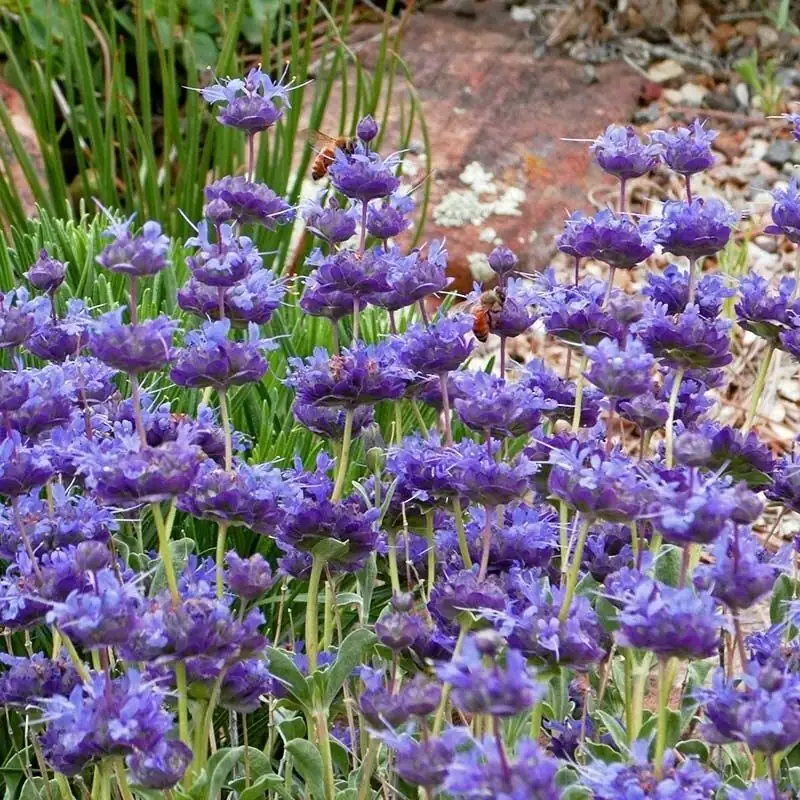
- Around flowering: Sage typically flowers from early to late summer with two-lipped blue-purple blooms loved by pollinators. You can harvest before, during, and after bloom; leaf production usually slows once flowering ramps up, so plan bigger harvests just before the show if you want volume.
- First-year plants: Harvest sparingly. Take just a few leaves at a time so the plant can establish strong roots and bushy growth.
- How much at once: As a rule of thumb, avoid taking more than about one-third of the plant at a time. Frequent, modest harvests encourage fresh, flavorful new shoots.
Pro tip: Sage grown “on the lean side”—in full sun with excellent drainage and minimal nitrogen—usually tastes more robust. Too much fertilizer can mean floppy growth and milder leaves.
How to Harvest Without Harming the Plant
- Choose healthy growth: Look for firm, grey‑green leaves without spots or insect damage.
- Snip or pinch:
- For single leaves, pinch with thumb and forefinger at the petiole.
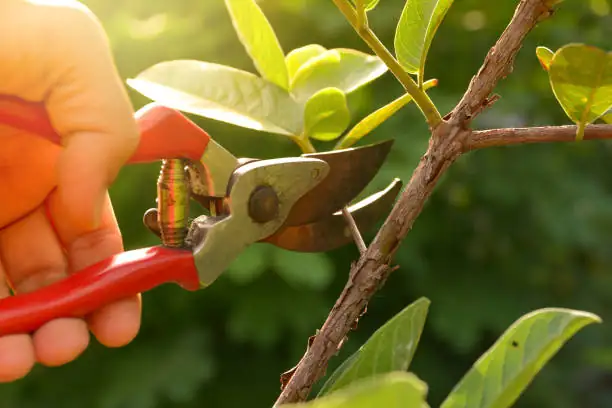
- For sprigs, use clean, sharp snips to cut a non-woody stem just above a pair of leaves (a node). This encourages branching.
- Avoid hard cuts into old, leafless wood: Sage becomes woody with age; cutting into bare old wood can stall or prevent regrowth.
- Keep it clean and dry: Only wash if leaves are dusty. If you do rinse, blot completely dry before drying or freezing to prevent mold or ice crystals.
Prepping for Preservation
- Sort: Separate tender sprigs for fresh use, slightly firmer sprigs for drying, and pristine leaves for freezing.
- Dry surface moisture: Air on a towel for 30–60 minutes until the leaves feel dry to the touch—critical for both air-drying and freezing success.
Air‑Drying Bundles: Classic, Foolproof, and Beautiful
Air-drying concentrates flavor without cooking off aroma. It’s also the best low-energy method for big bouquets.
Step-by-step
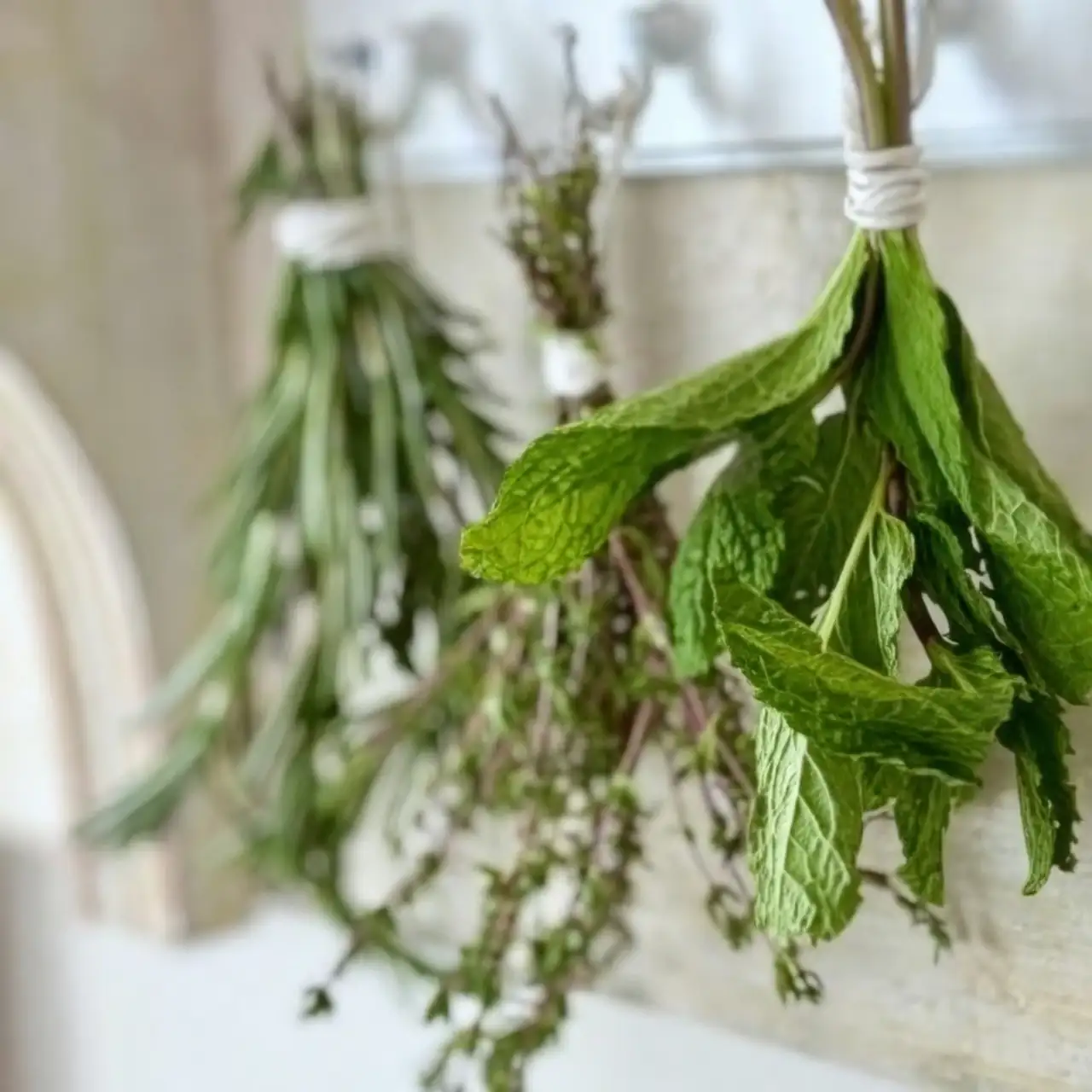
- Make small bundles: 4–6 sprigs per bundle. Secure with twine or a small elastic (stems shrink as they dry).
- Hang upside down: Choose a warm, dark, airy spot out of direct sun—like a ventilated pantry. Darkness helps preserve color and volatile oils.
- Encourage airflow: Space bundles well. In humid climates, slip a paper bag (with punched air holes) loosely over each bundle to keep dust off while allowing air movement.
- Drying time: Typically 7–14 days, depending on humidity. They’re done when leaves crumble crisply between fingers.
- Strip and store: Gently crumble or—better—leave leaves whole to retain oils longer. Store in airtight jars in a cool, dark cabinet.
Flavor guardrails:
- Keep leaves whole until you cook with them, then crumble. Whole dried leaves hold aroma far longer than pre-crushed bits.
- Shelf life: Best within 6–12 months. If fragrance fades, it’s time for a fresh batch.
Alternative gentle methods:
- Dehydrator on lowest setting with good airflow until crisp.
- Avoid microwave/oven heat if you want maximal aroma; higher heat can flatten sage’s nuanced, peppery-earthy notes.
Freezing Sage: Smart Methods for Peak Freshness
Freezing captures that just-picked greenness better than drying—fantastic for sauces, soups, and pan sauces.
1) Whole-Leaf Flash Freeze
- Lay dry, whole leaves on a parchment-lined tray in a single layer.
- Freeze until solid, then transfer to airtight bags, pressing out air.
- Use straight from the freezer for roasting pans, compound butters, and stuffing.
2) Chopped “Ice Cubes” in Water
- Finely chop dry leaves.
- Pack into ice cube trays; top with water and freeze.
- Pop cubes into labeled freezer bags. Great for braises, grains, and soup bases.
3) Oil‑Packed Herb Cubes (Chef’s favorite)
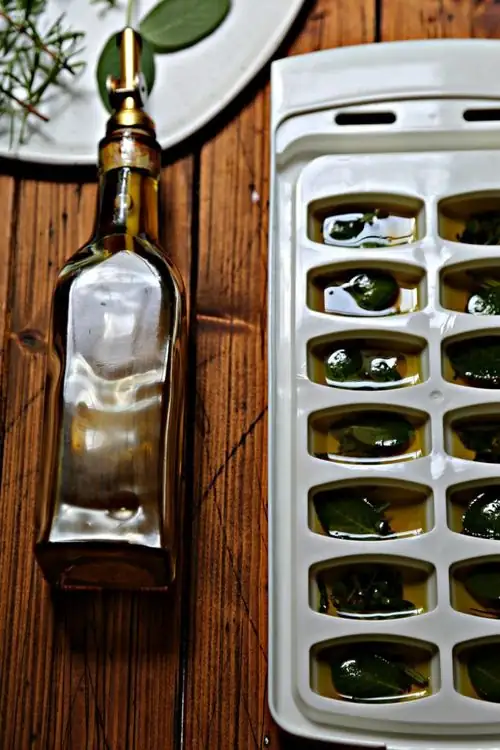
- Cover chopped sage with olive oil in cubes (2–3 teaspoons per cube).
- Freeze; store in bags. Drop into hot pans for instant aromatics—ideal for sautés, pan sauces, and searing meats.
4) Compound Butter Coins
- Mash finely chopped sage into softened butter with a pinch of salt and lemon zest.
- Roll into a log, chill, then slice and freeze.
- Finish steaks, roasted squash, or pan‑seared mushrooms with a sizzling coin.
Freezer tips:
- Label with date and method. For peak flavor, aim to use within 6 months (they’ll keep longer, but aroma slowly diminishes).
- Pack tightly and minimize air exposure to prevent freezer burn.
- No need to thaw—use straight from the freezer.
Storing for Maximum Flavor
- Dried sage: Airtight glass, cool and dark. Keep leaves whole; crumble just before use.
- Frozen sage: Airtight, well-sealed containers or freezer bags with air pressed out.
- Fresh sprigs: Short-term, stand stems in a jar with a little water (like flowers), cover loosely, refrigerate. Use within a few days.
Conversion cheat:
- Dried is more potent than fresh. As a general kitchen rule, use about 1 teaspoon dried for every 1 tablespoon fresh.
Year‑Round Cooking Ideas
- Crispy sage in brown butter over gnocchi or butternut squash
- Sheet‑pan chicken thighs with garlic, lemon, and whole frozen sage leaves
- Mushroom pan sauce finished with a sage‑butter coin
- Sausage and sage stuffing, any month of the year
- White bean and sage soup with oil-cube “starter”
- Sage salt: blitz dried leaves with flaky salt; store airtight for finishing roasted vegetables
Keep Plants Productive (So You Can Keep Cooking)
- Sun and drainage are non-negotiable: Aim for 6+ hours of direct sun and very well‑draining soil. Lean, slightly acidic to neutral soil (roughly pH 6.5–7.0) keeps growth compact and flavor high.
- Watering: Let soil dry a bit between waterings. In containers, water deeply, then allow the top 2–3 cm (about 1 inch) to dry before watering again. Never let pots sit in water.
- Pruning rhythm: Lightly shape in mid‑to‑late spring to encourage bushy new shoots; trim spent flower spikes in late summer. Avoid cutting back into old, leafless wood.
- Renewal: Plants get woody and less leafy with age. Refresh with softwood cuttings in late spring/early summer or replace every few years for top-tier culinary quality.
Troubleshooting Your Harvest and Drying
- Leaves yellowing? Often overwatering or poor drainage. Improve drainage; let soil dry between waterings.
- Powdery mildew on leaves or drying bundles? Increase airflow and avoid overcrowding. Sage prefers dry to average humidity.
- Not flowering? Usually not enough sun or too much nitrogen. Move to brighter conditions and ease off feeding.
Safety Notes
- Culinary sage is generally safe in normal food amounts.
- Do not ingest sage essential oil. Sage contains thujone; very large medicinal doses can be harmful. If pregnant or nursing and considering therapeutic use, seek professional guidance.
A Sprig of Lore
Sage’s very name comes from Latin “salvere”—to save or to heal—and across Europe it’s long been an “herb of the wise,” symbolizing wisdom, longevity, and good health. While symbolism isn’t botanical science, it reflects how deeply people have valued sage’s steadiness in the kitchen and apothecary for centuries. Even today, a sun‑warmed shrub buzzing with bees feels like a living emblem of domestic virtue.
—
Harvest after the morning dew, dry small, airy bundles in the dark, and freeze clever cubes for quick weeknights. With these habits, Salvia officinalis becomes more than a seasonal herb—it’s your year‑round flavor anchor.


