

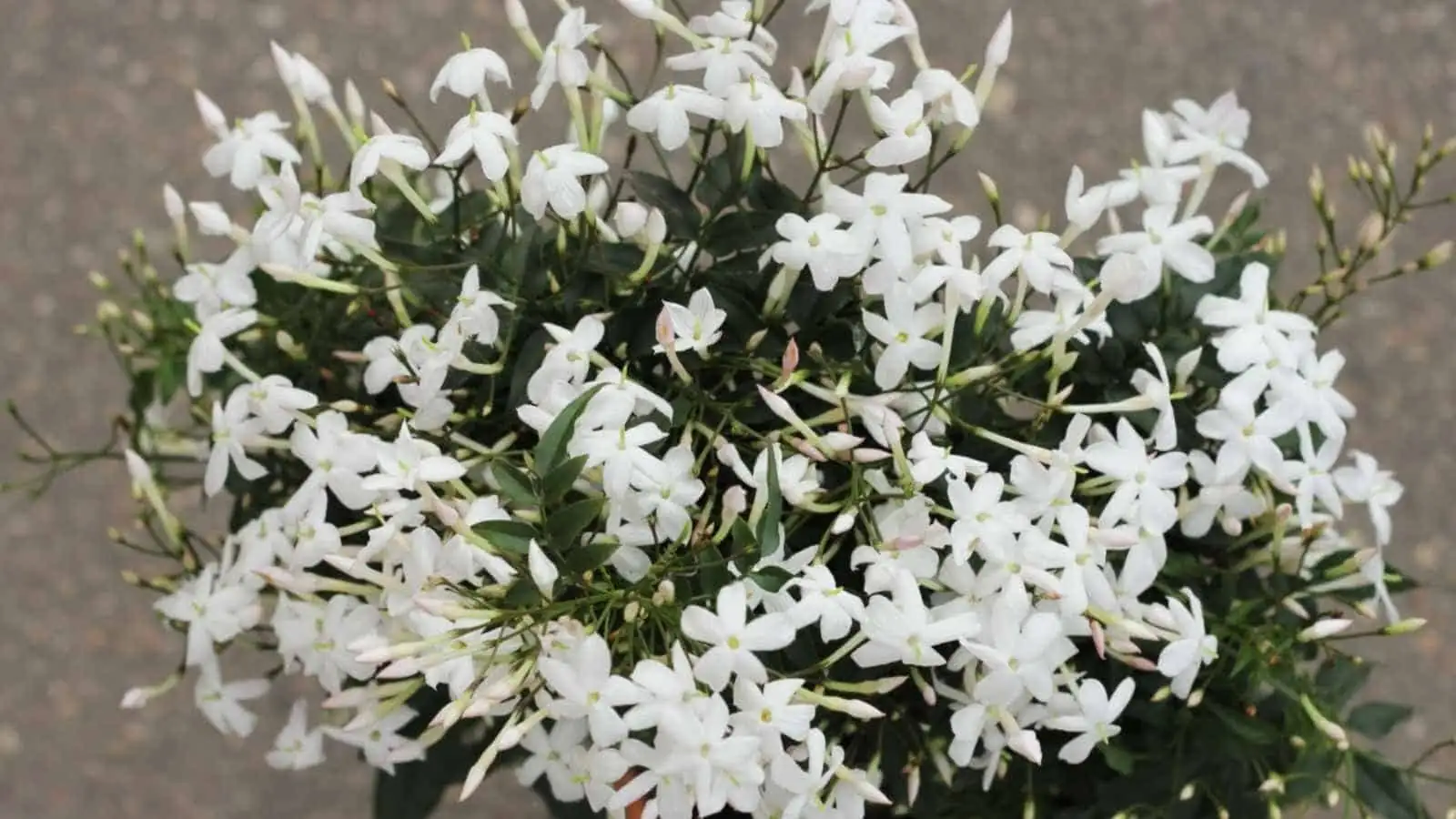
If you’ve ever paused before a pot of glossy leaves marbled in cream and green and thought, “That jasmine looks too perfect to be wild,” you were onto something. Trachelospermum asiaticum ‘Variegatum’—often sold as Variegated Star Jasmine—is a horticultural creation, a selected sport turned bona fide cultivar, adored less for armloads of flowers and more for foliage that looks hand-painted.
A cultivated origin story: how a sport became a staple
Variegation like this rarely marches out of a forest. It most often appears unexpectedly in cultivation as a “sport”—a shoot with altered pigmentation—on an otherwise green plant. Here’s how a plant like ‘Variegatum’ typically comes to be:
- A nurseryman spots a branch with cream-splashed leaves on Asiatic jasmine (Trachelospermum asiaticum).
- Cuttings are taken from that branch (not seeds), then rooted and trialed to see if the variegation is stable.
- After seasons of evaluation—watching for reversion, vigor, and pattern consistency—the selection is named and introduced.
That’s the essence of ‘Variegatum’: a man-made cultivated variety selected and propagated vegetatively so its striking pattern repeats from plant to plant. Seedlings don’t reliably copy the look and often revert to solid green, which is why this cultivar is passed along by cuttings or layering.
Why the foliage steals the show
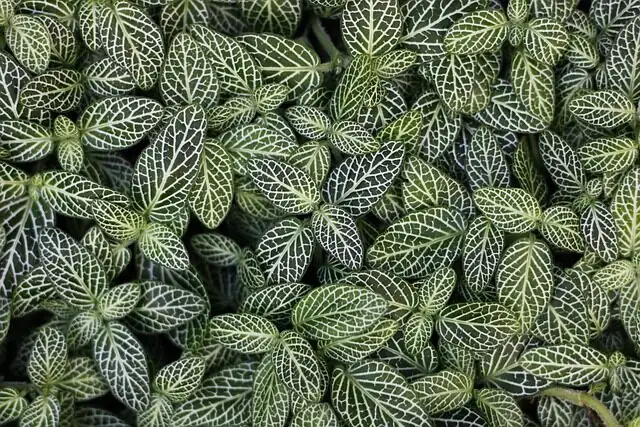
This is a plant that dresses its leaves for the spotlight:
- Glossy, evergreen blades splashed and edged in cream/white over green bring brightness year-round.
- In strong light, the variegation stays crisp; in cold, wet, or otherwise stressed conditions it can dull, and extended chill may lead to leaf drop.
- All-green “reverted” shoots occasionally appear and tend to grow faster. Prune these promptly to keep the plant evenly variegated.
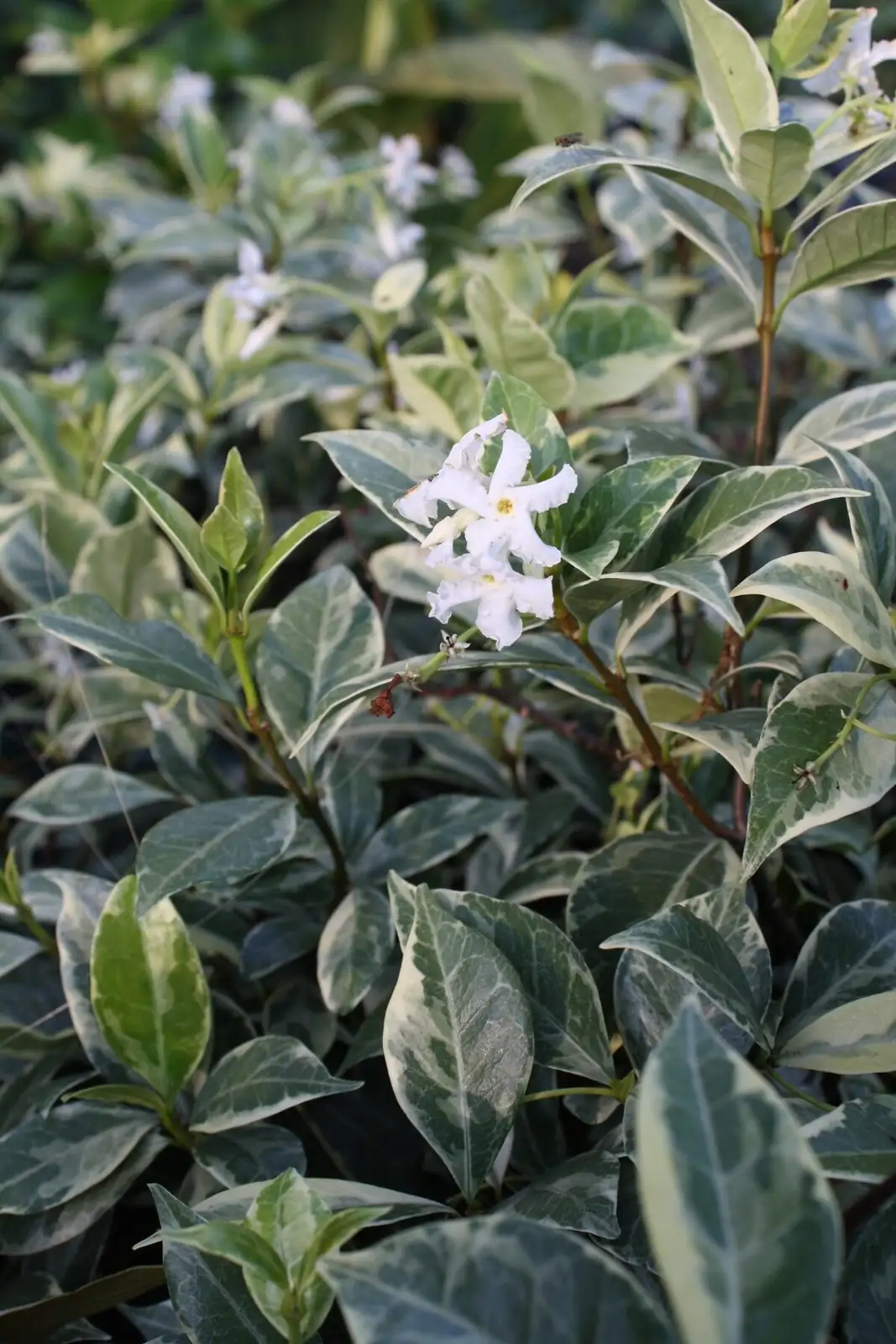
Yes, it can produce sweetly scented, small, starry white flowers in summer—especially outdoors—but most growers keep ‘Variegatum’ for its foliage first, flowers second.
Not a “true” jasmine—here’s how to tell
Common names blur lines. Variegated Star Jasmine is not a true jasmine (genus Jasminum). It belongs to the dogbane family (Apocynaceae), alongside many latex-sapped ornamentals.
Key differences you can notice:
- Family and sap: Trachelospermum exudes a milky latex when cut; true jasmines (Jasminum, in the olive family) do not.
- Growth habit: Both can twine, but Trachelospermum typically has thicker, leathery, glossy leaves and makes an especially polished, evergreen houseplant or container climber.
- Bloom behavior indoors: True jasmines are often grown specifically for abundant bloom indoors. ‘Variegatum’ may flower indoors, but it’s less reliable; outdoors, summer bloom is more dependable.
- Shade tolerance: Variegated Star Jasmine tolerates partial shade well, prized as a foliage accent where many Jasminum would sulk.
In short: the “star jasmine” name nods to the pinwheel-like flowers and fragrance, not to botanical kinship.
How it grows and how to use it
An evergreen twining/trailing vine that adapts beautifully to:
- Pots or bowls as a cascading houseplant
- Small trellises or hoops once new shoots reach about 30 cm (12 in)
- Hanging baskets for a soft, variegated spill
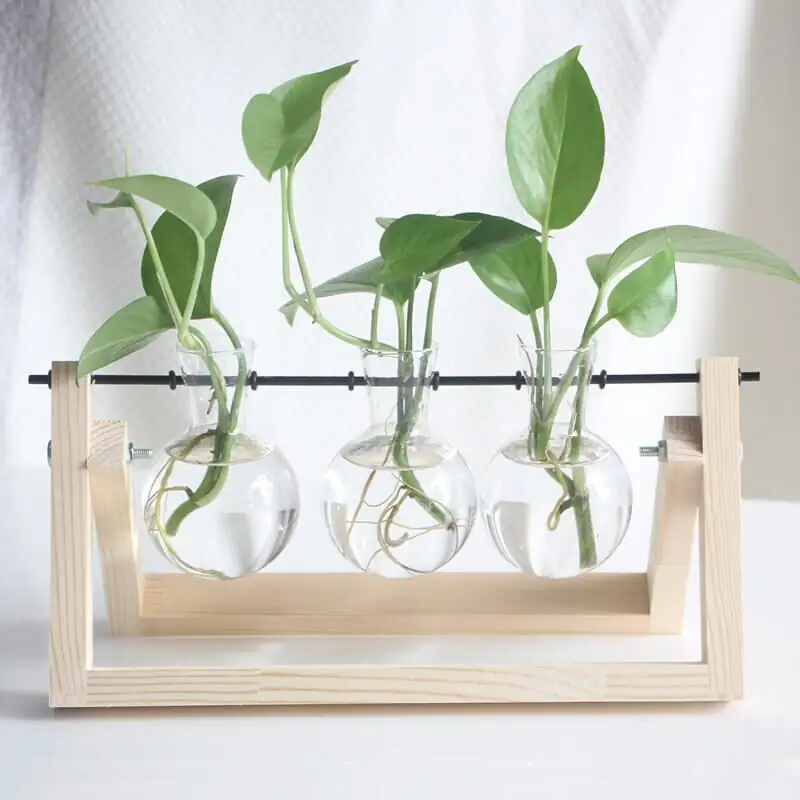
- Design-forward water culture (hydro displays), provided you refresh and feed the water
Growing it to perfection
Think bright, airy, and well-drained.
- Light: Bright light to sun for strong growth and best chance of flowering; partial shade is fine. Indoors, an east- or south-facing window is ideal. Avoid harsh sun when it’s cold—this combo can stress foliage.
- Temperature: Best at 20–25°C (68–77°F). Try to keep winter temps above 10°C (50°F) to minimize leaf drop. Brief dips to about 0°C (32°F) can be tolerated, but extended cold often defoliates plants in containers.
- Humidity and airflow: Moderately humid air with gentle airflow is perfect. In dry rooms, occasional misting helps; avoid stagnant, overly damp conditions.
- Soil: A rich, loose, well-drained potting mix—leaf-mold based or a high-quality all-purpose blend. Avoid waterlogging.
- Watering:
- Growing season: keep evenly moist but never soggy.
- Autumn–winter: reduce; keep slightly drier. Cold + wet is the classic trigger for yellowing and leaf drop.
- After repotting: go light on water at first; misting plus sparing sips is safer than drenching.
- Feeding: Monthly during the growing season. If you hope for summer bloom, add 1–2 bloom-leaning feeds (higher in P & K) before summer.
- Pruning and training:
- Add a small support when shoots hit 30 cm (12 in).
- Pinch tips to encourage branching and thin congested growth.
- Remove all-green reversions promptly.
- Every 3–4 years, a hard prune can rejuvenate older pots.
- Repotting: Every ~2 years in spring. Many growers plant three young starts in a 15–20 cm (6–8 in) pot for a fuller look. Water sparingly right after.
- Placement ideas: A bright windowsill or balcony; a modern glass vessel for water culture (top up and change water regularly, and provide a suitable nutrient solution).
Calendar cues
- Spring: Repot if due; begin regular watering and feeding.
- Early summer: Take 10–12 cm (4–5 in) semi-ripe tip cuttings for easy propagation.
- Summer: Maintain even moisture; enjoy any fragrant white blooms.
- Autumn: Taper watering.
- Winter: Keep slightly dry, above 10°C (50°F) if possible; protect from cold, wet soil.
Propagation—and keeping the variegation true
This cultivar is famously easy to multiply.
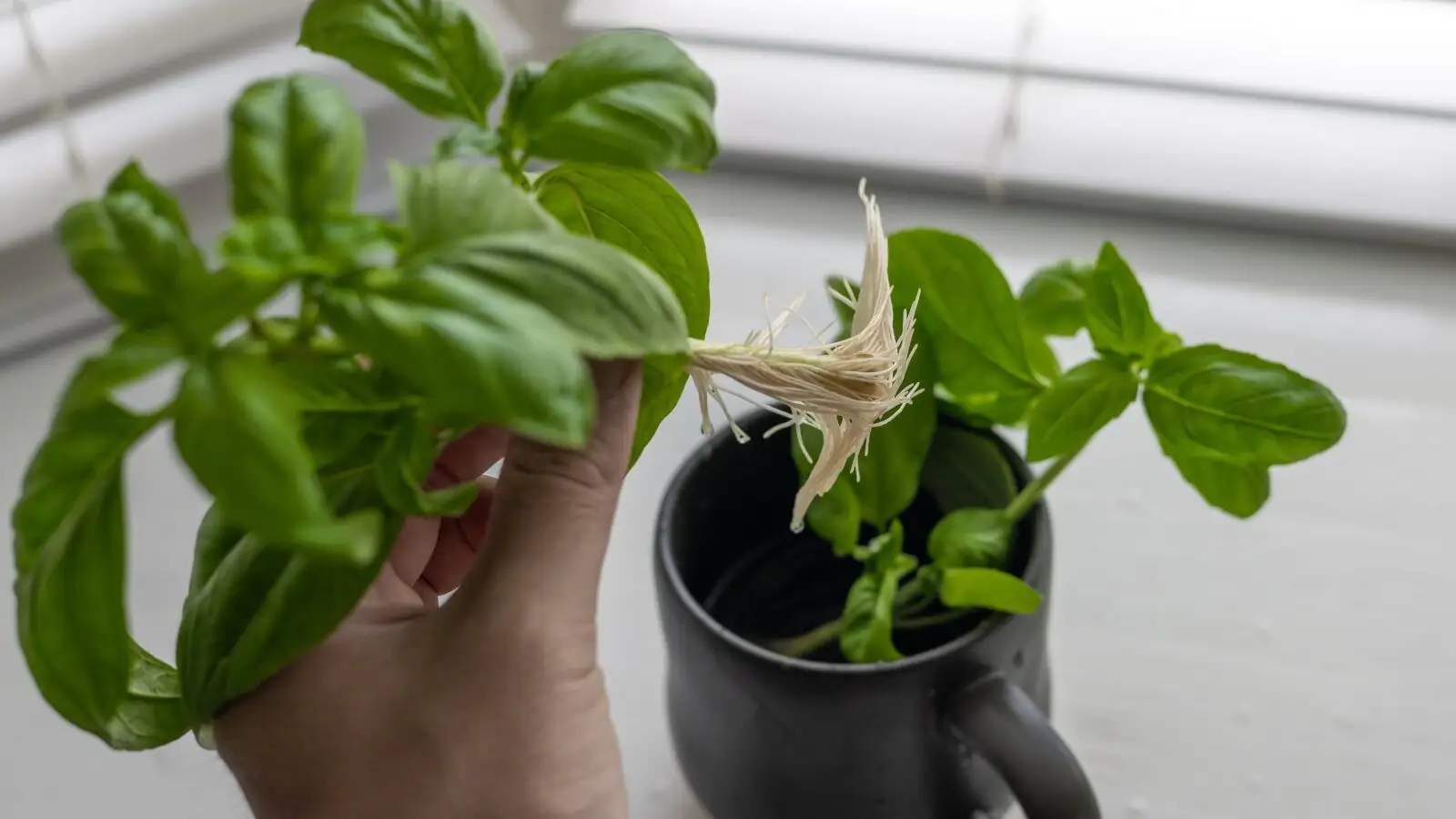
- Tip cuttings (early summer): Take 10–12 cm (4–5 in) cuttings, keep 3–4 leaves, strip the lower ones, and root in moist sand or a gritty mix. Expect roots in about 3–4 weeks. Stem cuttings also root readily in plain water.
- Layering: Peg a long stem into a pot of mix during the growing season; once rooted, detach and pot on.
- Seeds: Can be sown fresh at 13–16°C (55–61°F), but seedlings may revert to solid green—lovely, but not ‘Variegatum’.
To preserve the pattern, always remove reverted green shoots; they tend to outgrow the variegated parts if left unchecked.
Troubleshooting at a glance
- Yellowing leaves and drop: Usually low light or the winter combo of cold + overwatering. Move to brighter light, keep warmer (ideally above 10°C/50°F), and let the mix dry a bit more between winter waterings. Resume gentle feeding in active growth.
- Spider mites (especially indoors in dry air): Increase humidity and airflow, rinse foliage, and use insecticidal soap/horticultural oil or a labeled miticide if needed.
- Leaf spot: Improve airflow, avoid late-day leaf wetting, remove affected leaves; a broad-spectrum fungicide labeled for ornamental leaf spot can be used if necessary.
- Safety note: Specific toxicity data for this exact cultivar is inconsistent. As with many Apocynaceae, treat it as potentially irritating if chewed; keep away from pets and children and seek advice if ingestion occurs.
What makes it different in design
- Year-round contrast: Cream-on-green leaves pop against deep-green companions.
- Shade savvy: Keeps its sheen in partial shade where many bloomers tire.
- Modern minimalism: In water culture, a tangle of roots and twining variegated stems becomes living sculpture—just remember to change the water and feed.
Symbolism, thoughtfully considered
You’ll sometimes see Variegated Star Jasmine linked with steadfastness and loyalty—fitting for an evergreen vine that clings and remains present through the seasons. Unlike ancient floral traditions, this “flower language” isn’t rooted in old myths for the cultivar itself; it’s a modern association drawn from its growth habit and year-round foliage. If you lean into that meaning, it makes a graceful gift plant—quietly dependable, always there, and brightening its corner without fuss.
One last word on names
Both Trachelospermum asiaticum and its cousin T. jasminoides are commonly called “star jasmine,” yet neither is a true jasmine. When you’re after that cream-splashed foliage above all else, look for T. asiaticum ‘Variegatum’—and grow it for what it is: a selected, man-made classic whose leaves do the storytelling.