

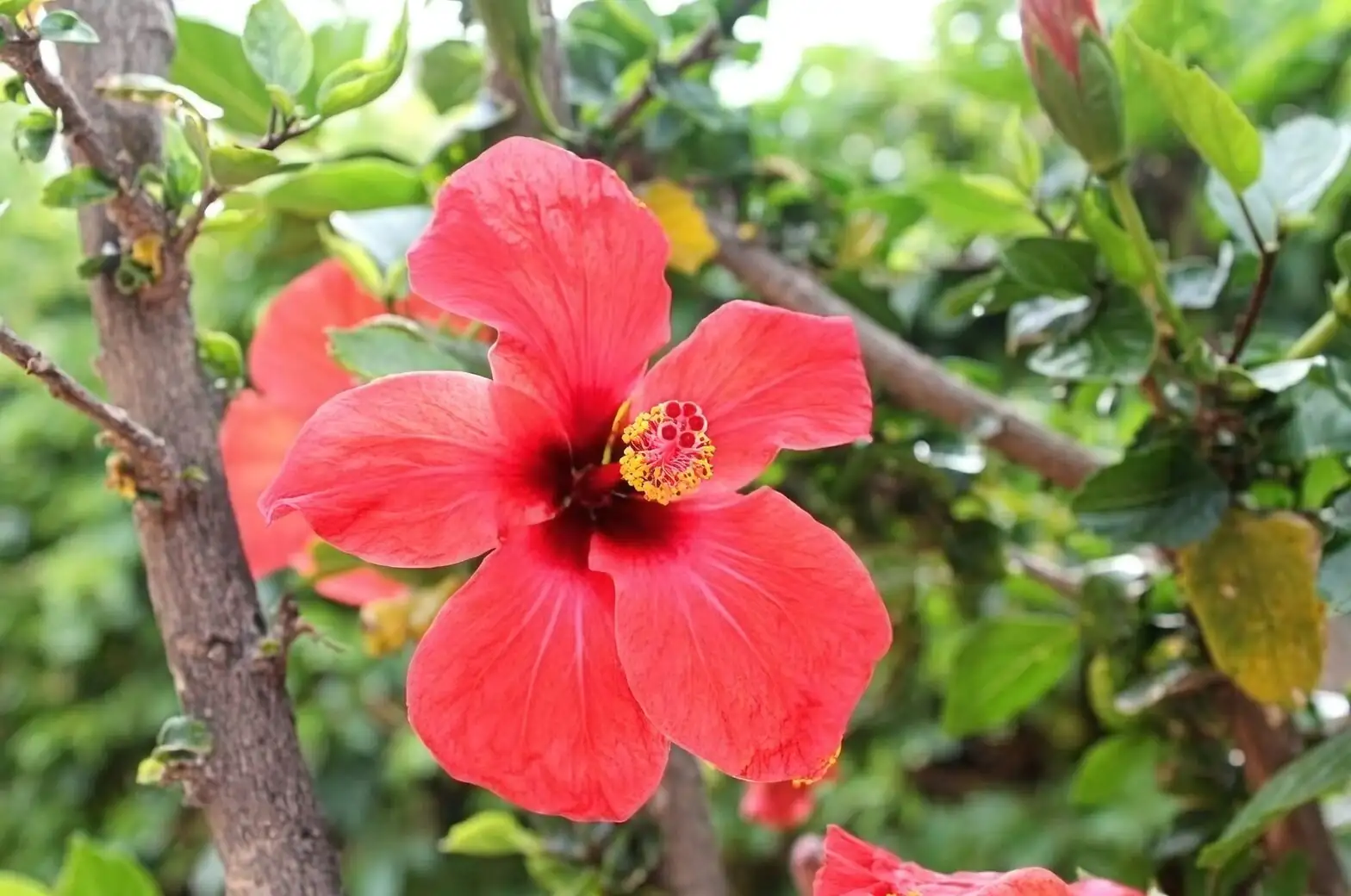
What began as a humble tropical shrub along the warm coasts and riverine gardens of Asia now greets us as a fireworks display in bloom: Hibiscus rosa-sinensis, the Chinese hibiscus—also fondly known as Rose of China, Tropical Hibiscus, Hawaiian Hibiscus, and, with a wink to old street lore, the “Shoe Flower.” This is the story of a plant that hitched rides on monsoon winds and merchant ships, charmed households from port to port, and then dazzled modern gardeners with an ever-expanding wardrobe of showy cultivars.
From tropical Asia to the world
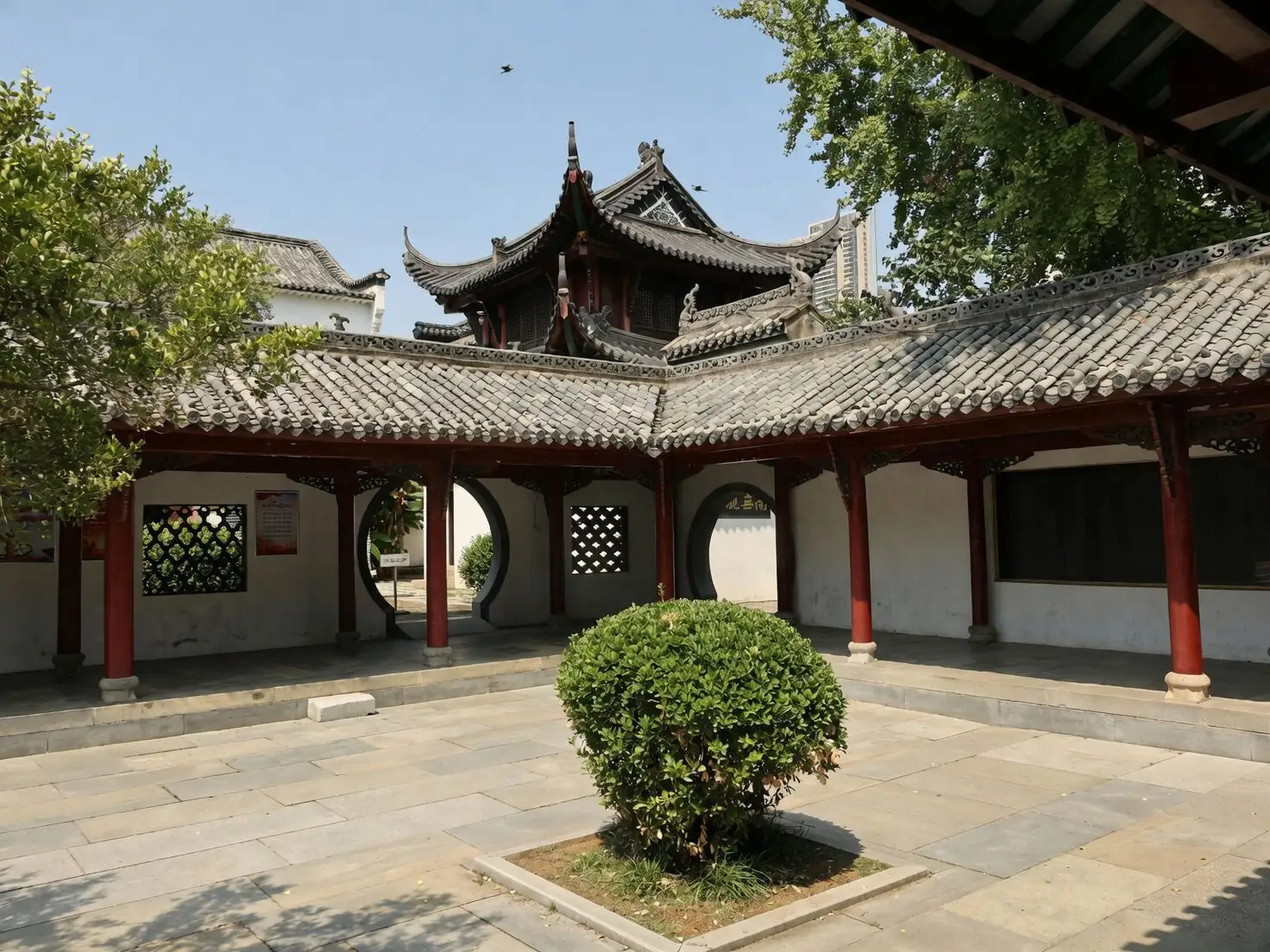
Hibiscus rosa-sinensis traces its beginnings to tropical Asia, where warmth, sun, and humidity shaped its glossy foliage and famously flamboyant blooms. Early cultivation—especially around South and East Asian homelands—earned it the epithet “rosa-sinensis,” or “rose of China,” and placed it in courtyards and temple gardens where a steady parade of flowers signaled cheer and prosperity. As the plant moved across the tropics and subtropics, it proved wonderfully adaptable: a bushy, many-branched shrub that responds eagerly to pruning and pinching, and a perfect candidate for containers in sunny spots.
Why “shoe flower”? A little street magic
In many parts of South and Southeast Asia, schoolchildren once learned a thrifty trick: crush a fresh hibiscus bloom and rub the petals on scuffed leather shoes. The flower’s mucilage left a quick, glossy sheen—instant polish, no tin required. That tiny act of everyday ingenuity earned the plant its enduring nickname, “Shoe Flower,” and cemented its place in local lore as both ornamental and useful.
Carried by monsoons and masts: the maritime spread
Imagine monsoon-season harbors centuries ago—dhows, junks, and later carracks heaped with spices, textiles, and…cuttings. Ornamental plants were prized cargo and conversation starters in new ports. Hibiscus rode with sailors and traders along:
- Indian Ocean routes linking the Indian subcontinent, Arabia, East Africa, and Southeast Asia
- South China Sea corridors connecting southern China and island Southeast Asia
- Later, European colonial circuits that ferried tropical ornamentals to the Caribbean and the Americas
In every new warm, frost-free stop, hibiscus rooted itself in verandas and village hedges. Gardeners selected and swapped plants that bloomed longer, branched better, and produced larger or frillier flowers—an early, informal breeding network powered by curiosity and delight.
From courtyard classic to cultivar superstar
Fast forward, and hibiscus transformed from a beloved shrub into a global collector’s passion. Breeders and enthusiasts in warm-climate hubs—across Asia, the Pacific, and the Americas—pushed the envelope on color, form, and size. Today, Chinese hibiscus dazzles with:
- Single or double blossoms, often with a dramatic central tube and contrasting eye
- Velvet reds, lacquered oranges, electric pinks, buttery yellows, near-chocolates, and painterly blends
- Ruffled, peony-like doubles for fullness and flair
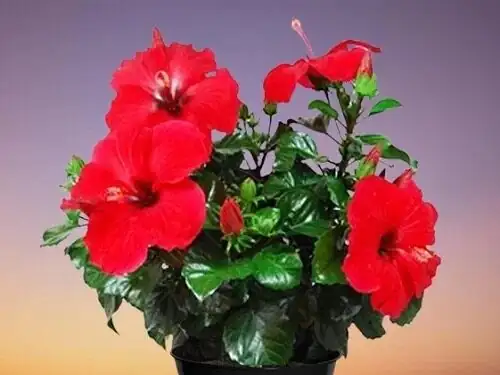
- Vigorous, branchy growth in containers with just a bit of pinching
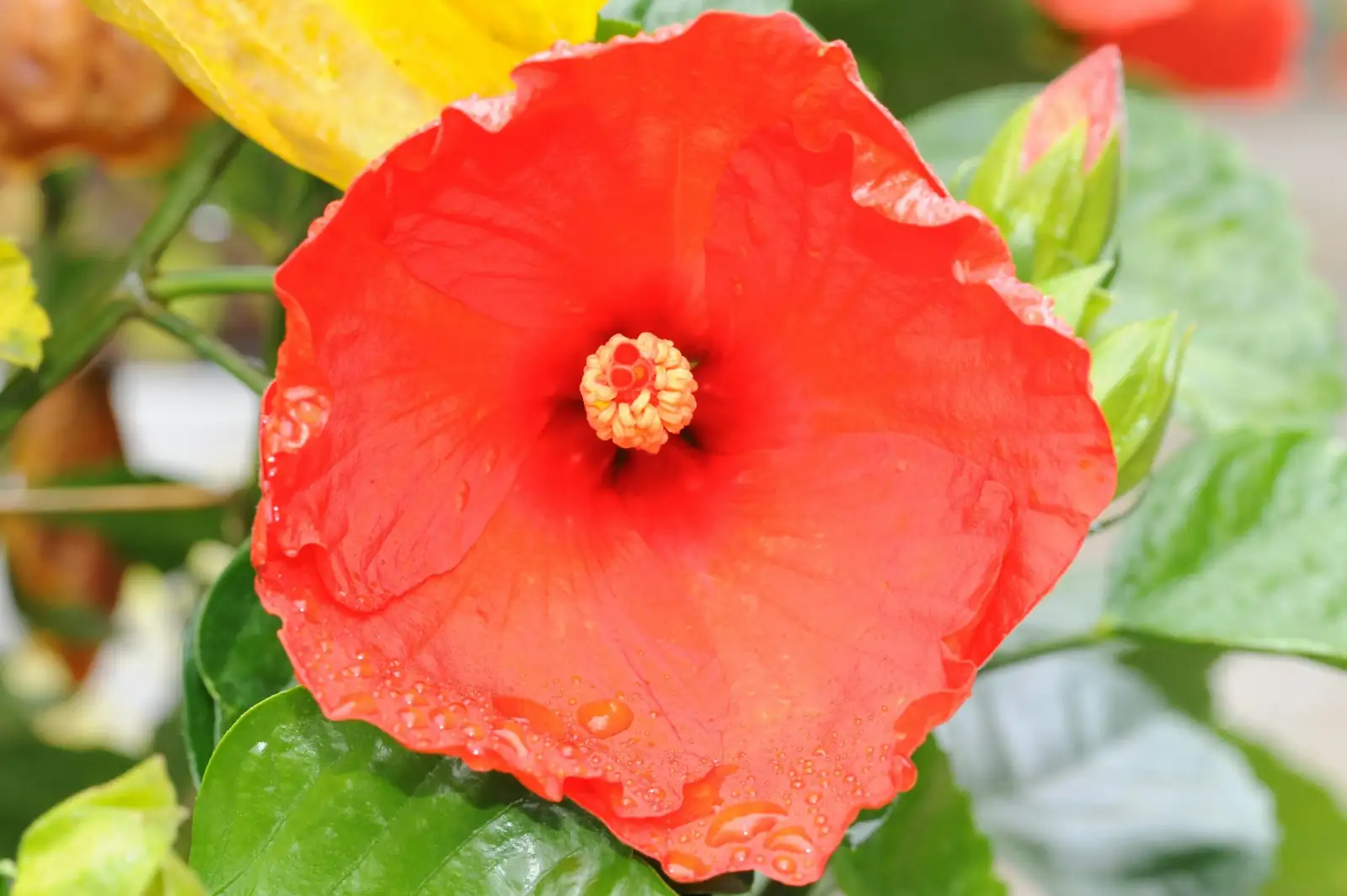
It’s no wonder nurseries sell it under many popular names—Tropical Hibiscus, Hawaiian Hibiscus, Rose of China—reflecting its global journey and the sheer variety now available.
How to grow the legend at home
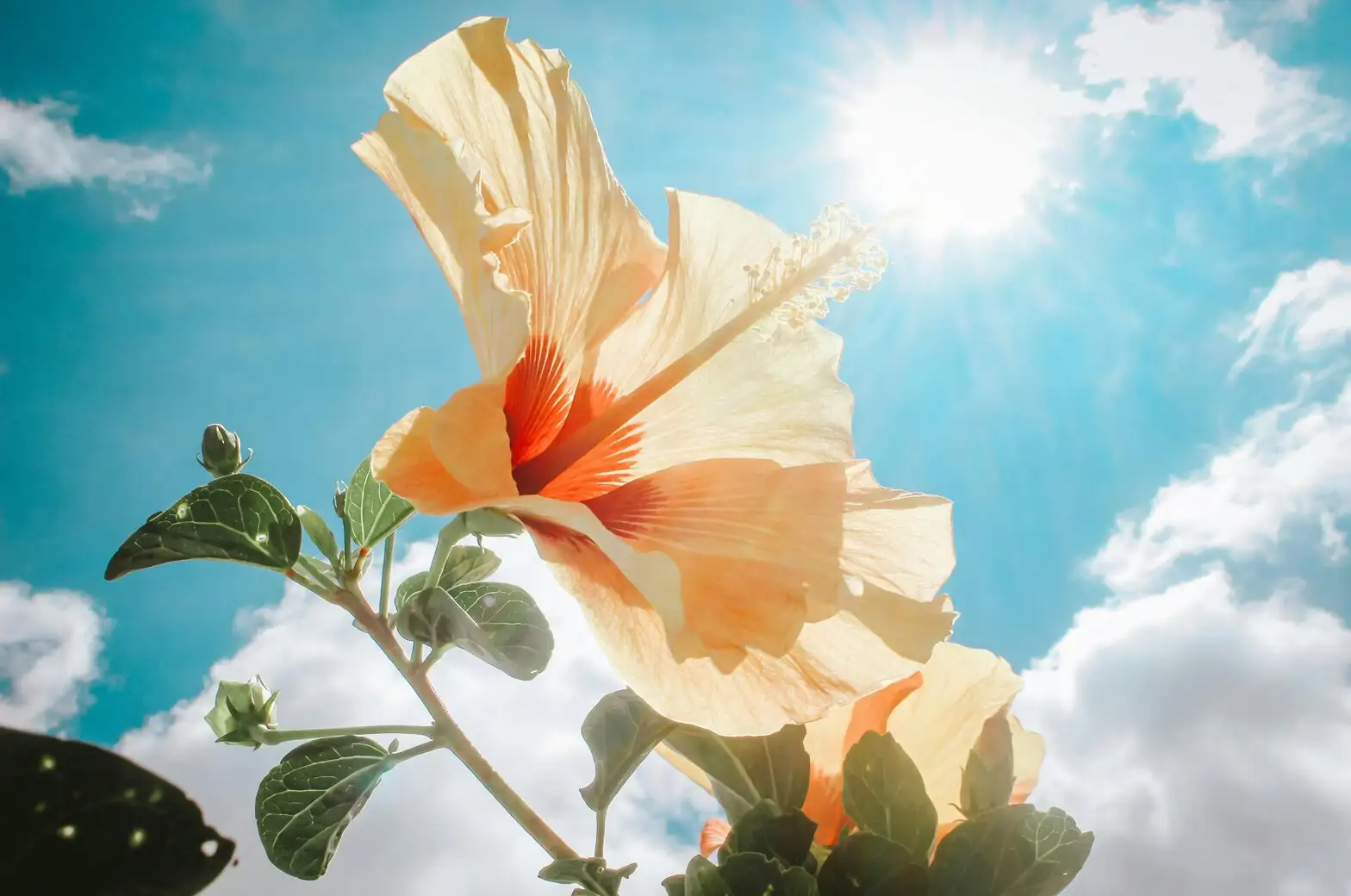
Chinese hibiscus is a sun-lover and a warmth-seeker. Meet those needs and you’ll be rewarded with bloom after bloom.
Light and placement
- Sunlight: Full sun for best flowering; light shade is okay, but deep shade means fewer blooms and leggy growth.
- Outdoors: Give it a sunny, airy spot in frost-free seasons.
- Indoors: Overwinter in the brightest window or a sunny room.
- Hardiness: Suited to reliably frost-free climates (roughly USDA Zone 10–12). Not frost-hardy.
Temperature and humidity
- Best range: 15–25°C (59–77°F).
- Keep above: 10°C (50°F) in winter.
- Alert: Leaves may yellow and drop around 5°C (41°F); frost below 0°C (32°F) can kill tender growth.
- Humidity: Prefers moderate to high humidity. In dry indoor air, use light, occasional misting or a humidity tray (avoid constantly wet leaves).
Soil and pots
- Mix: Rich, fertile, free-draining, slightly acidic.
- Container blend: Loam or garden soil + peat/coco medium + coarse sand or perlite for airflow and drainage.
- Container habit: Often kept around 50 cm (20 in) or less to encourage heavier blooming; a 15–20 cm (6–8 in) pot is typical.
- Pro tip: Pinch tips when the plant reaches about 20 cm (8 in) to promote branching and a flower-packed shape.
Watering rhythm (for container plants)
Aim for evenly moist, never waterlogged soil. Adjust for light, heat, and pot size.
- Spring: About 2× per week as growth resumes.
- Flowering period: About 3× per week in a sunny, well-ventilated spot.
- Peak summer bloom: Often every 2 days to keep moisture steady.
- After moving indoors in autumn: Reduce to about 2–3× per week; at 12–15°C (54–59°F), about 1× per week may suffice.
- Winter indoors: Bright light; water as needed (often 2–3× per week in warmer rooms). Avoid extremes of soggy or bone-dry soil.
Feeding (it’s a heavy feeder)
- Growing season: Fertilize every 2 weeks with a balanced-to-blooming formula (e.g., similar to 15-15-30).
- Autumn: Ease off to prevent soft, weak growth.
- Winter: Pause feeding.
Shaping and pruning
- Habit: A bushy, many-branched shrub that flowers best on fresh growth.
- Tip-pinching: Regularly pinch growing tips—especially at ~20 cm (8 in) tall—to keep the plant compact and blooming.
- After a flowering flush: Prune to stimulate new, flower-ready shoots.
Propagation and grafting
- Cuttings: Take soft tip cuttings about 10 cm (4 in) in warm, humid weather. Remove lower leaves, keep a few at the tip, and insert into clean sand or a very free-draining medium. Maintain 18–21°C (64–70°F) and high humidity. Rooting often takes 20–25 days; rooting hormone helps.
- Grafting: Common in spring or autumn, especially for double-flowered or hard-to-root cultivars. Single-flowered plants are frequently used as rootstock.
Repotting
- Timing: Yearly in spring.
- Method: Refresh the soil, and trim circling roots if necessary. Typical small specimens thrive in 15–20 cm (6–8 in) pots.
A simple year-round calendar
- Spring: Increase watering, restart feeding, and pinch tips to branch.
- Summer: Give maximum sun and steady moisture; watch for spider mites and scale in hot, dry spells.
- Autumn: Reduce fertilizer; move indoors before nights approach 10°C (50°F).
- Winter: Brightest light possible; keep above 10°C (50°F). Water sparingly but don’t let the root ball go bone-dry.
Pests, health, and safety
- Common pests: Aphids, spider mites, scale insects, and the occasional caterpillar. Manage with strong water rinses, horticultural soap/oil, or appropriate treatments.
- Leaf spot: Can cause heavy leaf drop. Improve airflow, avoid wetting foliage late in the day, and remove affected leaves.
- Toxicity: Generally considered non-toxic to people and pets. The sap can mildly irritate sensitive skin—discourage nibbling.
Flowering season at a glance
In warm climates and strong light, Chinese hibiscus can flower repeatedly from late summer to early winter—often with a near-continuous show through a long warm season. Indoors or in cooler, low-light settings, expect a shorter performance.
Choosing a plant
- Look for: A compact, sturdy specimen no taller than ~50 cm (20 in), with many branches and dense, glossy green leaves.
- Buds and blooms: Choose plants with plenty of buds and a few open flowers so you can confirm color and form.
Symbolism: cheerful prosperity, tenderness, and care
Across gifting traditions, hibiscus often signals a thriving home and buoyant good fortune—fitting for a shrub that seems to manufacture joy under the sun. Single-flowered forms are sometimes chosen to congratulate success and family flourishing. Double-flowered forms, lush and layered, can suggest tenderness and thoughtful romance. These meanings aren’t ancient canon so much as living custom: modern, warm-climate households adopting a bloom that brightens thresholds and brings company onto patios.
FAQ: Why are my flowers staying small?
- Most often: Not enough sun or not enough feeding during bud development.
- Fix: Move the plant to stronger light (full sun if possible) and fertilize about every 2 weeks in active growth with a bloom-supporting formula so buds can size up properly.
Fun to know
- Many cultivars can bloom repeatedly for months in warm, sunny conditions.
- The simplest trick for big impact is tip-pinching—turning a lanky plant into a compact, bloom-studded shrub in a single season.
The journey continues
From tropical Asia’s sea-laced trade routes to today’s sunlit balconies and frost-free borders, Hibiscus rosa-sinensis has made a home wherever warmth and wonder meet. Give it bright light, steady care, and just a little shaping—and it will repay you with flowers that look as if they were painted fresh each morning.