

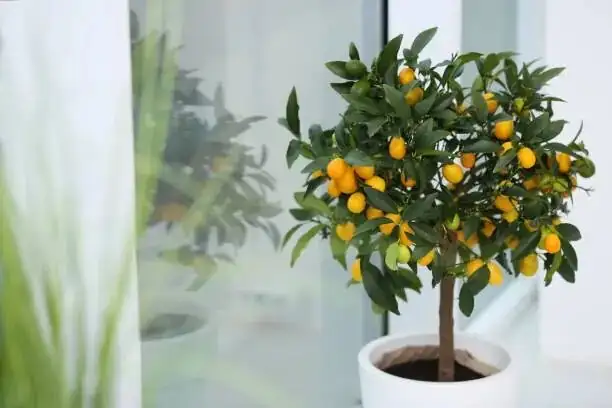
Imagine a miniature citrus tree wearing a thousand lanterns—each one a warm, golden-orange globe that seems to glow brighter as winter deepens. That’s Citrus japonica, the kumquat: a plant with deep Chinese roots, a passport stamped by a Victorian plant hunter, and a modern scientific name that tells a whole story in two words.
From golden hillsides to household treasure: native roots in China
Long before it charmed Western conservatories, the kumquat—known in Chinese as jinju (金橘, “golden orange”)—was cherished in China. Grown in courtyards and pots for centuries, it earned a home in seasonal flower markets because it does something few plants dare in the cold months: it blushes into color just as winter festivals begin. Its timing couldn’t be better—fruits typically color from autumn into mid-winter—so by Lunar New Year, a well-tended plant is dripping with gold.
- Origin: China
- Traditional use: festive potted citrus for brightening entryways, balconies, patios, and sunny windows
- Taste and tradition: the fruit is eaten whole—sweet, aromatic peel wrapped around tangy flesh, a perfect bite-sized celebration
The plant hunter who made his name (literally): Robert Fortune
In the mid-19th century, Scottish plant collector Robert Fortune traveled through China, sending living treasures back to Europe. In 1846, among tea and ornamentals, he introduced kumquats to the West. Later, the American botanist Walter T. Swingle honored Fortune’s role by giving kumquats their own genus: Fortunella. For decades, nursery labels and botany texts used that name.
You’ll still spot Fortunella on tags and in older books—sometimes even as Fortunella japonica—but in living rooms and botanic gardens alike, the fortune was sealed: the little gold-bearing shrub had arrived, and it sparkled under glasshouse lights all winter.
Why modern botany files it under Citrus japonica
Today, many references place kumquats squarely back in Citrus. Think of it as moving them from a separate “guest cottage” (Fortunella) to the main Citrus house, where they fit comfortably alongside oranges, lemons, and mandarins. The accepted modern treatment you’ll see widely used is Citrus japonica.
About that species epithet—japonica—don’t let it fool you. It reflects the early scientific description of plants seen in East Asia (often through Japanese-grown material), not the true center of origin. The kumquat’s native story begins in China, and its cultural heartbeat does, too.
- Current accepted name: Citrus japonica
- Older/alias names you may still encounter: Fortunella japonica, Nagami kumquat, Oval kumquat
How a citrus became a Lunar New Year icon
Stand in a Lunar New Year flower market and you’ll see why kumquats are synonymous with luck. The branches are studded with fruit like strings of coins. In Chinese culture, gold tones read as prosperity, and the very name “golden orange” doubles down on that meaning. Households place potted kumquats by the door or in bright corners to welcome wealth, brightness, and renewal.
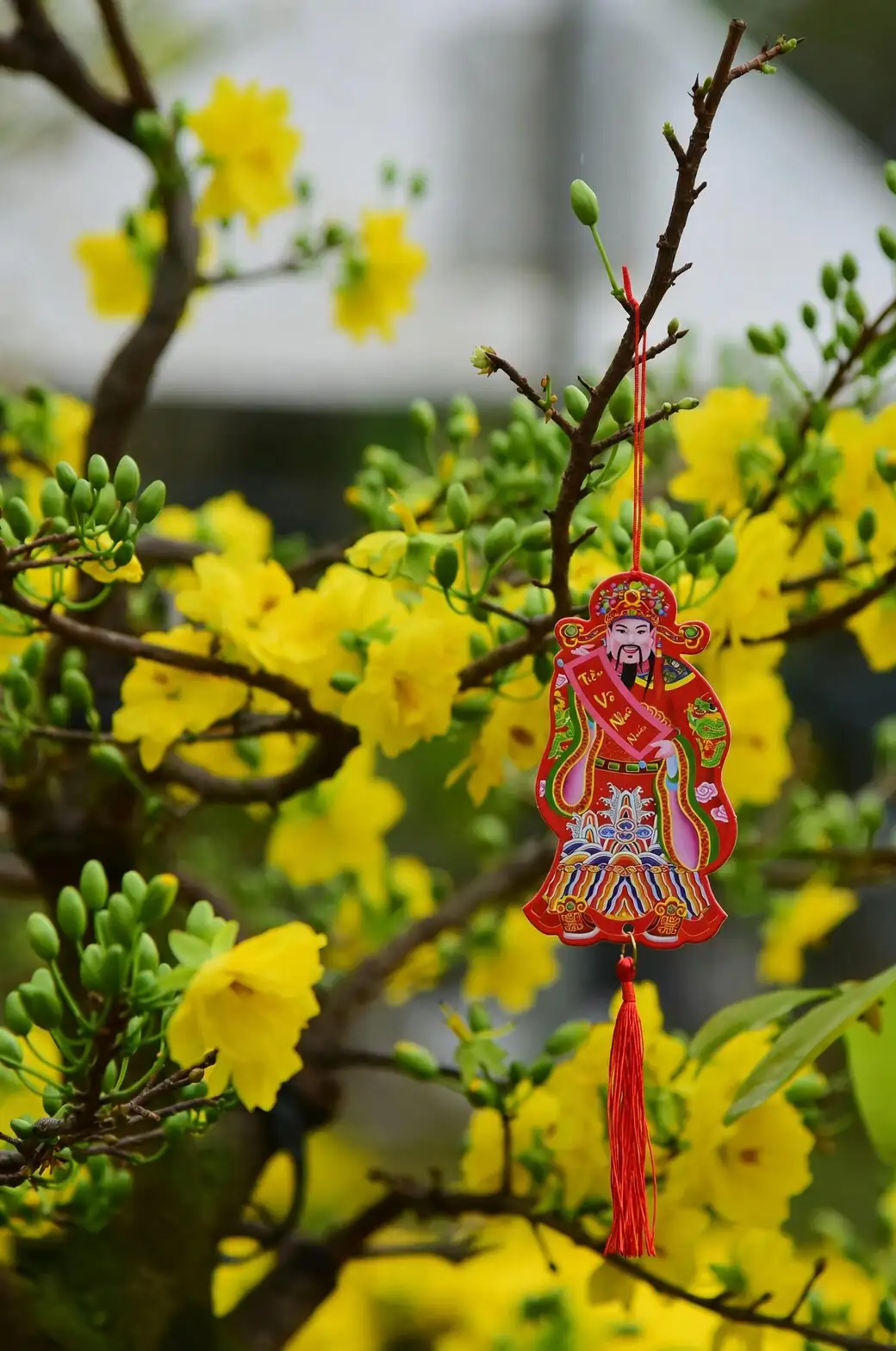
- Peak display: autumn–winter, often right into Lunar New Year
- Symbolism: clusters of golden fruit = prosperity, fortune, and abundance
- Practical magic: the tree is evergreen, compact, and glossy—so the foliage looks impeccable when the fruits arrive
A quick botanical portrait: small tree, big charisma
- Habit and size: a compact, evergreen shrub/small tree; 1–3 m (3–10 ft) in the ground, commonly kept 0.6–1.5 m (2–5 ft) in containers
- Leaves: dense, glossy, deep-green; a tidy, elegant crown that looks “dressed” year-round
- Flowers: small, starry white citrus blossoms with a sweet fragrance in spring–summer
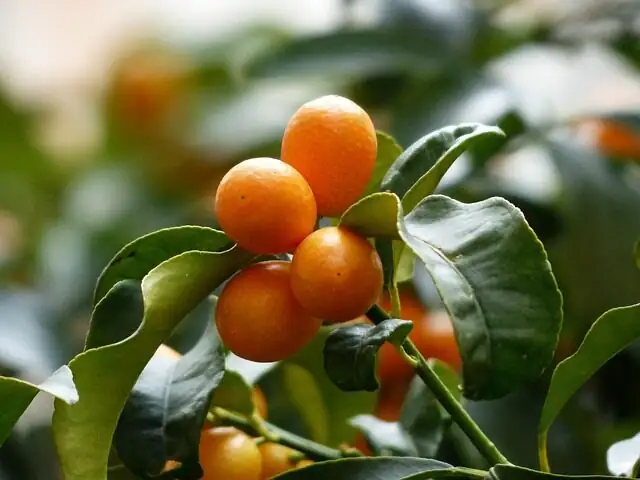
- Fruiting rhythm: blossoms lead to abundant oval kumquats that color from autumn into winter; fruits can persist beautifully through the holidays
- Best viewing: strong light makes foliage tight, fruits plentiful, and colors vivid
The art of a perfect holiday display (and a happy plant)
Bright fruit and steady leaf shine don’t happen by accident. Kumquats reward small, seasonal adjustments.
Light and placement
- Give bright light to full sun; a sunny east or south window is ideal.
- Outdoors (balcony/patio), provide strong sun with a dash of midday protection in very hot weather to prevent leaf or young-fruit scorch.
Temperature and humidity
- Best growth: 20–25°C (68–77°F).
- Winter minimum for potted plants: above 7°C (45°F). Brief dips below freezing can damage plants; in-ground specimens in sheltered sites might tolerate about -2°C (28°F), but protection is wise.
- Likes moderately humid air—indoor dryness can stress flowers and fruit, so misting or a humidity tray helps.
Watering (the secret to holding fruit)
- Keep soil evenly moist in active growth; never waterlog, never bone-dry.
- During the fruit display, avoid dramatic swings between wet and dry—this is the classic trigger for fruit drop.
- A grower’s trick: in early summer, a short, controlled dry-down helps halt soft, leafy growth and nudges the plant toward flower-bud formation. Once buds swell and pale slightly, resume normal watering.
Soil and potting
- Use a fertile, free-draining citrus mix—loam or compost with peat/coir and coarse sand for airflow.
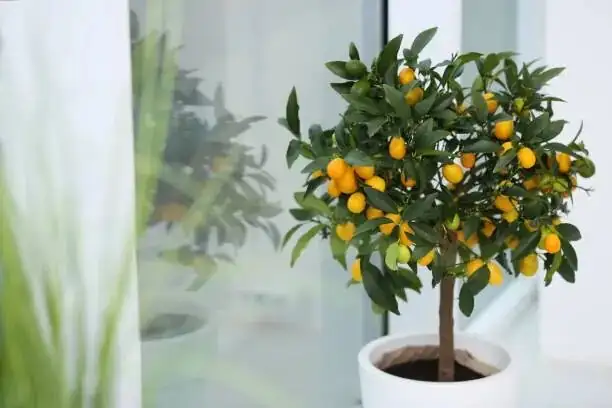
- Display plants often sit in 20–25 cm (8–10 in) pots. Step up only when needed; oversized pots stay wet too long.
Feeding for flowers and fruit
- Begin feeding as buds break and new shoots start—about every 2 weeks.
- Late summer to early autumn: give a stronger pre-bloom feed.
- As fruits size up: feed roughly every 10 days, favoring higher phosphorus and potassium.
- Stop feeding when fruits fully color and begin to ripen.
Pruning and training
- Early spring: prune before the main flush. Maintain ~3 strong framework branches.
- On each framework branch, keep 3–4 plump buds near the base to push sturdy, fruitful growth.
- Pinch new shoots at ~20 cm (8 in), then again after 5–6 leaves to encourage branching and fruiting wood.
- Remove dead, weak, or late-season “energy-sapping” shoots promptly.
Repotting rhythm
- Repot every ~2 years, ideally after the holiday display.
- Early spring: remove lingering fruits, then repot into fresh, airy mix.
- If you’ve recently grafted, keep the root ball intact to minimize stress.
Pollination
- Outdoors, natural pollinators usually suffice. Indoors, a light hand-pollination during bloom can improve fruit set.
Choosing a plant that will shine through the festival
- Look for a balanced, well-shaped specimen with evenly distributed, brightly colored fruits.
- Skip plants that look freshly potted in loose, pristine mix; they often shed leaves and fruit after purchase and won’t hold their display as long.
How to enjoy the fruit
- Eat whole: the peel is sweet and fragrant, the flesh brightly tangy—together they’re perfectly balanced.
- Kitchen ideas: candy them, make marmalade or preserves, or slice into salads and glazes for a citrusy sparkle.

Health, safety, and common hiccups
- Pests: watch for spider mites and scale. Treat early with horticultural oil or insecticidal soap; repeat as needed.
- Diseases: citrus canker and citrus scab can appear—good airflow, clean foliage, and avoiding late-day leaf wetting help. Where permitted, copper-based preventives are traditional; otherwise, use labeled fungicides as directed.
- Toxicity: generally non-toxic in household settings, and fruits are edible. Citrus oils can mildly irritate sensitive skin; pets that chew foliage/peels may get an upset stomach.
Why kumquats “keep New Year” so well
- Seasonal timing: spring–summer flowers + autumn–winter color means you get peak fruit when days are short and festivities begin.
- Container charisma: kumquats excel in pots, so they can be moved to the brightest spot exactly when you want a show.
- Evergreen polish: glossy leaves frame the fruit like lacquered greenery—visual richness without fuss.
Flower language and symbolism (花语): more than a pretty proverb
Unlike the Victorian “language of flowers,” kumquat symbolism grows from East Asian cultural logic—color, season, and wordplay.
- Name and color: jin (金) means gold; the fruit looks like little ingots, a visual metaphor for wealth.
- Seasonality: just when families gather and set intentions for the new year, kumquats ripen—a natural alignment between plant biology and cultural ritual.
- Deeper meaning: beyond “get rich,” kumquats signal continuity, industrious care, and shared abundance—the plant that you watered and pruned all year now pays it forward in gold.
Quick-start calendar
- Autumn–winter (main display): maximize light; keep watering steady; protect from cold and drafts; avoid dry/wet swings to prevent fruit drop.
- Early spring: remove remaining fruits, prune, and repot if needed.
- Spring: resume feeding every ~2 weeks; pinch for shape.
- Early summer: brief, controlled dry-down to spark flower-bud formation; return to normal watering as buds swell.
- Late summer–early autumn: pre-bloom feeding; then higher P/K as fruits size; stop feeding at full color.
A living heirloom of luck—and a modern citrus classic
From Chinese courtyards to Victorian conservatories, and now windowsills and balconies around the world, Citrus japonica has worn many names—kumquat, Fortunella, Nagami—but always the same expression: bright, fragrant, generous. Its modern identity under Citrus japonica simply reflects where the science has landed. Its place at Lunar New Year reflects something older and steadier: a shared belief that care and patience can ripen into abundance. Place a pot by the door, and watch the little suns rise.