

Unveiling the Journey of Platycodon grandiflorus: From East Asian Origins to Garden Glory
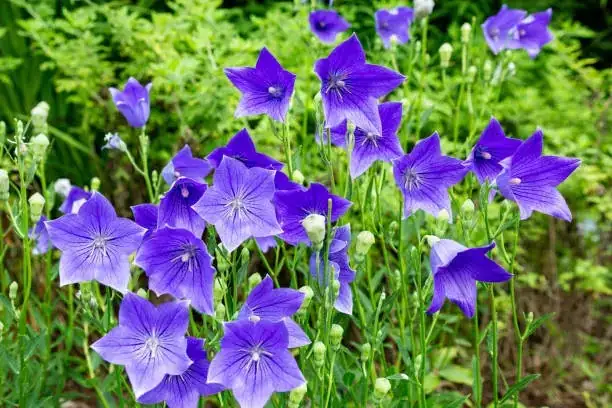
Imagine a garden where flowers are not just blooms but stories waiting to be discovered. Enter Platycodon grandiflorus, or as it’s affectionately known, the Balloon Flower. With its unique balloon-like buds that burst into starry blooms, this plant is a cherished gem in gardens worldwide. But what makes it so special? Let’s uncover the rich tapestry of history, culture, and horticultural charm that surrounds this fascinating plant.
A Journey Through Time: The Origins and Cultural Significance
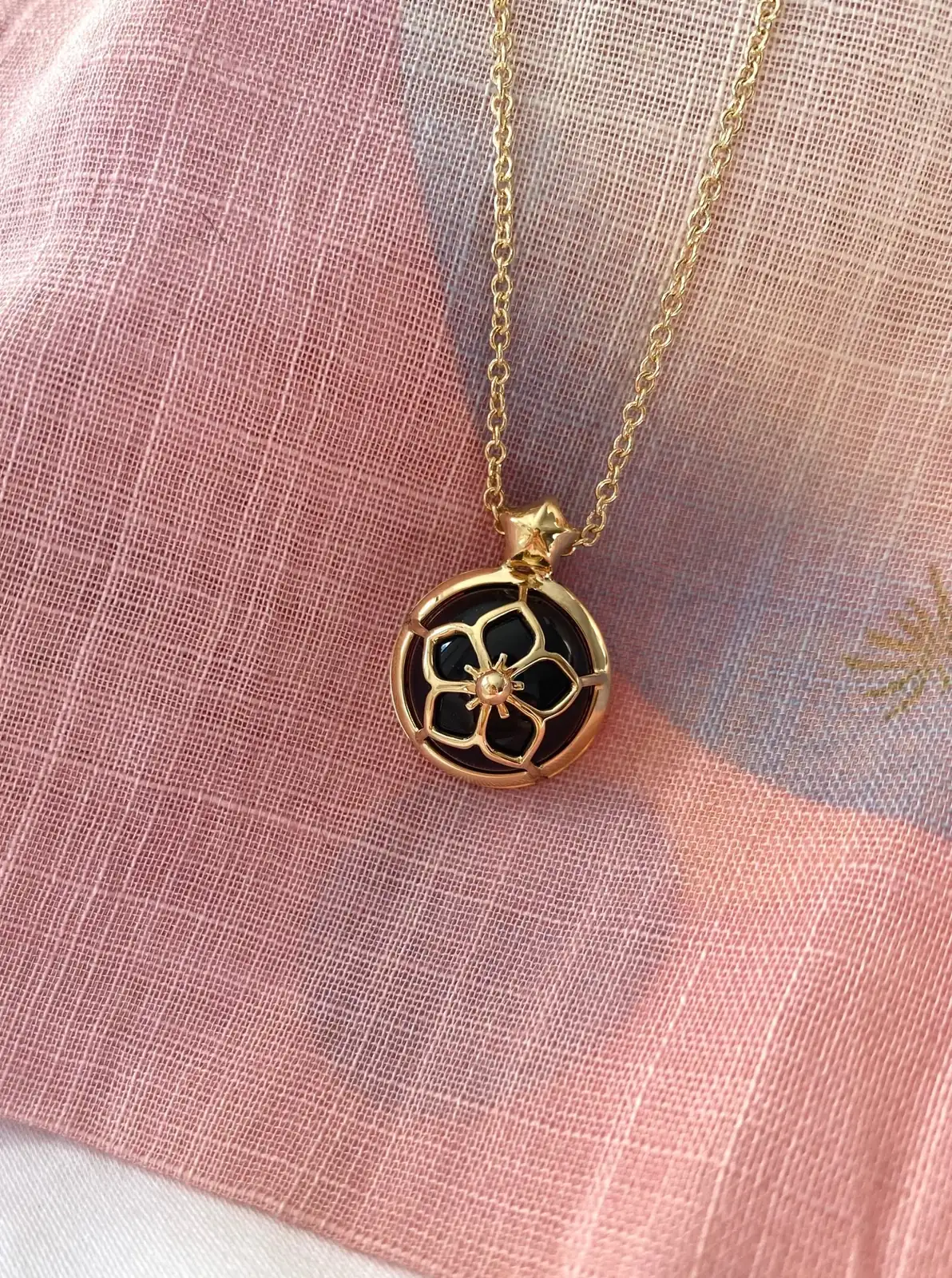
Platycodon grandiflorus is native to the mystical landscapes of East Asia, including China, Korea, Japan, and the Russian Far East. Its presence in these regions is not just botanical but deeply cultural. Imagine a time when these blooms symbolized steadfast devotion and enduring love. In Japan, the five-pointed star shape of the Balloon Flower was so revered that it graced the crests of samurai families, including the famous Abe no Seimei.
In China, this plant’s roots run deep into the annals of traditional medicine. Used for thousands of years, the thick, fleshy root of Platycodon was believed to treat ailments ranging from respiratory issues to inflammation. Meanwhile, in Korea, the root finds a place not only in medicine but also in culinary traditions, adding a unique flavor to various dishes.
The Botanical Marvel: A Detailed Look at Platycodon grandiflorus
Physical Features
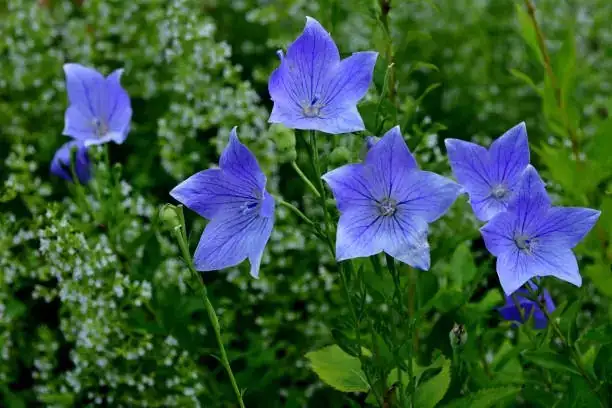
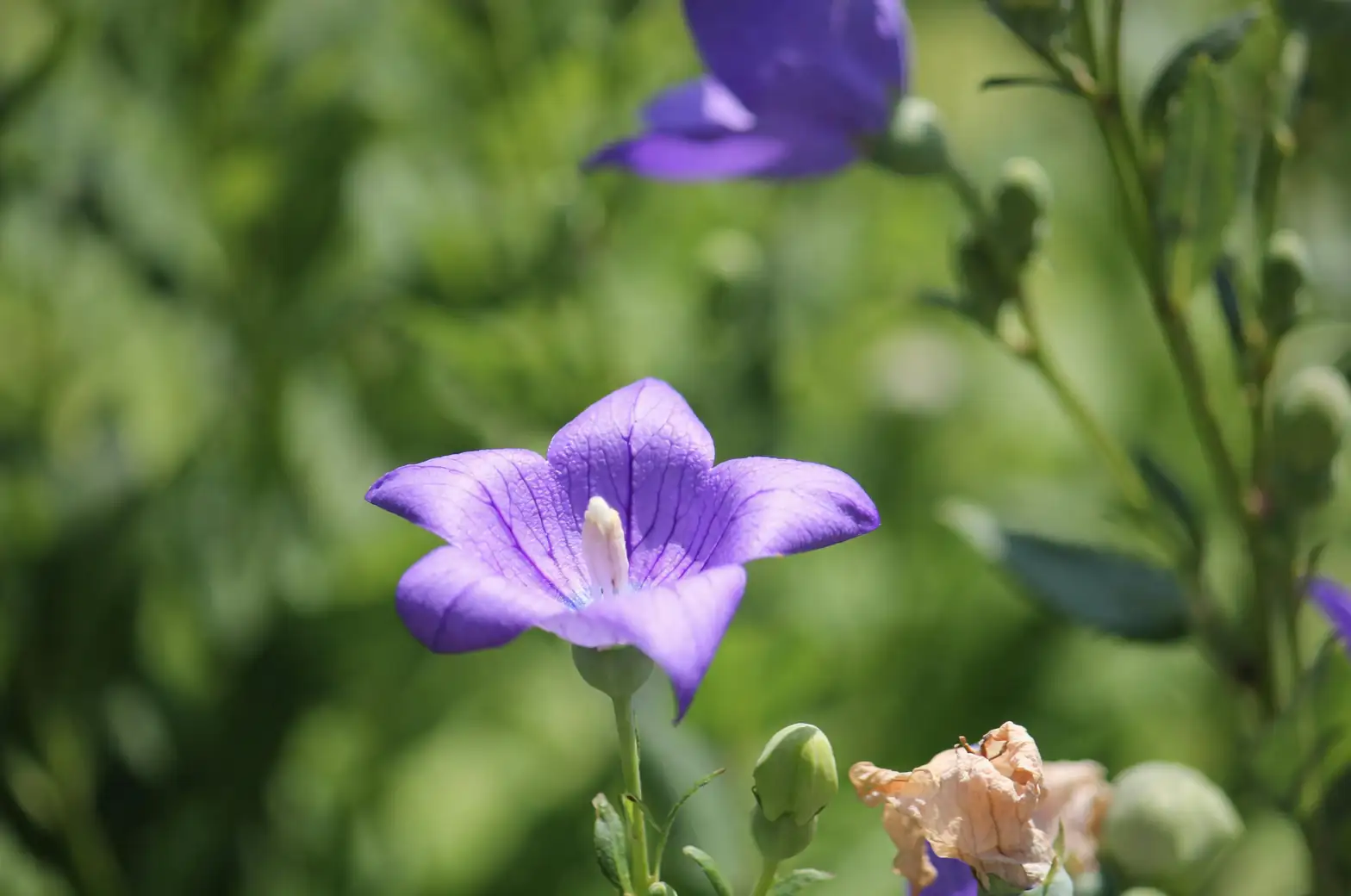
Standing at 30 to 80 cm tall, the Balloon Flower is not just about beauty but resilience. Its leaves are a lush green with a hint of white beneath, and they frame the plant with an elegant simplicity. But the true spectacle lies in its flowering. Each bud, like a bubble ready to burst, swells before opening into a crisp, five-pointed star, most often in a mesmerizing blue-violet hue, though white and pink varieties are equally enchanting.
Growing Habits
This perennial is a gardener’s dream. Hardy and undemanding, it thrives in well-drained, loamy soil under full sun to partial shade. Its deep taproot, a natural reservoir against drought, makes it a robust choice for various climates. While it revels in cool to moderate temperatures, it can withstand the harshness of winter, enduring lows down to -29°C.
Cultivation and Care: Tips for the Aspiring Gardener
Cultivating Platycodon grandiflorus is a rewarding endeavor. Here’s how you can bring a touch of East Asia to your garden:
- Planting: Choose a sunny spot with rich, well-drained soil. If starting from seed, sow them in spring after the last frost.
- Watering: Keep the soil evenly moist during the plant’s early stages. Once established, it becomes fairly drought-tolerant, but avoid waterlogged conditions.
- Feeding: Incorporate compost at planting and use a balanced fertilizer during the growing season if aiming for maximum blooms.
- Pruning: Regular deadheading encourages more flowers. If the stems become too tall, cutting them back by half in late spring can promote bushier growth.
The Balloon Flower in Modern Gardens
Today, Platycodon grandiflorus is a beloved feature in modern gardens around the globe. Its unique blooms and hardy nature make it a favorite for borders, rock gardens, and even containers. Whether you’re a seasoned gardener or a novice, the Balloon Flower offers a delightful blend of beauty and history.
Beyond the Garden: Symbolism and Cultural Echoes
The Balloon Flower is not just a plant; it’s a narrative woven into East Asian culture. Its symbolism of honest feelings and enduring love resonates deeply, often carrying a bittersweet note of love that waits or remains just out of reach. In Japan, its star shape is auspicious, linked to concepts like the five senses or elements, enriching its cultural tapestry.
Fun Facts and FAQs
- Why do the buds look like balloons? Before the petals unfold, the bud swells into a rounded shape as the flower tissues expand, creating its signature balloon appearance.
- Are the roots edible? Yes, but they must be properly prepared and cooked to avoid irritation or toxicity.
In conclusion, Platycodon grandiflorus is more than just a plant; it’s a bridge between gardens and the rich traditions of East Asia. Its journey from cultural symbol to garden staple is a testament to its enduring allure. So, the next time you see those balloon-like buds, remember the legends, the history, and the beauty that they carry.


