

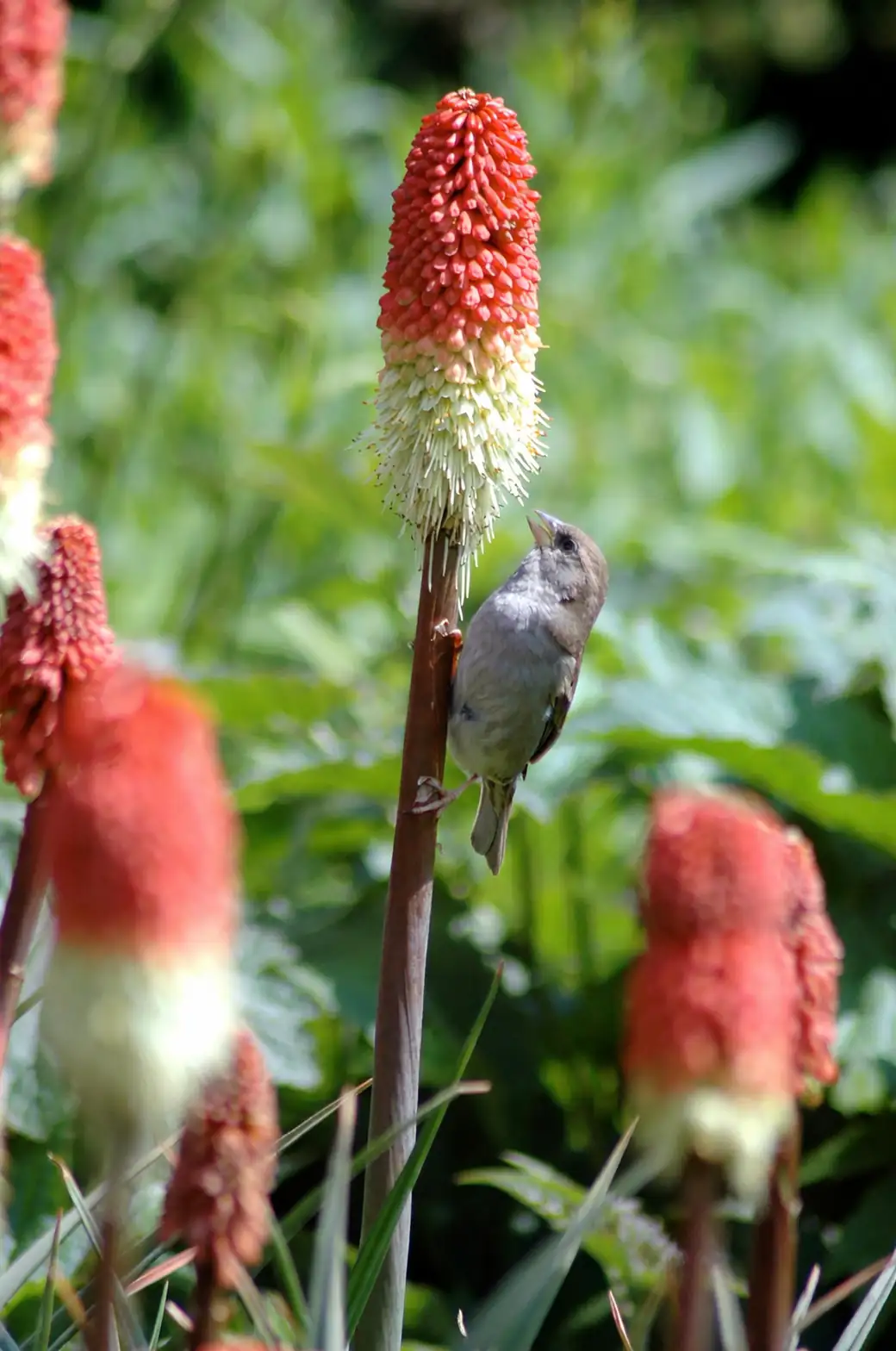
Picture a flame tipped with sunrise colors, rising out of tough, grassy leaves and shimmering with nectar. That’s Kniphofia uvaria, the Red Hot Poker—born in the sun-struck landscapes of South Africa and thrust into fame on 19th‑century European borders. Its story is one of bright color, bold form, and an irresistible pull on gardeners and pollinators alike.
Where the fire started: South African origins
Kniphofia uvaria is native to eastern and southern Africa, with a particular stronghold in South Africa. Here, in open, sunlit grasslands and along well‑drained slopes and seeps, it evolved what gardeners now covet:
- Tall, upright “torch” spikes crammed with tubular flowers
- Narrow, sword-like leaves that form dense, fountain-like clumps
- A nectar bounty that draws bees, butterflies, and—where they live—nectar-loving birds
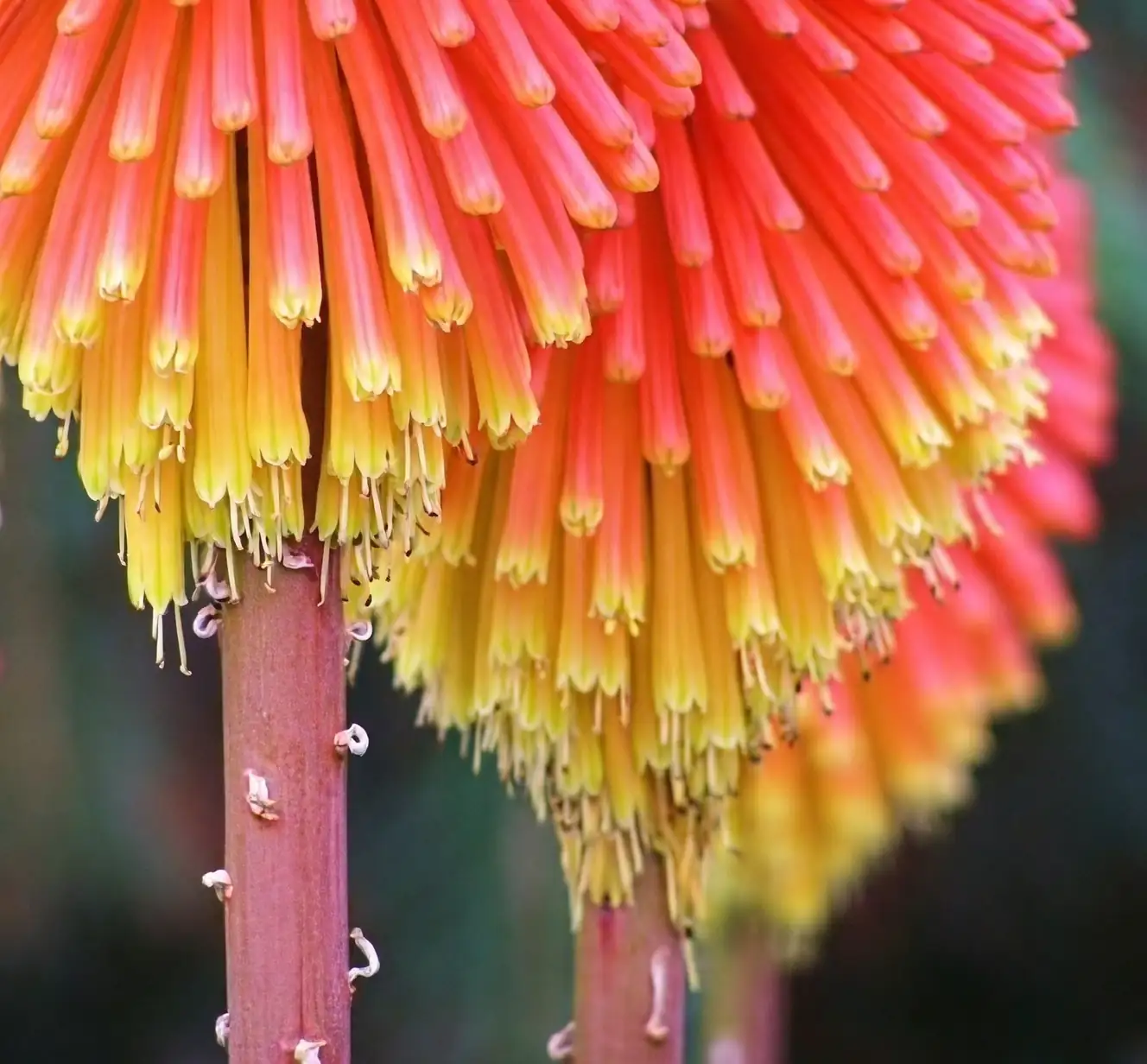
Every spike opens from the bottom upward, creating a living ombré that can sweep from fiery red and orange to apricot, peach, yellow, chartreuse, and creamy near‑white as the bloom ages. In its homeland, the genus Kniphofia is part of a broader African tapestry—one reason its glow feels so elemental and sun-forward in gardens around the world.
How it got its name (and its many nicknames)
- The genus name honors Johann Hieronymus Kniphof (1704–1763), a German physician‑botanist whose legacy is etched into every “Kniphofia” label.
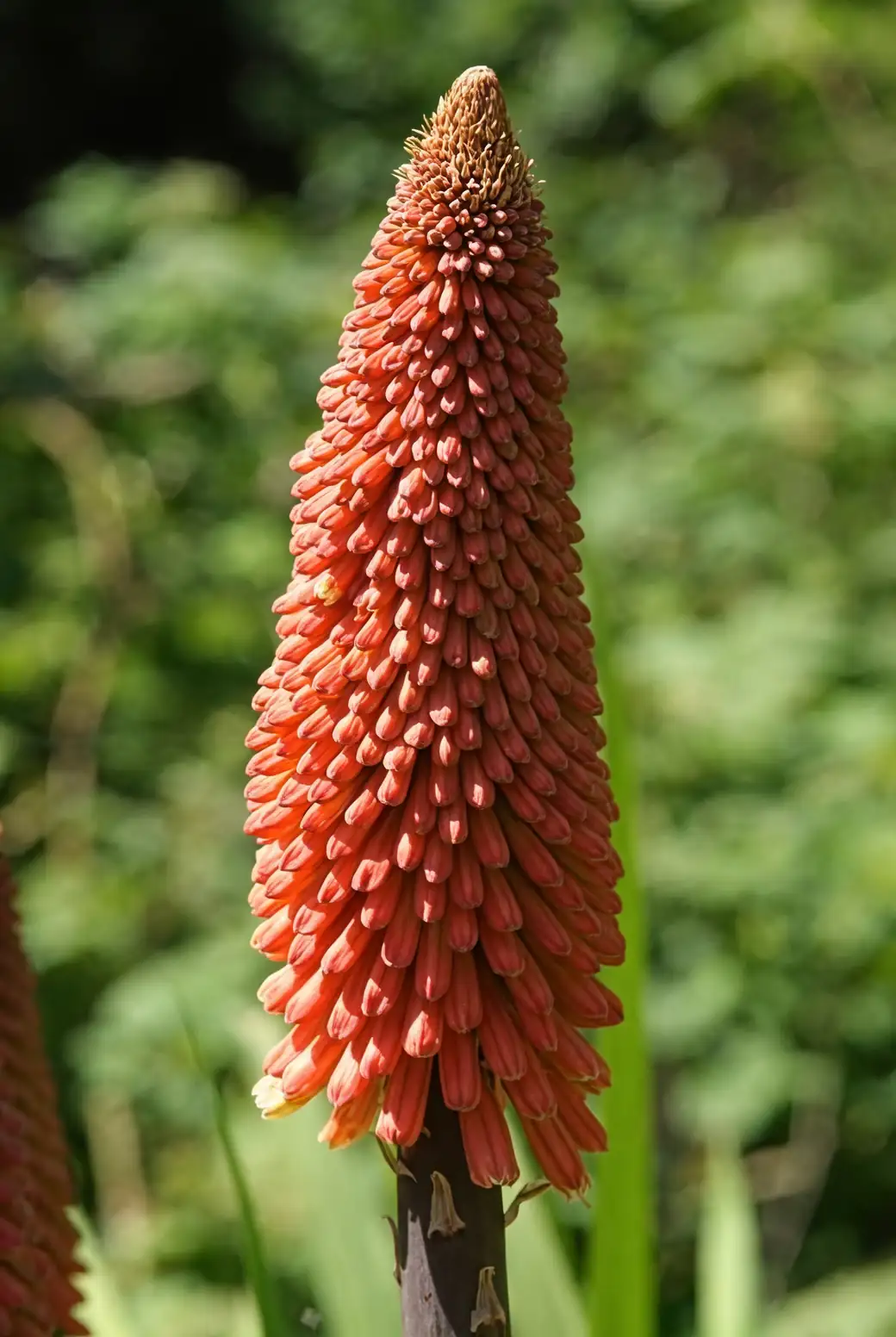
- The specific epithet uvaria means “like a bunch of grapes,” a nod to the densely packed florets on each spike.
- Common names—Red Hot Poker, Torch Lily, Poker Plant, and the older “Tritoma”—speak to both its look and its botanic backstory. Tritoma was once used as a genus name; gardeners still use it fondly.
Though often called a “lily,” Kniphofia uvaria belongs to the Asphodelaceae family. It’s no true lily—just as dramatic.
Passage to Europe: a 19th‑century star is born
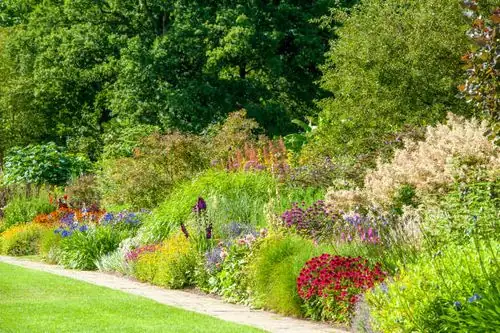
The 1800s were an age of plant fever. As ships ferried botanical treasures north, Kniphofia uvaria landed in European horticulture and exploded onto the scene. Its silhouette—spiky leaves at the base, vertical torches above—fit perfectly into the emerging herbaceous borders of the Victorian and later Edwardian eras. Gardeners prized it for:
- Big summer color and height without fuss
- Reliable performance in sunny, well‑drained beds
- Long-lasting displays thanks to bottom‑to‑top flowering
From estate borders to cottage‑style plantings, the poker became a bold exclamation point—an instant way to “wake up” a planting scheme.
From “new exotic” to global favorite
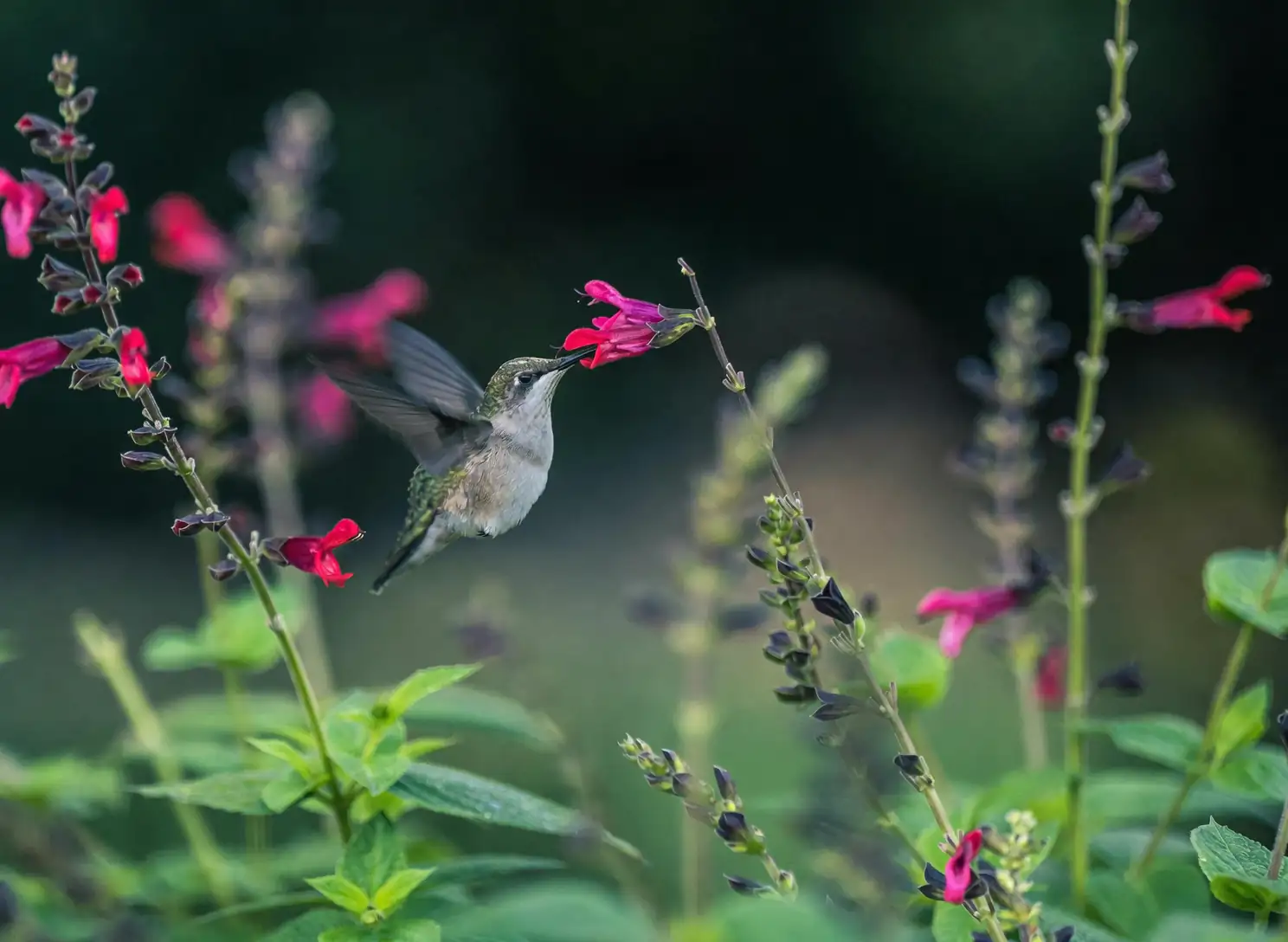
Once established in Europe, Red Hot Poker leapt across oceans into American and Australasian gardens, where hummingbirds and other pollinators learned to adore it. Its global success rides on practical virtues as much as glamour:
- Sun lover: thrives with about 6–8 hours of direct light
- Drought tolerance once established (without sacrificing bloom if moisture is steady)
- Salt tolerance that makes it a natural for coastal gardens
- Hardiness commonly in USDA Zones 5–9, with winter protection in colder areas
- Apt for borders, mixed beds, sunny slopes, waterside spots with sharp drainage, and containers (especially dwarf forms)
Today, breeders and gardeners revel in a rainbow far beyond “red hot.” You’ll find apricot, peach, lemon, chartreuse, coral, cream, and near‑white selections in a spectrum of sizes.
Anatomy of a garden “torch”
- Height and spread: typically 60–180 cm (2–6 ft) tall, 30–90 cm (1–3 ft) wide; dwarf forms often 45–60 cm (18–24 in)
- Foliage: narrow, stiff, sword-like leaves; evergreen to semi‑evergreen in milder climates
- Flowers: dense, bottlebrush-like clusters with roughly 100–300+ tubular florets per spike; open in sequence from bottom to top, often changing color as they mature
- Season: early summer through fall (often June–October, depending on climate and variety), with some reblooming if deadheaded
Designing with Red Hot Poker: instant drama, real rhythm
- Create vertical accents: thread pokers among mounded perennials to punctuate a border.
- Play the ombré: stage apricot-to-cream cultivars for a soft sunset effect, or go full flame with reds and oranges.
- Partner plants: pair with ornamental grasses, salvias, agapanthus, echinaceas, and drought-tolerant Mediterranean herbs.
- Wildlife welcome: site them where you can watch the pollinator parade.
Grow the legend at home
Give Kniphofia uvaria what it loves, and it will repay you with weeks (even months) of color.
- Sun and site
- Full sun is best. In very hot regions, a touch of afternoon shade can ease stress.
- Excellent drainage is non‑negotiable; raised beds or slopes are ideal if soil is heavy.
- Soil and water
- Well‑drained, moderately rich soil with compost is perfect; pH around 6.0–7.5 is suitable.
- Water regularly during establishment and active growth—about 2.5 cm (1 in) per week, adjusted for heat and rainfall. Avoid soggy crowns.
- Feeding
- Often minimal: a spring top‑dress of compost usually suffices.
- If needed, a balanced slow‑release fertilizer in spring; avoid heavy nitrogen (it feeds leaves, not flowers).
- Pruning and winter care
- Deadhead spent spikes to tidy and, in reblooming types, to encourage a second act.
- In colder zones (especially 5–6): leave foliage standing over winter, mulch with dry material, and consider loosely tying leaves to form a canopy that keeps water off the crown.
- Division and propagation
- Divide every few years in early spring or in fall after flowering to maintain vigor.
- Replant divisions shallowly; don’t bury the crown deeply (generally no more than about 7.5 cm / 3 in).
- Seed is possible, but many garden forms are hybrids and may not come true.
- Pests, diseases, and safety
- Generally trouble‑free in sun and sharp drainage.
- Watch for thrips, aphids on fresh growth, and slugs/snails; the main disease risk is crown/root rot in wet conditions.
- Generally considered non‑toxic to people and pets; nibbling can still cause mild stomach upset in sensitive individuals.
Why it keeps spreading: the pollinator passport
In Africa, nectar‑feeding birds and insects flock to Kniphofia’s sugar-rich blooms. In the New World, hummingbirds often stake a claim, and bees work the spikes methodically from low to high as flowers open. Because the plant can flower over a long window, it acts like a colorful fueling station, helping pollinators bridge summer into fall.
Symbolism, folklore, and “flower language”
Red Hot Poker is often linked with passion, strength, confidence, and the idea of “standing out”—fitting for a plant that looks like a lit torch. In various bits of folklore, fiery colors are associated with protection and warding off negativity. As for flower language, most of these meanings are modern, garden-culture interpretations rather than rooted in a single historical tradition; think of them as poetic lenses that celebrate what the plant already expresses through presence and color.
Cut flowers and practical magic
- As cut flowers, spikes last about 5–7 days if cut when lower florets begin to open.
- For containers, choose dwarf varieties and a pot with excellent drainage (at least about 22 cm / 9 in wide), and divide or repot every 2–3 years.
A quick 200‑year arc
- 1794: The genus Kniphofia is formally described and named.
- 1800s: Red Hot Poker surges into European cultivation; becomes a border staple.
- 20th century onward: Breeders expand colors and sizes; the poker secures a global fanbase.
- Today: A must‑grow vertical accent for drought-aware, pollinator‑rich gardens from coastal plots to cottage borders.
Did you know?
- A single spike can carry 300+ tubular flowers that open in sequence, stretching bloom time.
- Many cultivars shift color as they mature, producing natural ombré from tip to base.
- The nectar can be so abundant that blooms may bead with “dew” on cool mornings.
- There are about 70 species in the genus Kniphofia, and many garden favorites are hybrids.
- Its salt tolerance makes it a standout for seaside plantings.
From South Africa’s sun-washed hillsides to the prim lines of 19th‑century European borders—and now to water-wise, wildlife-friendly gardens worldwide—Kniphofia uvaria has stayed true to its origin story: a plant that carries its own light. Plant it where it can blaze, and let the border tell the tale.


