
On a winter windowsill, a crimson star lifts itself above dark green leaves, as if the holidays had pooled their color in one living flare. How did a warm-weather shrub from the hills of southern Mexico become the emblem of December? The journey of Euphorbia pulcherrima Willd.—the poinsettia—is a tale braided from Indigenous knowledge, missionary pageantry, a diplomat’s curiosity, and a folk legend about a girl named Pepita whose humble gift changed everything.
Cuetlaxochitl: The Aztec “Most Beautiful” Plant
Long before the plant’s English name, the Aztecs knew it as cuetlaxochitl—cultivated, valued, and woven into daily and ceremonial life. They drew deep red and purple dyes from its bracts and used the plant’s milky latex sap in traditional remedies. Even its very presence felt storied: a shrub of warmth and light that answers winter not with retreat, but with color.
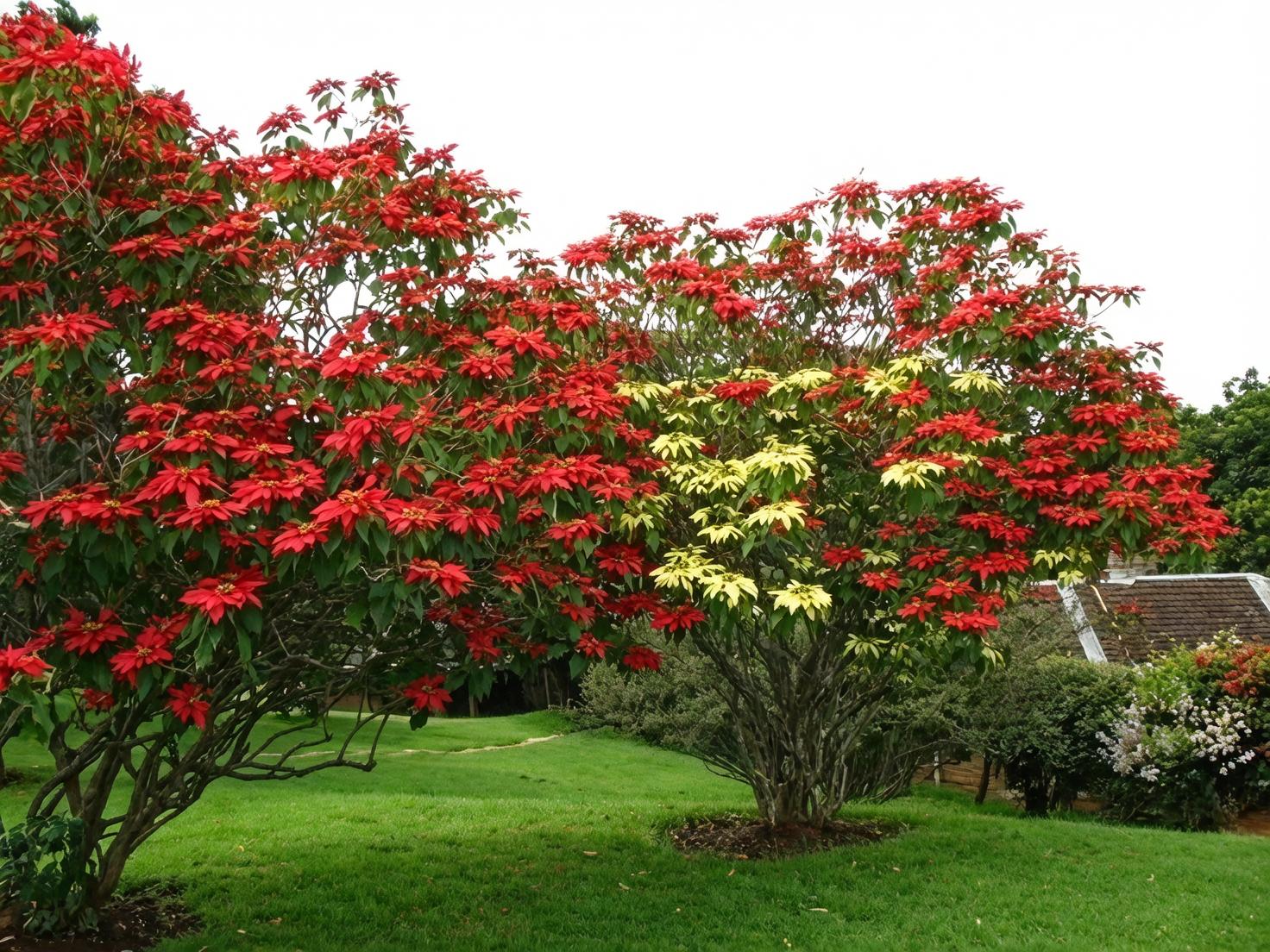
The plant that blooms with the night
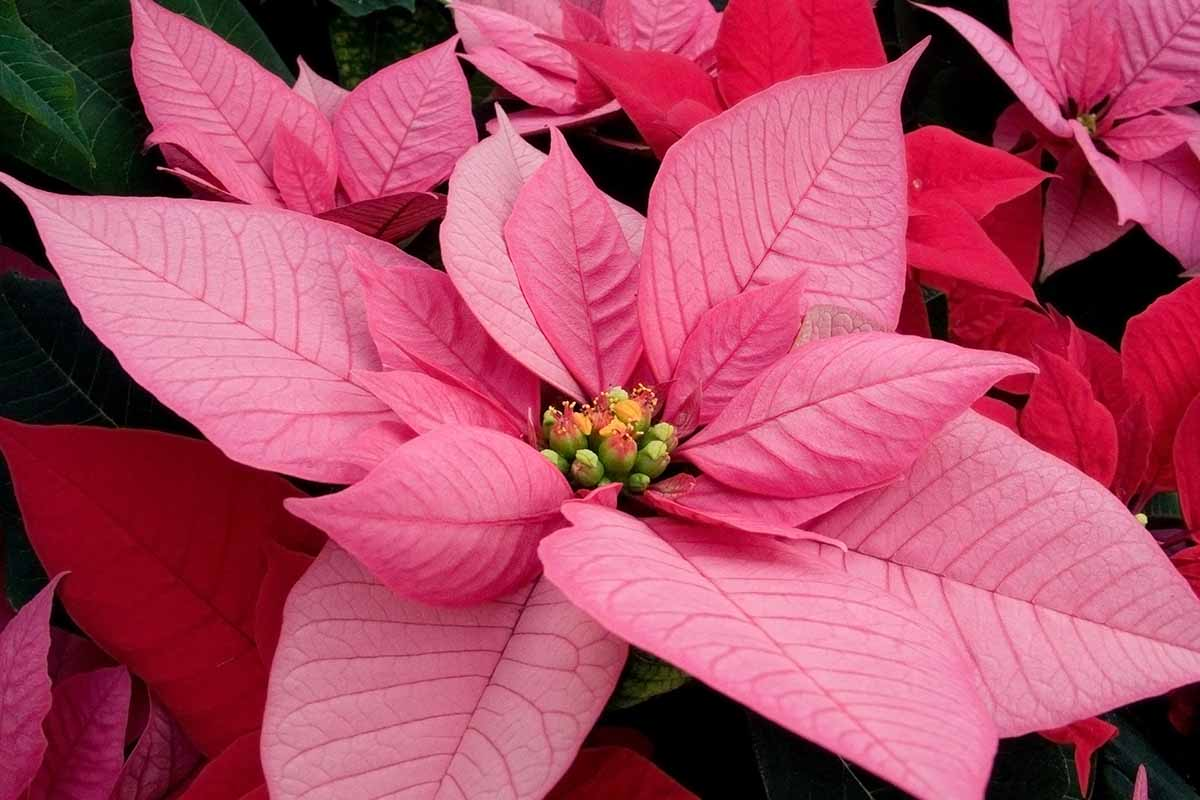
Here’s the botanical secret behind its “holiday timing”: poinsettia is a classic long-night (short-day) plant. As autumn nights lengthen, signals inside the plant flip, and the upper leaves—bracts—turn brilliant red, pink, or white, encircling tiny yellow-green flowers called cyathia. In its native range around Taxco in southern Mexico, this transformation peaks in December, setting the stage for a seasonal symbolism that would span continents.
From Taxco’s Hills to Christmas Altars
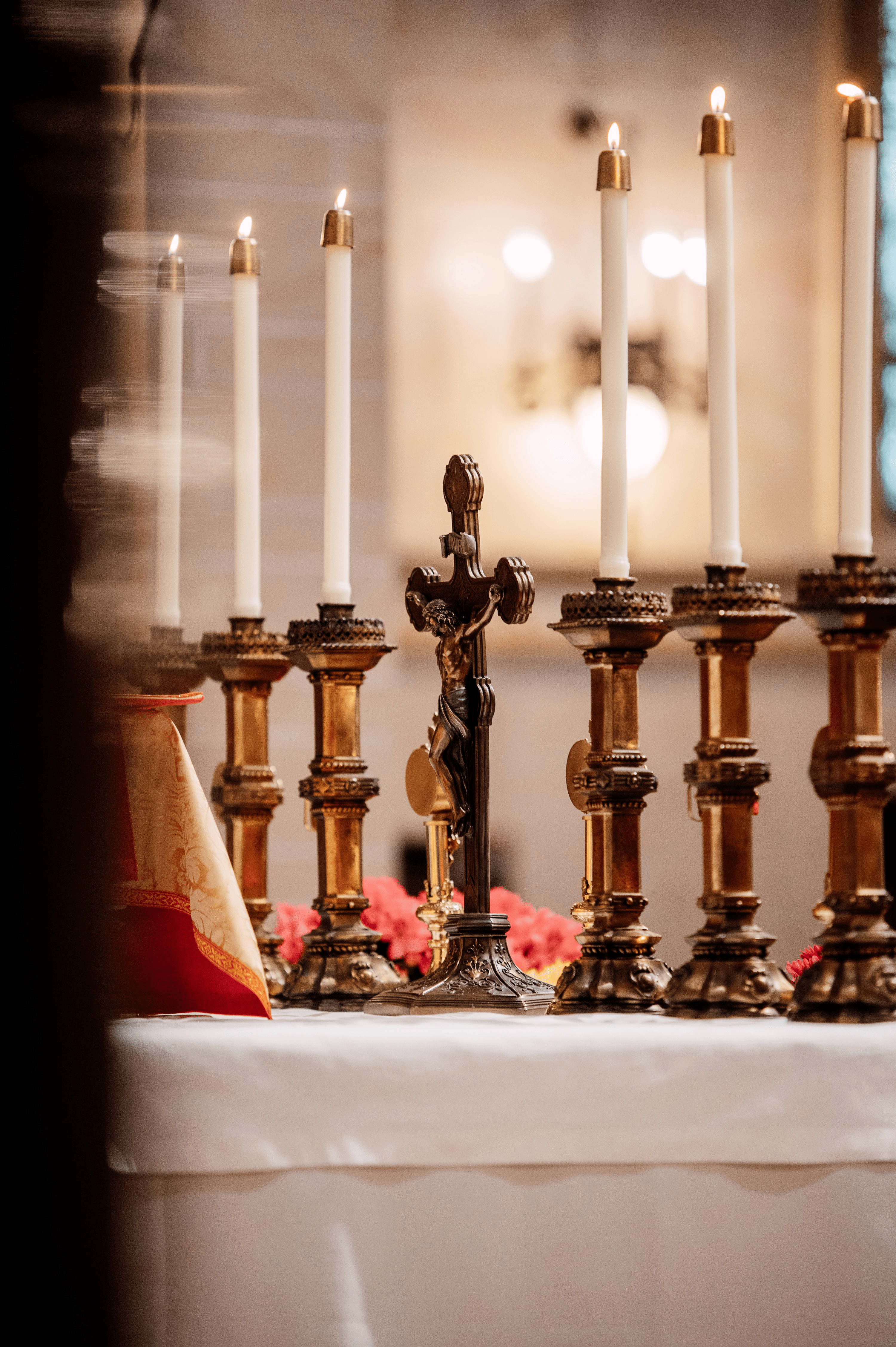
In the 16th and 17th centuries, Franciscan friars working in and around Taxco decorated nativity scenes with cuetlaxochitl. Locally it came to be called la flor de Nochebuena—the Christmas Eve flower. Imagine the scene: adobe chapels lit by candles, fresh mountain air, and, at the altar, living stars of red bracts suggesting the Star of Bethlehem. A plant that had long stood in Indigenous tradition found new meaning in the liturgical calendar.
Pepita’s Handful of Weeds: A Legend Takes Root
One of Mexico’s most loved Christmas legends tells of Pepita, a young girl without a gift for the Christ Child. Embarrassed but determined, she gathered roadside weeds and brought them to the altar. As her tears fell, the bouquet blazed into red—cuetlaxochitl in bloom. Whether told with an angel’s encouragement or a cousin’s kind words, the heart of the story is the same: sincere devotion transforms the ordinary into the extraordinary.
- Why this legend endures:
- It honors humility: even the simplest gift, given with love, is worthy.
- It links the plant’s star-like bracts to the Christmas story.
- It bridges traditions, carrying forward Indigenous reverence while embracing a new season of faith.
A Diplomat with Pruning Shears: Joel Roberts Poinsett, 1828
Enter Joel Roberts Poinsett, the first U.S. ambassador to Mexico—a man whose statecraft traveled alongside a botanist’s curiosity. In 1828, while visiting the Taxco region, he took cuttings of cuetlaxochitl and shipped them to his greenhouse in Charleston, South Carolina. From there, he shared starts with friends and botanical contacts. Within a few years, the plant was circulating in American horticulture—and soon, colloquial English would honor the ambassador by naming the plant “poinsettia.”
The name on the herbarium sheet
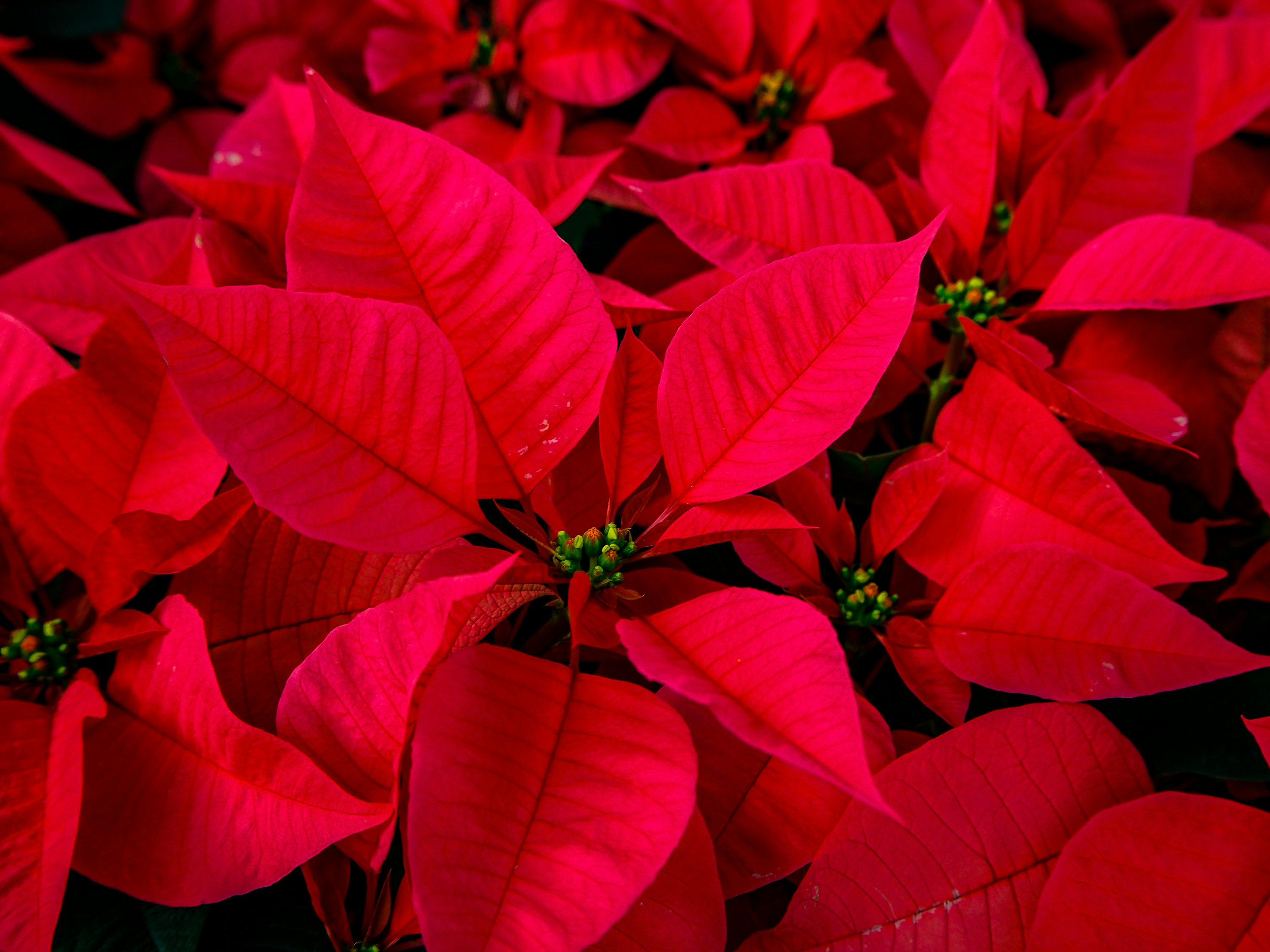
Botanically, the plant is Euphorbia pulcherrima Willd.—“pulcherrima” meaning “most beautiful.” It belongs to the spurge family (Euphorbiaceae), famous for its milky latex sap. Those velvety “petals”? They’re bracts, masterfully staged to spotlight the real flowers—the tiny yellow cyathia—like a theater of color arranged around a constellation of blossoms.
From cut stems to holiday houseplant
As the 19th century wore on, gardeners and nurseries began to cultivate poinsettia in earnest. It first appeared as a dramatic cut flower, then, by the early 20th century, surged as a potted plant for seasonal décor. Breeders steadily broadened its palette—scarlet, burgundy, blush, snow, and even marbled tones—and strengthened stems and longevity. Today, there are well over a hundred named cultivars, each a different inflection of that original winter star.
A December Holiday of Its Own: National Poinsettia Day
December 12 is recognized in the United States as National Poinsettia Day. The date commemorates Poinsett’s passing in 1851 and—fittingly—echoes Mexican tradition, where la flor de Nochebuena brightens homes and churches around early-December observances. In the U.S., the day invites a quiet celebration of horticultural heritage: greenhouses full of color, gifting a living “star,” or simply pausing to admire how a tropical shrub became part of our winter language.
How Culture, Commerce, and Botany Made a Star
- Cultural timing: In Mexico, wild plants color naturally by December; missionaries spotlighted them during Christmas, and folklore gave them a miracle narrative.
- Botanical cooperation: The plant’s long-night requirement aligns perfectly with the season. Gardeners who want it to re-color after its first holiday show give it 8–10 weeks of uninterrupted darkness (about 14–16 hours nightly) in autumn.
- Horticultural craft: Commercial growers refine shape and timing so we meet poinsettias at peak color. Over decades, breeding has improved bract colors, plant form, and durability.
Symbolism and the “Flower Language” of Poinsettia
Poinsettia’s symbolism wasn’t carved in antiquity so much as composed by centuries of cultural layering.
- Star-like bracts: Often associated with the Star of Bethlehem, guiding the faithful.
- Red bracts: Commonly read as love and sacrifice—meanings that crystallized as Christian symbolism intertwined with the plant’s seasonal role.
- White forms: Linked with purity and celebration.
- A thoughtful note: The Victorian “language of flowers” popularized assigning meanings to plants, but poinsettia’s resonance is more context-driven—rooted in Mexico’s winter bloom, missionary pageantry, and the Pepita legend. In short, poinsettia “speaks” Christmas because it arrived with it, glows during it, and tells a story of humble gifts made radiant.
A Brief Botanical Aside (for the Curious)
- The “flowers” aren’t petals: They’re bracts—modified leaves—surrounding tiny yellow-green cyathia in the center.
- A shrub at heart: In frost-free climates, poinsettia becomes a woody shrub roughly 2–4.5 m (6.5–15 ft) tall. As a houseplant, it’s typically 30–90 cm (1–3 ft).
- A gentle caution: Like many Euphorbia, it has milky latex sap that can irritate skin and eyes. If chewed, it may cause mild stomach upset in pets and people. Handle with care and keep it out of reach of curious companions.
- Want next year’s color show? Beginning in late September, give the plant bright days and long, uninterrupted nights—no stray lamp or TV glow—to trigger bract coloring.
Epilogue: The Star That Keeps Returning
From cuetlaxochitl on Aztec terraces to la flor de Nochebuena in candlelit chapels, from a diplomat’s cuttings to December displays the world over, Euphorbia pulcherrima has always known how to find the light. Each winter it returns as if to retell its legend: that simple things—humble weeds, a shared cutting, a bright bract—can become wonders in the right season. On December 12, and every day its bracts burn bright, the poinsettia invites us to make much of little and to let small acts bloom into something luminous.