
A Journey Through Time: Tracing the Roots of Baby’s Tears
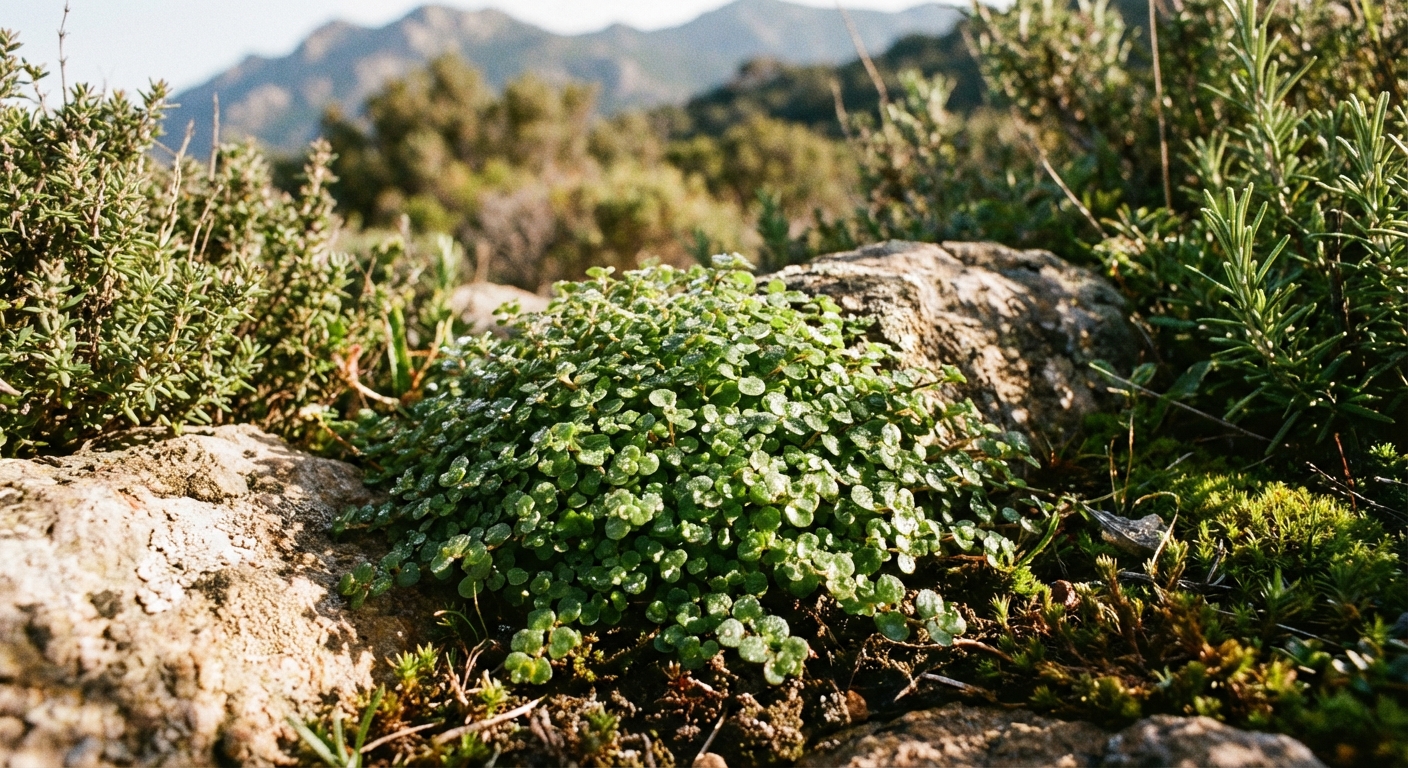
Picture this: a lush, vibrant carpet of green, so soft and dense that it resembles a miniature woodland floor. This is the delightful sight that Soleirolia soleirolii, affectionately known as Baby’s Tears, offers to plant lovers around the world. Native to the Mediterranean’s sun-kissed islands of Corsica and Sardinia, this charming plant has woven its way from its humble origins to become a beloved staple in homes and gardens everywhere.
Discovering Baby’s Tears
Our journey begins in the picturesque Mediterranean, where Baby’s Tears first caught the attention of botanists. The plant was collected and categorized by the French explorer Joseph François Soleirol, whose name it proudly bears. As a member of the Urticaceae family, Baby’s Tears might surprise you—it’s a relative of nettles, though it mercifully lacks their sting.
In its natural habitat, this creeping herb forms dense mats, thriving in the humid, shaded environments of its island homes. Its ability to root wherever its stems touch moist soil allows it to spread effortlessly, creating a living tapestry of tiny, round leaves that are a mere 3–5 mm across. These leaves, while often a bright, verdant green, can also be found in charming chartreuse or variegated varieties.
The Allure of the Indoor Oasis
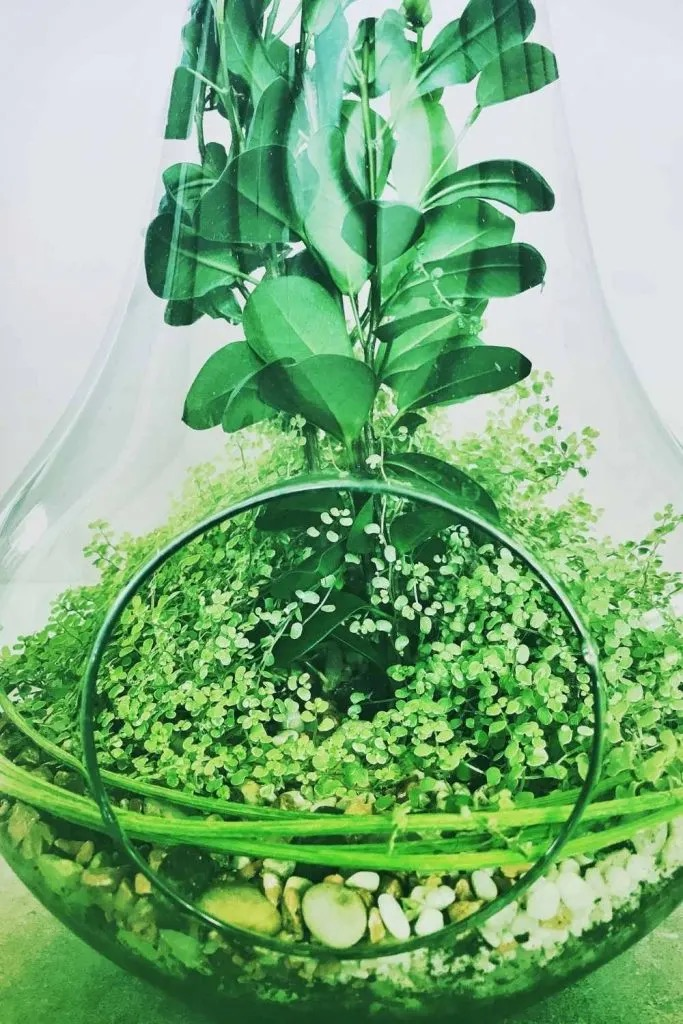
As word of this enchanting plant spread, gardeners and houseplant enthusiasts alike began to recognize its potential far beyond the Mediterranean shores. Baby’s Tears quickly became a favorite for indoor cultivation, particularly in terrariums and hanging baskets. Why, you ask? Its love of high humidity and ability to stay compact with regular pinching make it a perfect candidate for these environments, where it can create a lush, miniature landscape.
Imagine walking into a room and being greeted by the sight of Baby’s Tears cascading from a hanging basket, its stems trailing gracefully down. Or picture a terrarium, a little world unto itself, with Baby’s Tears forming the verdant carpet beneath taller plants. It’s a breath of fresh air, a slice of nature indoors.
Caring for Your Green Gem
Despite its delicate appearance, Baby’s Tears is surprisingly resilient. It thrives best with bright, indirect light and consistently moist soil. However, a word of caution: direct sunlight can scorch its tender leaves, turning them brown and crispy, while allowing it to dry out can lead to dramatic wilting. Keep the plant in moderate temperatures and high humidity, and it will reward you with lush growth.
For those worried about pests and diseases, Baby’s Tears is generally trouble-free. However, it can fall victim to the usual suspects like aphids, scale, and spider mites, especially in dry air. But with a little vigilance and care, these issues can be managed.
A Symbol of Resilience and Adaptability
Baby’s Tears carries with it a symbolism that resonates deeply with many. Often associated with softness and calm, this plant embodies resilience and adaptability—qualities that are reflected in its ability to spread and thrive in a variety of environments. In some traditions, its affinity for water is linked to emotional flow and the ability to adapt to life’s changes with grace.
Frequently Asked Questions
- Why is my Baby’s Tears wilting?
It’s usually a sign of dehydration. Water it thoroughly, and it should bounce back within a day.
- Why are the leaves browning?
This is often due to too much direct sunlight or dry air. Move it to a spot with indirect light and increase humidity.
- What should I do if the plant smells bad and leaves turn dark?
This could indicate root rot from soggy soil. Repot into fresh, well-draining soil and reduce watering.
- Is Baby’s Tears the same as Creeping Jenny?
No, they are different plants. Baby’s Tears is Soleirolia soleirolii, while Creeping Jenny is Lysimachia nummularia.
In closing, Baby’s Tears is more than just a plant; it’s a piece of living history, a symbol of nature’s quiet strength and adaptability. Whether you’re a seasoned gardener or a budding plant enthusiast, welcoming Baby’s Tears into your home is like inviting a gentle piece of the Mediterranean into your life—a reminder of the lush, green possibilities that lie within reach, even in the smallest of spaces.