

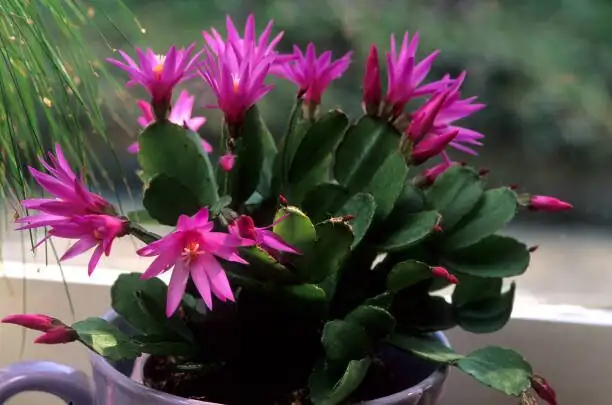
You’re not dealing with a prickly desert drifter here—Hatiora gaertneri (syn. Rhipsalidopsis gaertneri, Schlumbergera gaertneri), the Easter Cactus, is a rainforest epiphyte that loves bright filtered light, cushy humidity, and a cleverly timed “cool + dark + drier” routine to explode with star-shaped blooms in spring. Here’s your step-by-step plan to coax the most flowers, plus everything else this tropical cactus needs to thrive year after year.
Meet the Easter Cactus at a Glance
- Native life: Clings to trees and rocks in the coastal mountains of southeastern Brazil—think leaf litter, mist, and dappled light.
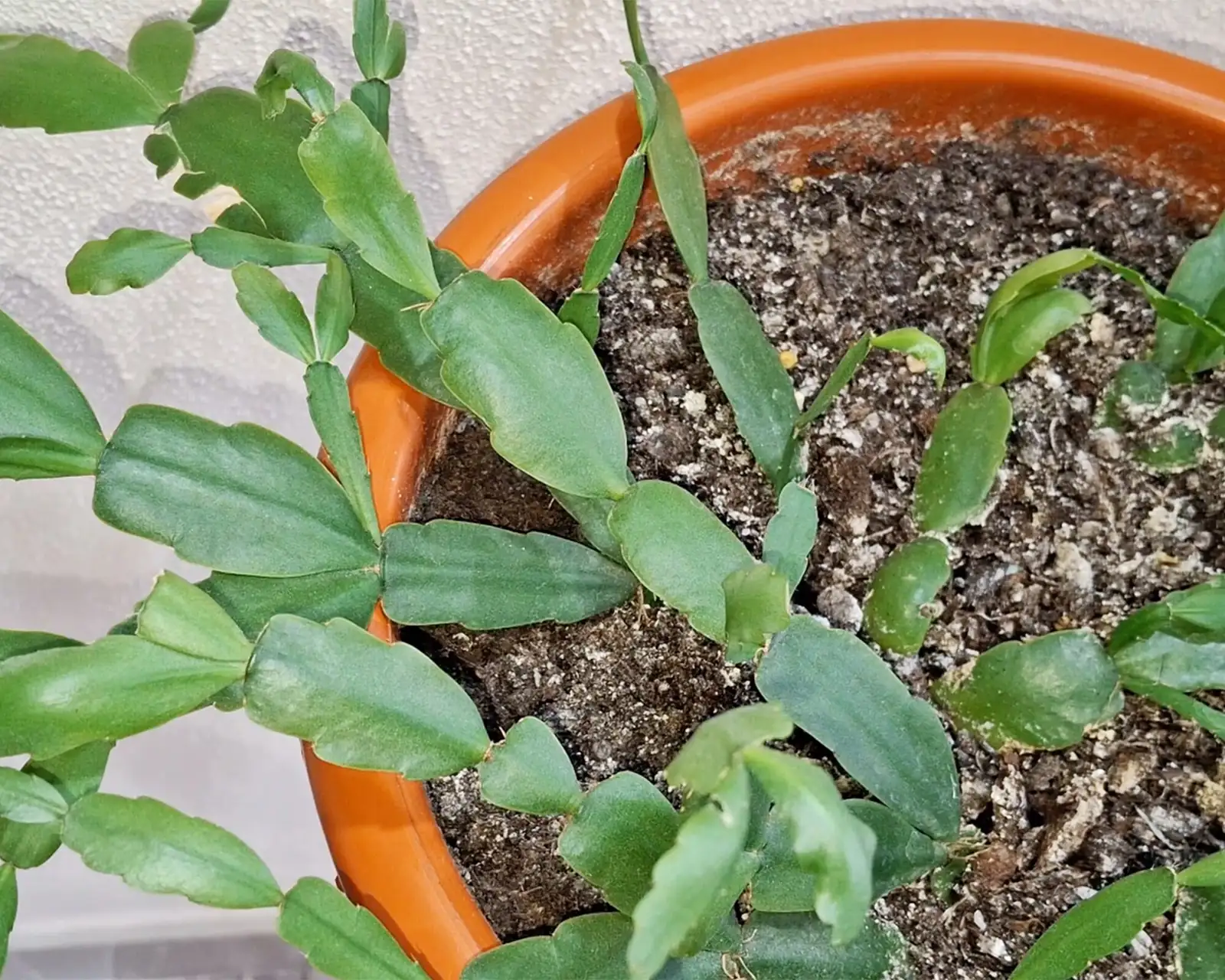
- Look: Flat, fleshy, gently scalloped stem segments with tiny bristles at the joints; new growth may blush purplish-red and mature to green with a reddish edge in bright light.
- Bloom show: Star-shaped flowers in red, pink, orange, purple, or white, opening by day and closing at night. Spring is the big moment (typically March–May, often right around Easter).
- Habit and size: Bushy, slightly trailing mound; about 6–12 in tall and 1–2 ft wide. Brilliant in hanging baskets and on shelves with a little spill-over.
- Bonus: Generally non-toxic to humans, cats, and dogs.
The Bloom-Trigger Plan: Cool Nights, Long Darkness, Lighter Watering
Think of this as a gentle, 6–8 week boot camp that cues your plant to set buds. Start the countdown so flowers open when you want them—usually spring.
Before You Begin (late fall to early winter)
- Light: Bright, indirect light. Avoid hot direct sun.
- Feeding: Stop fertilizing in fall. You’ll resume after blooming.
- Health check: Ensure airy, fast-draining mix and a pot with drainage.
Week 0: Set the Stage (choose your start date)
- Goal: Begin 6–8 weeks before your target bloom window.
- Location: A cool, bright room or bright spot a couple of feet from a sunny window.
- Target conditions:
- Nights: 50–55°F (10–13°C)
- Days: 60–70°F (15–21°C)
- Darkness: About 12 hours of uninterrupted night (no late-night lamps). A spare room, closet routine, or reliable sunset-to-sunrise darkness works.
- Day–night swing: A noticeable drop (around 10°C / 18°F) boosts bud formation.

Weeks 1–6(–8): Keep the Cues Consistent
- Darkness: Maintain that ~12-hour night every day without interruption.
- Watering: Go lighter than summer growth. Let the top layer of mix dry, then water thoroughly and drain—never soggy, never bone-dry for long. Keep humidity around 50%+.
- Don’ts: No fertilizer. Don’t repot. Don’t prune. Avoid drafts and sudden moves.
- Watch for: Tiny buds forming at segment tips. This means your cues are working.
When Buds Are Set
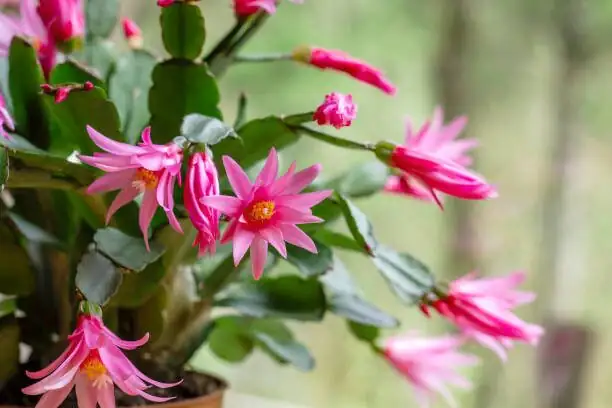
- Hold steady: Avoid relocating the plant—sudden changes in light, temperature, or humidity can cause bud drop.
- Temperature: You can gently warm days to 65–72°F (18–22°C) while keeping nights on the cool side.
- Watering: A notch more frequent to prevent full dry-outs, but still never soggy.
- Optional nutrition: If growth clearly resumes and buds are well formed, a light, half-strength feed skewed slightly toward phosphorus can support bloom development. Skip this if conditions remain dormant-cool.
During Bloom (spring)
- Light: Bright, filtered light.
- Water: Evenly moist—do not let it completely dry while flowering.
- Humidity: 50%+ helps blooms last.
- Hands off: Avoid moving the plant; enjoy the show for several weeks.
After Bloom: Short Rest, Then Grow
- Rest (2–3 weeks): Reduce watering a bit; no fertilizer.
- Resume growth care: Bright, indirect light. Begin feeding monthly (or every 2–4 weeks at half strength) about 4–6 weeks after flowering finishes.
Light, Temperature, and Placement
- Indoors:
- Best spots: Bright east window, or set 5–8 ft back from a strong south/west window filtered by a sheer.
- Tolerates gentle morning sun if acclimated; avoid harsh midday rays.
- Outdoors (warm climates only, USDA 10–12):
- Sheltered shade; bring inside well before temps approach 41°F (5°C).
- Temperature sweet spot: 60–75°F (15–24°C) for growth. Never freeze.
- Humidity: Aim for 50%+. Use pebble trays, an occasional mist, or a humidifier when indoor heat dries the air.
Watering Rhythm That Works
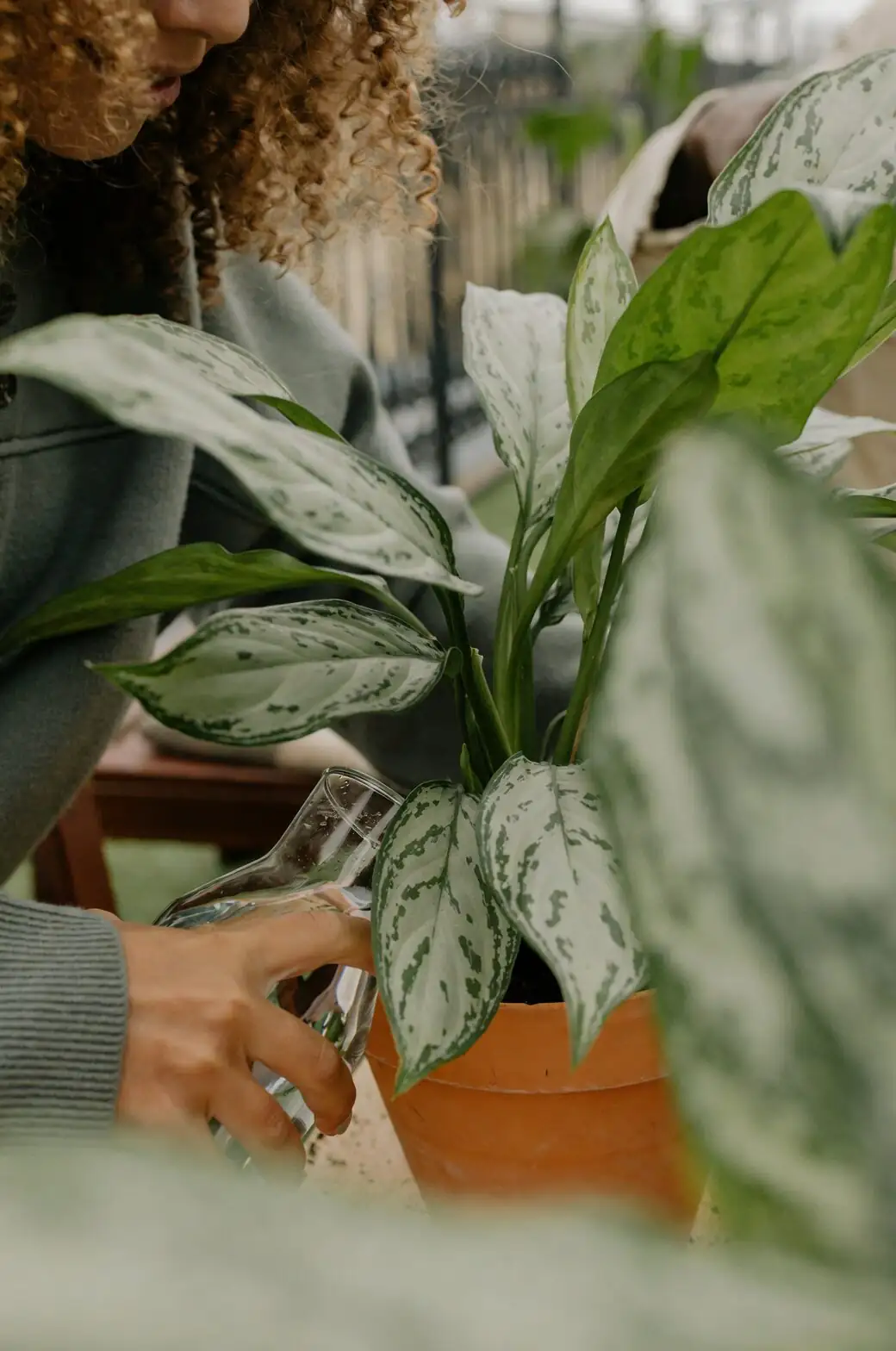
- Technique: Drench, then drain thoroughly. Never let it sit in water.
- Frequency: Water when the top portion of the mix dries. Typically every 1–2 weeks indoors; more during bloom and warmth, less during rest and cool bud-setting.
- Red flags:
- Mushy segments or fungus gnats = too wet
- Limp, wrinkled segments = too dry for too long
Feeding Strategy
- Growing season (spring through fall): Balanced fertilizer (e.g., 10-10-10 or 15-15-15) monthly, or every 2–4 weeks at half strength. Start about 4–6 weeks after flowering finishes.
- Budding/bloom: Avoid heavy feeding during the cool, dark induction. Once buds are clearly set and growth perks up, a slight phosphorus bump can help—but keep it modest.
- Fall and winter dormancy: Pause feeding.
Soil and Potting
- Mix recipe (airy and slightly acidic, pH ~6.0–6.5):
- 2 parts cactus/succulent mix
- 1 part perlite or pumice
- 1 part fine orchid bark
- Pot: Drainage hole essential; terracotta/clay can help airflow and drying.
- Repot: Every 2–3 years, ideally spring after bloom. It likes to be slightly pot-bound—size up just 2–3 in (5–8 cm) when needed.
Pruning, Shaping, and Propagation
- Pruning: Right after flowering, twist or cut off end segments at the joints to shape and encourage branching (more tips = more blooms next year). Avoid fall/winter pruning.
- Propagation: Easy from stem cuttings. Take 2–3 segment tips 2–3 months after blooming. Let callus 1–2 days, insert the bottom half of a segment into a lightly moist, airy mix. Roots in ~2–4 weeks. Division works too.
Troubleshooting Bud Drop and Bloom Misses
- Buds falling?
- Most common cause: a change in environment after buds form (new light, drafts, heat spikes, drier air). Keep it parked where it set buds.
- Water swings: Don’t let it go desert-dry while budding or blooming.
- Didn’t bloom?
- Missed cues: You likely lacked cool nights (50–55°F / 10–13°C), about 12 hours of uninterrupted darkness, or both, for 6–8 weeks.
- Light: Too dim overall can also reduce bud set. Keep days bright but indirect.
- Overfeeding late in the year can keep it “awake” instead of initiating buds.
Quick ID: Easter vs. Christmas/Thanksgiving Cactus
- Segment edges: Easter Cactus has smoother, scalloped edges; the others have sharper “teeth.”
- Flowers: Easter’s are star-shaped and open wide; Christmas/Thanksgiving are more tubular and asymmetrical.
- Timing: Easter blooms in spring; the others in late fall to winter.
Pests and Health
- Common pests: Mealybugs, scale, spider mites, and fungus gnats (often tied to wet soil).
- Prevention: Airy mix, good drainage, don’t overwater, and maintain airflow.
- Hardiness: Indoor darling; outdoors year-round only in USDA 10–12. Protect from cold.
Symbolism and Story
- Symbolism: A cheerful emblem of spring renewal and hope—its timely flowers feel like a soft fanfare for brighter days.
- A note on names: You’ll see older labels like Rhipsalidopsis or Schlumbergera—this group has been reclassified over time as botanists refined its family ties.
Fun-to-Know Nuggets
- The flowers literally wake and sleep: open in daylight, close at night.
- Despite being a cactus, it’s a rainforest resident that appreciates humidity and an airy root zone.
- Mature, happy plants can carry dozens of blooms at once.
- Uses CAM photosynthesis—taking in CO₂ at night.
Your Seasonal Cheat Sheet
- Spring (Mar–May): Blooming. Bright filtered light, evenly moist, higher humidity. No repotting mid-bloom.
- Early Summer–Late Summer: Protect from hot sun; water when the top dries; feed regularly; great time for outdoor shade in warm climates.
- Fall: Gradually reduce watering; stop fertilizing to set up dormancy.
- Winter/Late Winter (6–8 weeks before desired bloom): Cool nights 50–55°F (10–13°C), about 12 hours of uninterrupted darkness, lighter watering. Don’t move the plant once buds appear.
With this simple “cool + dark + drier” routine and rainforest-style care the rest of the year, your Easter Cactus will reward you with a radiant spring display—reliably, and often more profusely with each passing season.