

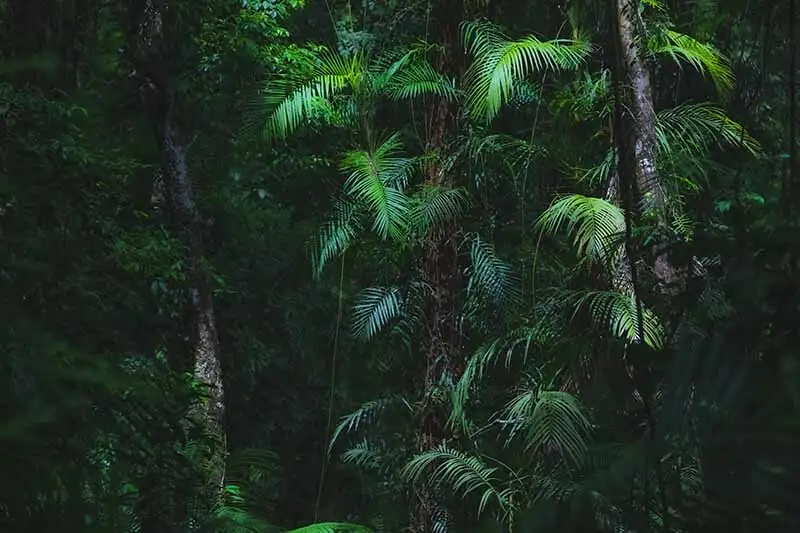
Step into a shaded forest in southern Mexico or Guatemala. The air is warm, the light is lacework—sun filtered through taller trees—and from the leaf litter rises a cluster of slim green stems topped with feathery fronds. This is Chamaedorea elegans, the parlor palm: an understory native that quietly learned the art of thriving in shadows long before it made its debut in candlelit Victorian sitting rooms—and, later, on our bookshelves, desktops, and stair landings.
From the rainforest floor: how an understory palm learned “indoor manners”
Beneath the tropical canopy, Chamaedorea elegans grows as a tidy clump, sending up multiple pencil-thin stems crowned with arching, pinnate fronds. Life in the understory shaped nearly everything we love about it indoors:
- Dappled light tolerance: Evolution under filtered sun made it content with bright, indirect light—and surprisingly tolerant of medium to low light, too.
- Slow, steady growth: A patient pace that suits containers and small spaces; indoors it typically tops out at about 60–120 cm (2–4 ft).
- Subtle blooms: Mature clumps sometimes produce slender sprays of small yellow blossoms—more a botanical wink than a show-stopper.
- Grace under pressure: The foliage is soft and deep green when conditions are stable; tip-browning is its way of whispering “too cold, too dry, or too many minerals, please.”
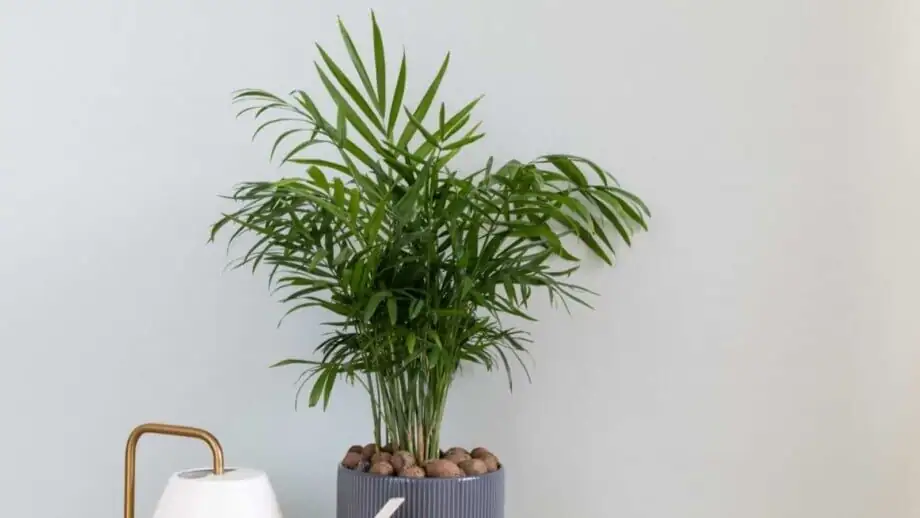
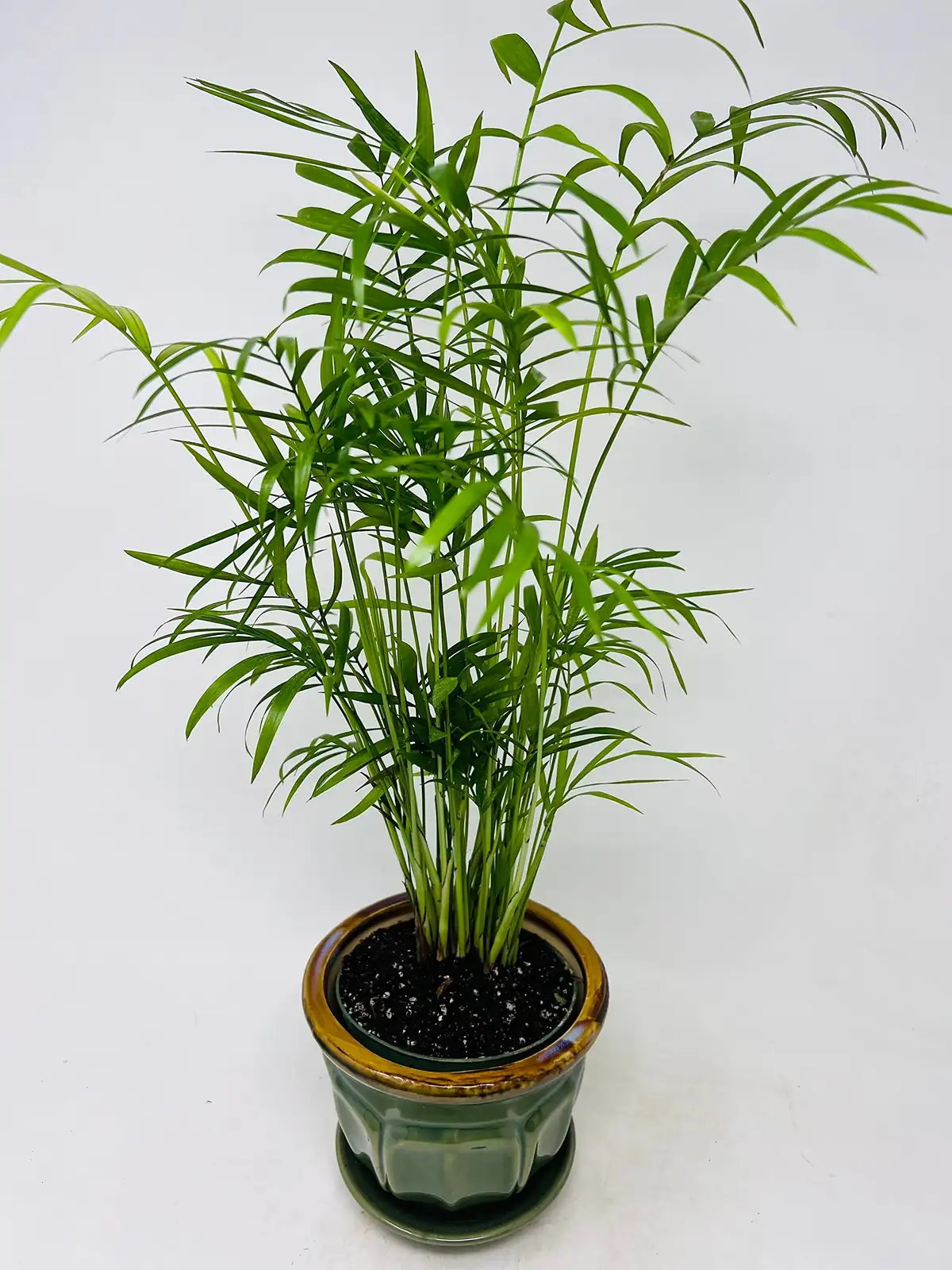
In nature and in nurseries, you’ll often see parlor palms as a small “grove” in a single pot—multiple seedlings planted together—to evoke that forest-clumping habit we find so lush.
The Victorian embrace: from Wardian cases to parlors and prestige
Botanically described in 1830 (the same century plant-hunters were ferrying tropical wonders to Europe), Chamaedorea elegans arrived just in time for a society obsessed with indoor greenery. Glasshouses, Wardian cases, and a mania for exotic foliage had turned the parlor into a stage—and this palm was a natural performer.
- It fit the set: Victorian parlors were often dim, cool, and sooty from coal. Where sun-hungry palms sulked, this understory specialist stayed composed.
- It earned the name: Its grace and tolerance made “parlor palm” not just a nickname but a calling card—an emblem of refined hospitality and everyday elegance.
- It adapted to commerce: Nurseries learned to pot up clusters of seedlings for an instant, full look. Over time, the strongest stems would lead the show, echoing the quiet competition of the forest floor.
- A shifting label: For a time it was traded as Neanthe bella—a name that still lingers as “Bella Palm” or “Neanthe Bella Palm” in the market.
By the late 19th century, the parlor palm had become a mainstay of drawing rooms and conservatories—a gentle green that could survive where ferns might crisp and grander palms pined for sun.
The legacy lives on: how Victorian taste shapes modern houseplant culture
Walk into a sunny studio or a softly lit office today and you’ll spot the same silhouette—fronds like careful pen strokes, a compact clump perfectly scaled to modern life. The reasons echo the Victorian checklist:
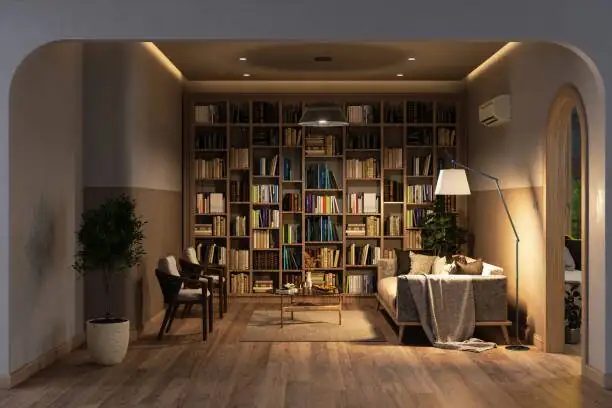
- It’s right-sized for small spaces: Great for tables, shelves, and bright hallways.
- It’s forgiving: Bright, filtered light is ideal; it also copes with lower light, growing a bit thinner but staying dignified.
- It’s a long companion: Given stable warmth and thoughtful watering, it settles in for years.
- It’s pet-considerate: Commonly listed as non-toxic to cats and dogs—always a relief in shared households.
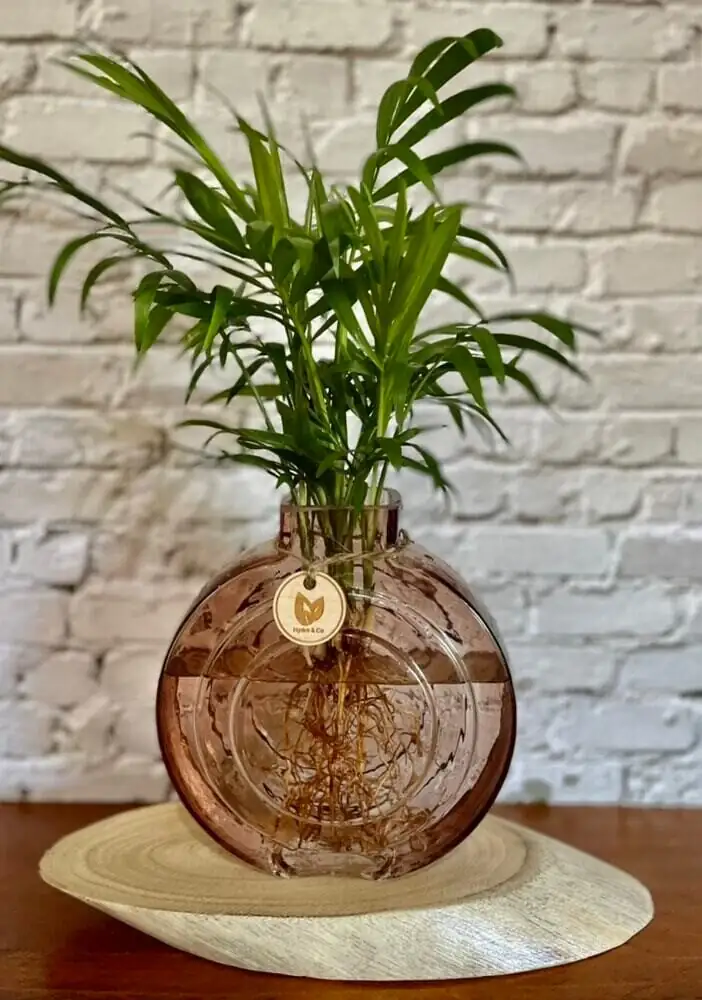
You’ll even see a contemporary twist: some enthusiasts display parlor palms in minimalist water-culture vases, roots rinsed clean and refreshed regularly—a modern echo of the Victorian love for clear glass and green life.
Care, decoded from its forest DNA
Channel the understory and you’ll have a content palm.
- Light
- Best: Bright, indirect light—think dappled sun, not beams.
- Tolerates: Medium to low light with slower growth.
- Avoid: Harsh midday sun; use a sheer curtain if near a strong window.
- Water
- Spring–summer: Water thoroughly, then let the top 2–3 cm (about 1 in) dry before watering again. Evenly moist, never soggy.
- Autumn–winter: Reduce frequency; don’t let it sit wet in cool rooms.
- Pro tip: If tips brown easily, try filtered or rain water to limit mineral buildup. Never leave the pot standing in water.
- Temperature and humidity
- Ideal indoors: About 18–24°C (64–75°F).
- Minimum: Keep above 10°C (50°F) to prevent cold damage; protect from drafts.
- Humidity: Adapts to average homes; pebble trays, a humidifier, or occasional misting help in dry spells.
- Soil and potting
- Mix: Loose, well-draining houseplant blend—potting soil improved with perlite/coarse sand and/or bark.
- Pot: Always use drainage holes; don’t overpot. Repot every 2–3 years in spring, just one size up.
- Feeding
- Growing season (spring to early autumn): Light, balanced liquid fertilizer—either monthly, or every 2 weeks at half strength.
- Pause in winter or whenever growth slows.
- Grooming
- Remove fully brown or broken fronds at the base with clean pruners. Avoid cutting healthy green tissue.
- Propagation
- Mainly from seed; germination takes patience (often a couple of months in warmth).
- Division is possible only if you can separate clumps with roots intact; it can stress the plant.
- Optional water-culture
- Rinse off soil, trim any rot, keep roots submerged but the stem base above water, and refresh frequently (every 3–5 days in summer; every 10–15 days in cooler seasons). Add a small dose of hydroponic nutrient once the plant is stable.
Troubleshooting: what the palm is telling you
- Yellowing leaves + limp roots: Usually a combo of cold and waterlogged soil. Warm it up and improve drainage; allow the top layer to dry between waterings.
- Brown leaf tips: Often dry air, irregular watering, mineral-laden water, or a chill. Boost humidity modestly, water consistently, and use room‑temperature filtered water if needed.
- Pests to watch: Spider mites (especially in dry air), scale, mealybugs, occasionally thrips. Keep leaves clean; treat early with insecticidal soap or horticultural oil.
- Cold stress clue: Browning along tips and edges when temperatures dip below about 10°C (50°F).
Names, uses, and little fascinations
- Aliases you’ll meet in shops: Bella Palm, Dwarf Parlor Palm, Good Luck Palm, Neanthe Bella Palm, Table Palm.
- Style notes: A classic for softening modern interiors, from bedside tables to office lobbies.
- Field-to-vase footnote: Like a few of its Chamaedorea cousins, its fronds have been part of the “xate” foliage trade—one reason its form looks so at home in arrangements.
- Hardiness: USDA 10–12; frost-tender, so it’s chiefly an indoor plant outside warm climates.
Symbolism and “flower language”: why it feels like welcome itself
Victorian culture popularized the idea that plants could speak—floriography—yet the parlor palm’s message is less about literal blooms and more about presence. Its symbolism today leans toward welcome, everyday elegance, good luck, and youthful vitality. Why?
- Welcome: It graced entrance parlors where guests were received—green hospitality at the threshold.
- Elegance: Feathery fronds and poised posture without ostentation—refinement in a small footprint.
- Good luck and vitality: An evergreen companion that endures for years with modest care; new fronds unfurling like quiet, hopeful gestures.
Think of it as the houseplant equivalent of a warm lamp and a tidy chair: an invitation to exhale.
A brief timeline of a gentle icon
- 1830: Formally described by botanists as Chamaedorea elegans.
- Mid–late 1800s: Swept into European and North American parlors via glasshouses and Wardian cases; quickly earns common name “parlor palm.”
- 20th century onward: Becomes a mass‑market staple; nurseries pot several seedlings together for that “mini grove” look. Today, it’s one of the most widely loved indoor palms.
Why it still matters
In an era of compact apartments, hybrid work, and biophilic design, Chamaedorea elegans offers precisely what our spaces—and schedules—crave: calm greenery that thrives in bright, filtered light, forgives the odd lapse, and looks composed in almost any room. A Victorian favorite made modern, it’s the quiet understory survivor that still knows how to make a parlor—any parlor—feel like home.