

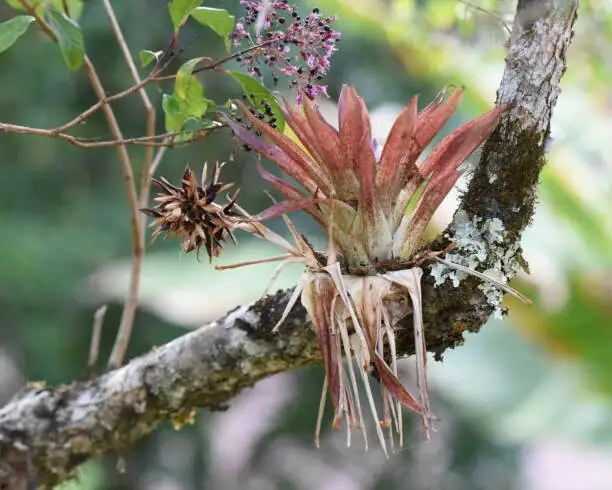
They began their lives in the clouds. Picture a rainforest morning: mist curling through the canopy, a shaft of light finding a sculptural rosette high on a branch. In that living chalice, rainwater shimmers and tiny creatures shelter. This is the world that shaped the ornamental bromeliads we know at home—Guzmania, Vriesea, Aechmea, and their kin—rainforest architects that leapt from treetops to our windowsills and never lost their flair.
From New World canopies to living rooms
Long before they were checkout-line temptations in home stores, bromeliads were signature plants of the tropical and subtropical Americas, particularly Central and South America. The family Bromeliaceae is famously diverse—pineapple is a bromeliad—and many lineages chose an audacious strategy: don’t fight for soil on the forest floor; climb. As epiphytes, they perch on trees without stealing from them, catching raindrops, leaf litter, and light others miss.
When these plants came indoors, they brought their charisma with them: arching, architectural leaves arranged in a tight, vase-like rosette; showy, long-lasting “flowers” that are actually vivid bracts in flaming reds, oranges, pinks, and yellows; and the disarming ease of a plant that thrives with bright, filtered light and very airy potting mixes.
The epiphytic leap: how a rosette became a rainforest engine
Bromeliads rewrote the rules of plant life in the canopy.
- Tank rosettes: Many species form a natural “cup” at their center. In the wild, this tank holds clean rainwater and collects falling debris—instant compost tea. Indoors, that same cup can hold a small amount of fresh water for a happy, hydrated plant.
- Leaf armor and artistry: Depending on the genus, leaf margins can be smooth, toothed, or lightly spiny—functional in a crowded canopy and striking on a coffee table.
- Water-wise metabolism: Many bromeliads evolved water-saving tricks to endure sun, wind, and intermittent moisture in treetops. Even though they’re tropical, they’re built to sip, not gulp—one reason they prefer airy, free-draining mixes and dislike soggy roots.
- Microhabitat makers: In nature, a single tank can shelter tiny insects and other small wildlife. That living chalice turns each bromeliad into a miniature ecosystem—and a true architect of rainforest diversity.
The flower that isn’t (and why the color lingers)
The head-turning color that made bromeliads global houseplant stars isn’t usually a petal at all. Those saturated “blooms” are bracts—specialized leaves that can stay brilliant for weeks to months. The true flowers are smaller and short-lived, emerging from within the bracts. This is perfect for indoor life: one dramatic display, very low fuss.
The handoff: a rosette’s life cycle
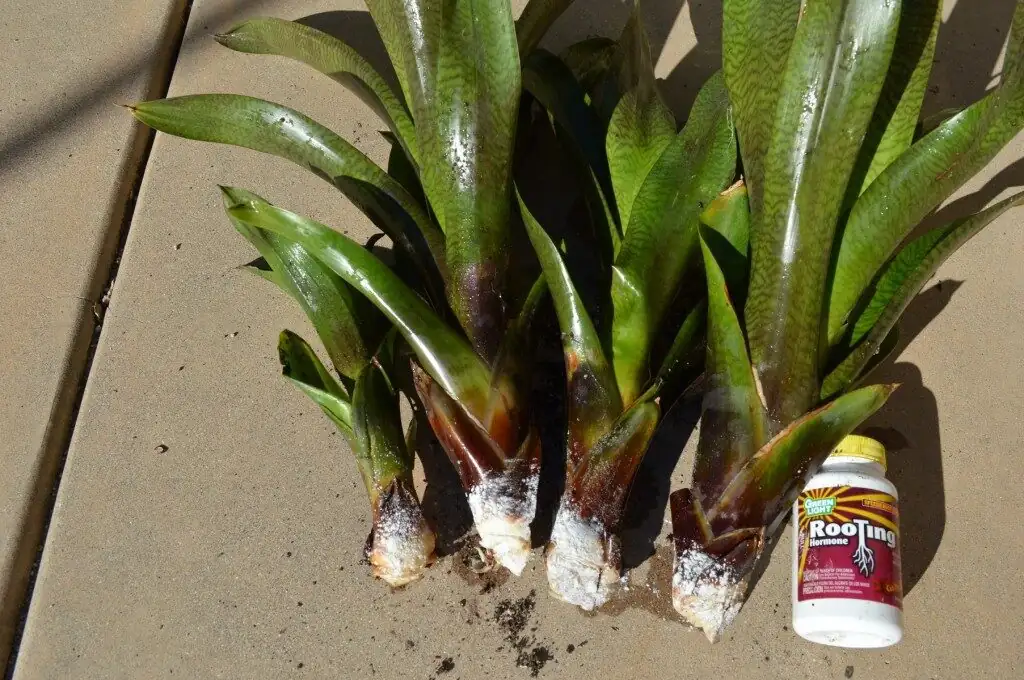
Most popular ornamental bromeliads are monocarpic. The mother rosette invests in one grand show, then gradually declines. Before she bows out, she produces offsets—“pups”—that cluster around her base. Give those pups time to reach about one-third to half the size of the mother before separating, and the lineage marches on.
Meet the houseplant headliners
- Guzmania: Sleek, spineless or lightly toothed leaves with luminous, painted-looking bracts. A favorite for modern, minimalist spaces.
- Vriesea: Often with feather-like flower spikes (hence the nickname “Flaming Sword”) and elegant, banded foliage.
- Aechmea: Bolder textures, sometimes with subtly banded, glossy leaves and sculptural, long-lasting bract clusters.
Typical size indoors: 20–60 cm (8–24 in) tall and wide, depending on species/cultivar—big presence, small footprint.
Bringing the canopy home: care that respects their origins
Think bright rainforest canopy, not baking desert or dim understory.
- Light
- Bright, indirect light is best—filtered or speckled sun.
- Gentle morning sun is fine; shield from harsh midday rays that can scorch leaves and fade bracts.
- Temperature
- Aim for 18–28°C (64–82°F). Protect from cold drafts and keep above 10°C (50°F).
- Humidity
- Moderate to high (about 50–70%). Group plants, run a humidifier, or place in bright bathrooms/kitchens to blunt brown tips.
- Potting mix
- Very airy and fast-draining—think orchid bark with perlite or similar. Avoid heavy, water-retentive soils.
- Watering
- Moisten the mix lightly and let excess drain—never let the pot sit in water.
- For “tank” types, keep a small amount of clean water in the central cup and refresh it about weekly so it doesn’t stagnate. In cooler or dimmer periods, reduce or empty the cup to lower rot risk.
- Feeding
- Light hand only: a balanced fertilizer at about 1/4 strength every 4–6 weeks during active growth. Overfeeding can dull bract color and stress roots.
- Pruning and grooming
- Remove the spent bracts/flower spike once the show fades.
- Trim brown tips or damaged leaves; gloves help with spiny margins.
- Propagation
- Separate pups when they’re roughly 1/3–1/2 the size of the mother. Pot into the same airy mix, keep warm and slightly humid until they root in.
- Repotting
- Infrequent. Repot every 1–2 years or when crowded/unstable. Choose a relatively small pot—bromeliads like a snug fit.
- Seasonal rhythm
- Spring–summer: brighter light, a touch more water, light feeding.
- Autumn–winter: keep warm, water less, shield from drafts, and go light or empty on cup water.
Outdoors, bromeliads are not frost tolerant and are generally suited to climates around USDA Zones 10–12, depending on species.
Placement ideas that play to their strengths
- A bright east-facing sill or set back from a south/west window behind a sheer curtain.
- Grouped vignettes on a sideboard for humidity and color cohesion.
- A steamy, well-lit bathroom where a tank bromeliad can live its best spa life.
Buying well: what to look for
- Firm, upright leaves; clear, saturated bract color.
- Avoid soft or wobbly bases, a blackened center, or any sour smell (early rot).
- Slightly browned tips can be normal; skip plants with heavy spotting, sticky residue, webbing, or visible pests.
Troubleshooting at a glance
- Brown leaf tips: Air too dry or water quality/mineral buildup. Raise humidity and use clean, tepid water.
- Fading bracts: Too much harsh sun or the natural end of the display. Move to bright, filtered light.
- Center rot or sour smell: Stagnant cup water or a waterlogged base. Refresh the cup weekly; improve drainage and airflow.
- Pests: Watch for mealybugs, scale, and spider mites—especially in dry rooms. Treat early and isolate if needed.
Safety note: Bromeliads are generally considered non-toxic to people and pets. The real hazard is mechanical—some edges are sharp or spiny.
Why they conquered design—and hearts
Bromeliads offer sculptural lines, saturated color that lingers, and a forgiving nature. They love bright filtered light, tolerate small pots, and bring a “vacation vibe” to even the most buttoned-up room. For stylists and beginners alike, that long-lasting bract is a built-in highlight reel.
Flower language and symbolism: hospitality with roots
Bromeliads often symbolize vibrant energy, hospitality, and tropical cheer. That “hospitality” thread traces back to their famous cousin, the pineapple, long used as a welcome emblem in the Americas. It’s not mysticism—it’s cultural memory: a fruit once rare and prized became a sign of generosity and open doors. Indoors, the bromeliad’s bold rosette and luminous bracts echo the same message: come in, linger, enjoy.
Quick answers to common questions
- Why is my bromeliad’s “flower” lasting so long?
- Because it’s largely made of bracts—colored leaves that can remain showy for weeks to months. The true flowers are smaller and short-lived.
- Do bromeliads die after flowering?
- Many popular kinds are monocarpic. The mother rosette slowly declines after flowering but produces pups (offsets) to carry on.
- Can I keep water in the center cup?
- Yes, if your plant forms a tank. Keep a small amount of clean water there and refresh it about weekly. In cooler or low-light conditions, reduce or empty the cup to help prevent rot.
Did you know?
- Many bromeliads live as epiphytes, growing on trees without parasitizing them.
- Their “tanks” can shelter tiny wildlife in the wild—pocket-sized watering holes for the canopy.
- Pineapple (Ananas comosus) is a bromeliad, a practical cousin to your living-room showpiece.
Bring one home and you’re not just decorating—you’re hosting a sliver of rainforest ingenuity on your shelf. Bright light, an airy mix, a refreshed central cup, and a little warmth are all it takes for these canopy-born stars to shine.