
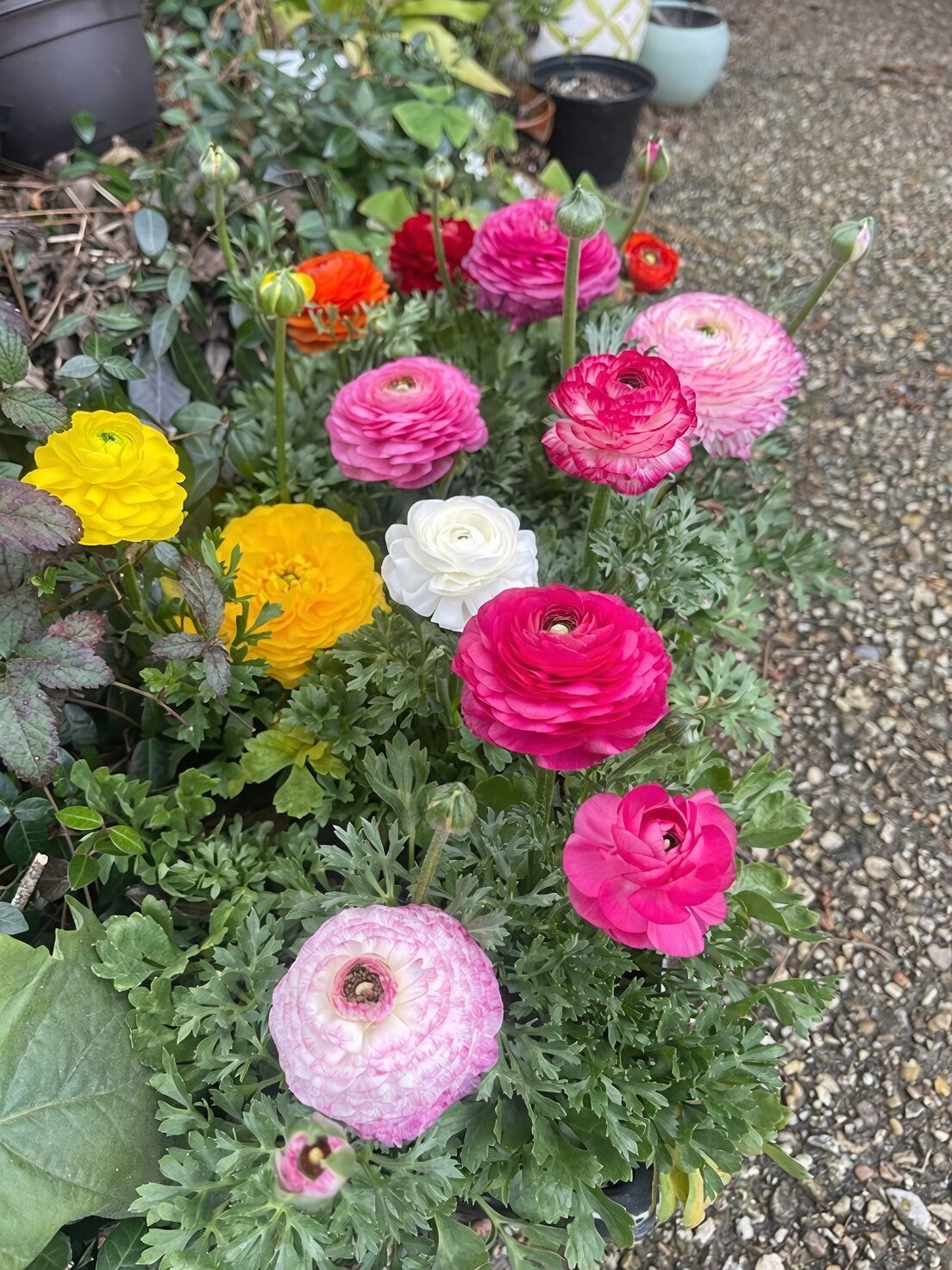
There’s a reason Persian buttercups stop traffic in spring: tightly layered, rose-like blooms in sherbet shades that light up patios, windowsills, and borders just when the garden is hungry for color. The secret to a long, luxurious show isn’t hard—it’s timing. Think cool starts, steady moisture, bright light, and then a dignified summer rest. Here’s your crisp, season-by-season game plan for Ranunculus asiaticus.
Your Year with Persian Buttercups: A Cool-Season Calendar
Quick climate note:
- Mild-winter areas (roughly USDA 8–10): Plant in autumn for spring displays outdoors; protect from severe frost and winter-wet.
- Colder regions: Treat as a cool-season container or bedding plant, or start under cover and plant out after hard frosts; lift and store tubers for next year.
Early Autumn (September–October): Tuber Prep and Planting
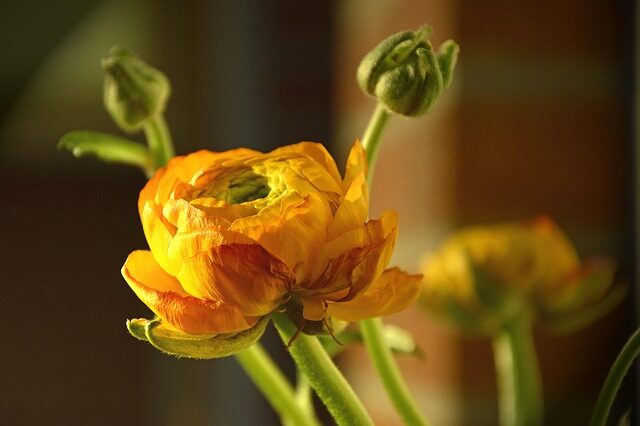
- Choose quality “claws”: Select firm, plump tubers (larger circumference—about 7 cm/2.8 in or more—often yields stronger plants). Avoid shriveled or moldy stock.
- Optional hygiene: If rot has been an issue, disinfect tubers with an appropriate fungicide before planting.
- Wake them gently: Many gardeners give the dry, claw-like tubers a brief soak to rehydrate before planting. Drain well.
- Potting recipe: Use a rich, fast-draining mix—loam-based compost blended with leaf mold/compost plus coarse sand or perlite. Great drainage is nonnegotiable.
- Depth and orientation:
- Plant tubers 2–3 cm (0.8–1.2 in) deep—do not bury too deeply.
- Set claws facing downward.
- In containers, a 12 cm (4.7 in) pot commonly fits about 3 tubers.
- In beds, allow a comfortable palm’s width between tubers so they don’t crowd.
- Light and placement: Bright light to full sun. In warm climates, protect from harsh midday sun to extend bloom time.
- Sowing seed (optional): Collect ripe seed in late spring to early summer, then sow fresh in autumn. Expect germination in 2–3 weeks at about 10–18°C (50–64°F). Prick out seedlings at 2–5 true leaves; they usually flower the following spring.
Late Autumn–Winter: Cool-Growth Care
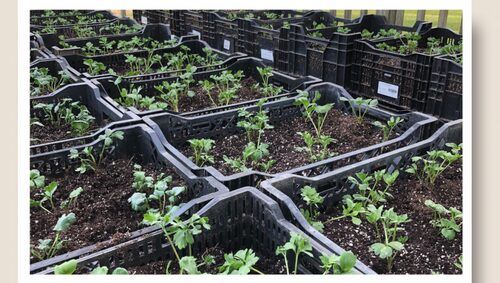
- Temperature sweet spot: Days 15–20°C (59–68°F), nights 7–10°C (45–50°F). Sheltered plants in well-drained conditions may tolerate brief dips near -5°C (23°F), but avoid prolonged hard freezes.
- Watering rhythm: Keep the mix evenly moist during active growth—never bone-dry, never soggy. Ensure containers drain freely; after rain, garden soil should not remain wet.
- Feeding, light, airflow:
- Feed lightly but regularly: once or twice before flowering with a balanced-to-bloom fertilizer (e.g., NPK around 15-15-30) or well-diluted organic liquid feed.
- Give bright light to full sun and excellent air circulation—cool, bright, and breezy beats warm and stuffy.
- Early grooming: If your plant is an ultra-double, heavy bloomer, thin to about 2–3 strong buds per plant to improve flower size and stem quality.
Spring: Flowering and Showtime Maintenance
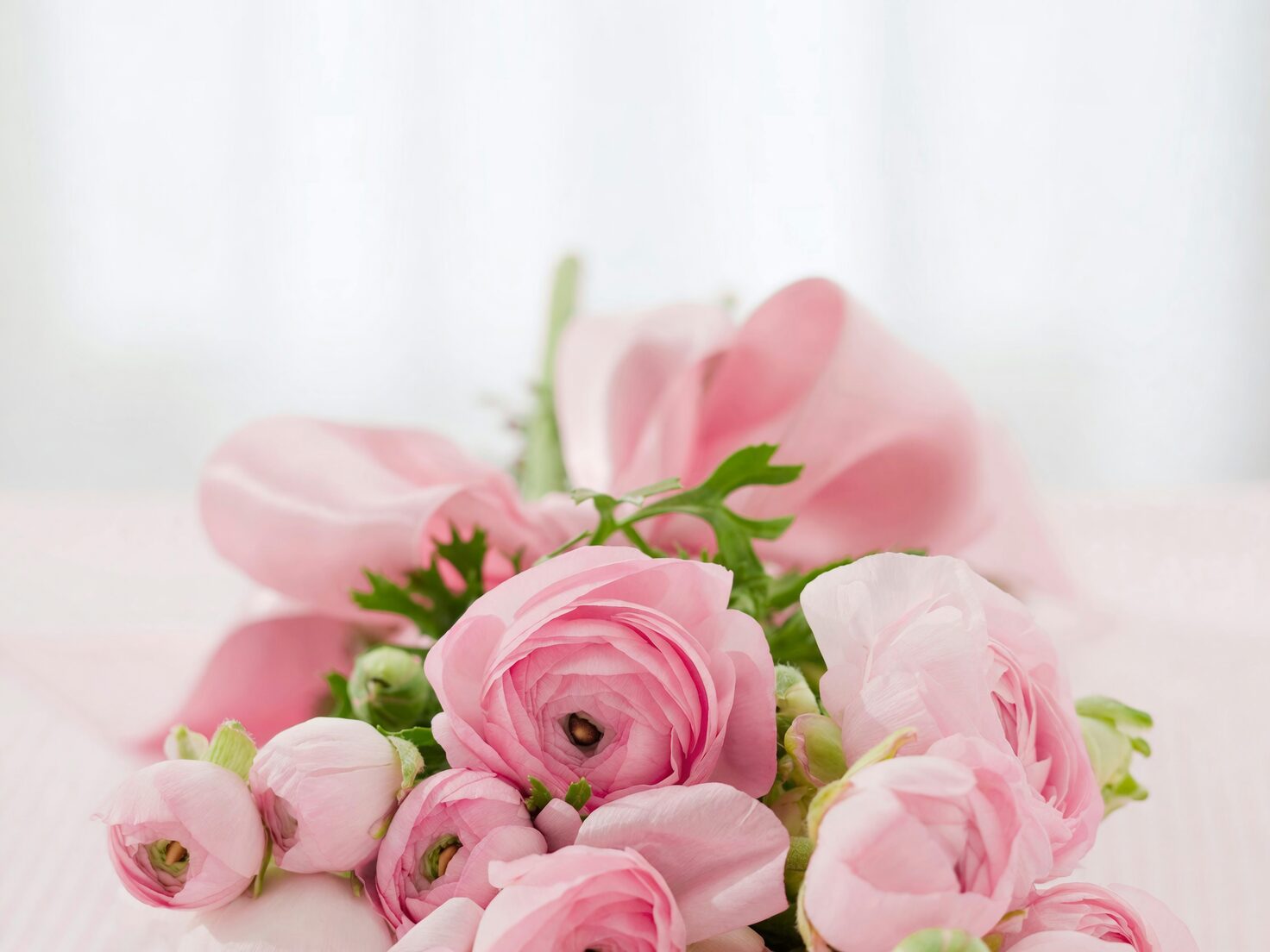
- Steady on: Maintain even moisture as buds swell and open. Do not let pots dry out at this stage.
- Sun and comfort: Full sun is best in cool weather; in warming spells, shield from scorch to prolong bloom.
- Deadhead for continuity: Remove spent blooms to keep plants tidy and to direct energy into tuber development.
- Cut-flower tips:
- Harvest when blooms are in the “marshmallow” stage—open enough to show color and form but still firm.
- Strip lower leaves, recut stems, and use clean water. Ranunculus open gradually, offering evolving beauty in the vase.
- Pest watch:
- Aphids love tender growth and buds—rinse off or use insecticidal soap or targeted controls.
- Gray mold (Botrytis) can appear in cool, damp air—boost airflow, avoid late-day overhead watering, and remove affected tissues promptly.
Late Spring–Early Summer: Natural Dieback
- Don’t panic—this is normal: As weather heats up, foliage often yellows and declines. This is the cue that dormancy is beginning.
- Taper watering: Reduce watering gradually as leaves yellow; stop once the top growth has fully dried back.
Summer: Dormancy and Storage
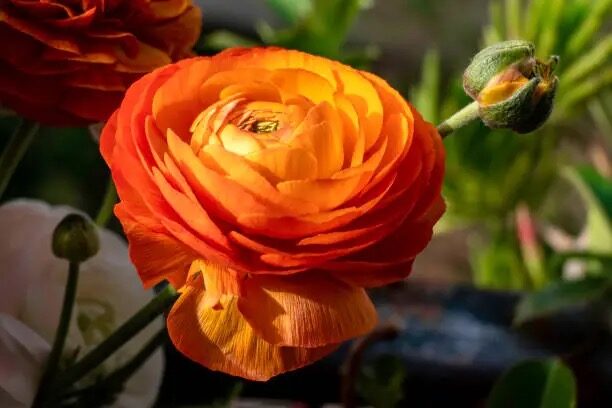
- In perfectly drained garden sites (mild climates): You may leave tubers in the ground during their dry rest, provided summer soil isn’t irrigated frequently or waterlogged.
- In containers or heavier soils: Lift, cure, and store.
- After foliage is fully dry, gently lift the tubers, shake off soil, and let them dry in a cool, airy, shaded place.
- Clean and inspect. Discard any soft or diseased tubers; optional dusting with a suitable fungicide can help prevent storage rot.
- Store in a breathable bag or box (paper, mesh) in a cool, dry, dark place with airflow. Label by color/cultivar.
- Check monthly and remove any that show mold or collapse.
Early Autumn (Again): Divide and Replant
- Division: After their dry summer rest, divide healthy tubers and replant from September to October.
- Fresh start: Repot each season with a fresh, free-draining mix. In small decorative displays, compact cultivars under 30 cm (12 in) keep the look neat and balanced.
Indoors and Small-Space Success
- Best perch: An east- or south-facing windowsill with cool nights and bright days. Keep away from warm radiators and stagnant air.
- Container sizing: For a small, jewel-box display, a 12 cm (4.7 in) pot with 3 tubers is classic. Ensure generous drainage holes.
- Bloom longevity trick: On warm days, shift pots out of intense midday sun or to a cooler spot to slow petal drop and extend the show.
Watering, Feeding, and Simple Rules of Thumb
- Watering:
- Active growth and flowering: Evenly moist, never waterlogged.
- Yellowing foliage: Reduce gradually.
- Fully dormant: Keep dry.
- Feeding:
- Light but steady: 1–2 times before flowering, then once after flowering to support tuber build-up.
- Prefer a bloom-leaning feed (often higher potassium) or a well-diluted organic liquid fertilizer.
- A small amount of slow-release flowering fertilizer at planting time can help—avoid direct contact with tubers.
Common Pitfalls (And How to Dodge Them)
- Overwatering in cool weather: Soggy roots invite rot and Botrytis. Prioritize drainage and airflow.
- Planting too deep: Stick to 2–3 cm (0.8–1.2 in) of soil cover; deeper planting slows emergence and risks rot.
- Stale, heavy soil: Amend for fast drainage with coarse sand/perlite and organic matter.
- Hot rooms, hot patios: Heat speeds dormancy and shortens bloom. Cooler, bright sites are your allies.
Pests, Diseases, and Safety Snapshot
- Gray mold (Botrytis): Common in cool, damp, poorly ventilated spaces. Improve airflow, water the soil (not the leaves) early in the day, remove infected parts, consider appropriate fungicides if needed.
- Aphids: Target buds and new growth. Rinse off, or use insecticidal soap/targeted controls.
- Slugs and snails: Use traps, barriers, baits, and reduce hiding spots.
- Toxicity: Mildly toxic if ingested; sap may irritate sensitive skin. Keep away from pets and children; wear gloves if you’re prone to irritation.
Quick Botanical Snapshot
- Botanical name: Ranunculus asiaticus (Persian buttercup)
- Family: Ranunculaceae; Genus: Ranunculus
- Origin: Mediterranean coastal regions, northeastern Africa, and southwestern Asia
- Habit: Tuberous perennial usually grown as a cool-season annual; compact clumps with deeply lobed, bright green leaves
- Size: Typically 20–45 cm (8–18 in) tall, spread 15–30 cm (6–12 in)
- Flowers: Densely layered, satin-sheened doubles in white, yellow, pink, red, orange, purple, and striking bicolors (including antique tones)
- Bloom season: Late spring to early summer (earlier in mild-winter climates)
Meaning and Mystique: Why We Gift Ranunculus
In the language of flowers, Persian buttercups symbolize charm, radiant beauty, and joyful celebration—perfect for spring gifting and weddings. The association likely springs from their exuberant, rose-like petals and luminous colors: they radiate happiness without taking themselves too seriously. Modern breeding has only deepened this symbolism, delivering ever-more lavish doubles and painterly bicolors that feel like a small festival in a vase.
Final Note: Cool Heads, Hot Hearts
Persian buttercups are cool-season romantics. Give them bright light, fresh air, and steady moisture in spring; then, when summer presses in, let them rest. Follow this seasonal rhythm and those intricate, layered blooms will reward you generously—year after year, if you store the slumbering “claws” well and start the dance anew each autumn.