

Uncovering the Rich History of Tulips: From Central Asia to Dutch Icon
Tulips, with their vibrant blooms and elegant forms, are more than just a garden favorite; they are storied travelers, having journeyed from the rugged mountains of Central Asia to the manicured fields of the Netherlands. But have you ever wondered how these delicate flowers became synonymous with Dutch landscapes? Let’s unravel their fascinating journey through time, culture, and commerce.
The Wild Beginnings: Central Asia and Turkey
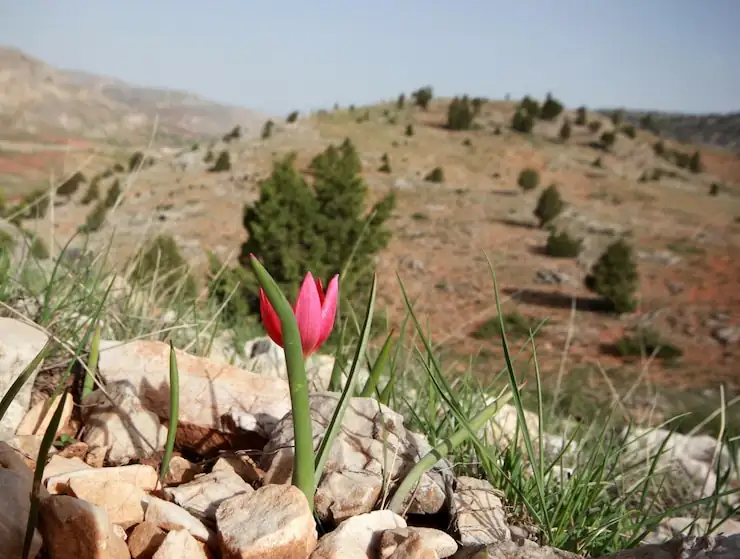
Our tale begins in the cool, mountainous regions of Central Asia, Turkey, and Iran, where tulips thrived in the wild, basking in cool springs and enduring dry summers. It was in Turkey, around 1000 AD, that tulips first captured human imagination. Cultivated by the Turks, these flowers were adored for their striking resemblance to a turban, a likeness so strong that the name “tulip” itself is derived from the Turkish word for this headpiece.
Tulips Enter Europe: A Blooming Sensation
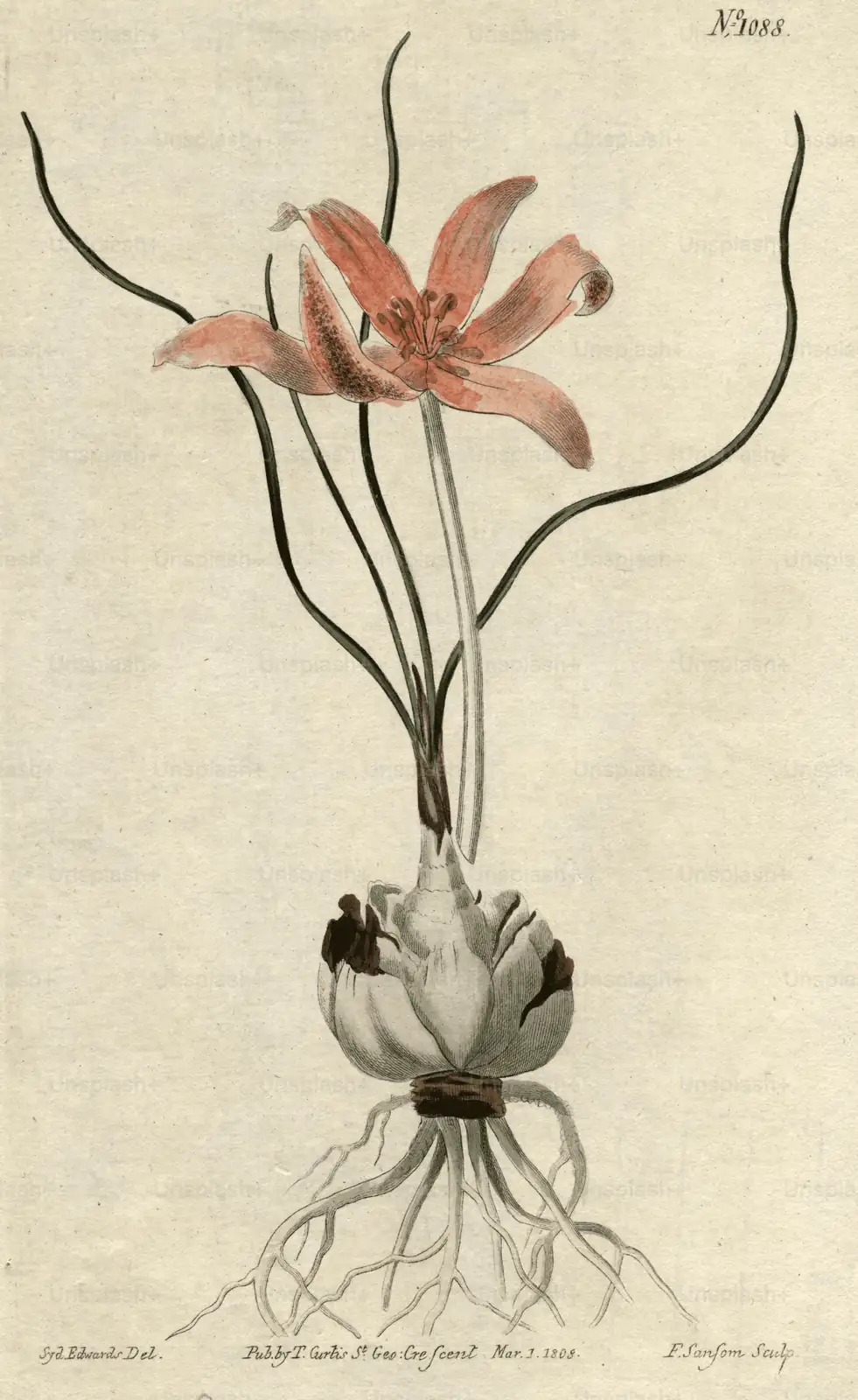
By the mid-1500s, tulips had made their way to Europe, thanks in part to the diplomatic efforts of Ogier Ghiselin de Busbecq, an ambassador to the Ottoman Empire, who sent the first bulbs to Vienna. These exotic blooms quickly captured the attention of European botanists and the public alike. Carolus Clusius, a pioneering botanist of the time, played a crucial role in introducing tulips to the Netherlands, where they found a new home in the famous Hortus Botanicus of Leiden.

Tulip Mania: The First Financial Bubble
As the 17th century dawned, tulips became the ultimate status symbol in the Netherlands. Their rarity and beauty drove prices to astronomical heights in an economic frenzy known as “Tulip Mania.” At its peak, a single bulb could cost more than a house in Amsterdam—a testament to the flower’s allure and the speculative bubble it created. Inevitably, the market crashed in 1637, but tulips had already planted themselves firmly in Dutch culture.
The Dutch Legacy: From Mania to Mastery
Post-mania, tulips continued to flourish in Dutch soil, evolving from a luxury item into a staple of horticultural expertise. The Netherlands became the world’s tulip capital, known for its sprawling bulb fields and vibrant tulip festivals that still draw tourists from around the globe. Today, Dutch growers are renowned for their mastery in hybridizing tulips, creating an endless array of colors and forms—from classic cups and goblets to frilled and parrot-like varieties.

Symbolism and Cultural Significance
Beyond their economic impact, tulips carry rich symbolic meanings. In flower language, they embody love, beauty, and hope. Each color tells its own tale: red tulips for passionate love, yellow for cheer and friendship, and purple for royalty. These meanings echo across cultures, from Turkish art to Dutch tradition, where tulips remain emblems of prosperity and joy.
Modern Cultivation and Care
Tending to these “magic flowers” requires understanding their unique needs. Tulips thrive in well-drained, sandy soils and prefer full sun in cooler climates. They are cold-hardy, making them suitable for USDA Zones 3–8, but they do demand a specific cycle of cool growth and dry dormancy to bloom reliably each year.
When planting, choose firm, healthy bulbs and position them in the fall, when the soil is cool. After their spectacular spring display, allow the foliage to naturally yellow, replenishing the bulb for the next season.
Troubleshooting & FAQs
Why did my tulips not bloom well in the second year?
Many modern tulip varieties are bred for a showy first-year performance. Ensure a natural dormancy by letting foliage die back naturally and avoiding excessive summer watering.
Can I grow tulips indoors?
While tulips can be forced indoors, they typically require a chilling period that mimics winter, making them challenging for home cultivation without careful management.
Conclusion
Tulips, with their storied past and vibrant presence, continue to captivate and inspire. Whether you’re planting a few bulbs in your garden or marveling at the vast fields of the Netherlands, these flowers remind us of nature’s beauty and the rich history that connects us across continents and centuries. So next time you see a tulip, remember: it’s more than just a flower—it’s a living piece of history.


