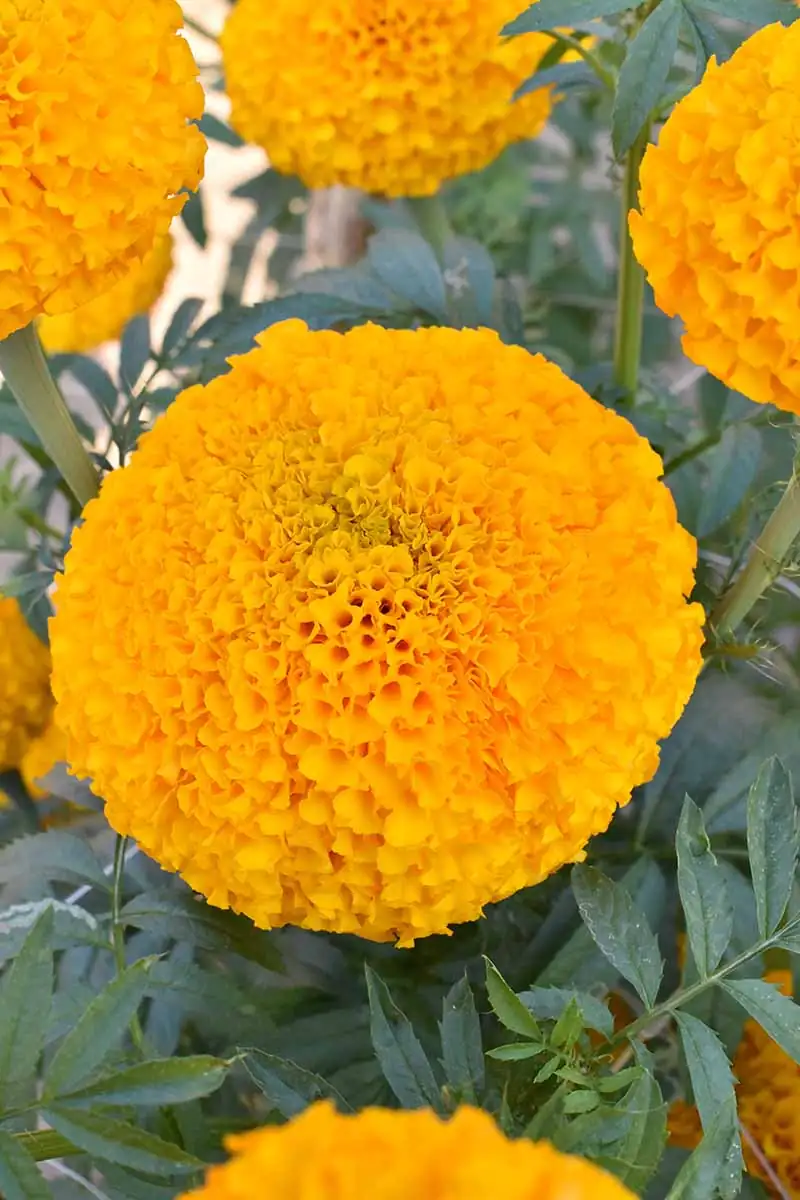
A ring of sunlight you can hold in your hand—that’s what an African marigold feels like. Tagetes erecta bursts into the world with frilled, golden pom-poms and a warm, resinous scent that clings to memory. No wonder this single species, native to Mexico and Central America, carries a passport thick with stories: guiding beloved spirits on Day of the Dead altars, blessing elders as “万寿菊” in Chinese, cascading through South Asian weddings, and wearing Victorian-era shadows of jealousy and grief. Here’s how one plant came to speak so many cultural languages—and how to use it with meaning today.
A Flower With Many Names (and a Clarifying Note)
- Scientific name: Tagetes erecta
- Common names: African marigold, American marigold, Aztec marigold, Mexican marigold
- Chinese: 万寿菊 (wàn shòu jú), literally “ten‑thousand‑longevity chrysanthemum”
- Native range: Mexico and Central America
Fun fact: Despite “African” in one common name, T. erecta is not from Africa. Its globes of yellow, gold, and orange—sometimes with creamy or warm red tones—made it a quick world traveler after the 16th century, when it journeyed from Mesoamerica to Europe and beyond.
Also helpful: Marigold often causes confusion. Calendula (pot marigold) is a different plant entirely. The cultural symbolism below refers to Tagetes erecta.
Mexico: Cempasúchil and the Path Home
In Mexico, Tagetes erecta is cempasúchil—commonly translated from Nahuatl as “twenty-flower,” a poetic nod to its many-petaled, sunburst heads. Its relationship with Día de los Muertos (Day of the Dead) runs deep into pre-Hispanic time.
- Guiding light and fragrance: The flower’s blazing color and musky, heady scent are believed to attract and guide returning souls. Families create paths of petals from doorways to home altars (ofrendas), and in some towns from the cemetery toward the home, so loved ones never lose their way.
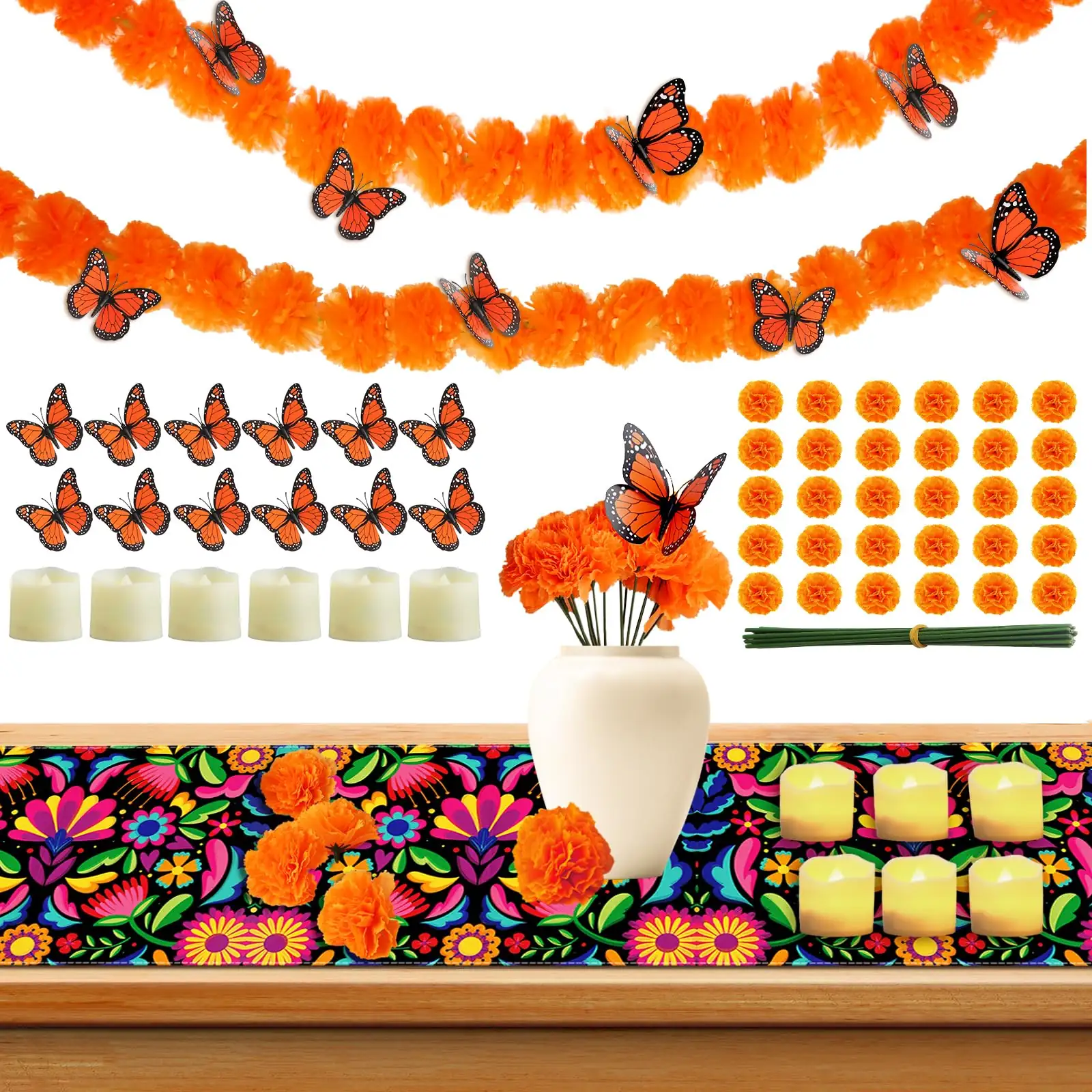
- On the altar: Cempasúchil forms garlands, arches, wreaths, even star shapes. Petals may be placed in a cross on the floor before the ofrenda to “cleanse the feet” of the arriving spirits.
- Myth and memory: Stories link the flower to pre-Hispanic ritual and the realm of the Lady of the Dead (Mictecacihuatl). Over centuries, Indigenous tradition blended with Catholic All Saints/All Souls observances, but the marigold’s role as a luminous guide remains.
At its heart, the marigold here is a bridge: vivid, fragrant, reassuring—a promise that love keeps a light in the window.
China: 万寿菊 and the Language of Long Life
In Chinese, Tagetes erecta is called 万寿菊—“ten‑thousand‑longevity chrysanthemum.” Names matter: this one yokes the marigold’s golden color and sturdy, long-running bloom season to wishes for health and long life.
- Flower language (花语): Longevity, blessings for elders, and respectful admiration.
- Why it resonates: The name itself encodes longevity; the color gold signals vitality and good fortune; the plant’s generous, months‑long flowering supports the idea of an abundant, lasting life.
- How it’s used: As potted gifts or festive plantings for elder birthdays, housewarmings, or family gatherings—moments where respect and well‑being are front and center.
Note on flower language: In China, marigold’s “longevity” meaning flows less from ancient canon than from its modern Chinese name plus color symbolism. That doesn’t make it less potent—just honest about where meanings come from.

South Asia: Garlands of Prosperity and Auspicious Joy
Across much of South Asia, marigolds (particularly the large-flowered T. erecta) are the golden thread of celebration.
- Weddings and festivals: Strung as genda-phool garlands, heaped into door-hanging torans, threaded through arches, and piled on deities, they announce prosperity, purity, and good luck.
- Why marigolds: They’re bold, affordable, long-lasting, and their color reads as auspicious wealth and sun‑energy—perfect for Diwali light, mandap canopies, and procession routes.
- A living talisman: In temples and homes, their sunny “eyes” are thought to please the gods and brighten human thresholds alike.
Victorian-Era Notes: Grief, Jealousy, and Remembrance
When floriography (the “language of flowers”) bloomed in Victorian Europe, marigolds acquired more complicated meanings—sometimes sorrow, grief, or jealousy. The reasoning was part poetic, part moralizing:
- Sorrow: The intense sun-color suggested longing for brighter days; drooping heads in rain became a metaphor for mourning.
- Jealousy: Gold’s allure—and the sun’s singular spotlight—could be read as possessive envy.
- Remembrance: Even in the West today, marigolds can signal memory and commemoration, echoing their Mesoamerican role.
Context matters: Modern givers can lean into remembrance and warmth, but be aware some vintage lists file marigolds under “mixed messages.”
Feng Shui: Where Golden Blooms Work Hardest
Marigolds radiate yang energy—bright, active, celebratory. In feng shui practice, use their gold/orange tones with intention:
- South (Fame & Reputation, fire element): Orange-gold flowers amplify visibility, confidence, and recognition.
- Southeast (Wealth & Abundance): Lush, blooming plants symbolize prosperity and continuous growth.
- East (Family & Health): A respectful nod to elders and lineage; choose vigorous, healthy plants to reinforce vitality.
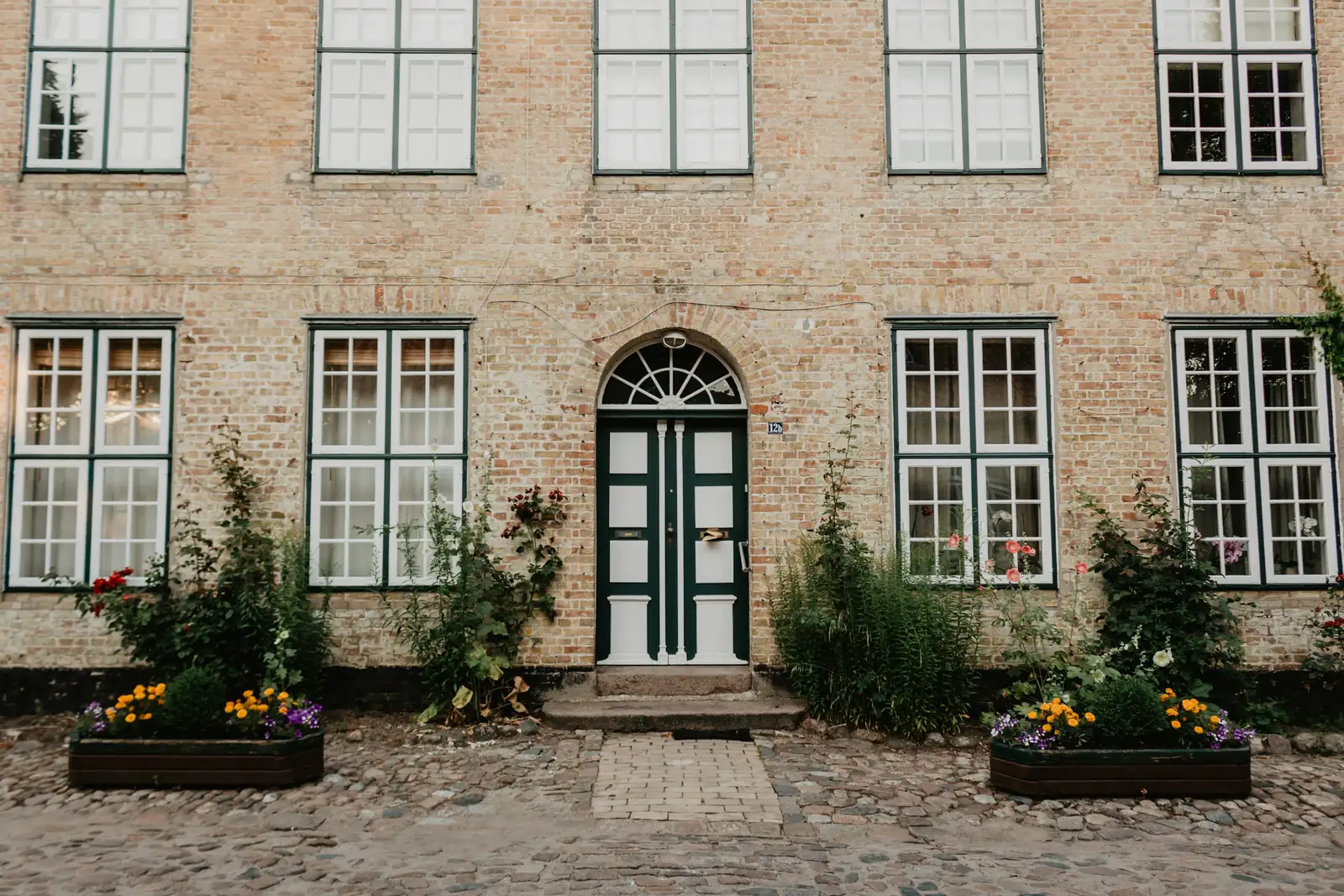
- Entryways and thresholds: Pots flanking a sunny front door beckon auspicious qi inside.
Practical note: Tagetes erecta craves strong sun and free-draining soil. An exuberant, well-flowering plant reads as “thriving energy”; a leggy, underlit one can signal the opposite.
The Art of Gifting Marigolds
Want your bouquet or potted plant to speak clearly? Let culture and occasion guide you.
- For elders (Chinese contexts): Choose vibrant golds; present as a potted plant or arranged in a low, elegant vase. Message: “Wishing you health and long life.”
- For prosperity (South Asian contexts and business openings): Garlands, abundant arrangements, or a pair of sunlit planters by the entrance. Message: “May your home/venture thrive.”
- For remembrance: A thoughtful nod to memory, especially near early November; pair with candles or a handwritten story.
- For romantic love: Use with care in Western contexts due to old floriography; if included, frame them as “sunlight and steadfast warmth,” and blend with roses or chrysanthemums to soften mixed signals.
- Households with pets or sensitivities: Note that marigolds can irritate sensitive skin and may upset pets if chewed. Offer placement tips (outdoors, sunny balcony) along with your gift.
Color cues:
- Gold/yellow: wealth, optimism, longevity
- Orange: vitality, creativity, celebration
- Cream/pale tones: gentler remembrance, new beginnings
How Flower Language Travels (and Why That Matters)
- Ritual first, meaning second: In Mexico and South Asia, symbolism grows from lived ritual—altars, garlands, thresholds—long before it’s codified on paper.
- Names shape meaning: China’s “万寿菊” bakes longevity into the label; repeated use at elder‑centered occasions cements it.
- Books and bouquets: Victorian floriography tried to standardize secret meanings across Europe, sometimes projecting moral lessons onto plants. Today, those lists are a reference, not a rule.
- Your intention counts: A short note clarifying why you chose marigolds—“for your long life,” “to celebrate your new venture,” “in loving memory”—keeps their message true.
Growing the Symbol: A Quick Guide for Meaningful Displays
If you’re placing marigolds for an altar, doorway, or gift, a little horticultural care goes a long way.
- Light: Full sun, ideally 6–8+ hours daily; a touch of afternoon shade helps in extreme heat.
- Soil: Well-draining loam or potting mix; avoid waterlogging.
- Watering: Deeply but infrequently—let the surface dry slightly between waterings.
- Feeding: Moderate fertilizer; too much nitrogen = more leaves, fewer blooms.
- Ongoing bloom: Pinch early to encourage branching, and deadhead to keep the pompoms coming from summer into fall.
By late season, Tagetes erecta often hits its stride—perfect timing for autumn ofrendas, festival garlands, and golden-front-door welcomes.
The Heart of the Matter
Tagetes erecta is a plant of big feelings and bright wishes. In Mexico, it lights the way home; in South Asia, it crowns joy and prosperity; in China, it speaks long life to elders; in Victorian notebooks, it wrestles with grief and jealousy. Across cultures, though, the message converges: with marigolds, we mark what matters—memory, blessing, abundance, and the warm courage to celebrate them in full color.