
Sun-bright and spice-scented, French marigolds (Tagetes patula) look like pocket-sized suns that keep showing up to the party—from summer’s first fanfare to the garden’s last hurrah before frost. But behind those ruffled petals lies a surprisingly layered “flower language,” one that grew from ancient ritual and protective folkways, then bloomed again in Victorian parlor codes, and now shows up in modern feng shui and gift-giving with a warm, protective glow.
Meet Tagetes patula at a glance
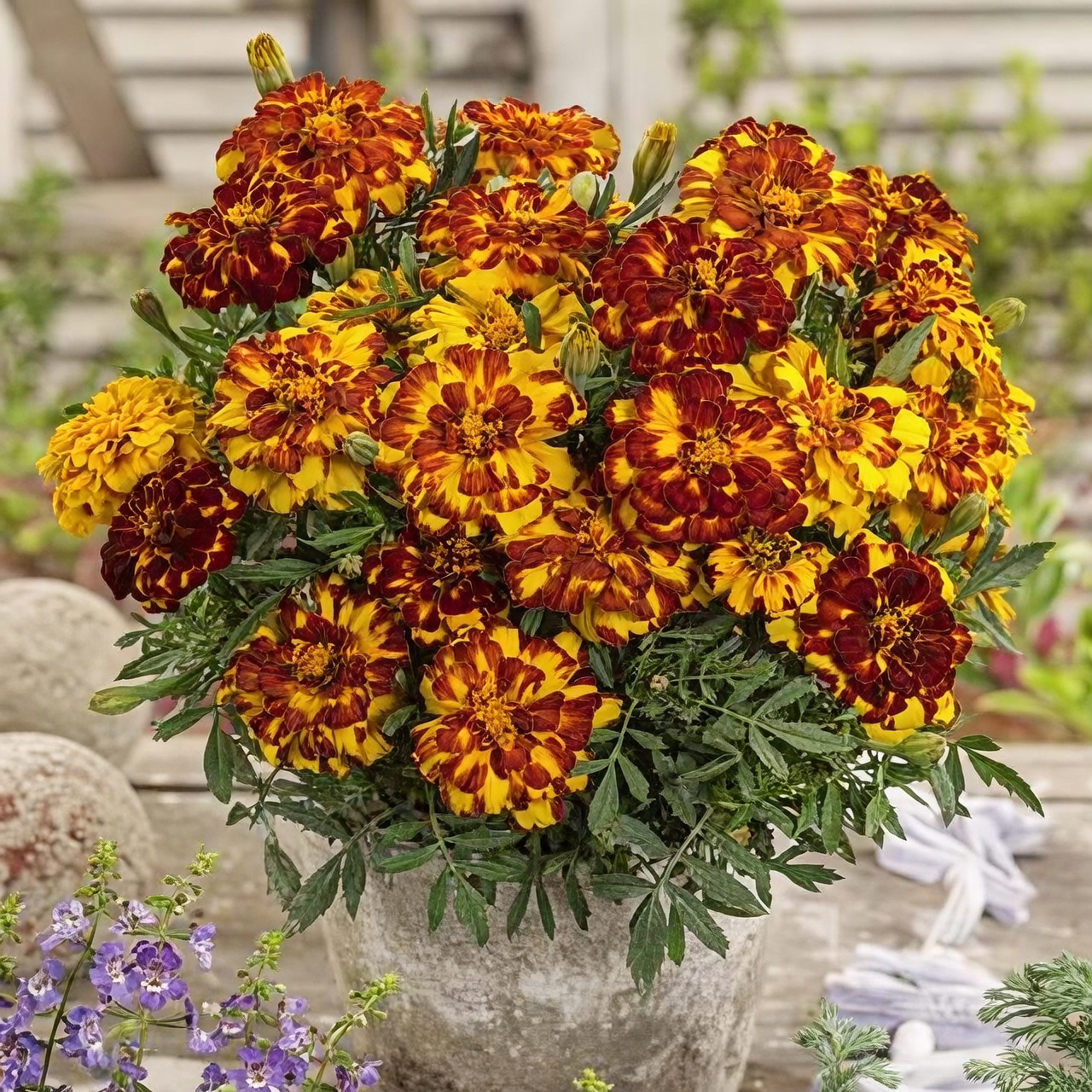
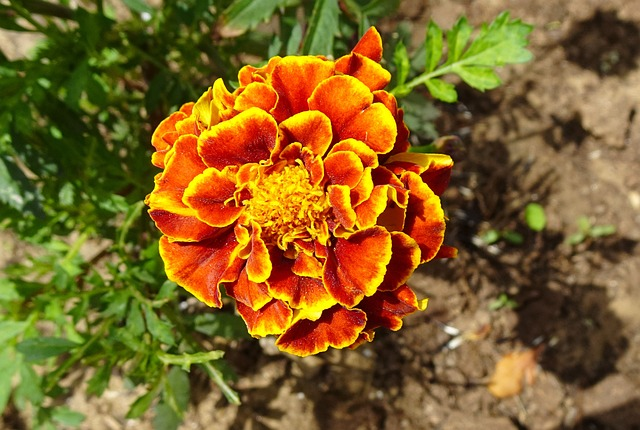
French marigold may be “French” in name, but its roots are proudly Mesoamerican—native to Mexico and Central America—and its exuberant style is pure sunshine.
- Habit: Compact, bushy annual, typically 6–12 in (15–30 cm) tall and 6–8 in (15–20 cm) wide
- Blooms: Frilly, semi- to fully double flowers, 1–3 in (2.5–7.5 cm) across in gold, orange, red, and bicolors (think golden faces with garnet blushing)
- Foliage: Finely divided, fern-like, bright green leaves with a pleasantly spicy, aromatic scent
- Season: Early summer to frost (often slowing in extreme midsummer heat, then roaring back as temperatures ease)
- Personality: Sun-loving, easy-care, drought-tolerant once established, and a top companion plant in veggie beds
That vivid color and tenacious bloom schedule aren’t just pretty—they’re the raw material from which centuries of meaning were made.
How marigold “flower language” formed
Mesoamerican roots: Color as a call, scent as a shield
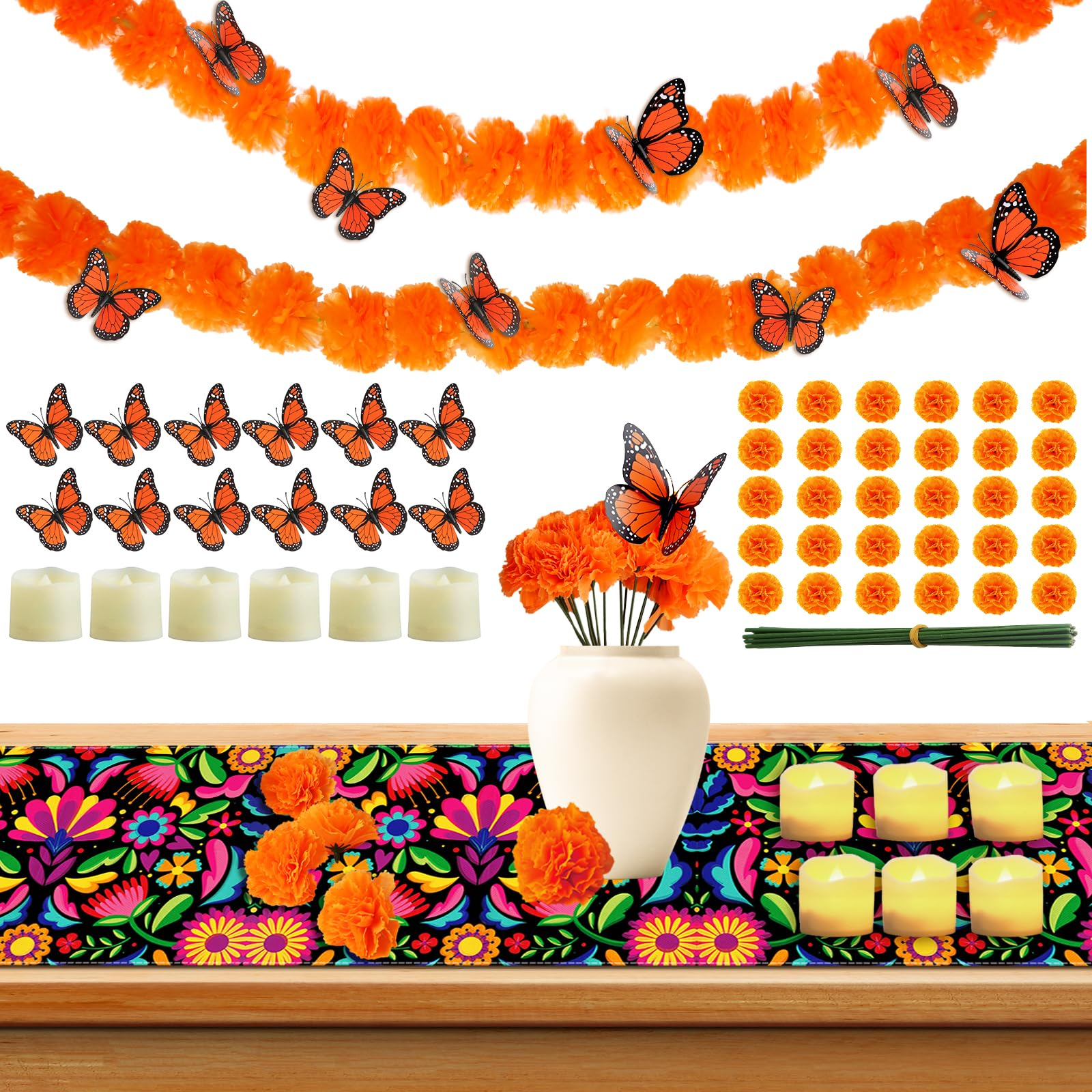
In Mesoamerica, marigolds in the Tagetes clan were woven into ritual, memory, and protection. The brilliant, sun-gold petals and pungent scent were believed to guide and welcome souls—associating the flowers with remembrance and the protective passage between worlds. In Mexican traditions today, marigolds famously appear in Day of the Dead celebrations; while the large-headed garlands are typically made from Tagetes erecta, French marigolds (Tagetes patula) share the same genus, the same sun-struck palette, and much of the same symbolic gravity: light, warmth, memory, and a boundary that keeps harmful forces at bay.
Why did these meanings stick? Two reasons leap out:
- Vivid, solar color: Golds and oranges feel like life itself—an earthly echo of the sun’s path.
- Strong, spicy aroma: In gardens, it discourages pests; in story and ritual, it reads as protection.
In short, Tagetes became a floral shorthand for remembrance and safeguarding—a way to honor what’s loved and keep away what’s not.
The Victorian turn: Floriography refines the message
Centuries later, Europe fell for marigolds’ color and endurance, and the Victorians tucked them into the “language of flowers.” There, the symbolism split and deepened:
- Warmth and passion: Those fiery hues stood for ardor, creative spark, and unwavering affection.
- Bittersweet love and grief: In some dictionaries, marigolds signaled sadness or mourning—an echo of older associations with remembrance.
This Victorian duality didn’t erase the Mesoamerican thread; it reframed it. Marigolds could speak of the love that lights us up—and the ache of love remembered.
What French marigolds came to mean
Put the strands together, and Tagetes patula carries a message that feels both timeless and contemporary:
- Warmth, welcome, and sunny optimism
- Passion and steadfast affection
- Remembrance, with a protective undertone
- A touch of bittersweetness—love’s glow, and its echo
Color cues you can read (and gift)
- Golden yellow: Cheer, warmth, and steadfast friendship—an everyday sunbeam
- Orange: Creativity, confidence, and protective “fire” at the threshold
- Deep red or red-gold bicolors: Passion, loyalty, and that Victorian hint of love’s complexity
Modern life, modern meanings
Feng shui: A pocketful of sunshine for your space
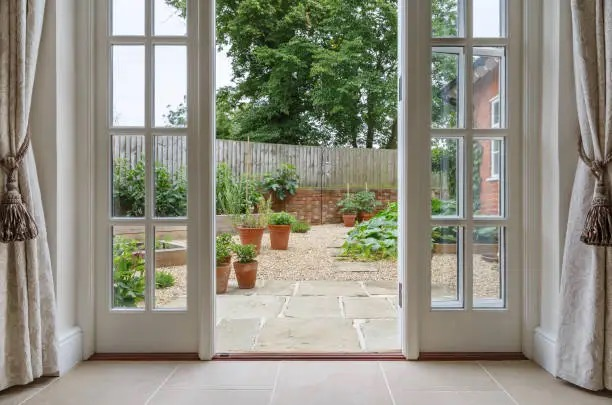
Marigolds are natural mood-lifters: they radiate bright, yang energy and symbolically “warm” a home.
- Where to place them:
- By an entryway to create a welcoming, protective threshold
- On a sunny balcony or patio to amplify vitality and joy
- In areas you associate with recognition, inspiration, or family gatherings to encourage warmth and connection
- How to use them:
- Group in sunny-toned clusters for a stronger energetic “glow”
- Keep plants healthy and blooming—fresh, lively chi depends on fresh, lively flowers
Think of them as living lanterns: small flames that brighten, protect, and uplift.
Gift-giving: Messages that land with heart
French marigolds are charming as cut stems in casual bouquets, but they truly shine as potted gifts—long-blooming, easy to care for, and delightfully scented when brushed.
- Perfect occasions:
- Housewarmings: “May your home be bright, lucky, and welcoming.”
- Milestones and launches: “To passion, creativity, and courage.”
- Remembrance and sympathy: “Holding love and memory in the light.”
- Thank-yous and get-well wishes: “Steadfast warmth and brighter days ahead.”
- Simple pairings to deepen the message:
- With rosemary sprigs for remembrance
- With sunflowers or zinnias for vitality and optimism
- With herbs in a kitchen planter for protection and good fortune
Tip: When buying, choose sturdy plants with healthy green foliage and plenty of tight buds. Bud-rich gifts bloom longer after delivery and keep the meaning going.
Cultural continuity: From ritual to everyday life
Across cultures, marigolds remain emblems of celebration, protection, and devotion. In Mexico, their role in honoring the departed keeps the remembrance thread vibrant. In South Asia and beyond, marigolds appear in offerings and festive garlands as auspicious, life-affirming color. French marigolds—compact, generous bloomers—translate that same spirit into window boxes, thresholds, and the corners of urban patios, where a single pot can feel like a festival.
Grow your own symbols (it’s easy)
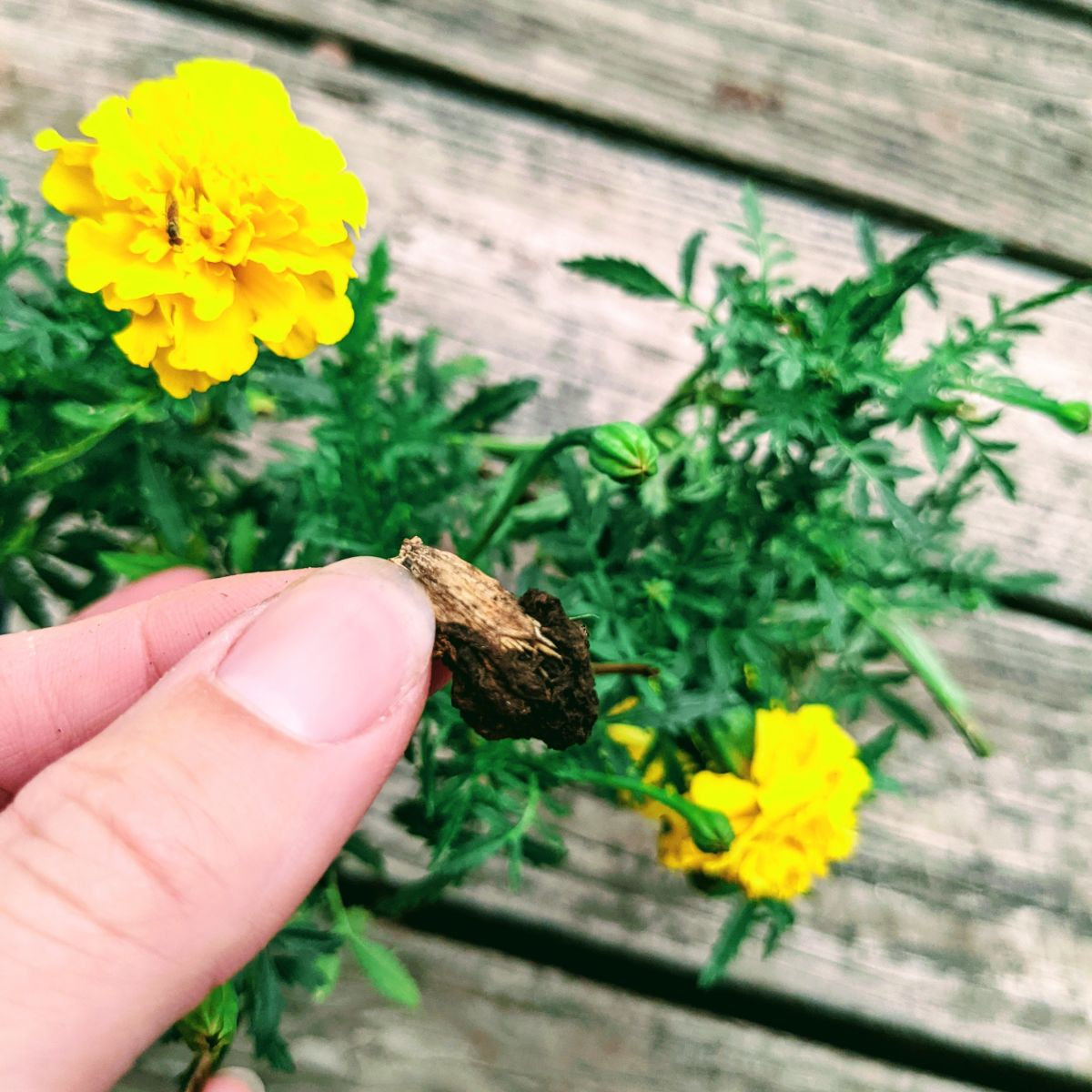
If you’ve ever wanted meaning you can water, French marigolds deliver.
- Sun and soil: Give them full sun and well-drained soil; they tolerate light afternoon shade in very hot climates.
- Watering: Water well to establish. Then let the topsoil dry before watering again; they’re fairly drought-tolerant but bloom best with steady moisture.
- Feeding: Go light—too much nitrogen means leaves over flowers.
- Pinch and deadhead: Pinch early to encourage bushiness; remove spent blooms to keep the show going.
- Timing: Start seeds indoors 6–8 weeks before your last frost or sow outside after frost risk passes. Expect germination in 7–14 days in warm soil.
- Seasonality: They flower best around 68–75°F (20–24°C) and keep going until frost. Not frost-hardy.
- Bonus meaning in the veggie patch: Their roots help suppress certain soil pests like root-knot nematodes, and their scent can discourage nibbling wildlife—practical “protection” that mirrors their symbolic role.
Why French marigold symbolism endures
A flower’s language endures when it matches what we feel. Tagetes patula looks like warmth and acts like a guardian—glowing color, generous bloom, sturdy nature, and a scent that seems to draw in what we love and fend off what we don’t. From Mesoamerican altars to Victorian parlors to a bright pot by your front door, French marigolds keep saying the same, sunlit thing: Remember with love. Live with warmth. Walk protected in the light.
And that might be the most eloquent message a small flower can speak.