


Imagine a cool Southern African morning: mist bleeds into marshland, and out of the reed-wet hush rise white flags—sleek, sculptural funnels wrapped around golden spires. They are not lilies at all, but the calla lilies so many of us know by heart: Zantedeschia aethiopica, the arum of streamsides and pond margins. From these soggy, glittering origins, the plant began a globe-spanning journey—riding with explorers and plant hunters into Europe’s early gardens, inspiring breeders to paint a rainbow of hybrids, and ultimately taking its place as a wedding icon and a cut-flower star.
Where the story begins: marshes, mountains, and morning light
Zantedeschia aethiopica is native to Southern Africa—especially South Africa and Lesotho, with sources also citing Eswatini—where it thrives in or beside water. Think clumps along stream banks, pond edges, and marshy seeps, from coastal flats to cool uplands. In these habitats the plant can be seasonally deciduous or evergreen depending on rainfall; in constantly wet spots it often keeps its leaves year-round.
- Growth habit: clump-forming perennial from a thick rhizome (often sold like a bulb)
- Typical size: about 30–90 cm tall, often filling a 60 × 60 cm footprint in good conditions
- Foliage: glossy, arrow-shaped leaves—solid green or attractively speckled in some forms
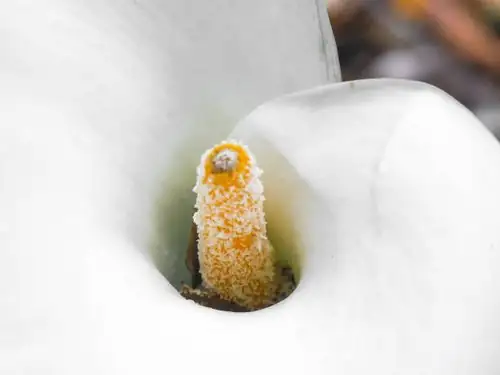
- Inflorescence: what looks like a single petal is a spathe (a modified leaf) elegantly wrapped around a central spadix packed with tiny true flowers
- Season: spring through autumn, often peaking from late spring to midsummer in containers and indoor culture
In the wild, it is a master of damp places—“bog-loving” while actively growing. Yet that same devotion to moisture comes with a twist: once the bloom cycle ends, the plant naturally winds down. Foliage yellows, then collapses as the rhizome slips into rest. That ebb-and-flow rhythm is the secret to growing it well.
Anatomy of elegance
Up close, the spathe is architecture—a crisp funnel or flared cone that in the classic species is pure white. The spadix at its center is where the real flowers live, and that tidy, unblemished spadix is one of the best tells of a premium stem for the vase. Many modern forms also carry dapper white speckles across their leaves, like a tuxedo lining you only notice when the plant catches the light.
From Cape shipments to salon centerpieces
Seventeenth-century Europe had an unquenchable thirst for botanical marvels, and callas were early celebrities. Cape-grown plants were circulating by the 1660s, cherished for their bold shapes and bridal purity. Later, taxonomy would catch up to the fashion: the plant Linnaeus once described as Calla aethiopica was placed in a new genus, Zantedeschia, honoring an Italian botanist, Giovanni Zantedeschi.
From private collections the species spilled into botanic gardens and commercial nurseries, then into parks and city flower markets. Gardeners discovered its love of steady moisture and bright, filtered light. Florists discovered something even more transformative: harvested at just the right moment, the spathes lasted and lasted in water with poise you could arrange by the armful.
As cultivation widened, so did the species’ footprint. In many places it remains a beloved garden perennial; in a few mild, wet regions it has naturalized and can be problematic near waterways. Wherever it grows, its silhouette is instantly recognizable.
The birth of the rainbow
If Zantedeschia aethiopica is the cool, sculptural original, modern “colored callas” are its dazzling cousins. Breeders began crossing species within the genus—introducing hues from butter yellow to mango, rose, plum, burgundy, and near-black, often with speckled leaves and compact, pot-perfect habits. The results: a gallery of greenhouse and patio stars that bloom reliably in containers and perform brilliantly as cut flowers.
- Classic species: usually white spathes; larger, marsh-friendly plants
- Colored hybrids: yellows, pinks, reds, purples, near-black; often more compact with speckled leaves; superb for pots and bouquets
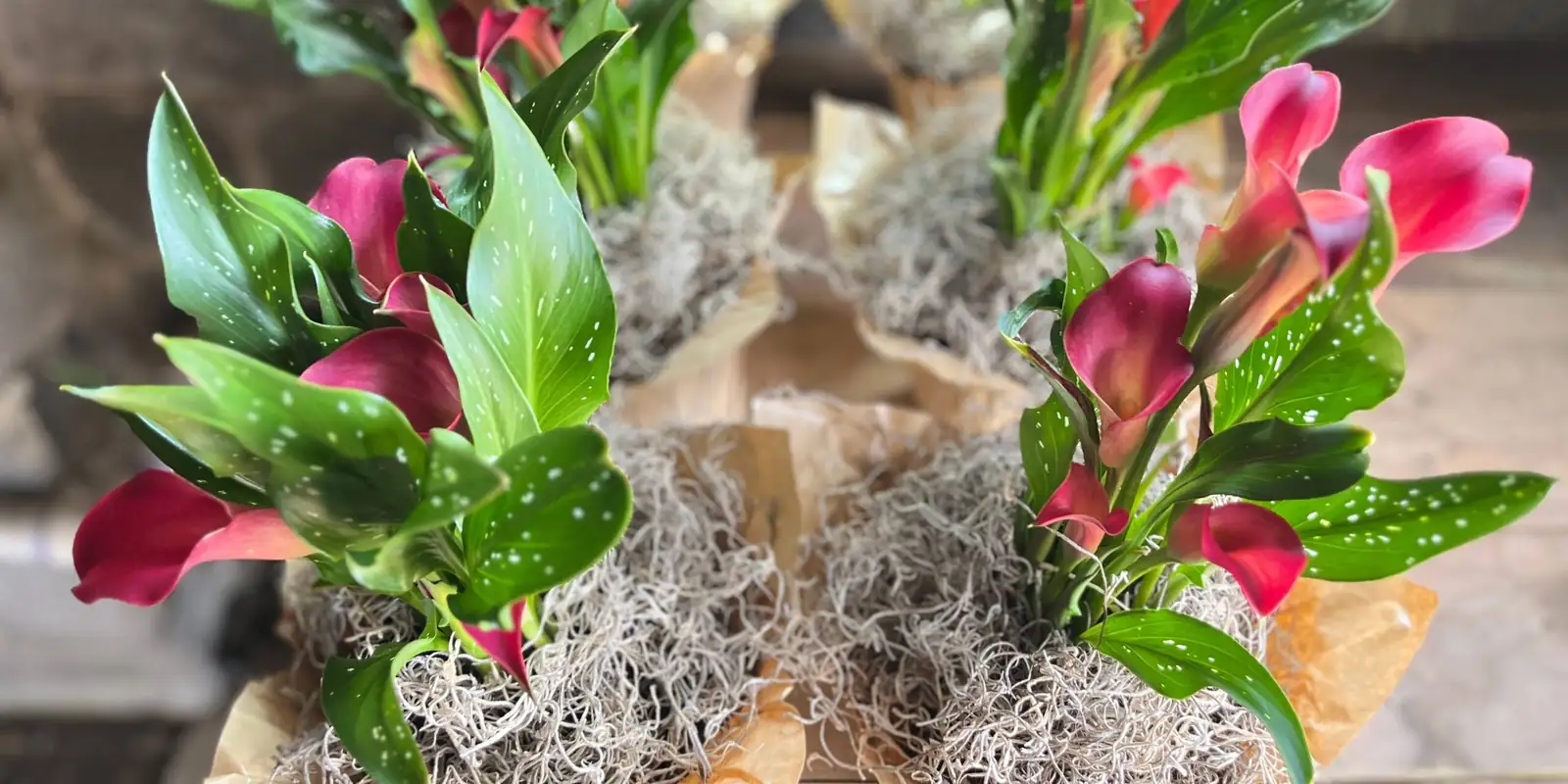
Today, nurseries from Southern Africa to Europe and beyond offer callas in every mood: minimalist white for architecture and aisle runners; jewel-toned hybrids for modern palettes and event drama.
Why weddings fell in love
Calla lilies are a designer’s dream: clean lines, sculptural presence, and a refined austerity that makes every stem count. Their symbolism—especially in white—has long been tied to purity and sympathy, which is why they appear both at the altar and in remembrance.

For cuts, timing is everything:
- Choose stems with spathes nearly fully unfurled, pristine and unbruised
- Look for an intact, tidy spadix
- Keep the spathe dry in arrangements to avoid spotting or rot
Handled this way, callas offer an impressively long vase life and a graceful fade, making them a staple in wedding work and high-end bouquets around the world.
Growing your own: wet feet in season, a winter nap later
Think like a marsh—while the plant is active. Then think like a desert—when it rests.
- Light: partial sun to bright, filtered light. Indoors, an east window or a south window with a sheer curtain is ideal. In hot climates, protect from harsh midday sun.
- Temperature: best performance in cooler-mild conditions around 10–20°C (50–68°F); it can still grow well around 15–25°C (59–77°F). Protect from frost. Prolonged heat above about 25°C (77°F) or chill near/below 5°C (41°F) can push it into dormancy or reduce flowering.
- Humidity: moderate is fine; in very dry air, lightly mist leaves (never the blooms).
- Soil: fertile, humus-rich, moisture-retentive yet well-drained mix—loam + peat/coir + sand/perlite, plus a pinch of well-rotted compost/manure.
- Watering: during active growth and bloom, keep the mix consistently moist but not waterlogged. After flowering, gradually reduce water; keep almost dry through dormancy to prevent rhizome rot.
- Feeding: every two weeks with a balanced liquid feed during active leaf and bud growth. Ease off once flowering is in full swing or as the plant winds down.
Potting and division
- Containers: use a pot wider than deep for better drainage; for small displays, a 12–15 cm pot can work—many growers plant 3–5 rhizomes for a fuller show.
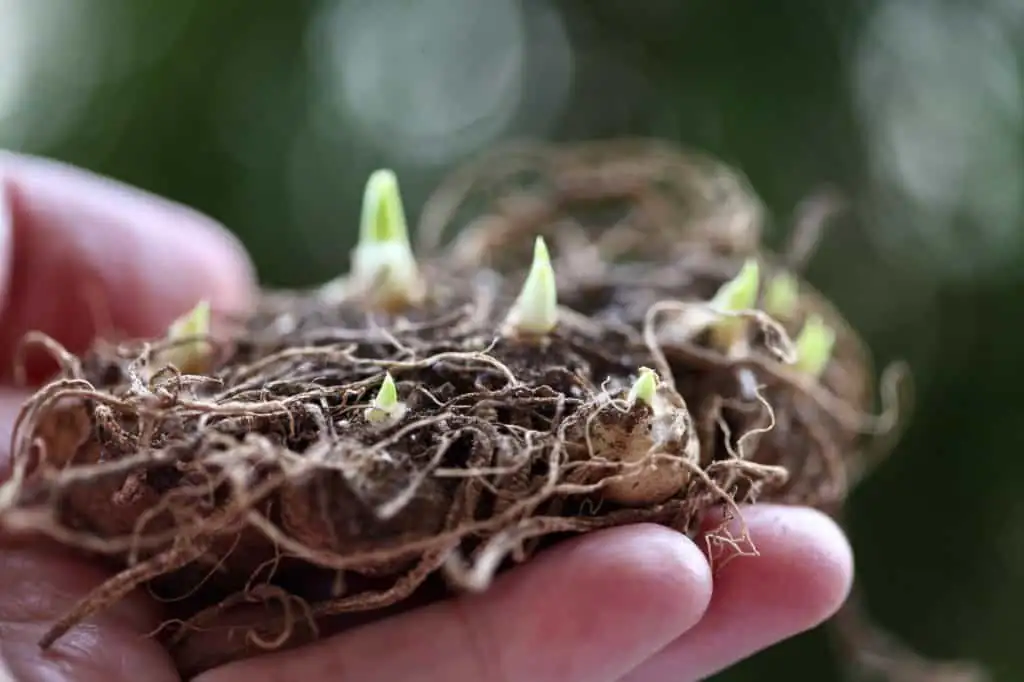
- Planting: set rhizomes with the eyes (growth points) facing up; many growers leave the top slightly exposed to reduce rot risk.
- Repotting: during the resting season (winter) or just before growth resumes (late winter).
- Propagation: divide offsets from the rhizome after flowering or when repotting; seed is possible but slow (usually 3–4 years to bloom).
A simple calendar by rhythm
- Spring to late summer (active growth): bright filtered light; steady moisture; feed every 2 weeks.
- Flowering: keep moisture steady; avoid wetting spathes; reduce or stop feeding once bloom is established.
- Autumn: foliage often yellows and dies back naturally.
- Winter (dormancy): keep almost dry, cool, and frost-free; repot or refresh mix now.
- Late winter: reposition rhizomes with eyes up; move into brighter light; resume watering gradually as shoots appear.
Troubleshooting and safety
- Common pests: aphids, spider mites, thrips, mealybugs—improve airflow, rinse foliage, and use insecticidal soap or horticultural oil if needed.
- Biggest pitfall: rhizome/root rot from soggy soil during rest. Keep it much drier in dormancy and ensure drainage.
- Toxicity: all parts are toxic if chewed or eaten due to insoluble calcium oxalate crystals—keep away from pets and children; wear gloves if you have sensitive skin.
Flower language, thoughtfully unpacked
The “flower language” of calla lilies leans heavily on cultural associations of whiteness with purity, elegance, and solemnity. That’s why white callas dominate weddings and memorials. But remember:
- These meanings are cultural constructs, not botanical facts
- Colored callas expand the vocabulary—soft pinks and peaches for tenderness, deep plums and near-black for dramatic sophistication
- In some gifting traditions, people prefer even numbers of stems and may avoid a single stem; always consider the recipient’s customs and context
Ultimately, the truest meaning comes from how you use them: a single white spathe can say “I see you” with stunning clarity; a gathered armful can read as a promise of abundance.
Back to the marsh
Trace any bouquet or patio pot of callas back far enough and you’ll find yourself on a Southern African waterside, where rhizomes knit themselves into the mud and sleek white spathes lift with morning light. From there, the species boarded ships, bloomed in palace gardens, and sparked a breeding renaissance that turned one elegant form into an entire spectrum. And yet the plant’s core request remains beautifully simple: give me bright, gentle light; wet feet when I’m awake; a dry, peaceful nap when I’m done. Do that, and Zantedeschia aethiopica will repay you with the same quiet drama that once stopped explorers in their tracks—and now stops wedding guests mid-aisle.