

If winter had a neon sign, it would probably spell Pericallis × hybrida. Just when days are still short and jackets still zipped, this potful of electric daisies—better known in shops as florist’s cineraria—erupts in vivid purples, pinks, and those rare, unforgettable blues. Its story arcs from wind-battered Atlantic islands to Victorian glasshouses to a modern-day name change, with breeders obsessing over a single question: how blue can we make it?
Born on ocean islands: the Macaronesian roots
Imagine the Canary Islands—part of Macaronesia—where ocean fog and sun carve out miniature worlds on cliffs and barrancos. Among these island daisies, gardeners found the raw materials for a future star. The plant we buy today is a garden hybrid derived mainly from Canary Islands species in the genus Pericallis. You’ll often see two names linked to its ancestry—Pericallis cruenta and P. lanata—standing in as emblematic island parents that shaped its daisy form and saturated color.
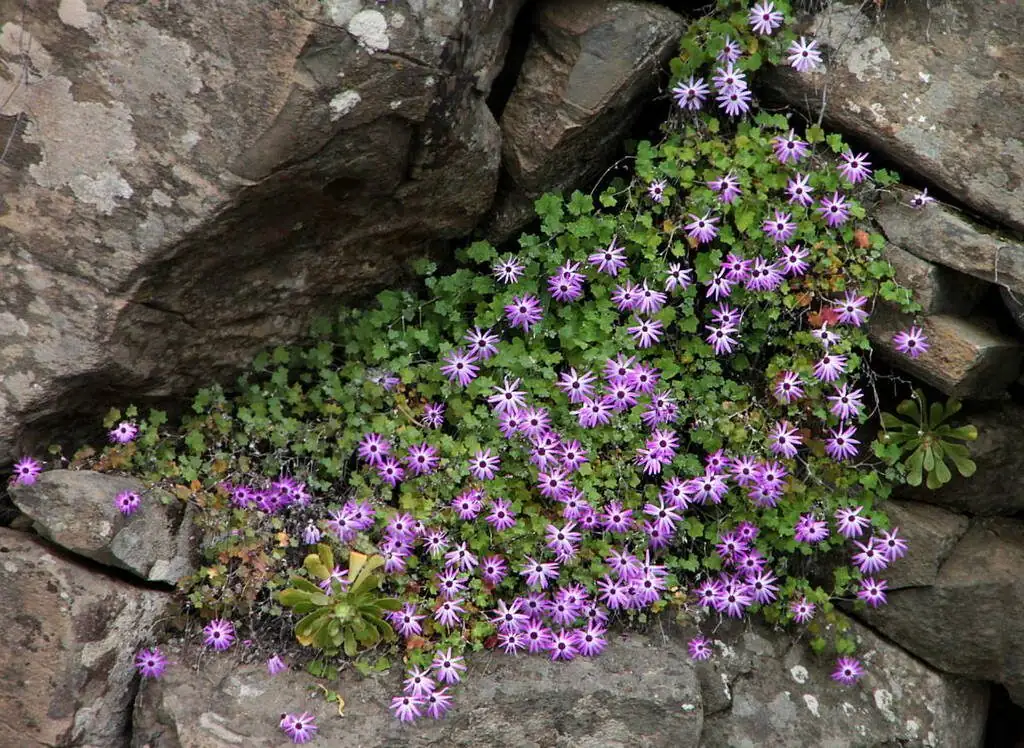
Those islands also hint at the plant’s preferences:
- Bright light without harsh, scorching midday sun
- Cool days and cooler nights
- Consistently moist but airy soils
In other words, the very conditions that make Pericallis × hybrida look its best in late winter and early spring are stitched into its DNA.
From royal crosses to parlor celebrity
By the late 18th century, British royal gardeners were already experimenting with Canary Island Pericallis, and 19th‑century breeders ran with it. Victorian florists had a talent for turning wild island scruff into indoor finery, and they shaped this plant into the classic “mounded dome”: a tight cushion of soft, triangular, wavy-edged leaves capped by a rounded, perfectly even canopy of daisies. The ideal display was—and still is—an even hemisphere with roughly a quarter to a third of the blooms open and a galaxy of buds yet to pop.

One secret these growers learned early: cool air keeps the show tight and saturated. At 10–15°C (50–59°F) with brilliant light, stems stay compact, colors intensify, and flowering lingers. Warm rooms make it stretch, thin, and finish early—an instant giveaway that someone’s treated a cool-season diva like a tropical.
Chasing the electric blue
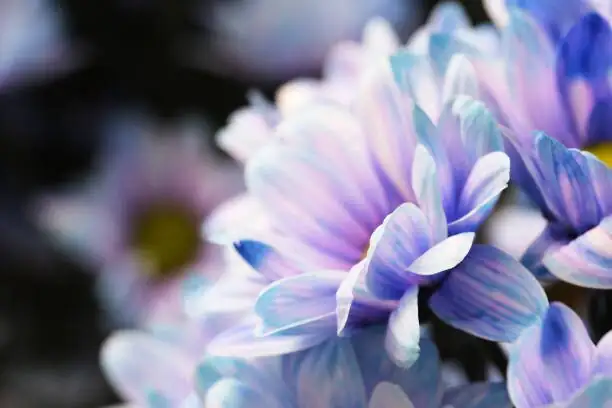
Why the fixation on blue? Because true, saturated blues are scarce among indoor flowering pots. Breeders selected relentlessly for those cool-spectrum anthocyanin tones—cobalt rays, cornflower rims, icy eyes—while also refining the plant’s habit into ever-neater domes. Culture plays a part too:
- Brighter light plus cool temps push pigments toward cleaner, deeper color.
- Heat blurs the effect—petals can dull, stems loosen, and the “dome” collapses into a loose bouquet.
The modern trade still prizes those blues, alongside vivid violets, magentas, pinks, whites, and crisp bicolors with starry contrasts.
The plant with three names: Cineraria, Senecio, Pericallis
If you’ve felt whiplash in the label aisle, you’re not alone.
- Once upon a time, many plants were sold as “Cineraria.”
- Taxonomy tightened: the genus Cineraria is now primarily South African; Canary Island species moved to Pericallis.
- Some botanists still nest the group within a broader Senecio concept, and the trade often lingers under “Cineraria.”
Today, the florist’s favorite is best understood as Pericallis × hybrida, even if the pot tag says “cineraria” or your aunt swears it’s a Senecio. In Chinese you’ll see it as 瓜叶菊. In the flower market, the name may wobble—but the plant is unmistakable.
How florists keep that perfect dome (and you can, too)
Think like a Victorian grower and stage it for cool-season glory.
- Light: Very bright light indoors (east or sunny south window). Outdoors in cool weather, give morning sun and afternoon shade.
- Temperature: Sweet spot is 10–15°C (50–59°F). Avoid sustained days above 20°C (68°F). Protect from frost.
- Water: Keep the potting mix evenly moist but never soggy. Let the surface dry slightly, then water; empty saucers right away.
- Airflow and humidity: Moderate humidity with fresh air helps prevent gray mold (Botrytis) and powdery mildew. Try not to wet the flowers.
- Grooming: Deadhead to stay neat; after the first flush, cutting back to 10–15 cm (4–6 in) can sometimes prompt a smaller second round if conditions remain cool and bright.
- Size and habit: Expect about 20–45 cm (8–18 in) tall and wide, typically finished in 12–15 cm (4.7–5.9 in) pots; compact, mounded, and short-lived.
Common pitfalls:
- Heat and dim light = leggy stems, thin leaves, faded color, short bloom.
- Soggy compost = root rot.
- Stagnant, humid air = Botrytis and mildew.
- Watch for aphids in spring; whitefly and spider mites can appear in warm, dry rooms.
Seed, speed, and the brief brilliant life
Breeders historically raised these from seed, and you can, too.
- When to sow: Late summer to autumn (often August–October).
- How: Surface-sow (do not cover), keep evenly moist (bottom watering helps), and germinate at 21–24°C (70–75°F) for about 1–2 weeks.
- Potting on: Move to small pots at 3–4 true leaves, then step up as roots fill.
- Time to bloom: Roughly 3–5 months from sowing under good light and cool culture.
Note: Named hybrids rarely come true from seed, which is why many people simply enjoy the show and replace the plant next season.
Flower language: cheer that outlasts winter
Victorian floriography—those coded bouquets and meanings—blossomed alongside the era’s conservatory craze. Pericallis × hybrida arrived just in time to become a winter–spring emblem of brightness amid gloom. Its commonly cited symbolism—lasting joy, happiness, a steady kind of cheer—makes cultural sense: few plants flood late winter with such saturated, buoyant color. The irony? Its beauty is fleeting unless you keep it cool. Do that, and “lasting joy” feels less metaphor and more week after week of real color therapy.
Quick field notes
- Also known as: Florist’s Cineraria, Cineraria, Common Cineraria
- Family, genus: Asteraceae; Pericallis
- Origin: Garden hybrid primarily from Canary Islands species (Macaronesia)
- Flowering season: Winter to spring; can extend into spring or early summer with good culture
- Colors: Vivid purples, pinks, blues, whites, and striking bicolors; clear blues are especially prized
- Placement: The brightest cool window you have; keep away from heaters and hot drafts
- Soil: Fertile, loose, well-draining potting mix; keep evenly moist
- Safety: Guidance varies across references—best to keep away from pets and children and avoid ingestion
A timeline in a teacup
- Late 1700s: Canary Island Pericallis cross-pollinated in British gardens; the hybrid begins its cultivated life.
- 1800s: Victorian florists refine it into the compact, domed parlor star; blues become the holy grail.
- Late 20th century onward: Canary Island “cinerarias” reassigned as Pericallis; trade names and old labels linger; breeding continues to sharpen blues and habit.
From ocean cliffs to conservatories to your windowsill, Pericallis × hybrida has always been about two things: clarity of color and cool composure. Give it both, and those legendary blues will sing.