

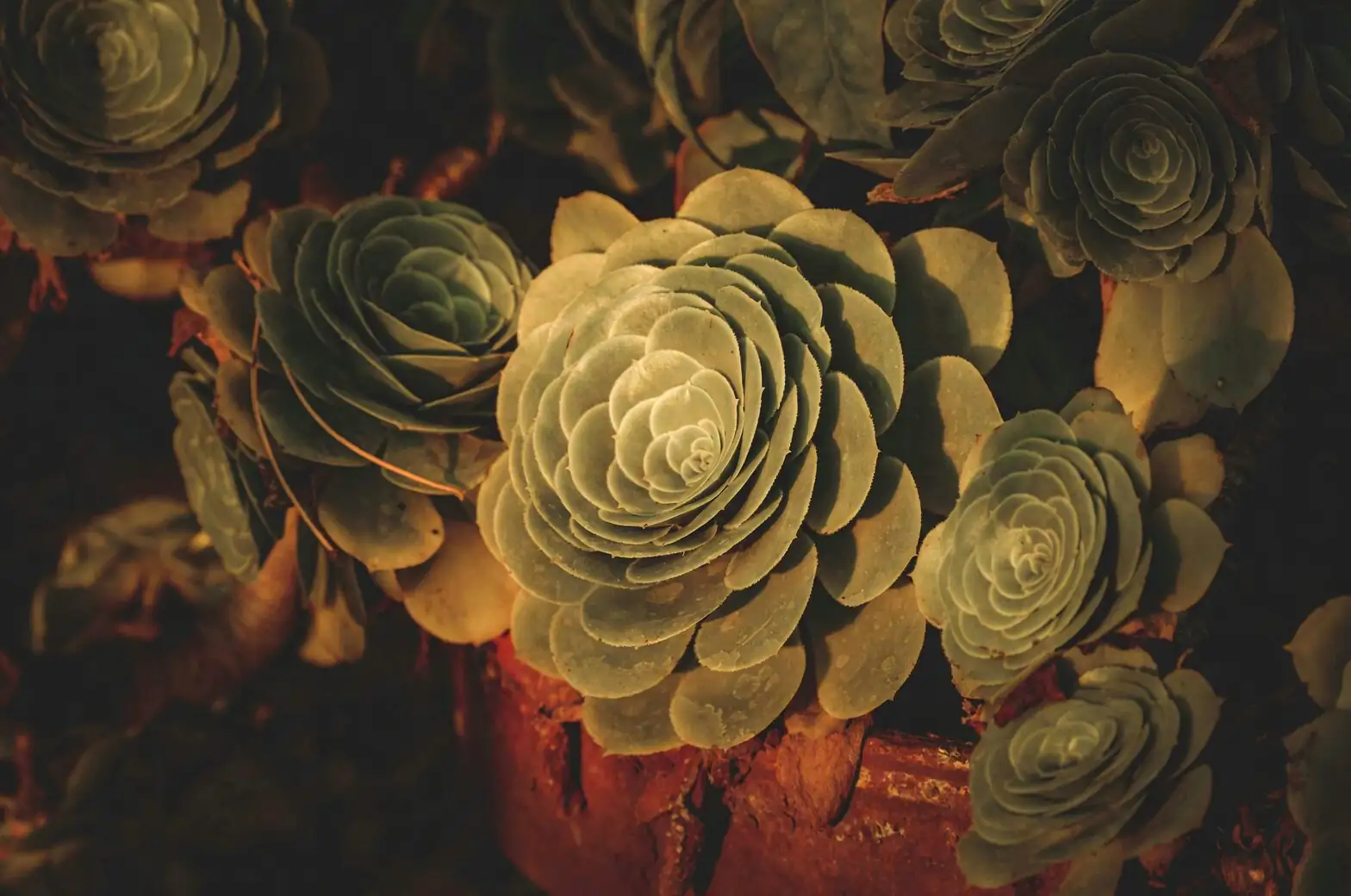
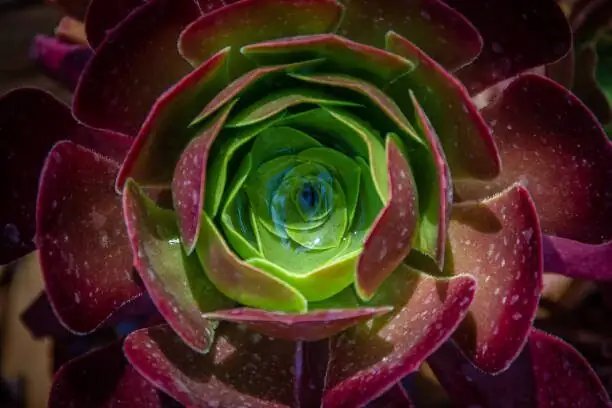
From windswept volcanic slopes to city balconies, few succulents have a backstory as dramatic as the almost‑black rosettes of Aeonium arboreum ‘Zwartkop’. Picture a bouquet of glossy, near‑black roses—only they’re not roses at all, but sculptural rosettes perched on branching, woody stems. They glow deepest in strong light and cooler seasons, then soften to burgundy as days warm. How did a Canary Islands tree‑aeonium become this modern garden icon—and why do some sources keep bringing up Morocco? Let’s trace the journey.
From lava to living sculpture: the species behind the star
Aeonium arboreum—the “tree aeonium”—is a rosette‑forming succulent in the Crassulaceae family. In its home range in the Canary Islands (part of Macaronesia), it grows on sunny, weathered volcanic slopes, catching ocean light and cool breezes. That environment shaped the plant we know today:
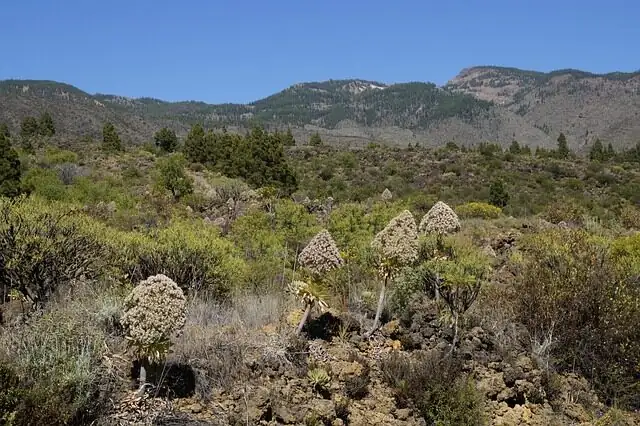
- Rosette architecture: spoon‑shaped leaves gather in tight, symmetrical rosettes atop upright, branching stems.
- Cool‑season rhythm: growth is strongest from autumn through spring; in hot summers, many aeoniums slow down or semi‑rest.
- Spring spectacle: mature rosettes can send up conical clusters of small, starry yellow flowers—then that particular rosette declines, while side rosettes carry on.
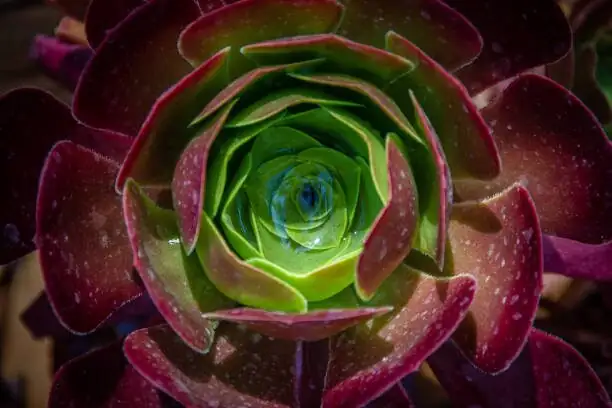
‘Zwartkop’ is a cultivated selection of this Canary Islands species, prized for foliage so deep burgundy‑purple it can read as black—especially in strong light and cooler weather.
So where does Morocco come in?
If you’ve fallen into a late‑night search rabbit hole, you’ve probably seen Morocco mentioned next to Aeonium arboreum. Here’s why that happens—and what’s actually going on.
- Botanical consensus: Aeonium arboreum is native to the Canary Islands in Macaronesia.
- Why Morocco shows up in sources:
- Naturalized populations: Aeonium arboreum has been grown and moved around the Mediterranean for centuries. Coastal Moroccan occurrences are widely treated as introduced (neophyte) rather than native.
- Genus geography blur: The genus Aeonium includes species native to both Macaronesia and parts of North Africa. In gardening literature, that wider “Canary Islands–Morocco/Macaronesian” shorthand sometimes sticks to A. arboreum specifically.
- Horticultural labeling: Over time, trade plants (including hybrids) and regional selections blended in commerce, and some references generalized the origin.
- Bottom line: think Canary Islands for the species’ native home; think “broader Macaronesia–Morocco” as a horticultural echo of where the genus is seen and where the species has long been cultivated or naturalized.
The making of ‘Zwartkop’: a dark‑leafed icon
The cultivar name ‘Zwartkop’—Dutch for “black head”—is the standard horticultural name for this striking dark form. In gardens and containers, it behaves like a living piece of architecture:
- Color play: near‑black in high light and cool seasons; more burgundy, reddish‑purple, or even slightly green‑centered during active growth or in lower light.
- Habit and size: a low, branching succulent shrub. Kept compact in pots as a young plant (often around 10 cm/4 in tall), it can mature to roughly 60 × 60 cm (24 × 24 in) with age, pruning, and container size.
- Flowers: star‑shaped, yellow; the blooming rosette is monocarpic (declines after flowering), but offsets keep the plant going.
It’s a natural for modern containers, Mediterranean‑style plantings, and sunny windows where silhouette matters as much as color.
What ‘Zwartkop’ wants: habitat‑informed care
Light
- Full sun to very bright light; tolerates bright partial shade.
- Indoors: give it the brightest window you have. In deep shade it greens and stretches.
- In heatwaves or behind glass, filter harsh midday sun to prevent scorch.
Temperature and hardiness
- Happy range: about 10–24°C (50–75°F); vigorous growth around 20–25°C (68–77°F).
- Tender and frost‑sensitive: keep frost‑free. As a practical minimum, protect it above ~6°C (43°F); take extra care as temperatures approach 0°C (32°F).
Watering rhythm
- Active seasons (typically autumn through spring): water deeply, then let excess drain; water again when the top layer dries. Never leave it sitting in water.
- Summer semi‑dormancy: keep the mix almost dry; offer small “sips” only if rosettes start to wrinkle.
- Cool rooms in winter: go easy—cool + wet is a rot trap.
Tip for experimenters: Water culture is possible but riskier than soil. If you try, keep only part of the roots in water (some above the line), feed in spring/autumn, and switch to plain water during summer and winter.
Soil and potting
- Use a fast‑draining cactus/succulent mix. Blend a standard potting base with generous grit/coarse sand/pumice for airflow.
- Common pot sizes for small‑to‑medium plants: 12–15 cm (4.7–5.9 in)—always with drainage holes.
- Never let the mix stay waterlogged; drier in summer heat and in cool winter rooms.
Feeding
- Feed only in the main growth window: monthly at half‑strength with a balanced fertilizer or a low‑nitrogen succulent feed across winter through late spring and/or spring and autumn.
- Skip feeding during summer dormancy to avoid weak, stretched growth.
Pruning, shaping, and rejuvenation
- Remove shriveled lower leaves as needed.
- After bloom, let the spent rosette dry, then remove it.
- To keep plants compact and branching, cut back leggy stems; many growers restart from cuttings every 2–3 years for a tidy “tree” of rosettes.
Repotting and placement
- Repot in spring, moving up just one size and refreshing the mix every 2–3 years (annually for fast growers).
- Placement: bright windowsill, sunroom, or strong grow lights indoors; outdoors on a bright patio in warm seasons with midday protection during heat spikes. East exposure (morning sun) is excellent.
Humidity
- Prefers low to average household humidity with good airflow. High humidity + low light = stretch and rot risk.
Propagation: keeping the lineage alive
- Stem cuttings (best): take a healthy rosette with a short stem, let it callus for several days, then place into a dry, gritty mix. Begin light watering only after roots form; expect rooting in about 3–4 weeks in good conditions.
- Offsets: pot up naturally produced side rosettes.
- Seeds: surface sow in spring or autumn; keep around 20–22°C (68–72°F) with steady moisture and ventilation. Germination is often 9–14 days.
Pests, diseases, and easy wins
- Usual suspects: mealybugs, aphids (especially on flower stalks), whiteflies, and scale.
- Response: treat early with insecticidal soap or horticultural oil; repeat as needed.
- Biggest health risk: root/stem rot from soggy mix, low light, or cool/wet conditions. Improve drainage, light, and airflow; let the mix dry appropriately between waterings.
- Leaf spot/rust can appear in damp, stagnant air—avoid wetting foliage late in the day and improve ventilation.
Safety notes
- Generally not listed as highly toxic, but the sap can irritate sensitive skin. Keep out of reach of pets and children; wash hands after pruning if you’re sensitive.
Design uses and display tips
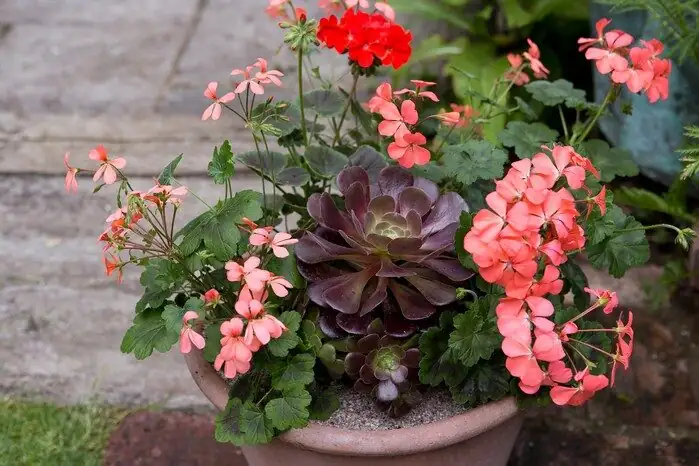
- Statement container plant on patios and terraces; a focal point in mixed succulent bowls; a favorite in framed, open succulent art.
- Color choreography: pair its near‑black rosettes with silver Echeveria, chalky Dudleya, or lime Sedum for high contrast.
- Air and light matter: while it appears in “terrarium” inspiration boards, closed or poorly ventilated containers rarely suit it. Choose open displays with strong light and airflow.
Symbolism and modern “flower language”
‘Zwartkop’ isn’t tied to classical flower language traditions; its symbolism is contemporary and visual:
- Resilience and renewal: a cool‑season grower that endures bright, dry conditions—and even after a rosette flowers and fades, offsets continue the plant’s life.
- Modern elegance: the dark rosettes read as sculptural, calm, and confident—living decor that grounds a space with shadow and shape.
Quick grower’s checklist
- Light: full sun to very bright light; protect from scorching heat behind glass.
- Water: thorough soaks, then dry the top layer; keep almost dry in hot summer semi‑dormancy.
- Temperature: thrive at 20–25°C (68–77°F); keep frost‑free and above ~6°C (43°F).
- Soil: fast‑draining succulent mix with coarse particles.
- Feed: monthly at half strength in active seasons; none in summer rest.
- Size: compact as a young rosette (~10 cm/4 in), maturing to about 60 × 60 cm (24 × 24 in) with age and care.
- Flowers: small, star‑shaped yellow clusters in spring; the blooming rosette then declines.
From Canary Island lava fields to your sunlit sill, Aeonium arboreum ‘Zwartkop’ carries its origin story in every glossy, dark whorl: part wild Atlantic drama, part cultivated poise—and entirely unforgettable.