

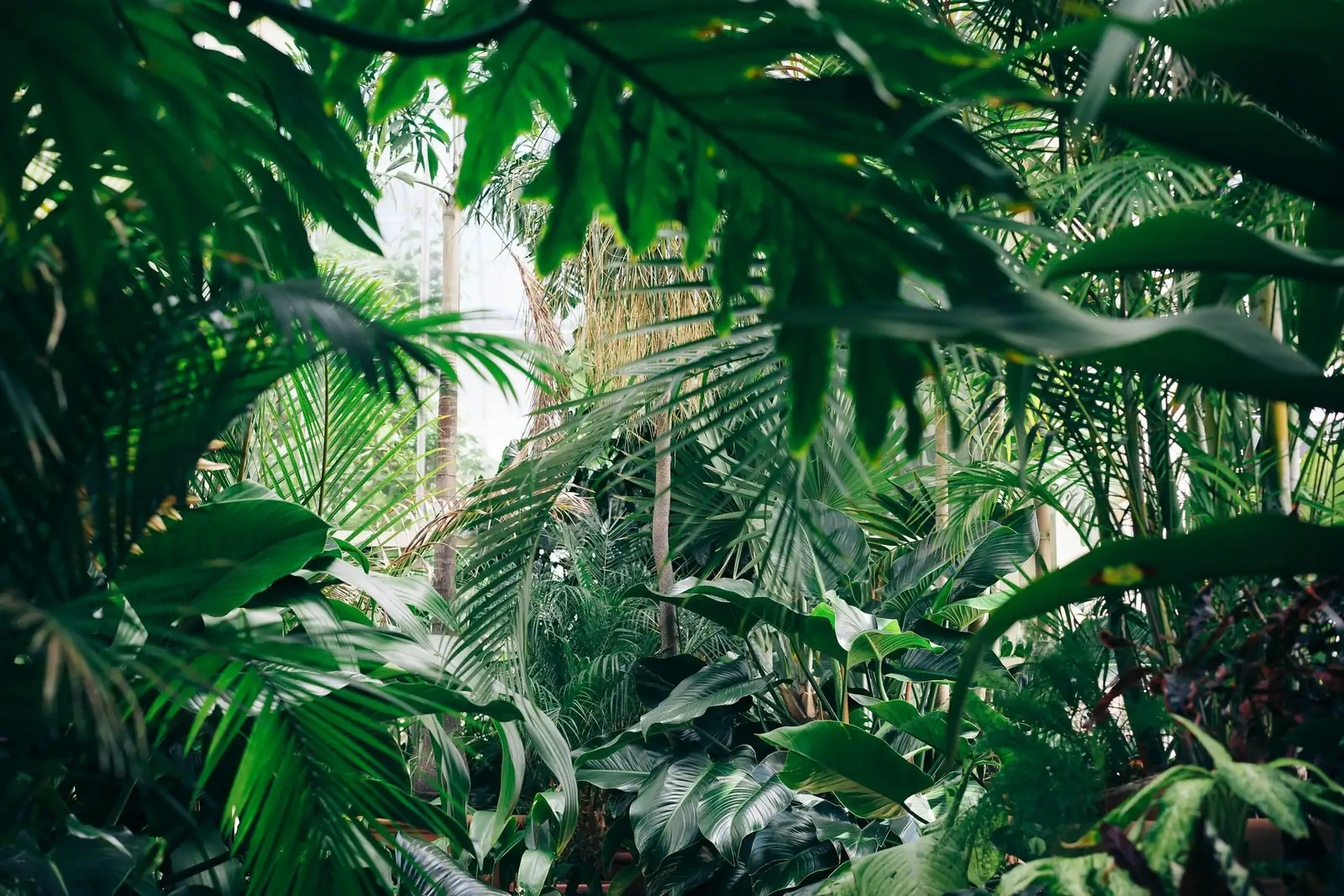
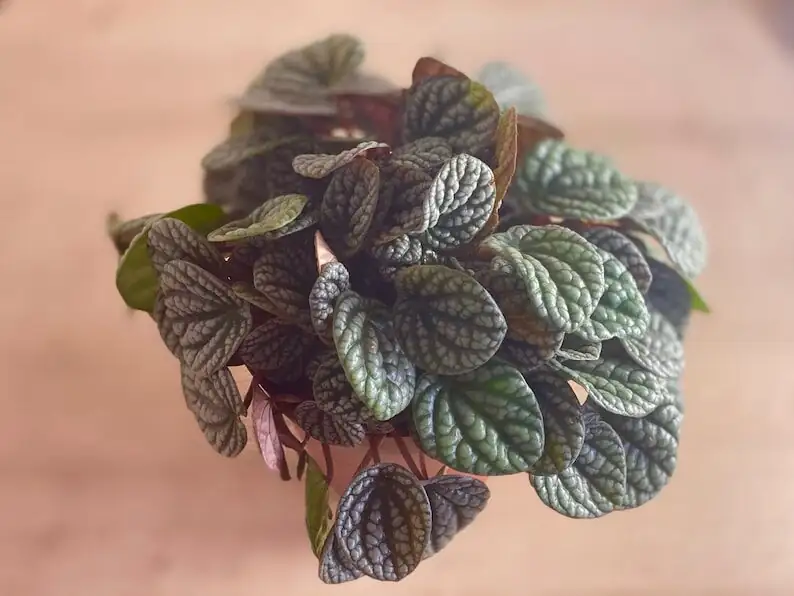
The story of Peperomia caperata begins where light is silk-filtered and air hangs with a quiet, emerald hush. Imagine a Brazilian rainforest understory: mossy roots, damp bark, and a dapple of sun that never overreaches. There, a small plant folds itself into the shade—heart-shaped leaves puckered like pressed velvet, each ripple catching the faintest gloss of light. That little understory resident—now better known on modern windowsills as Ripple Peperomia, Emerald Ripple, or simply the Radiator Plant—has traveled far without ever losing its intimate scale or soft glamour.
What drew it from the forest floor to your home office? A compact poise, forgiving care needs, and leaves that feel like sculpture. Peperomia caperata doesn’t conquer space; it perfects a corner.
Where It Began: The Understory’s Quiet Jewel
- Native range: Tropical South America, commonly Brazil.
- Habitat character: Filtered light, steady warmth, and naturally higher humidity—conditions the plant still favors indoors.
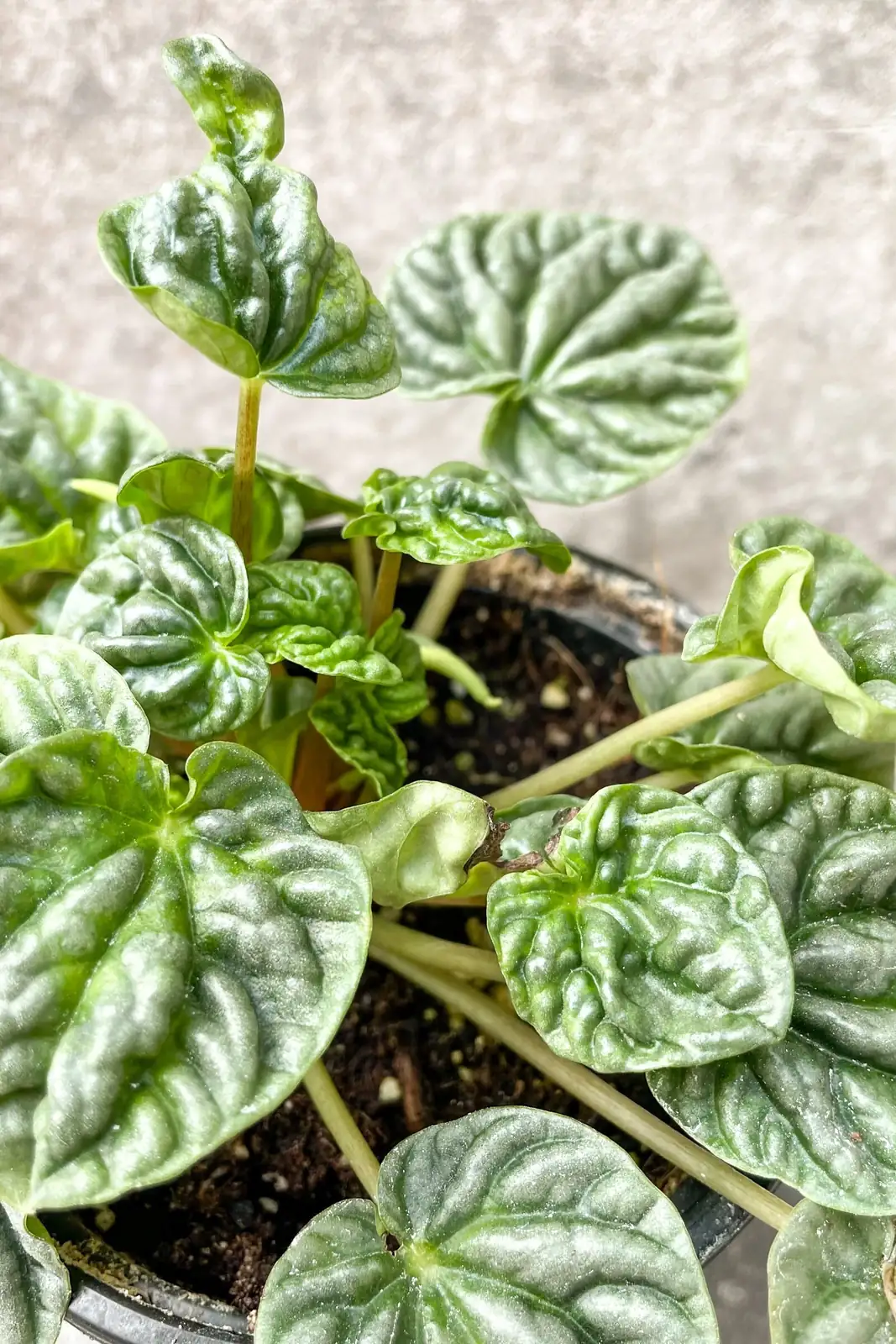
- Form: A compact, clump-forming plant whose rippled, heart-shaped leaves create a mounded, textural bouquet. Summer brings slender cream-to-pale-green flower spikes that rise like tiny candle wicks—charming details in a foliage-first life.
Botanically, P. caperata’s modern chapter took shape in the mid-20th century, when it gained formal scientific attention and the horticultural world took notice of this precisely sized, desk-ready houseplant. In small urban apartments and postwar homes, a neat plant that loved bright, indirect light made perfect sense.
From Field Note to Fame: The Rise of a Small Icon
- First formally described in the 1950s, Peperomia caperata quickly earned a place in houseplant collections for being compact, textural, and easy-going.
- Its leaves—which can be deep green, flushed red, or burgundy—seemed custom-designed for close-up appreciation on shelves and windowsills.
How “Radiator Plant” Stuck
There’s a good story in the nickname. Many peperomias—this one included—do well in the bright, stable warmth of a windowsill, the very place where old-fashioned radiators once promised steady, gentle heat all winter. The term “radiator plant” is widely used and may have been popularized (possibly coined) by the horticulturist L. H. Bailey to describe peperomias’ comfort with that warm, well-lit perch.
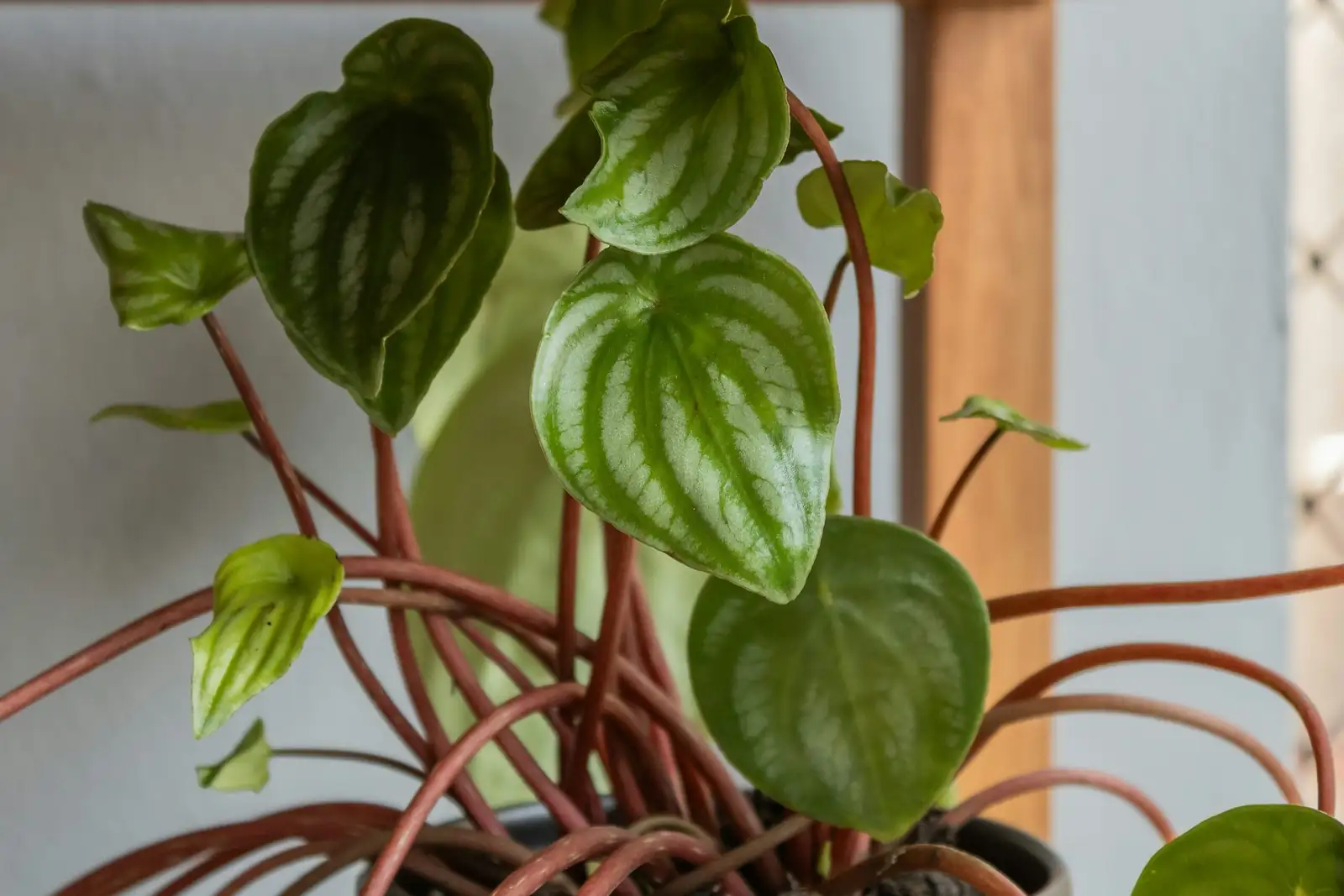
But here’s the fine print behind the folklore:
- Warmth: Yes, please—steady room temperatures suit it beautifully.
- Light: Bright but indirect is ideal; harsh midday sun can scorch those delicate ripples.
- Air: While it tolerates typical indoor air, it truly shines with moderate to higher humidity—think bathroom bliss, not desert austerity.
So the nickname captures a mood—a plant that thrives in the same cozy, lived-in spaces we do—without implying it wants dry heat or sunbaked conditions.
Meet the Plant on Your Sill
- Common names: Ripple Peperomia, Emerald Ripple Peperomia, Radiator Plant
- Family: Piperaceae (the pepper family)
- Size: Typically about 25 × 25 cm (10 × 10 in), content to stay compact in a small pot
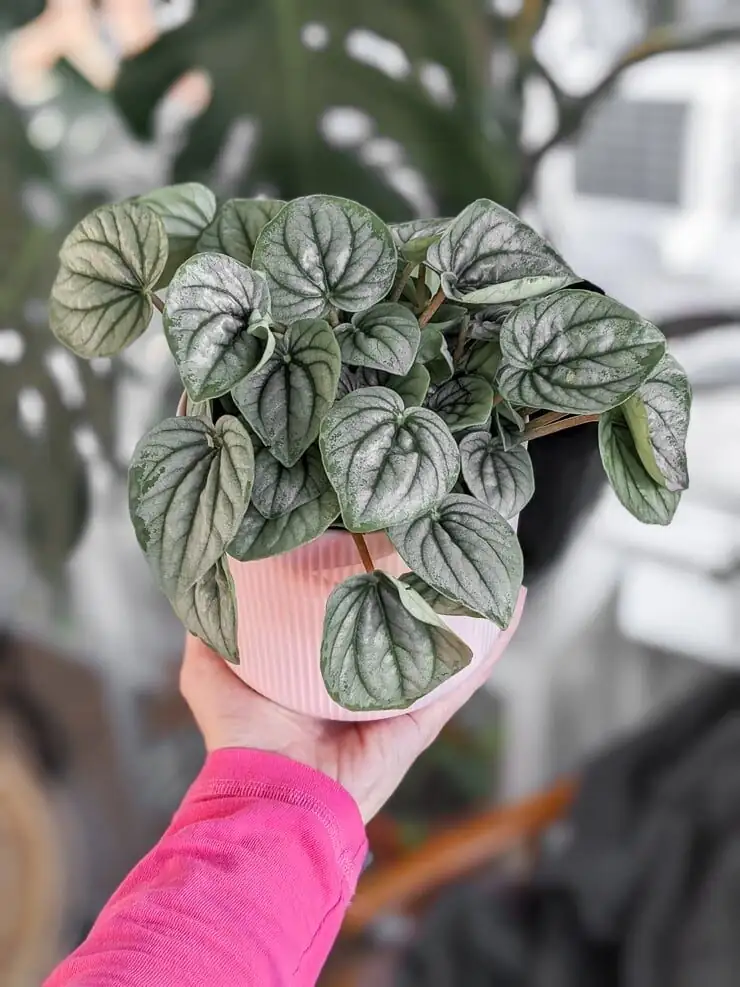
- Foliage: Heart-shaped, deeply rippled leaves; color varies by cultivar—green, reddish, or burgundy with a subtle two-tone sheen in bright, indirect light
- Flowers: Cream to pale green, slender spikes held above the foliage in summer—endearing but subtle
A Few Beloved Looks
- ‘Emerald Ripple’: The classic deep-green corrugation that started the craze.
- ‘Luna Red’: Burgundy-toned, the ripples read like velvet under good light.
Care, Told Like a Day in the Life
Picture your P. caperata at the window: It wakes to soft, indirect light, sips water only when the top of its airy mix dries, and basks in room-warm air with a dash of humidity. That’s the whole rhythm—gentle, regular, unhurried.
- Light
- Best: Partial shade to bright, indirect light.
- Avoid: Harsh midday sun that can scorch the leaf ridges.
- Water
- Spring–autumn: Water when the surface of the potting mix has dried.
- Winter: Keep the mix almost dry and water sparingly.
- Pro tip: Skip misting—water can pool in those ripples and cause leaf spotting. For humidity, use a pebble tray (pot above the waterline).
- Soil
- Loose, airy, fast-draining. A quality houseplant mix with a generous handful of perlite helps prevent soggy roots.
- Temperature and Humidity
- Ideal: 15–24°C (59–75°F); keep above 12°C (54°F).
- Likes: Moderate to high humidity (around 50%+). Bathrooms and kitchens are natural fits if the light is right.
- Feeding
- Spring–autumn: Monthly with a balanced liquid fertilizer at half strength.
- Winter: Reduce or pause feeding.
- Pruning and Tidying
- Minimal: Remove yellowing leaves; clip spent flower spikes at the base.
- Potting
- Prefers a small, snug home—around 10 cm (4 in). Repot every 2–3 years or when rootbound. Oversized pots stay wet too long.
Propagation: Make More Ripples
- Leaf or stem cuttings both work.
- Take a healthy leaf with a short petiole (or a stem tip), place in a moist, airy medium, and keep warm at about 20–24°C (68–75°F) until rooted.
- Patience reward: New rosettes that echo the parent’s texture and color.
Pests, Pitfalls, and Plant Health
- Biggest risk: Overwatering, which leads to root or stem rot. When in doubt, err slightly dry.
- Common indoor pests: Mealybugs, spider mites, and scale—more likely in drier air.
- Early response: Improve airflow, gently wipe leaves, and treat with insecticidal soap or horticultural oil.
- Pet safety: Generally considered non-toxic to cats and dogs, though any nibbling may cause mild stomach upset.
A Seasonal Mini-Calendar
- Spring–autumn: Water when the surface dries; feed monthly at half strength.
- Summer: Watch for those slender flower spikes.
- Winter: Keep almost dry; reduce or stop feeding.
- Every 2–3 years: Repot into a just-right, not-too-big pot.
Symbolism and the Quiet Language of Leaves
Houseplants don’t have centuries-old “flower language” the way roses or camellias do—but modern plant lovers have built their own meanings. Ripple Peperomia is often linked with quiet resilience and gentle charm. Perhaps it’s the way the plant holds its form—compact, composed, unflashy yet captivating up close. Its rippled leaves look like living artwork, a reminder that subtlety can be powerful. If there’s a message here, it’s this: cultivate calm, tend to the small things, and let texture—not volume—make the statement.
Where to Place It, Indoors and Out
- Indoors: A bright bathroom or kitchen is ideal; otherwise, any stable spot with medium light and good airflow works well. Keep away from cold drafts and hot, sunbaked panes.
- Outdoors: Only year-round in frost-free climates around USDA Zones 11–12. Everywhere else, it’s a dedicated indoor companion.
The Journey Continues
From the hush of South American understories to a sunlit shelf above a heater, Peperomia caperata has made itself at home by staying true to what it is: a compact character with generosity in its details. The “radiator plant” nickname captures its affinity for warm, bright perches, but its real secret is balance—light without scorch, moisture without sogginess, intimacy without fuss. Tuck one into your daily path, and watch how quickly a small ripple becomes the quiet center of a room.