
Picture a glossy little survivor clinging to warm tree bark in a tropical breeze—then fast‑forward to a tidy desk bathed in filtered light, a mug of coffee nearby, and an email pinging in the background. That’s the journey of Peperomia obtusifolia, the beloved Baby Rubber Plant: from rainforest understories of the Americas to a 1794 christening by Ruiz & Pavón, and finally to modern fame as the compact, low‑drama “radiator plant” that defined the office‑era greenery boom.
From jungle understory to the botanists’ ink
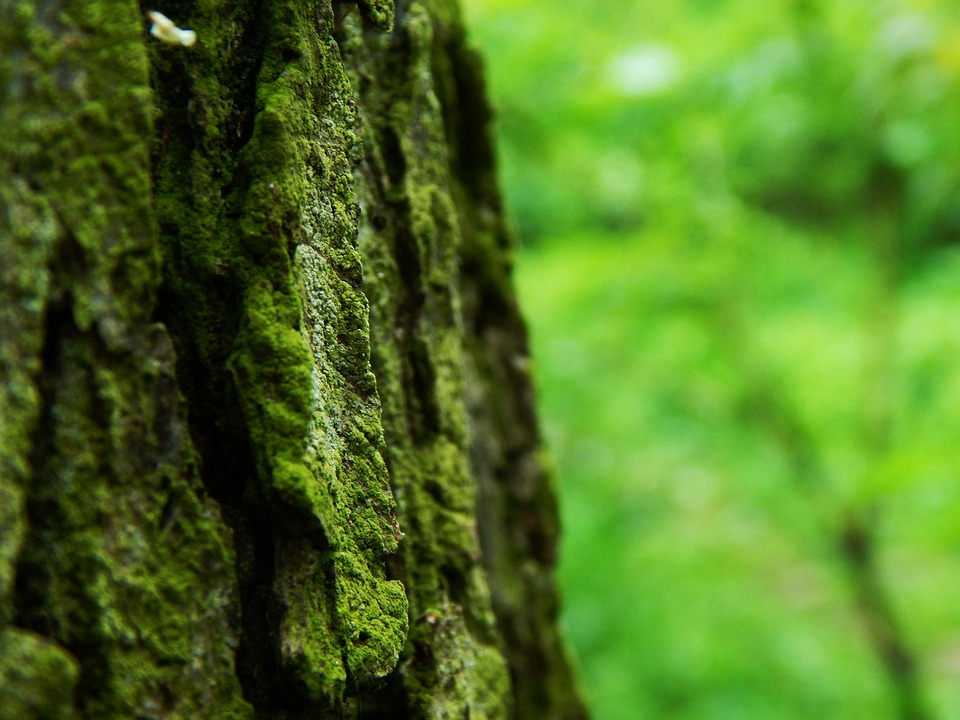
Tropical roots, especially Brazil
- Native range: tropical South America, Central America, and the Caribbean—especially Brazil.
- Typical habitat: bright but filtered light, warm air, and quick‑draining nooks where fleshy leaves help the plant store water between sips.
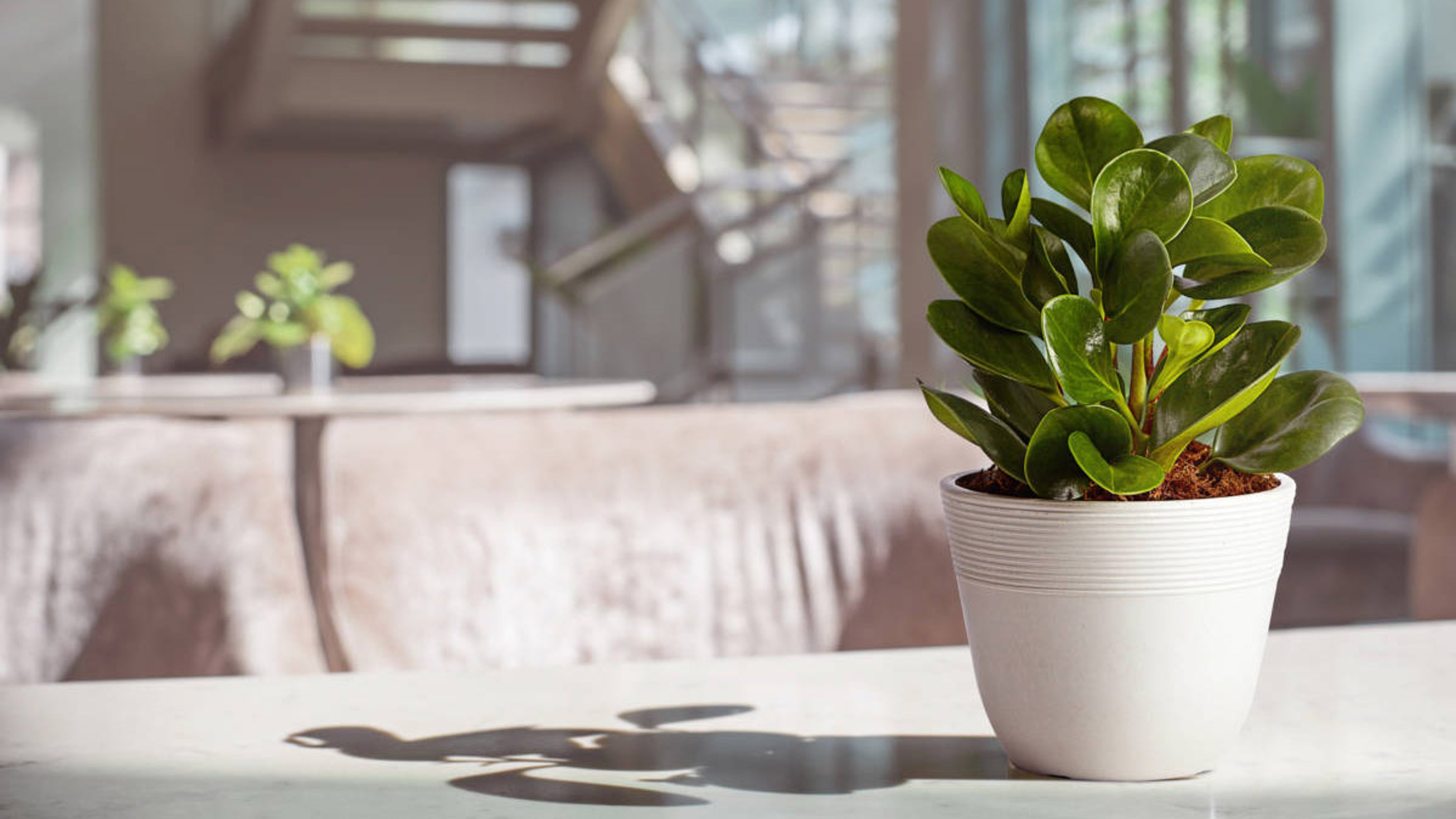
Those thick, smooth, often waxy leaves are Peperomia obtusifolia’s superpower: semi‑succulent water reserves that keep the plant perky through the occasional dry spell. In the wild, that means resilience. Indoors, it translates to a plant that looks freshly polished on shelves and desks with very little fuss.
1794: A name takes root
In 1794, Spanish botanists Hipólito Ruiz López and José Antonio Pavón Jiménez formalized the genus Peperomia during their South American explorations. “Obtusifolia” nods to the species’ characteristic blunt‑tipped leaves. Centuries later, the common names piled up—Baby Rubber Plant, Pepper Face, American Rubber Plant—but the botanical identity stayed clear: Peperomia obtusifolia, a compact evergreen perennial in the pepper family, Piperaceae.
Warm windowsills and the rise of the “radiator plant”
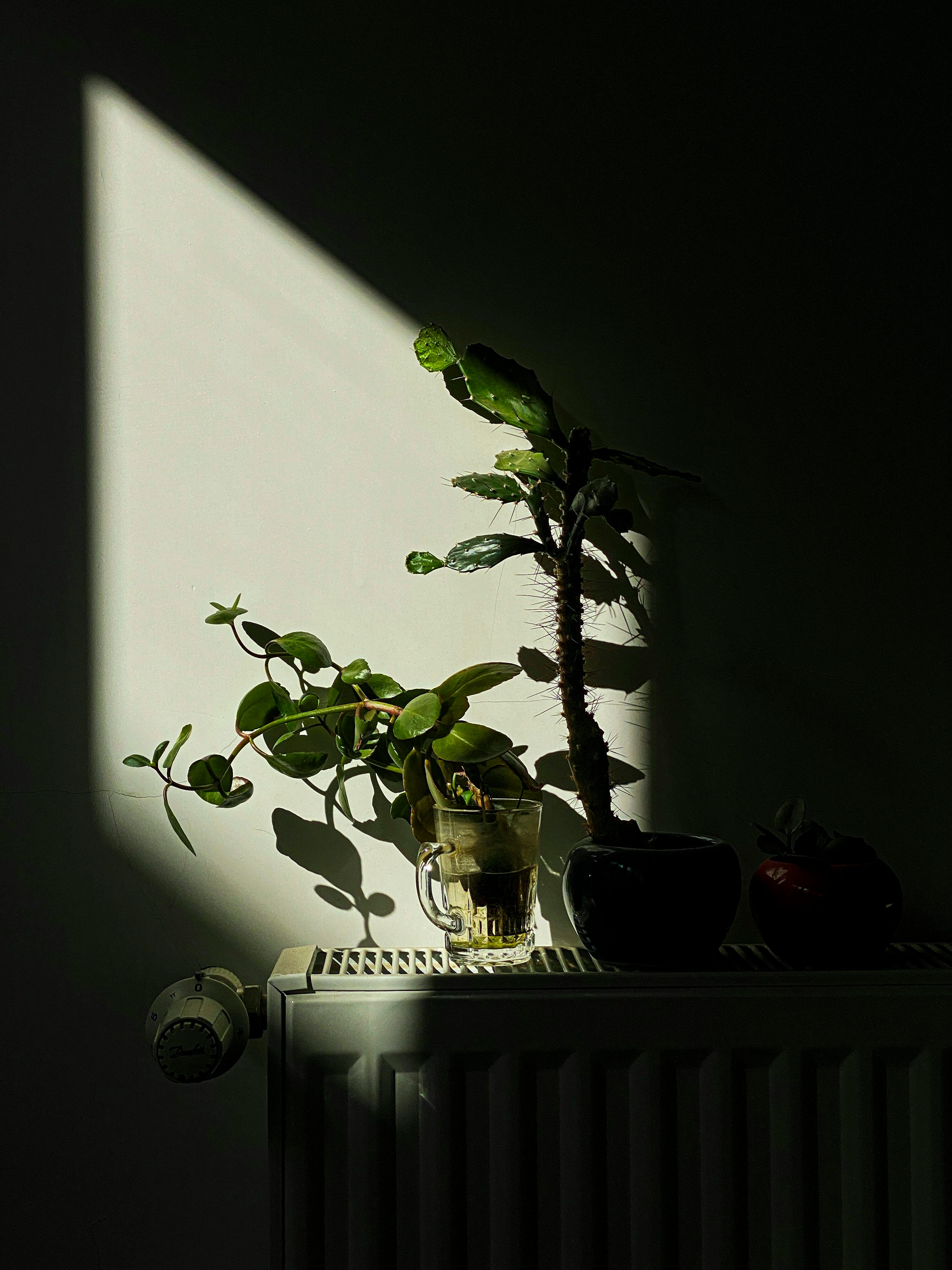
The nickname “Radiator Plant” stuck because Peperomias relish what many indoor spaces naturally offer: warm, bright, gently dry air—historically, the sunny window shelf just above a radiator. You’ll often see the coinage attributed to horticulturist Liberty Hyde Bailey, though that origin story is widely repeated rather than definitively proven. Either way, the name captures the plant’s sweet spot beautifully.
Compact charisma: how a desk plant became an icon
When modern homes and offices embraced clean lines and small footprints, Baby Rubber Plant was ready:
- Compact habit that stays around 20–30 cm (8–12 in) tall and wide.
- Glossy, evergreen foliage that looks “new” even on a Friday afternoon.
- Forgiving watering needs and a slow, steady growth rate that suits busy weeks.
- Pet‑safe status for households (and office mascots) with curious noses.
- Variegated cultivars that bring cream‑and‑green patterns without visual clutter.
- Quirky, upright “rat‑tail” flower spikes that spark conversation—even if the blooms themselves are tiny and unscented.
How to recognize the Baby Rubber Plant
Size and habit
- Indoors: typically 20–30 cm (8–12 in) tall and wide.
- Growth: compact, upright to softly mounding; naturally clumping; slow and steady.
Leaves
- Thick, smooth, and often glossy, built for water storage.
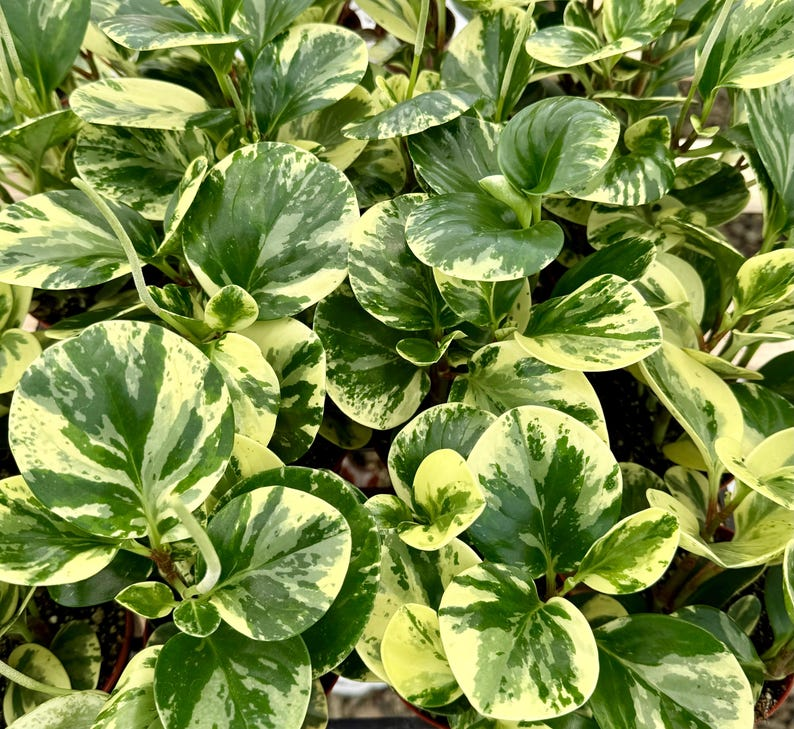
- Usually rich green; popular variegated forms add creamy yellow flecks and margins.
- Note: excess nitrogen can blur variegation; cold below 10°C (50°F) can mar leaves.
Flowers
- Slender, upright spikes in late summer to early autumn (indoors they’re sporadic).
- Grown primarily for foliage—the drama is all in the shine.
Care that matches its story
Light
- Best: bright, indirect light to partial shade.
- Spring–autumn: gentle filtering (about 40–50% shade) helps avoid scorch.
- Winter: brighter light is welcome.
- Tolerates lower light but may grow looser and less dense.
Water
- “Less is more.” Let the top ~5 cm (2 in) dry before watering.
- Typical rhythm: about every 7–10 days in summer; every 2–3 weeks in winter.
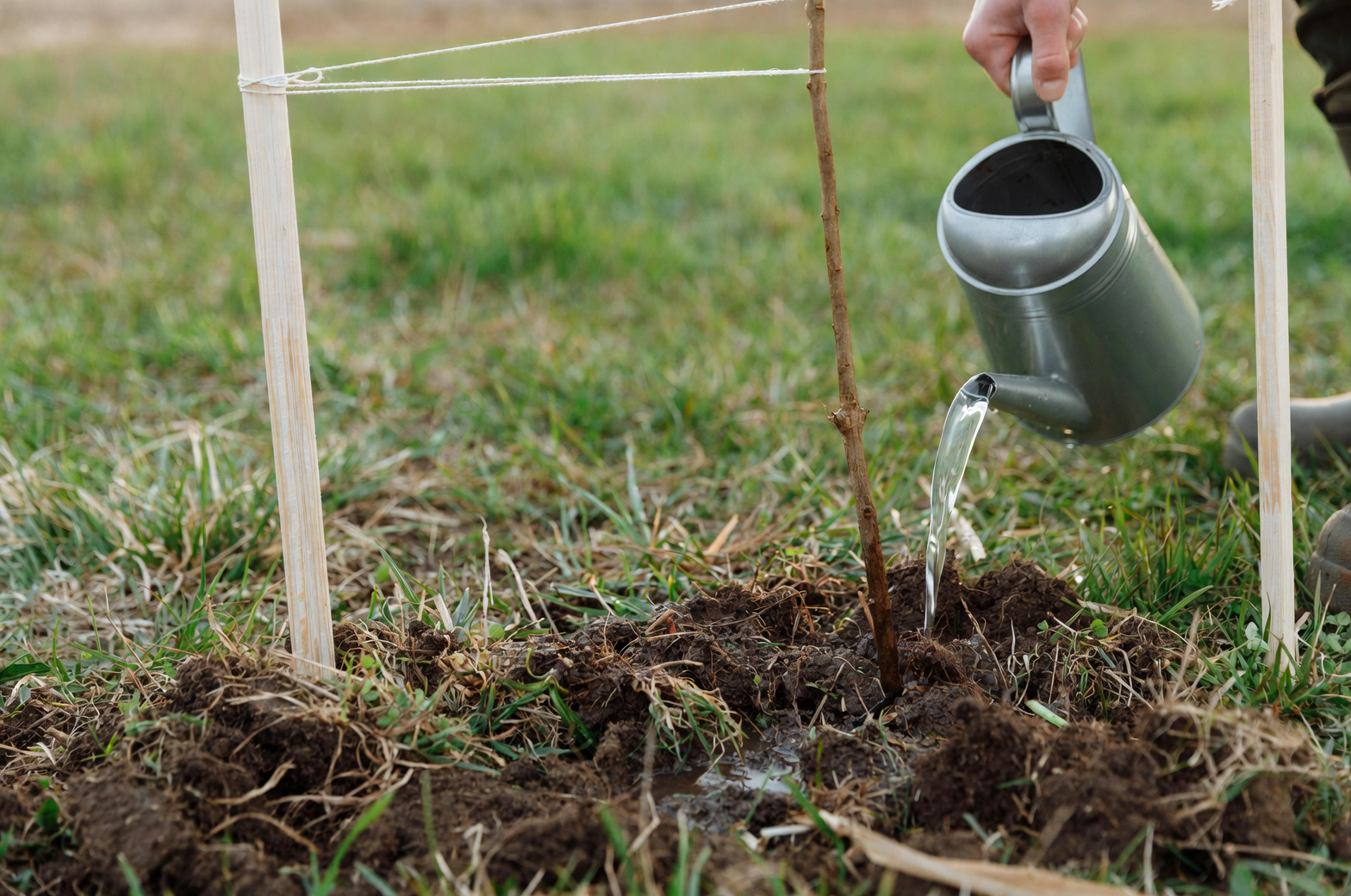
- Always water thoroughly and empty the saucer. Overwatering is the #1 enemy.
Soil
- Loose, fast‑draining mix: peat or coco base with perlite/coarse sand; a bit of orchid bark is a bonus.
- Slightly acidic to neutral; always use a pot with drainage holes.
Temperature and humidity
- Ideal: 16–24°C (61–75°F); keep above 10°C (50°F).
- Prolonged heat above 30°C (86°F) can slow growth.
- Average home humidity is fine; in very dry winters, use a pebble tray or humidifier—and keep air moving.
Feeding
- Light feeder. During active growth:
- Monthly with a diluted balanced liquid fertilizer, or
- Every 2 weeks from May–August if growth is strong.
- Avoid excess nitrogen, especially for variegated types.
Pruning
- Pinch tips to keep the plant compact and encourage branching.
- Remove yellow or damaged leaves anytime.
- Older, crowded plants can be thinned or lightly rejuvenated.
Repotting
- Likes to be slightly root‑bound; repot every 2–3 years, spring is best.
- Size up only 2.5–5 cm (1–2 in). Many thrive long‑term in 12–15 cm (4.7–5.9 in) pots.
Propagation
- Stem cuttings: 3–4 cm (1.2–1.6 in) tips with 3–5 leaves; root in a light mix or moist sand—often in ~3 weeks.
- Leaf cuttings: insert a mature leaf with ~1 cm (0.4 in) of petiole; roots in 2–3 weeks, baby plantlets in ~1 month.
- Water propagation and clump division also work.
Placement and styling
- Best near an east window, or south/west light softened with a sheer curtain.
- A natural for desks, bookshelves, and small side tables; also suited to bright bathrooms.
- Mix and match cultivars (solid green with variegated forms) for subtle contrast.
- Tip: rotate the pot weekly for even growth and a sculpted, symmetrical form.
Health, pets, and the occasional hiccup
- Non‑toxic to humans, cats, and dogs; nibbling can still cause mild stomach upset.
- Pests: mealybugs, spider mites, whiteflies, and sometimes scale—catch early and treat with insecticidal soap or horticultural oil; repeat weekly until resolved.
- The big risk: root rot from cold, wet soil. Keep the mix fast‑draining and never waterlog.
Quick fixes to common questions
- Why are my leaves yellowing and dropping?
- Most often overwatering (root stress/rot). Also consider too little light, harsh direct sun, overcrowding, or poor airflow. Move to bright indirect light, let the mix dry partially between waterings, thin dense growth, and improve ventilation.
- How often should I water it?
- When the top ~5 cm (2 in) of soil is dry. That’s roughly every 7–10 days in summer and every 2–3 weeks in winter in many homes—adjust for your light, temperature, pot size, and soil.
- Should I mist my Baby Rubber Plant?
- Misting is optional and short‑lived. For very dry air, use a humidifier or pebble tray, and prioritize good airflow.
Symbolism and small legends
Baby Rubber Plant is often gifted as a wish for steady, calm growth and a tidy, comfortable home or workspace—the “everything will be alright” plant. While it’s not a classic of Victorian floriography, modern houseplant culture has embraced it as a token of happiness and low‑stress prosperity, perfect for new jobs, first apartments, and refreshed home offices.
Note on air‑purifying claims: Peperomias are frequently cited in discussions about indoor air quality and VOC reduction. Real‑world impact depends on factors like room size, ventilation, and the number of plants—think of them as pleasant partners in a bigger healthy‑air plan.
Don’t mix them up
- “Radiator Plant” can refer to many Peperomias, but this article spotlights Peperomia obtusifolia.
- Watermelon Peperomia is usually Peperomia argyreia—a different species with bold silver striping. Gorgeous, but not the same!
Seasonal rhythm (a simple calendar)
- Spring: resume regular watering; start light feeding; best time to repot, prune, and propagate.
- Summer: peak growth—keep lightly moist (never soggy), fertilize if actively growing, watch airflow and pests.
- Fall: reduce watering; stop fertilizing.
- Winter: brighter light, minimal watering, no feed; protect from drafts and cold.
Fun facts
- Peperomia is a vast genus with well over 1,000 species—from pint‑size shrubs to graceful trailers.
- Baby Rubber Plant is famous for leaves that look as if freshly buffed when grown in bright, filtered light.
- Tip cuttings often root in about 3 weeks; leaf cuttings in 2–3 weeks, with tiny plantlets after roughly a month.
- Overfeeding variegated forms can blur their crisp patterns—easy does it on the nitrogen.
For the outdoors‑curious
Frost‑tender and happiest indoors for most of us, Peperomia obtusifolia can grow outside year‑round only in reliably warm zones (mainly USDA 11–12). Everywhere else, keep it cozy inside—near the “radiator,” in spirit if not literally—and enjoy that rainforest‑to‑workstation glow, one glossy leaf at a time.