

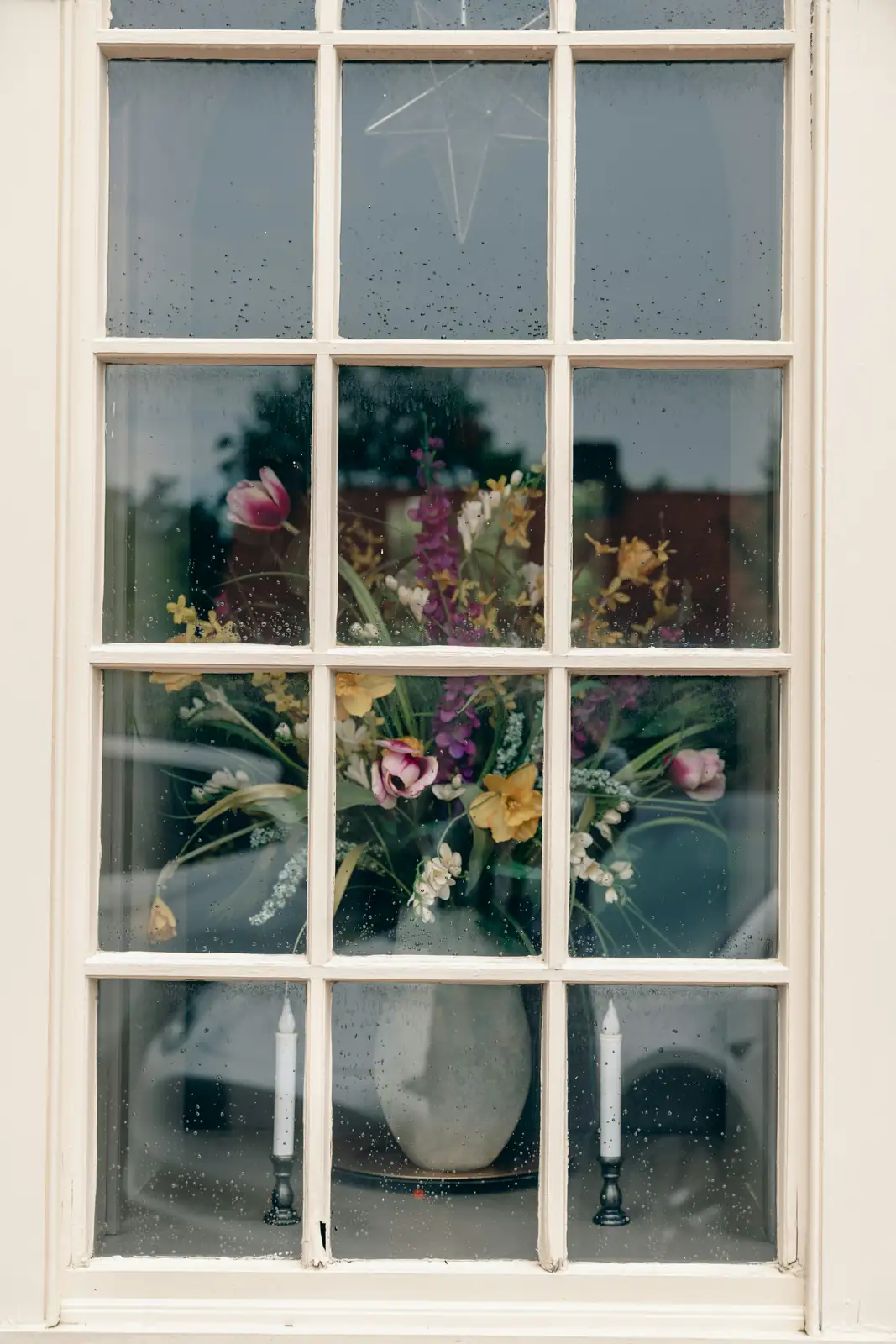
Imagine a plant that leapt from sun-splashed Brazilian cliffs straight onto silk-draped Victorian windowsills—then never quite shook off the wrong name it was given at the door. That’s Sinningia speciosa, the florist’s gloxinia: a tuberous perennial with leaves like velvet cushions and flowers like bell-shaped theater curtains, opening in jewel tones for months on end. Its story is as plush as its petals: a wildling from rocky outcrops turned parlor idol, with a naming plot twist and a breeding boom that brought doubles, bicolors, and dazzling patterns to the stage.
From Brazilian rock ledges to London drawing rooms
In the Atlantic forests of Brazil, Sinningia speciosa clings to warm, rocky outcrops where light filters through canopy and breezes dry the dew. Many Sinningia species share these cliffside habits, and in the wild their large, vividly colored blooms are often visited by pollinators such as hummingbirds and bees.

By 1815, living plants had made their way to England. In 1817, the famed nurseryman Conrad Loddiges published and illustrated the newcomer as Gloxinia speciosa in his Botanical Cabinet. Its plush leaves and velour-textured trumpets electrified the horticultural world almost overnight—John Sims noted that the “gloxinia” was already everywhere in London’s best collections that same year. Grown under glass in “stovehouses,” then on bright indoor sills, it became an instant Victorian celebrity.
The great name mix‑up: “Gloxinia” versus Sinningia
Here’s the tangle, lovingly combed out:
- First billing (1817): The plant was introduced as Gloxinia speciosa because its flowers resembled those of the true Gloxinia then known to science.
- The botanical correction (1877): W. P. Hiern moved it into the genus Sinningia, where it truly belongs. Sinningia species form tubers; true Gloxinia (a different genus entirely) grow from scaly rhizomes.
- The name that stuck: Gardeners and shops kept calling it “gloxinia.” You’ll still see “florist’s gloxinia,” “Brazilian gloxinia,” or simply “gloxinia” on tags. Botanically speaking, the correct name is Sinningia speciosa.
Quick way to tell them apart:
- Florist’s “gloxinia” = Sinningia speciosa = tuber-forming, compact rosettes, houseplant diva.
- True Gloxinia (e.g., Gloxinia perennis) = a different growth form with scaly rhizomes.
A Victorian breeding boom in velvet
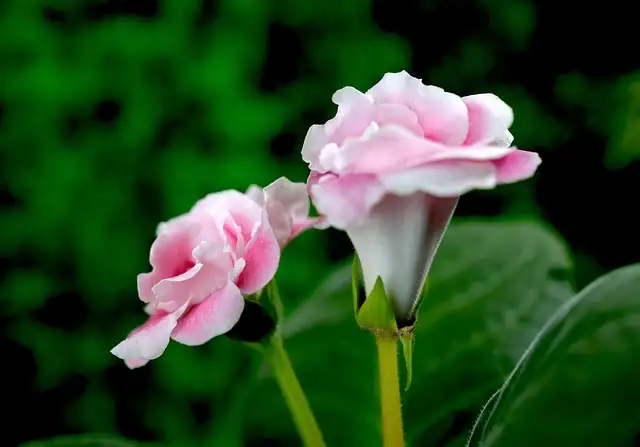
Once Sinningia speciosa hit European collections, breeders got to work. Over the 19th and early 20th centuries, they selected for:
- Doubles and semi-doubles with ruffled “petticoat” petals
- Bicolors and picotees with crisp white margins or throats
- Spotted and striped throats, richer reds and royal purples
- Stronger, more compact rosettes for windowsill culture
The result? Today’s florist’s gloxinia can look like a velvet bouquet blooming straight out of its own leaf rosette—often with waves of flowers from late spring through autumn.
Meet the plant: compact drama, months of bloom
- Habit: A compact, rosette-forming herbaceous plant arising from an underground tuber
- Size: Typically 15–30 cm (6–12 in) tall and wide
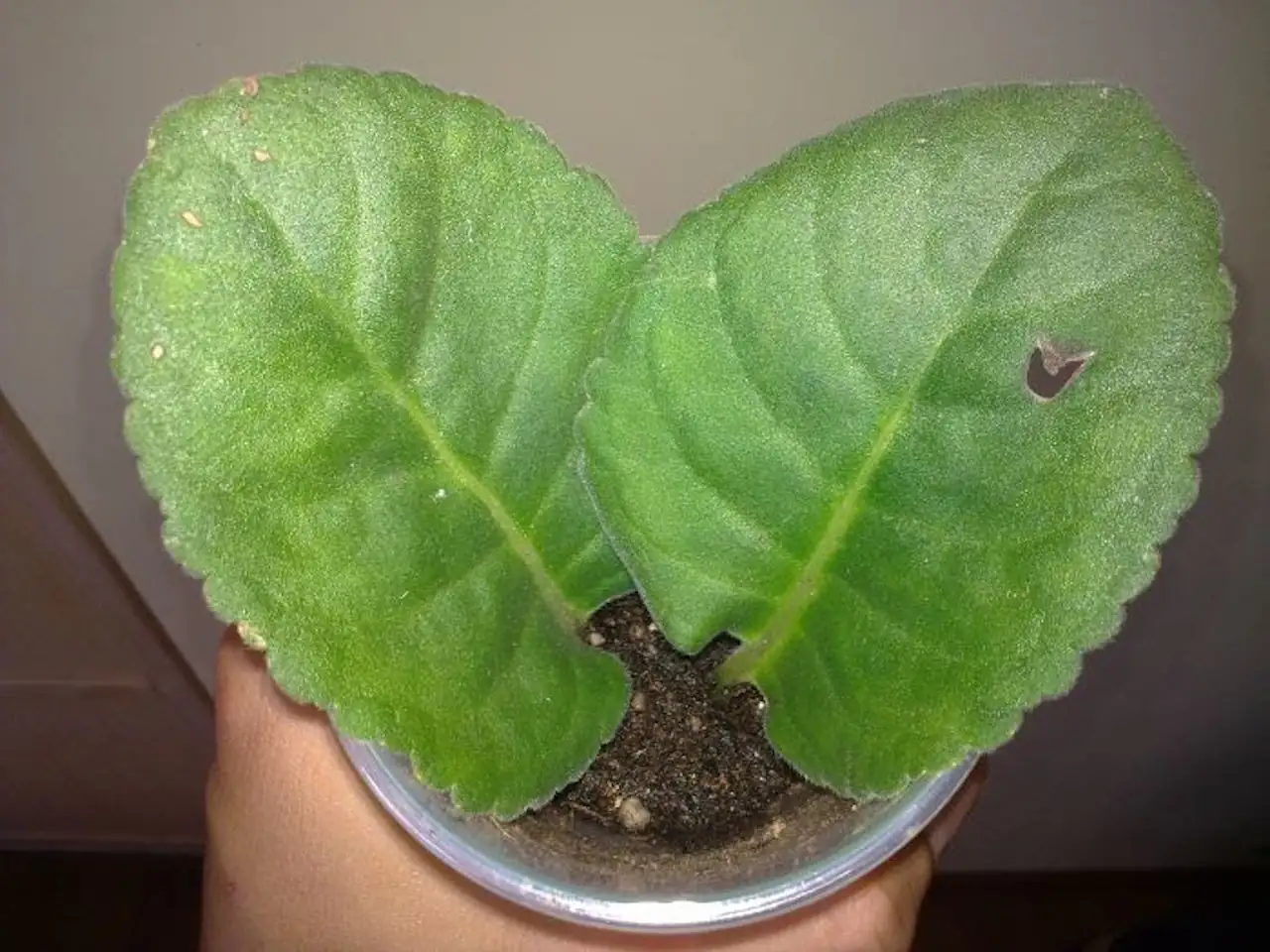
- Foliage: Thick, plush, oval leaves—deep green, often with a reddish underside; variegated cultivars exist
- Flowers: Large, velvety, funnel-to-bell-shaped blooms, often about 7 cm (3 in) across; rich reds, pinks, purples, whites, and many bicolors, including speckles, stripes, and doubles
- Season: Late spring through autumn (often May–October), with a common pause in hot midsummer
How to stage a spectacular show at home
Think “bright forest edge”—lots of light, no scorch; even moisture, never soggy; warmth and airy humidity; and always keep those plush leaves dry.
Light and placement
- Best: Bright, indirect/filtered light. East windows are ideal; south windows need a sheer curtain.
- Avoid: Harsh midday sun (scorches) and deep interior shade (weak growth, pale flowers).
- Tip: Keep away from heating vents and ripening fruit—ethylene gas can cause bud drop.
Temperature and seasonal rhythm
- Active growth: 16–24°C (61–75°F)
- Heat sensitivity: In muggy peak summer, flowering may pause or the plant may go semi-dormant.
- Winter rest: Cooler and drier at about 10–12°C (50–54°F); some growers manage a lighter rest near 15–17°C (59–62°F). Always protect from temps below 5°C (41°F).
Watering
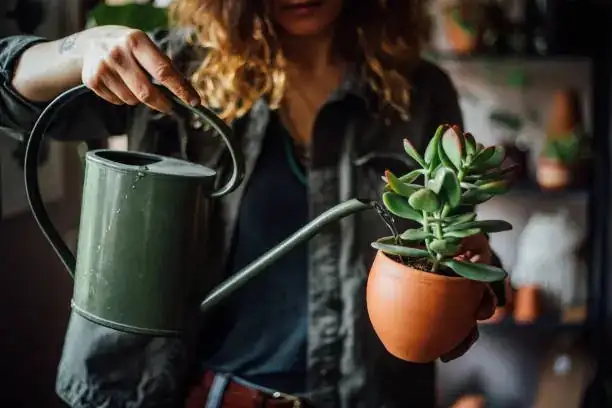
- Keep evenly moist during growth; never waterlog.
- Water at soil level (around the pot rim or carefully between leaves) to keep foliage dry.
- Bottom-watering works—just don’t leave the pot standing in water.
- Wet velvety leaves and flowers spot and rot easily.
Humidity and air
- Aim for 50–70% humidity with good airflow.
- Use a pebble tray or humidifier; avoid cold, damp, stagnant corners.
Soil and potting
- Use a loose, fertile, African-violet-style mix (peat/coco with perlite) that drains freely.
- Plant the tuber at or slightly above the soil surface.
- A slightly snug pot (about 12–15 cm / 4.7–5.9 in) often encourages better bloom.
Feeding
- Every 2 weeks in active growth with a diluted balanced fertilizer.
- When buds appear, switch to a bloom-leaning formula higher in P and K (e.g., about 15-15-30).
- Feed onto moist soil; keep fertilizer off leaves.
Grooming and repotting
- Deadhead promptly and remove spent stalks to keep blooms coming and recharge the tuber.
- Trim damaged/yellowed leaves quickly to reduce disease risk.
- Repot in spring as the tuber sprouts or right after flowering finishes; refresh mix every couple of years.
Hardiness, indoors vs. outdoors
- Tender, not frost-hardy; best as an indoor plant.
- Outdoors only in reliably frost-free climates, roughly USDA Zone 10–11 (sometimes 11–12 depending on microclimate), and sheltered from chilly nights.
Propagation and a dash of home breeding
Want to create your own mini “Victorian” line? It’s surprisingly accessible.
- Leaf cuttings (fast and easy):
- Take a mature leaf with about 1 cm (0.4 in) of petiole.
- Let the cut dry briefly; insert into perlite/coarse sand or a light mix.
- Keep warm, lightly shaded, and humid; roots often form in 10–15 days.
- Seed (spring):
- Dust-fine seed—sow on the surface, do not cover.
- Germinate at 15–21°C (59–70°F); sprouts often appear in 2–3 weeks.
- Pot up when seedlings have 6–7 true leaves; many will flower by autumn.
- Tuber division:
- Divide in spring as growth starts; allow cuts to callus and keep conditions dry-ish until reestablished.
- Hand pollination for reliable seed:
- Use a soft brush to move pollen to the stigma.
- Remove petals after pollination to reduce rot.
- Capsules usually ripen in about 30–40 days.
Pro tip for flower power: When planting a tuber with multiple sprouts, some growers keep one strong sprout per tuber for the best display.
Common pitfalls, pests, and how to prevent them
- Bud drop and short-lived blooms: Often from low light or ethylene (avoid fruit bowls nearby).
- Leaf spot, gray mold, powdery mildew, and rot: Usually from wet foliage and stale air—water at soil level and ventilate.
- Root rot: Overwatering or poorly drained mix—loosen the soil and let excess water drain freely.
- Seedling damping-off: Use sterile media and clean trays.
- Pests to watch: Mealybugs, spider mites, aphids, fungus gnats; occasional chewing pests on tender growth. Foliar nematodes are serious—discard badly affected plants and disinfect tools.
Buying guide: pick a show-stopper
- Look for a compact rosette with plush, clean leaves—no stains, soft spots, or pests.
- Choose a plant with both open blooms and plenty of tight buds for a longer show.
- Strong, upright flower stalks and vivid color signal good culture.
- Love the unusual? Seek out doubles, bicolors, and variegated-leaf cultivars.
- Buying dormant tubers: Select fresh, firm, plump ones at least ~2 cm (0.8 in) in diameter; avoid shriveled or soft tubers.
Flower language and cultural meaning
Florist’s gloxinia is often linked with “love at first sight,” admiration, and a touch of opulent romance—sentiments rooted in 19th‑century floriography when velvet-bloomed exotics were tokens of taste and devotion. The association fits: its flowers don’t whisper; they sweep open like theater curtains. In some gift traditions, red forms emphasize first love and ardor. Today, gifting a gloxinia still reads as “I’m dazzled,” with a nod to the plant’s storied past.
Quick answers to top questions
- Why did mine stop blooming in summer?
- Heat pause is normal. Move to bright, indirect light, keep evenly moist (not soggy), and let it cool slightly; flowering often resumes as heat eases.
- How do I water without spotting leaves?
- Water at soil level or bottom-water briefly; never let the pot sit in water, and keep leaves and petals dry.
- Why are buds dropping?
- Too little light or exposure to ethylene (from ripening fruit) are common culprits. Brighten the location and relocate away from fruit.
Safety note
Toxicity isn’t strongly documented and is often treated as low concern, but sensitivities vary. As with most ornamentals, prevent pets and children from chewing or ingesting any part of the plant.
—
From cliffside survivor to parlor superstar, Sinningia speciosa earned its velvet legend honestly—and even if the “gloxinia” nickname stuck from a 19th‑century mix‑up, the plant’s performance needs no introduction. Give it bright filtered light, even moisture, a cool rest, and dry leaves, and you’ll have a windowsill show worthy of a Victorian encore.


