

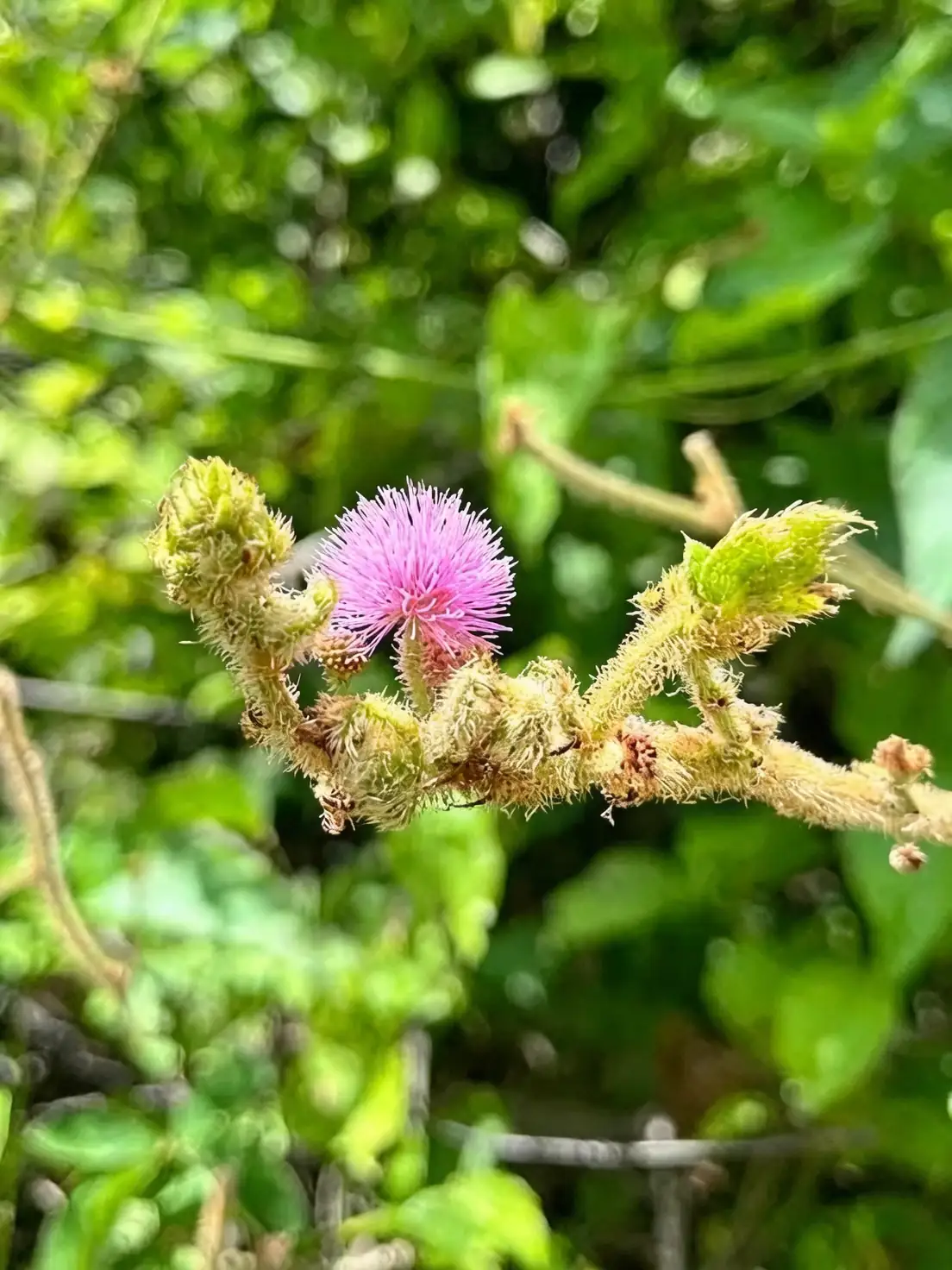
Discovering the Journey of Mimosa pudica L.: From Caribbean Shores to Living Rooms Worldwide
Have you ever brushed against a plant, only to watch its leaves shyly fold away, as if embarrassed by your touch? If so, you’ve likely encountered the captivating Mimosa pudica, more affectionately known as the Sensitive Plant. This botanical wonder is not just a staple of indoor gardens but a testament to nature’s interactive artistry. Let’s delve into its rich history and see how this plant became a beloved houseplant worldwide.
Origins: A Humble Beginning
The story of Mimosa pudica begins in the warm, humid regions of the Caribbean and the lush landscapes of South and Central America, specifically Brazil. This unassuming plant, belonging to the Fabaceae family, has fascinated botanists and plant enthusiasts alike for centuries. The name “pudica,” meaning “bashful” in Latin, perfectly captures the plant’s modest demeanor.
Described by Carl Linnaeus in 1753, the Sensitive Plant was already making waves among scientists eager to understand its unique touch-induced movements. These movements, known as thigmonasty, are more than a clever party trick. They are a sophisticated survival tactic, likely developed to deter herbivores and conserve water by reducing leaf surface area.
A Botanical Curiosity Takes the World by Storm
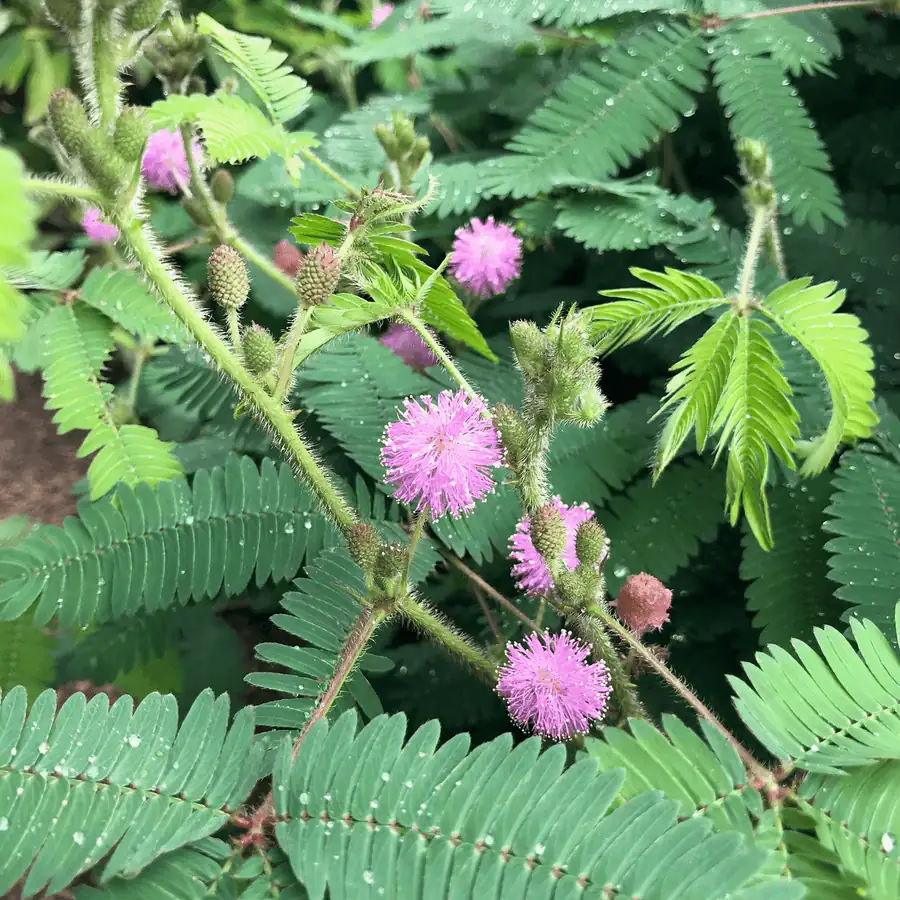
As exploration and trade expanded during the 18th and 19th centuries, Mimosa pudica began its journey across the globe. Its novel response to touch made it a popular curiosity in European botanical gardens. By the time it reached the Victorian era, the plant was a staple of plant collections, often used to amuse and educate.
Today, Mimosa pudica has cemented its status as a beloved houseplant. Whether it’s the enchanting pink pom-pom flowers or the plant’s nightly “sleep movements” (nyctinasty), where leaves close as dusk falls, this plant continues to captivate with its delicate choreography.
The Sensitive Plant at Home
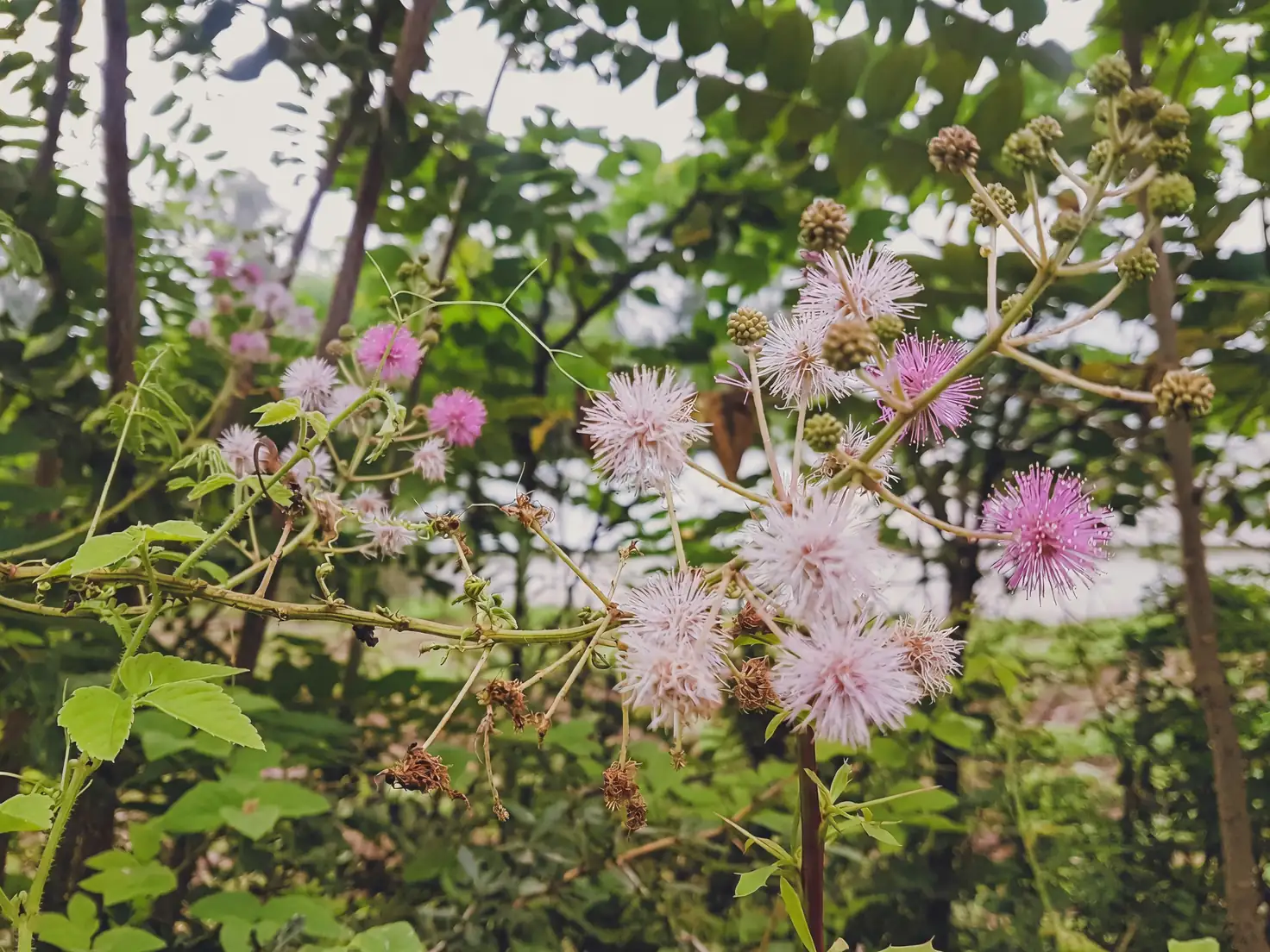
Why has Mimosa pudica become a cherished choice for indoor gardens? For one, it’s a conversation starter. Imagine your guests’ surprise as you demonstrate the plant’s touch-responsive dance. Additionally, its small stature—typically reaching 30 to 45 cm in height—makes it perfect for cozy apartments and offices.
Caring for this plant is a breeze, provided you mimic its natural tropical environment. Mimosa pudica thrives in bright, indirect sunlight and prefers temperatures between 18–24°C (65–75°F). A well-draining loam or light potting mix keeps its roots happy, while moderate to high humidity ensures it doesn’t become a drama queen, drooping in protest.
From Science Labs to Living Rooms

Beyond its ornamental appeal, Mimosa pudica is a classic subject in scientific studies of plant behavior, offering insights into plant movement and stimulus response. Its rapid leaf movements are not just reactive but part of an ongoing dialogue with its environment, demonstrating a level of complexity that continues to intrigue researchers.
In some regions, the plant has also been explored for its potential in phytoremediation, the process of using plants to clean contaminated soils, thanks to its ability to fix nitrogen through symbiotic relationships with root bacteria.
A Word of Caution and Curiosity
While Mimosa pudica is a delight to observe, it does come with a note of caution. The plant contains mimosine, an alkaloid that can be toxic if ingested by animals or humans. Therefore, it’s best to keep it out of reach of curious pets and children.
In the language of flowers, Mimosa pudica symbolizes shyness, sensitivity, and politeness, making it a thoughtful gift for friends and loved ones—a gentle reminder of the virtues of modesty and warmth in relationships.
In Conclusion
From its origins in the Caribbean to its widespread popularity today, Mimosa pudica is more than just a plant—it’s an experience. Whether you’re a seasoned gardener or a curious beginner, this “Touch-Me-Not” offers a unique connection to the natural world, inviting us to pause, touch, and marvel at the wonders of plant life. So, why not add a little magic to your home with this fascinating green companion? Your inner botanist will thank you!


