

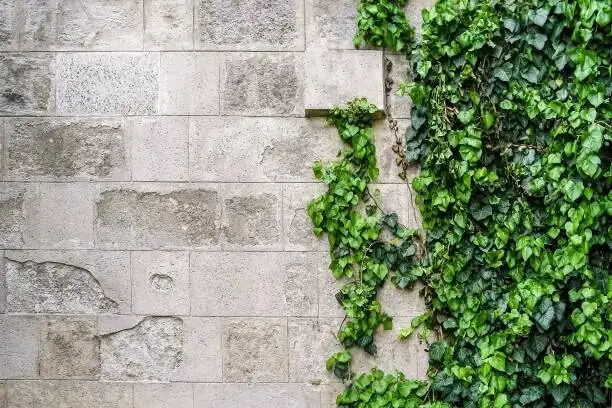
Ivy doesn’t just grow; it wanders. Trail a fingertip along a Hedera helix leaf and you’re tracing a route from mossy forest floors to the cool stone of cloisters, from tavern doors draped with green to the gilded wreaths of ancient gods. English ivy is a living thread through European nature, myth, and architecture—and it’s still finding new stories to tell on windowsills and shaded walls today.
Born in the Shade: Where Ivy Comes From
English ivy (Hedera helix L.) is native to Europe—stretching north into Scandinavia, east to Russia, and south across North Africa. In the wild it moves like a whisper through the understory: creeping as dense groundcover, then rising to wrap trunks and rock faces with nimble aerial rootlets. Birds relish its winter berries and carry the seeds far, which is one way ivy left its home and showed up on new continents as an ornamental. Outdoors it’s long-lived and vigorous; indoors it shrinks to a graceful, draping housemate.
A quick botanical secret: ivy leads a double life. Its juvenile form, the one we know from walls and houseplants, bears glossy, 3–5 lobed leaves. Give a plant time and a place to bask high in the light, and it matures into flowering shoots with unlobed, oval to diamond-shaped leaves—same plant, new look.

The Shape-Shifter’s Toolkit
- Climber and crawler: An evergreen woody vine that scrambles horizontally and climbs vertically using tiny aerial rootlets for attachment.
- Two leaf types: Juvenile growth shows lobed leaves; mature, flowering stems switch to entire (unlobed) leaves.
- Quiet flowers, busy insects: In fall, rounded clusters of greenish-white to greenish-yellow blooms appear—modest to our eyes, but nectar-rich when pollinators need them most.
- Berries for birds: Dark fruits ripen late, feeding wildlife (note: toxic to people).
- Not a parasite: It holds fast to bark or brick, but only its roots in the soil draw water and nutrients.
Wreathed in Wine: Sacred to Dionysus and Bacchus
If grapes are the obvious emblem of wine, ivy is its soul. In Greek and Roman tradition, ivy was sacred to Dionysus (Bacchus to the Romans)—god of wine, revelry, and the fertile surge of growth. Ancient art often crowns him not with grape leaves but with an ivy wreath. The god’s thyrsus—a staff of celebration—was fashioned of ivy wood and festooned with spiraling vines.

Why ivy? Because it keeps the party going. Evergreen through winter, tenacious and quick to entwine, ivy became a symbol of life’s persistence and ecstatic renewal. It was a ready-made emblem for festivals of plenty, for theatre and music, and for the delicious, sometimes troubling ways joy can overgrow its bounds.
Ivy and the Celts: Eternity in Green
Across Celtic traditions, ivy signified continuity and immortality—the soul’s journey that never truly stops. It is associated with the ogham gort and finds an autumnal home in seasonal rites. In Britain, ivy twined into winter customs, paired with holly in a symbolic duet. One rugged, one wandering; one spined, one soft. Together they stood for harmony through the cold months and, by extension, harmony at home.
Brewing Before Hops: Ivy by the Ale-Stake
Long before hops ruled the kettle (a dominance that truly took hold in the 16th century), ivy had a recognizable place around the brewhouse. Green boughs and garlands—often ivy—were hung from an ale-stake outside taverns to announce fresh brew inside. In the era when herbal mixtures flavored and clarified ales, ivy’s presence around brewing was both practical and symbolic. By the time hops spread through Europe, that ivy-clad signal had already become shorthand for conviviality—a leafy invitation to step in from the chill and raise a cup.
From Forest Floor to Façade: Europe’s Ivy-Clad Architecture
Ivy’s leap from woodland understory to human masonry was inevitable: it thrives in shade, tolerates cold, and dresses stone in year-round green. Medieval monasteries and later European manors found in ivy a living ornament that softened hard edges and made cloisters feel like glades. The romance lingered into the age of universities, where ivy crawling up old brick became a byword for scholarship and tradition.

Beyond poetry, there was pragmatism. Ivy-covered walls have long been credited with buffering building temperatures—cooling a bit in summer, sheltering a touch in winter. Its attachment rootlets hold fast to textured surfaces, and while opinions differ on long-term effects to mortar, it is the marriage of plant and place—shade, stone, and season—that gave Europe its quintessential green walls.
The Victorian Love Letter: Ivy’s “Flower Language”
Victorian floriography turned plants into secret sentences, and ivy’s message was enduring: fidelity, devotion, steadfast friendship, and marriage. Why those meanings?
- Clinging bond: Ivy binds itself, not to one twig, but to the whole form of a thing—walls, trees, arches—much like a lifelong promise that holds through turns and storms.
- Evergreen promise: Staying green through winter made it a living pledge that affection would not fade.
- Cultural echoes: From Dionysian wreaths to Celtic eternity, centuries of symbolism primed Victorians to read ivy as love that endures.
The nuance matters. “Clinging” can feel comforting in devotion—and stifling in excess. The Victorians knew this double edge, which is part of ivy’s depth: devotion is most beautiful when it supports rather than smothers.
Living With Ivy Today: Grower’s Notes and Good Manners
Ivy is both classic and contemporary—elegant indoors, architectural outdoors. A few friendly guidelines will keep the relationship thriving.
Indoors: Draped Greens, Not Drama

- Light: Bright, indirect light is ideal; variegated forms need a bit more to hold their color. East or north windows are great.
- Water: Keep soil evenly moist but not soggy. Let the top 2.5 cm (1 in) dry, then water thoroughly and drain.
- Climate: Prefers cooler rooms with decent humidity; dry air invites spider mites. Occasional misting or a humidity tray helps.
- Pruning and training: Pinch tips for fullness; guide stems onto a small trellis or let them cascade from shelves or baskets.
- Safety: Toxic to humans and pets if ingested; the sap can irritate skin. Keep out of reach.
Outdoors: Groundcover, Screen, or Classic Climber
- Site: Partial to full shade suits it best; fertile, moisture-retentive but well-drained soil around pH 6.0–7.5.
- Hardiness: Tough once established and cold-hardy in many climates (commonly cited down to USDA Zone 4).
- Care: Trim in spring to contain growth; for groundcover, a high-setting mow or hard prune keeps it neat.
- Wildlife value: Fall flowers feed late-season pollinators; winter berries feed birds (again, toxic to people).
- Responsibility: Ivy can be highly invasive outside its native range. Always check local guidance, keep it contained, and avoid letting it escape into natural areas.
Propagation and Varieties
- Propagation: Stem cuttings root easily in water or a moist mix in 2–4 weeks; layering works naturally where stems touch soil.
- Cultivars: Hundreds exist—some splash white, cream, or yellow across leaves; others flaunt unusual lobes or tiny, tidy foliage. Variegates often need brighter light.
A Few Delicious Tidbits
- A plant with two faces: juvenile and adult forms look so different that they once confused botanists.
- The species epithet “helix” nods to twisting growth—apt for a natural climber and roamer.
- Birds spread the berries; people spread the plant. Together they made ivy a European native with a global passport.
Why Ivy Endures
Perhaps ivy endures because it shows us how to hold on without haste: quiet, steady, alive in the lean season, lavish when light returns. It remembers sacred revels and winter hymns, tavern laughter and scholastic hush, cloisters and kitchens and windowsills. From Dionysus’s wreath to the holly-and-ivy carol, from medieval brew to modern brick, Hedera helix writes itself into the human landscape—one glossy, insistent leaf at a time.