

Unveiling the Splendor: The Journey of Dahlia × pinnata from Mexican Hillsides to European Gardens
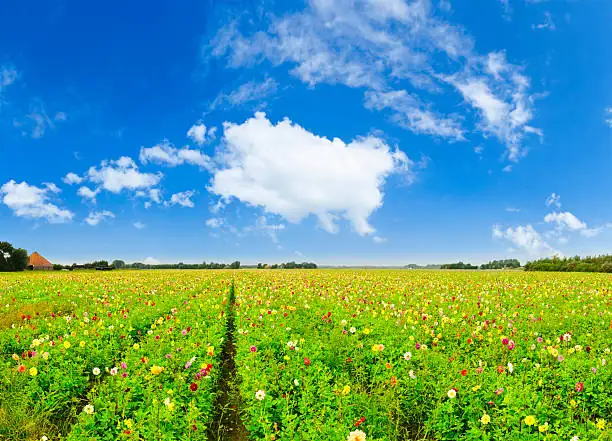
Imagine walking through a vibrant field, where the sun casts its golden glow on a sea of colorful blooms. Among these floral treasures, one plant stands out with its dramatic flair and captivating charm: the Dahlia × pinnata. Known fondly as the “Garden Dahlia,” this flower’s journey from the mountainous terrains of Mexico and Guatemala to the manicured gardens of Europe is a tale of exploration, innovation, and sheer beauty.
The Aztec Connection: A Flower with Roots in History
Long before European horticulturists got their hands on these vibrant blooms, dahlias were cherished by the Aztecs. Known for their ingenuity, the Aztecs used the hollow stems of certain dahlia species as pipes and water conduits. This practical use was complemented by the plants’ aesthetic appeal, contributing to their cultural significance. The Aztecs’ appreciation for dahlias was not solely based on utility; the flowers were also believed to hold spiritual significance, symbolizing inner strength and creativity.

A Spanish Discovery: Bringing Dahlias to Europe
The story of dahlias’ introduction to Europe begins in the 16th century, when Spanish explorers, captivated by the botanical wonders of the New World, documented wild dahlias gracing the hillsides of Mexico. It wasn’t until the late 18th century that dahlias made their way to Europe, thanks to seeds and tubers sent from the Royal Botanical Gardens in Madrid. Initially, European gardeners viewed dahlias as potential food crops due to their tuberous roots. However, their culinary aspirations were soon overshadowed by the plants’ ornamental potential.
The European Horticultural Marvel
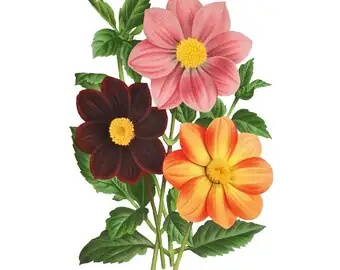
By the early 1800s, European gardeners were smitten. The introduction of double-flowered varieties, with their lush and varied blooms, turned dahlias into horticultural marvels. A pivotal moment in this floral affair occurred in 1872, when a singular, vibrant red dahlia tuber arrived in Holland from Mexico. This “Lone Survivor,” as it came to be known, gave birth to a stunning array of hybrid cultivars, propelling dahlias into the limelight of garden fashion.
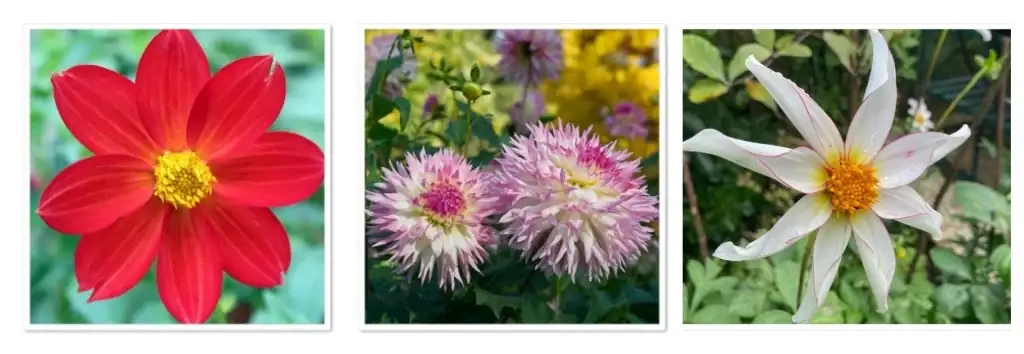
Today, dahlias are celebrated for their extraordinary diversity. From the petite pom-pom and anemone forms to the grand “dinner plate” varieties that can reach up to 40 cm across, there’s a dahlia for every gardener’s dream. These blooms have become synonymous with elegance and prosperity, a nod to their rich history and enduring beauty.
Cultivation: Nurturing the Bloom
Growing Dahlia × pinnata requires a gardener’s touch, balancing sunlight, soil, and care. These flowering plants thrive in full sun, ideally receiving 6-8 hours of direct sunlight. While they are not frost-tolerant, with proper care, they can flourish as perennials in milder climates or be carefully stored over winter in colder regions.
Watering is a dance of balance—ensuring soil is consistently moist but never waterlogged. And when it comes to feeding these floral gems, think flowers, not foliage. Opt for a low-nitrogen fertilizer to encourage stunning blooms.
A Flower’s Language: The Symbolism of Dahlias
In the language of flowers, dahlias are more than just a pretty face; they symbolize inner strength, dignity, and creativity. Each color carries its own message: red for passion, pink for kindness, and yellow for happiness. This symbolic richness makes dahlias not only a gardener’s delight but also a meaningful gift.
Fun Facts and Final Thoughts
- Diversity in Form: Dahlias boast an impressive range of flower types, including cactus, waterlily, and collarette.
- Bloom Season: These plants bloom from summer through autumn, making them a staple in late-season gardens and floral arrangements.
- Cultural Impact: Dahlias have made a cultural mark globally, being the national flower of Mexico and a favorite in floral design.
Whether you’re a seasoned gardener or a floral enthusiast, the dahlia’s vibrant history and stunning appearance are sure to captivate your heart. As you plant your dahlia tubers, perhaps you’ll recall their journey from the ancient lands of the Aztecs, through European gardens, and into your very own backyard—a living testament to the enduring allure of these magnificent blooms.


