


If you’ve ever felt a room brighten the instant a plant walks in, you’ve met Aphelandra squarrosa. Born under the dripping canopy of Brazil’s Atlantic Forest and raised to celebrity on 20th‑century windowsills, the zebra plant is a living study in contrast—creamy-white lightning bolts etched across glossy, jungle-green leaves, crowned by golden spires that seem to glow for weeks.
From the forest floor to the foyer table, its journey is a tale of survival, seduction, and style.
From the forest floor: how a show-off evolved
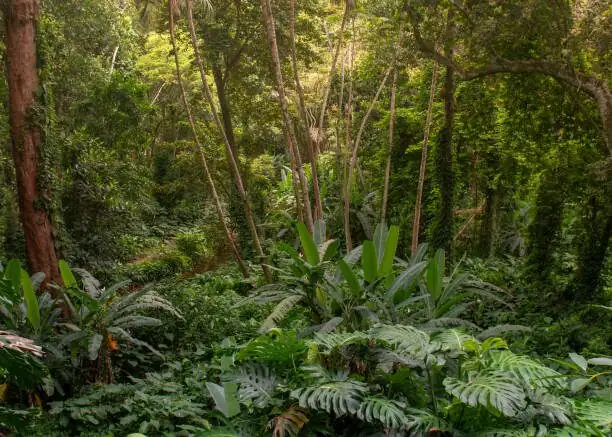
Picture the understory of the Atlantic Forest: dim, humid, dappled with moving light. In this hush, timing is everything and signals must be bold.
- Bold venation as a beacon: The zebra plant’s dramatic, creamy-white veins aren’t just fashion; in a world of low, shifting light they read like luminous map lines across each leaf. While botanists still debate the exact adaptive edge of such high-contrast veining, it’s often framed as a byproduct of robust midribs and veins paired with pigment patterns that heighten visual contrast in shade.
- Bracts that outlast the moment: Those spectacular “petals” are actually bright, upright bracts—modified leaves built to endure. They hold color for weeks, keeping the plant “on air” long after the delicate, true flowers have come and gone. In a forest where pollinator visits can be irregular, long-lasting bracts act like billboards that don’t blink.
- Tubular blooms for targeted visitors: Tucked between the bracts, the true flowers are small, orange, and tubular—an architecture that invites specialist pollinators and protects nectar from rain.
In short, Aphelandra squarrosa learned to be unmistakable in the dimmest room of the rainforest—and that charisma translates perfectly to our homes.
A passport to fame: the 20th‑century houseplant boom
Once botanical explorers ferried living treasures to glasshouses, the zebra plant was destined for stardom. By the early and mid‑1900s it had earned fame (and a little notoriety) among indoor gardeners: adored for head-turning foliage and golden spikes, notorious for demanding steady warmth and humidity.
- The reputation: a “humidity lover” that rewards care with showstopping bracts.
- The allure: foliage handsome enough for year-round display; late-summer-to-autumn shows that look like gilded candles.
- The shift: as bathrooms and kitchens became plant rooms and humidifiers went mainstream, this rainforest understory star found its perfect stage.
Meet Aphelandra squarrosa up close
Key ID features
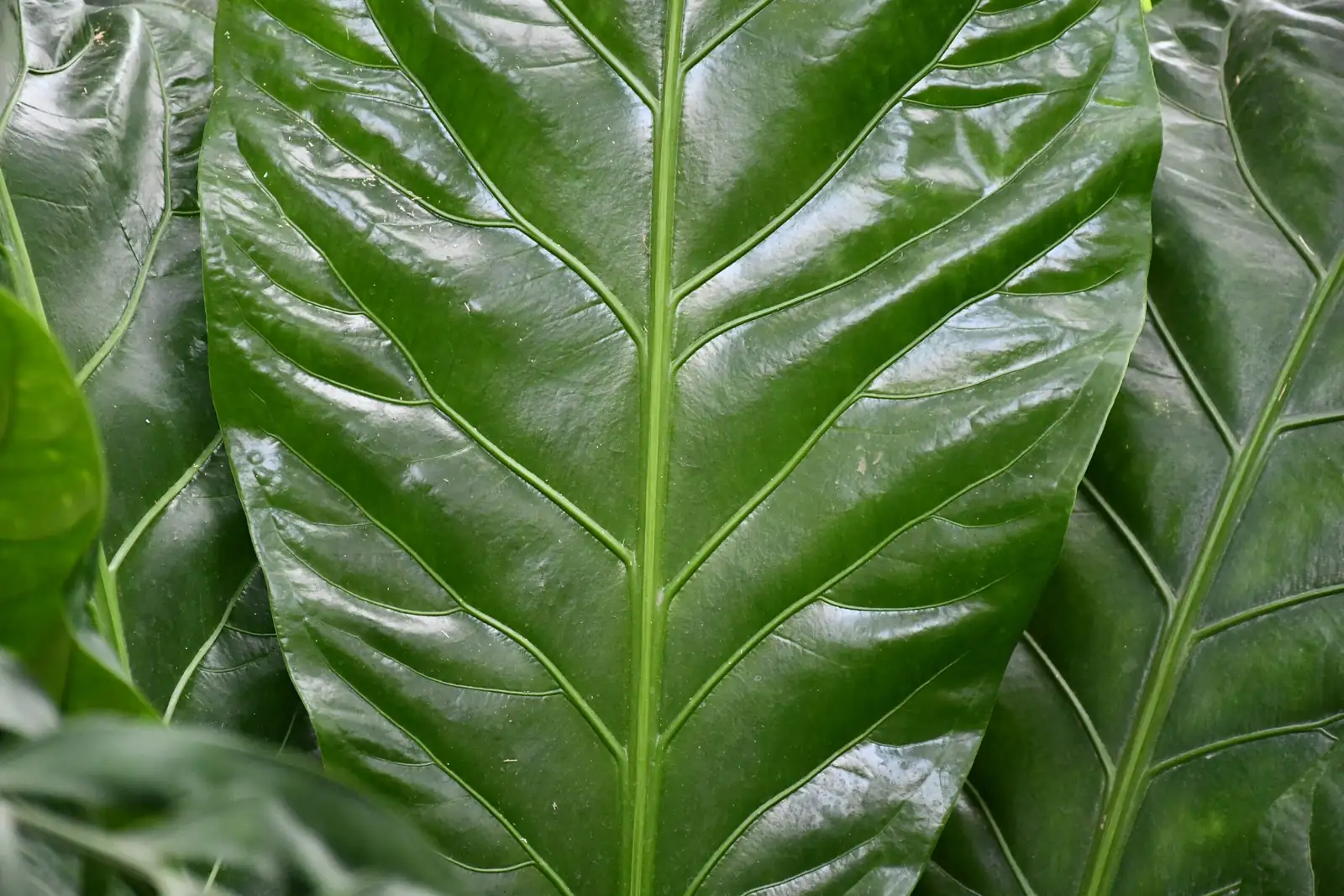
- Leaves: evergreen, glossy, deep green with bold, creamy-white “zebra” veins; the signature look.
- Inflorescences: upright spikes of bright yellow bracts; between them emerge the true, small orange tubular flowers.
- Habit and size: a compact, upright, bushy tropical subshrub, typically about 60 × 60 cm (24 × 24 in) indoors; responds well to tip-pinching and post-bloom pruning.
- Season: often blooms late summer to autumn indoors, timing with warmth and light.
Where it’s from
- Native range: the Atlantic Forest of southeastern Brazil (tropical South America)—a humid, shaded understory specialist.
Safety notes
- Not widely listed as seriously toxic to cats or dogs, but any plant may cause mild stomach upset if chewed. Sap can irritate sensitive skin. Sensible precautions apply.
How to make a rainforest understory at home
Create consistent warmth, bright filtered light, and gentle, even moisture. Think “lush bathroom in good morning light.”
Light
- Bright, indirect light to partial shade.
- Gentle morning sun is fine; avoid harsh midday sun that scorches.
- Too little light = leggy stems and lackluster bracts.
Temperature
- Happy range: about 15–27°C (59–81°F).
- Buds form most reliably with consistent warmth, often above ~20°C (68°F).
- Protect from drafts; keep winter temps at or above 10–13°C (50–55°F).
Humidity
- Aim for 50–60% minimum; 60–80% is even better.
- How to boost: humidifier, pebble trays, plant groupings, occasional misting in dry rooms (avoid leaving leaves wet overnight).
Soil and pot
- Rich yet airy, moisture-retentive mix: peat or coco coir base with perlite and bark for flow.
- Excellent drainage is nonnegotiable.
Watering rhythm
- Growing season: keep evenly moist, never waterlogged. Indoors, a common cadence is watering when the top layer just begins to dry—often about twice per week in warm conditions.
- Winter: let the surface become nearly dry before watering again (often every 7–14 days). Do not let the root ball go bone-dry; that’s a leaf-drop trigger.
- If possible, use rain or distilled water; mineral buildup can stress foliage.
Feeding
- Spring and summer: a balanced liquid fertilizer every 2 weeks (half-strength if you’re cautious).
- Autumn/winter: reduce or pause. If growth continues under warm, bright conditions, a light monthly feed is enough.
Pruning and shaping
- After flowering, remove spent spikes and cut stems back to just above lower leaves (often leaving two leaf sets). This encourages branching and keeps the plant compact.
- If leggy, pinch tips regularly or do a harder cutback to rebuild the canopy.
Repotting
- Annually in spring (or after flowering), into fresh mix.
- Typical mature pot: 15–20 cm (6–8 in). Size up modestly if rootbound.
Propagation
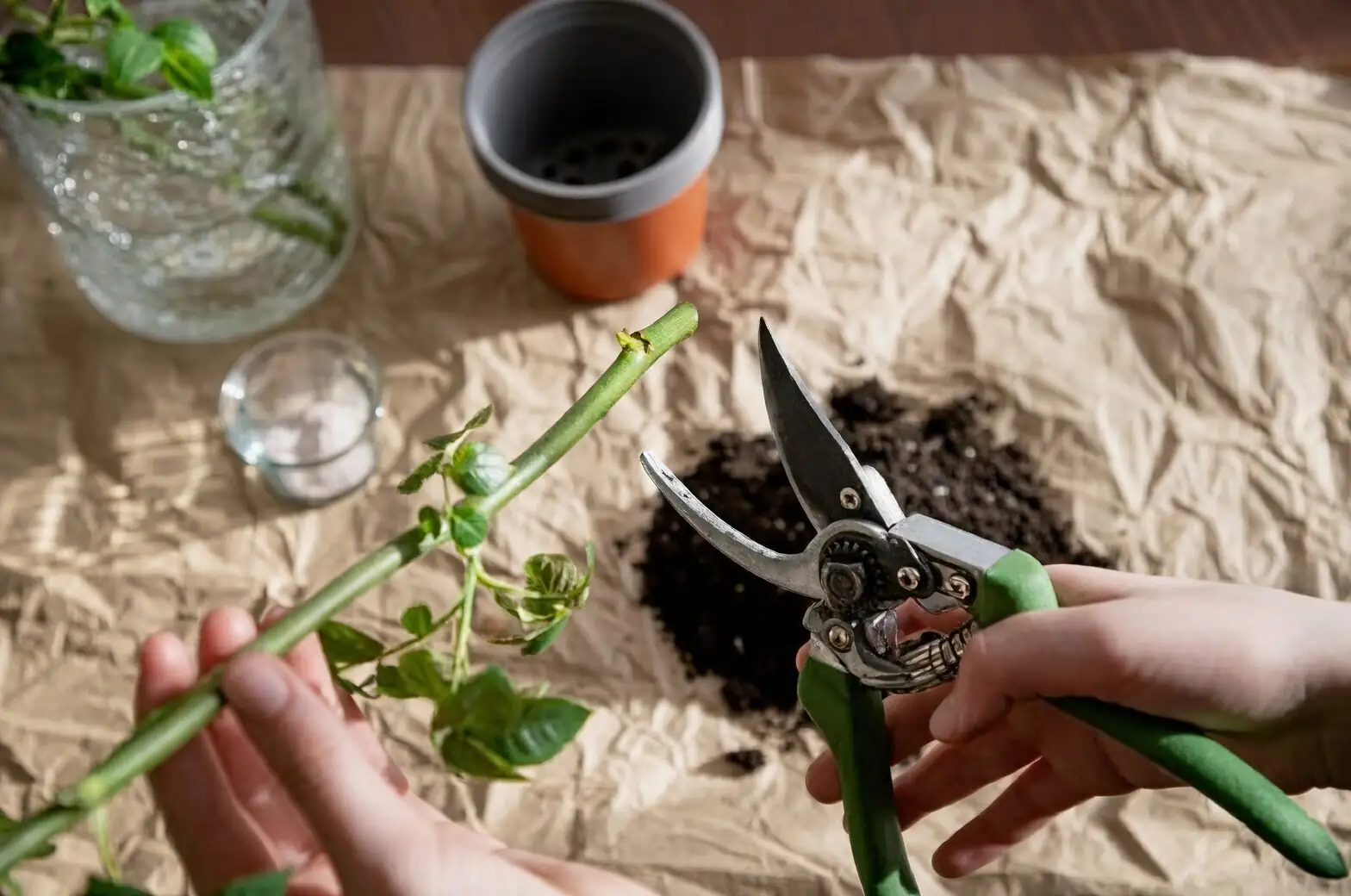
- Stem tip cuttings in spring to early summer:
- Take 8–15 cm (3–6 in) tips with 2–3 nodes; remove lower leaves.
- Root warm (about 25–27°C / 77–81°F) in a moist, airy medium under high humidity (bag/propagator).
- Expect rooting in roughly 4–5 weeks.
Placement ideas
- Indoors: humid bathrooms and kitchens with bright, indirect light are prime.
- Windows: east-facing is usually perfect; north can work in summer; set back from south/west exposures to dodge scorch.
- Outdoors only year-round in frost-free, very warm climates (roughly USDA 11–12).
Bloom like the forest: your indoor playbook
- Three ingredients: bright but filtered light for weeks, steady warmth (often above 20°C/68°F), and consistent moisture.
- Timing: zebra plant often flowers late summer to autumn indoors; the bracts hold color for weeks, even as the tiny orange flowers are fleeting.
- Aftercare: post-bloom pruning keeps the show coming. A gentle post-bloom breather in slightly cooler, still-warm conditions can help reset growth—then return to bright, indirect light as days lengthen.
Pro tip: While day length matters less, light intensity over time is a prime nudge toward budding—another echo of that dappled understory.
Common missteps and quick fixes
- Sudden leaf drop?
- Usual culprits: a dry root ball (even once), low humidity, cold drafts, or sharp temperature swings.
- Fix: reestablish even moisture, raise humidity to 50–60%+, and stabilize temperatures.
- Scorch vs. shade:
- Bleached/brown patches mean too much direct sun.
- Spindly, stretched stems mean not enough light.
- Pests to watch:
- Spider mites (dry air invites them), mealybugs, scale, aphids; occasionally thrips.
- Response: isolate, increase humidity/airflow, then treat early with insecticidal soap or horticultural oil.
- Disease:
- Root rot from overwatering; leaf spot in stagnant, overly wet conditions.
- Prevention: drain freely, avoid late-day leaf wetting, and keep air moving.
Note on experiments: Semi-hydro or water culture is sometimes attempted, but this species usually excels in a moisture-retentive, airy mix. If you try it, keep the setup warm and clean, refresh water regularly, and dose nutrients gently.
A quick care cheat sheet
- Light: bright, indirect; brief morning sun is okay.
- Temp: 15–27°C (59–81°F); warm and steady for buds.
- Humidity: 50–60%+; 60–80% ideal.
- Water: evenly moist in growth; never soggy, never bone-dry.
- Feed: every 2 weeks in spring/summer; light or none in winter.
- Trim: post-bloom prune; pinch tips for bushiness.
- Repot: yearly in spring into fresh, airy mix.
- Propagate: spring tip cuttings, warm and humid.
Flower language and symbolism: boldness with staying power
In modern houseplant culture, zebra plant is often linked with boldness and vibrant energy—an easy read from those high-contrast leaves and steadfast golden bracts. Unlike old-world floragraphies, this “flower language” doesn’t come from ancient folklore so much as contemporary design sensibilities: the graphic foliage and long-lasting bracts embody confidence, resilience, and a love for the spotlight. It’s living décor that says, “Look closer.”
Epilogue: a rainforest cameo in your everyday
Aphelandra squarrosa began life whispering for attention beneath Brazil’s towering trees. Indoors, it doesn’t whisper—it dazzles. Give it warmth, generous-but-gentle light, real humidity, and rhythmically moist roots, and it will turn a quiet corner into a tropical proscenium, week after week, spike after spike. In a world of muted tones, the zebra plant is happy to be the exclamation point.