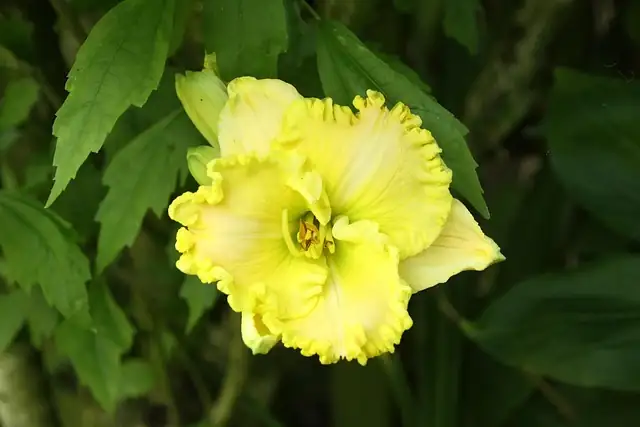
The daylily, a vibrant and resilient flower, has a fascinating history that spans continents. Originally native to Asia, particularly China, Korea, and Japan, the daylily has made its way across the globe, captivating gardeners and plant enthusiasts alike.
The Origins of Daylilies
Daylilies have been cultivated in Asia for centuries. They are often found in the wild, growing along roadsides and in meadows. In traditional Chinese medicine, daylilies are valued for their edible flowers and medicinal properties.
Daylilies in Western Gardens
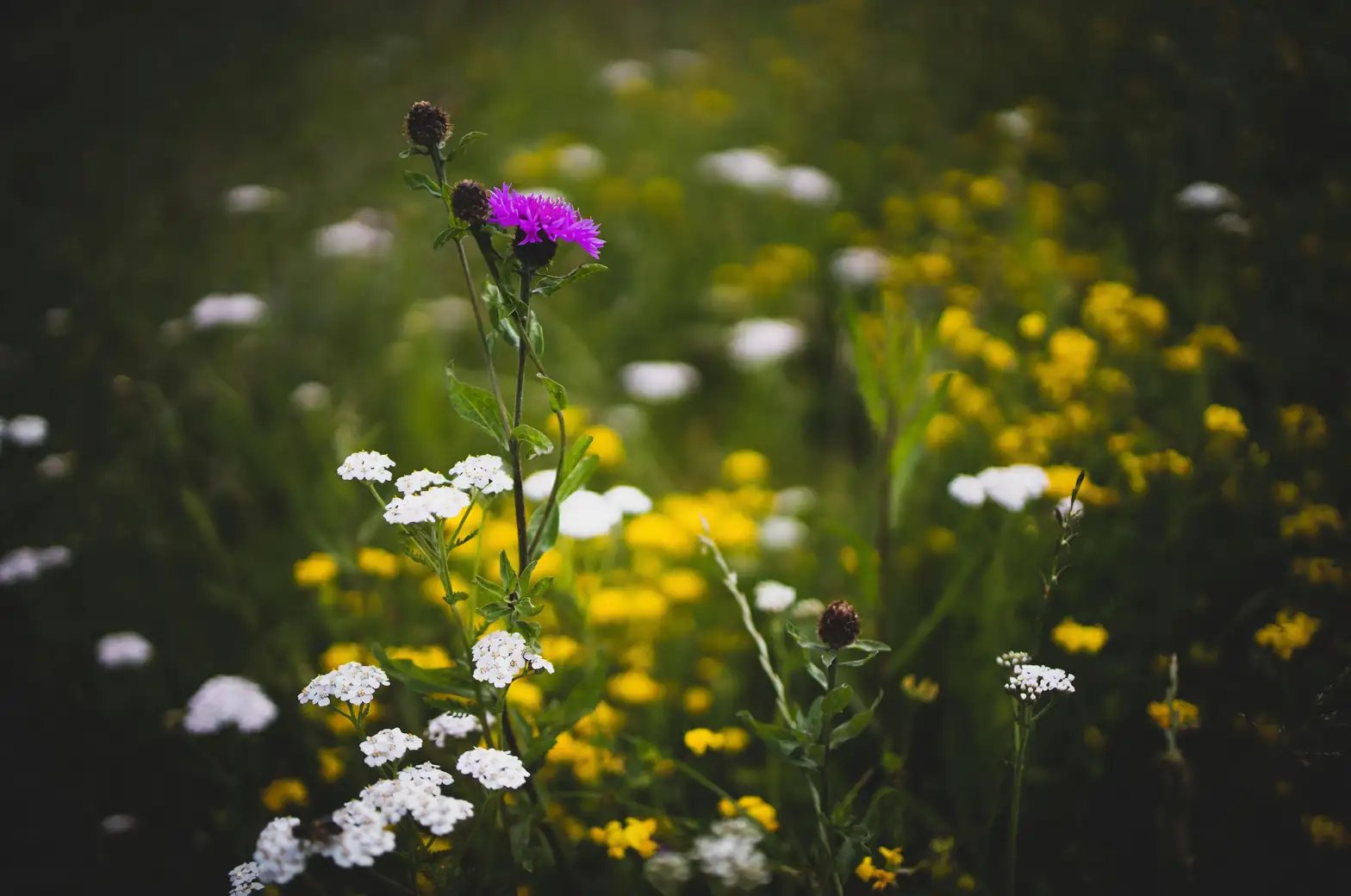
The journey of the daylily to the West began in the early 20th century. Western horticulturists were drawn to the plant’s hardiness and vibrant colors. Today, daylilies are a staple in many American gardens, appreciated for their low maintenance and long blooming period.
Varieties and Hybrids
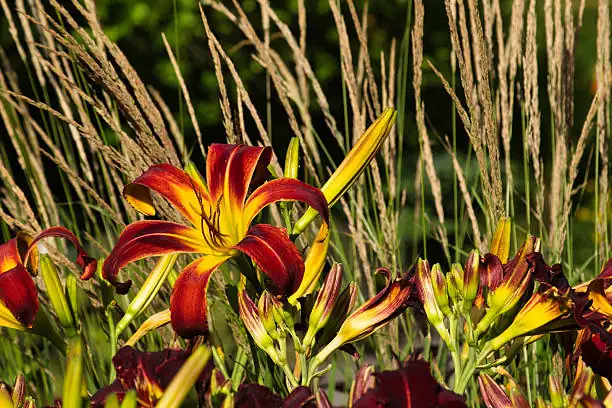
Over the years, hybridization has led to thousands of daylily varieties, each with unique colors and patterns. Breeders continue to develop new hybrids, expanding the palette available to gardeners.
The Cultural Impact of Daylilies
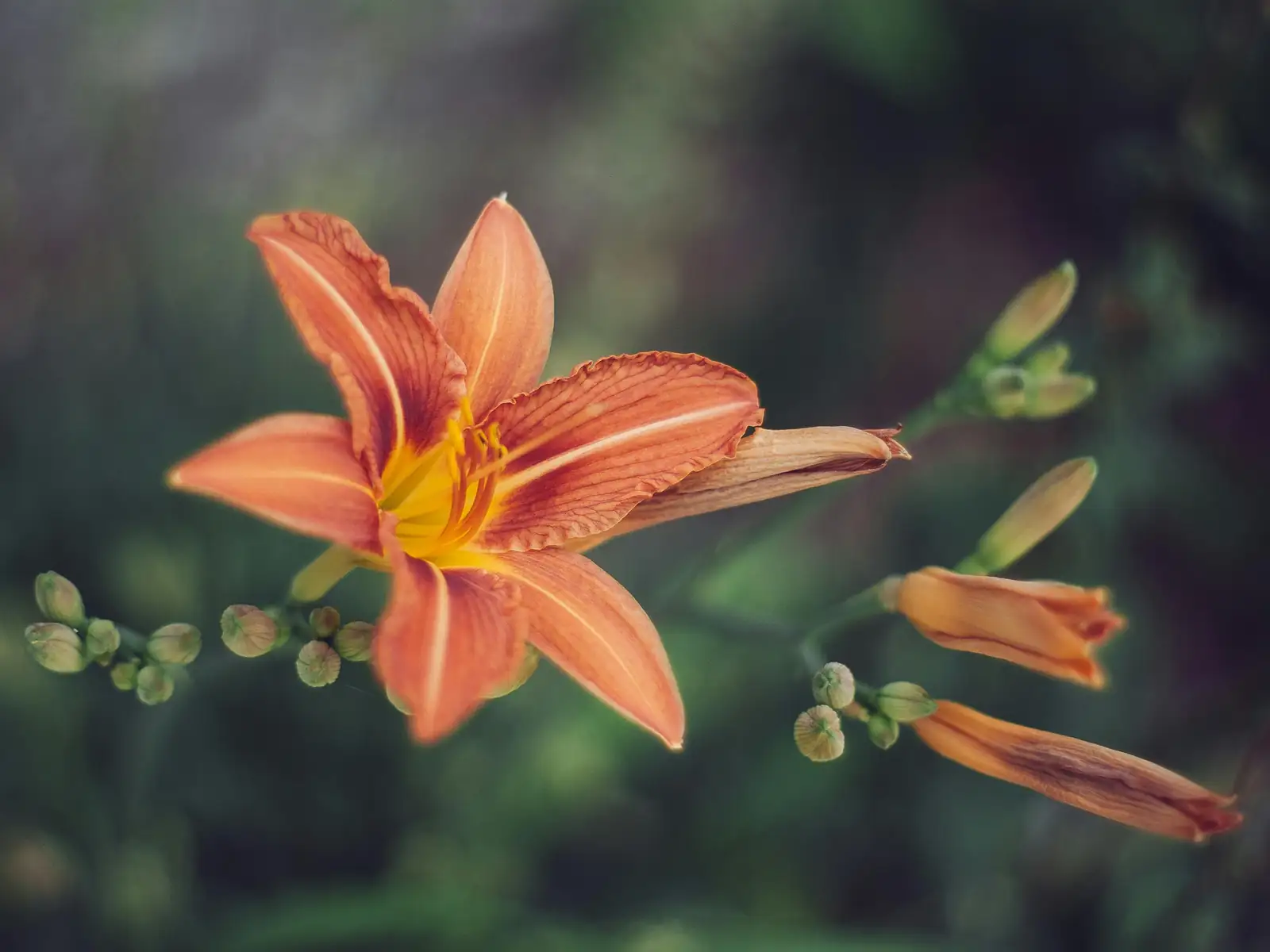
In addition to their beauty, daylilies hold cultural significance in many societies. In China, they symbolize motherhood and are often associated with positive energy and good fortune.
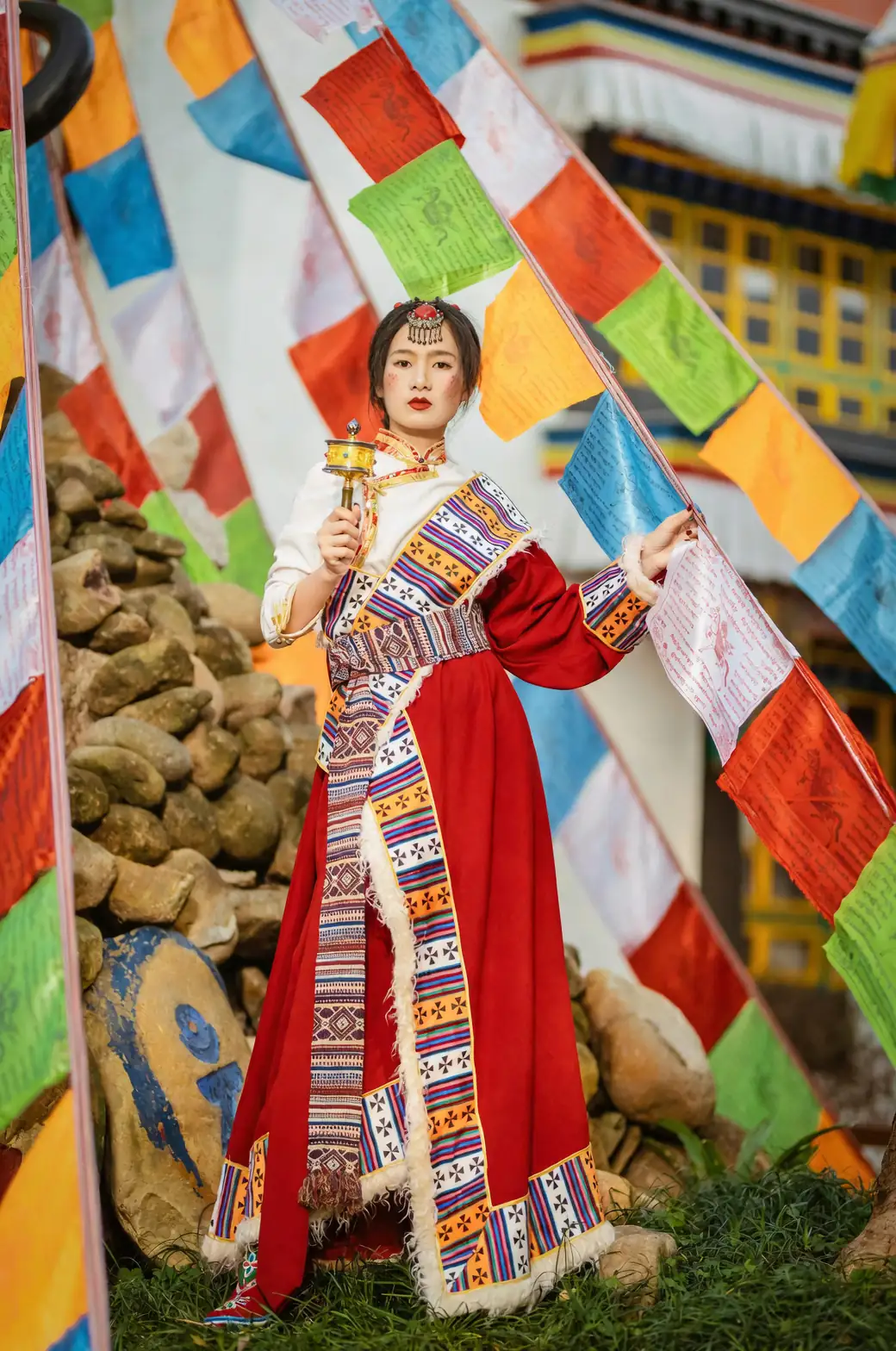
The daylily’s journey from Asia to America is a testament to its enduring appeal and adaptability. Whether in a traditional Asian garden or a modern American landscape, the daylily continues to thrive, bringing joy and color to our lives.