

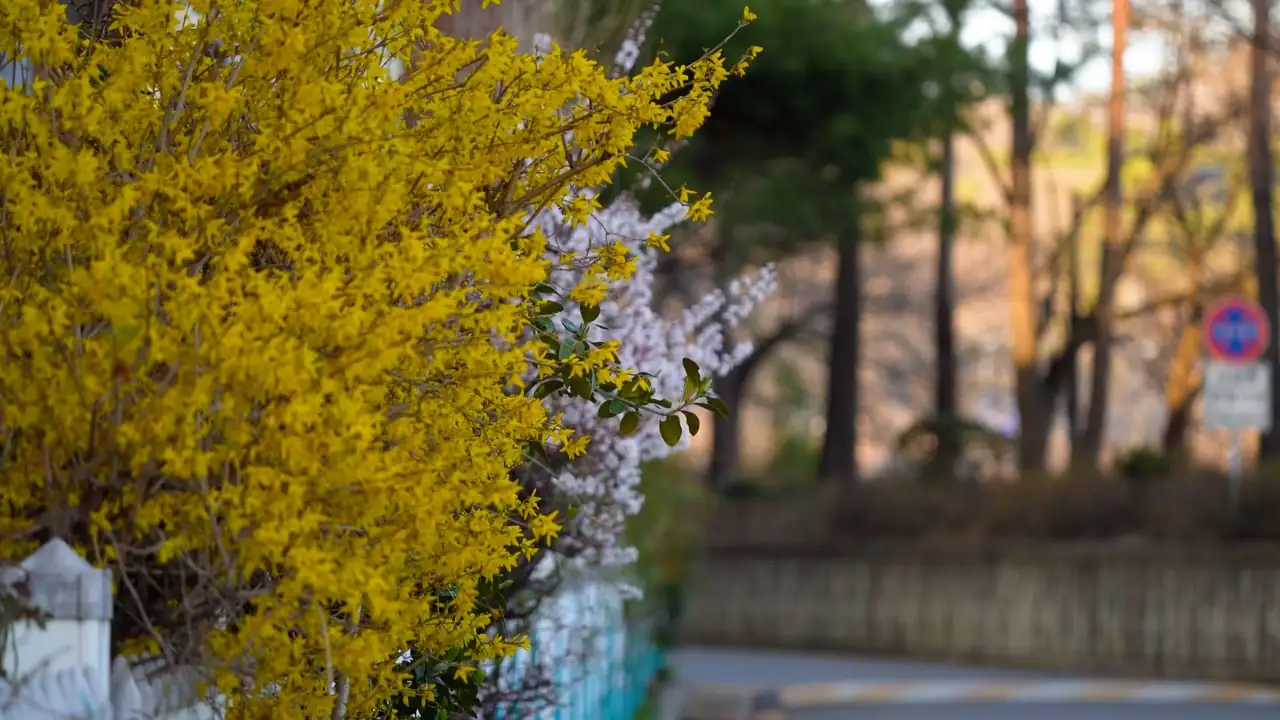
A Captivating Journey Through Forsythia’s History and Evolution
Imagine a chilly morning in early spring. The world around you still wears winter’s muted palette, but suddenly, a blaze of golden-yellow catches your eye. It’s Forsythia suspensa, or simply forsythia, heralding the arrival of a new season with its brilliant blooms. Let’s embark on a fascinating journey through the history, evolution, and global adoration of this cheerful flowering shrub.
Origins: A Tale Rooted in the East
Our journey begins in the rugged landscapes of East Asia, where forsythia has flourished for centuries. Native to China, Korea, and Japan, these shrubs thrive on mountain slopes, in woodlands, and across grasslands, adapting to elevations ranging from 250 to 2200 meters. Legend has it that an ancient Chinese emperor once lined the road to his palace with forsythias, using their early blooms as a natural calendar to mark the onset of spring.

But how did this vibrant shrub make its way to gardens across the globe? Enter William Forsyth, an 18th-century Scottish botanist and founding member of the Royal Horticultural Society. Forsyth introduced the plant to England, and in honor of his contributions, the genus was named after him. From there, the plant’s popularity spread like wildfire, captivating gardeners worldwide with its sunny disposition.
A Symbol of Renewal and Hope
Forsythia isn’t just a botanical wonder; it’s a cultural symbol of renewal and hope. In China, its early bloom is a metaphor for new beginnings, a theme echoed in the flower’s association with optimism and joy across many cultures. These golden blooms often serve as a reminder that even after the harshest winters, life will spring forth anew.

The flower’s association with friendship and good wishes makes it a thoughtful gift, symbolizing gratitude and positive energy. It’s no wonder that during trying times, such as World War II, the sight of blooming forsythias brought comfort and signified the end of difficult chapters.
From Wild to Ornamental: Forsythia’s Garden Evolution
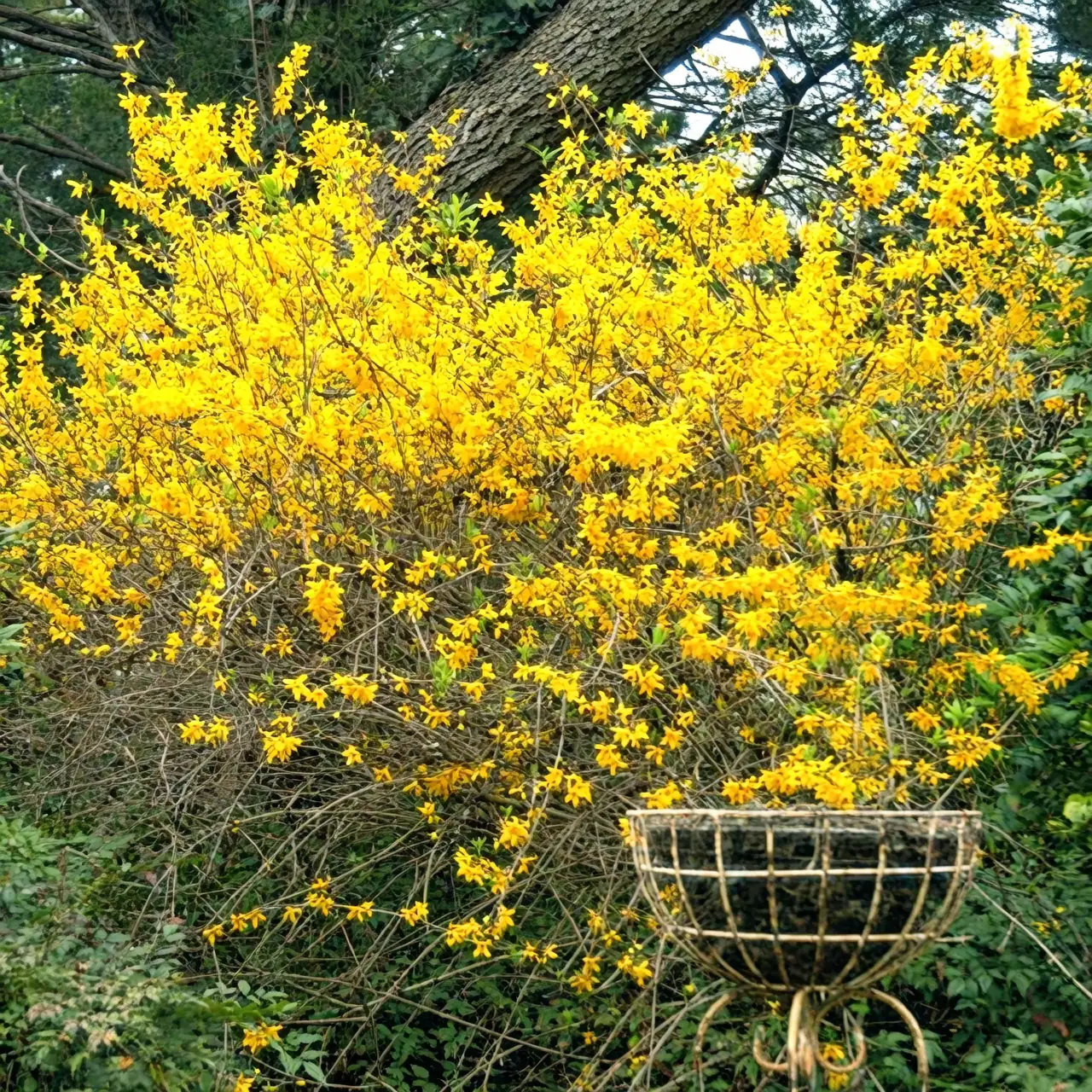
In its native habitat, forsythia grows with vigorous, upright-arching stems that can reach up to 3 meters tall. Its hollow twigs and robust root system allow it to thrive in various conditions, making it an adaptable addition to any garden.
Forsythia’s ability to flourish in temperate climates—particularly in USDA Zones 5–8—has made it a staple in gardens around the world. Its cold hardiness means it can withstand winter temperatures as low as −34°C (−30°F) in some varieties, making it a resilient choice for gardeners in colder regions.
Cultivation: Easy Care and Endless Joy
Forsythia’s charm extends beyond its beauty; it’s also a gardener’s delight due to its low-maintenance nature. This fast-growing shrub can add up to 60 cm of growth in a single year under the right conditions, making it ideal for hedges, borders, and erosion control on slopes.
To ensure a heavy bloom, plant forsythia in full sun and provide occasional deep watering during dry spells. It’s forgiving of soil types but thrives in fertile, well-draining environments. Prune right after flowering to protect next year’s buds and encourage vigorous new shoots.
The Flowering Alarm Clock
Forsythia’s flowers often bloom while snow still blankets the ground, acting as a “spring alarm clock” for nature. Their four-lobed, golden-yellow petals create a stunning contrast against bare branches, drawing the eye and signaling the end of winter.
Although the flowers offer little nectar, they still attract early-season insects, eager to explore their bright allure. And if you’re looking to bring a touch of spring indoors, forsythia branches can be forced to bloom by cutting stems with plump buds and placing them in water.
A Global Favorite with a Rich Heritage
From its ancient roots in East Asia to its status as a beloved garden plant worldwide, Forsythia suspensa embodies a rich tapestry of history, culture, and natural beauty. Its journey from wild slopes to ornamental gardens reminds us of the resilience and hope that nature provides. Whether you encounter forsythia lining a garden path or bursting into bloom on a cool spring morning, it serves as a vibrant reminder of life’s perpetual cycle of renewal.


