

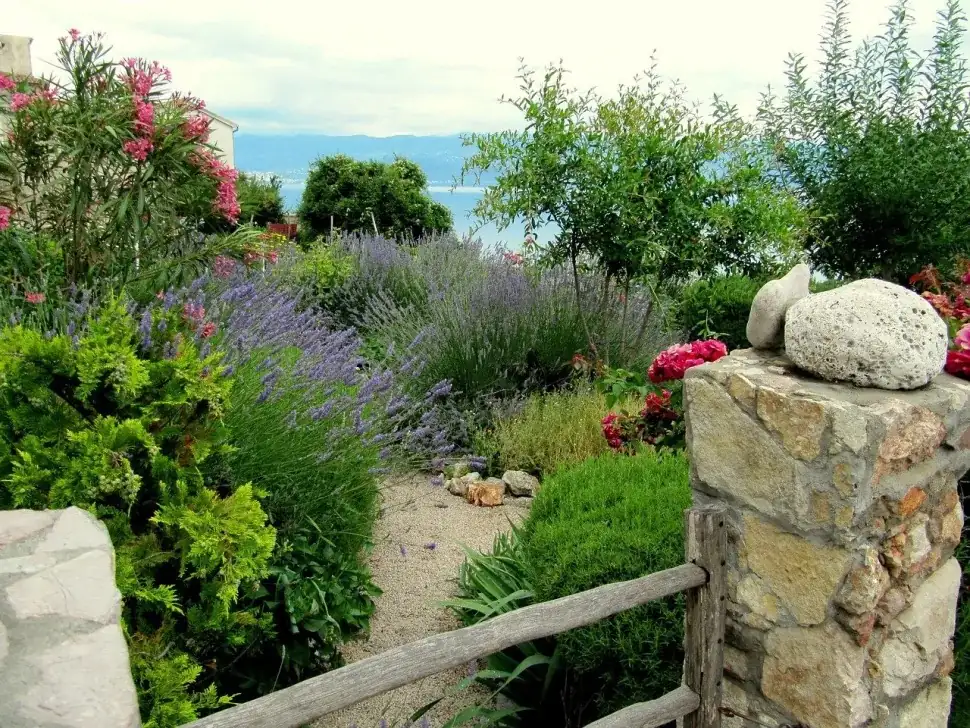
The Captivating Journey of Nerium oleander: From Ancient Roots to Modern Gardens
Imagine a plant that has graced the ancient gardens of the Mediterranean, inspired poets and painters, and yet, holds a secret potency that commands respect. Welcome to the world of Nerium oleander, a plant that is as captivating as it is dangerous.
A Glimpse into History
Nerium oleander, known by many names such as Adelfa, Laurier Rose, and Rosebay, has a storied past that stretches back thousands of years. Native to the sun-drenched lands of the Mediterranean Basin, this evergreen shrub has journeyed far and wide, becoming a beloved ornamental plant across the globe. The ancient Greeks and Romans were among the first to cultivate oleander, referring to it by names like “rhododaphne” and “nerion.” Its presence is immortalized in Pompeii-era art, hinting at its significance in ancient horticulture and mythology.

The Allure of Oleander
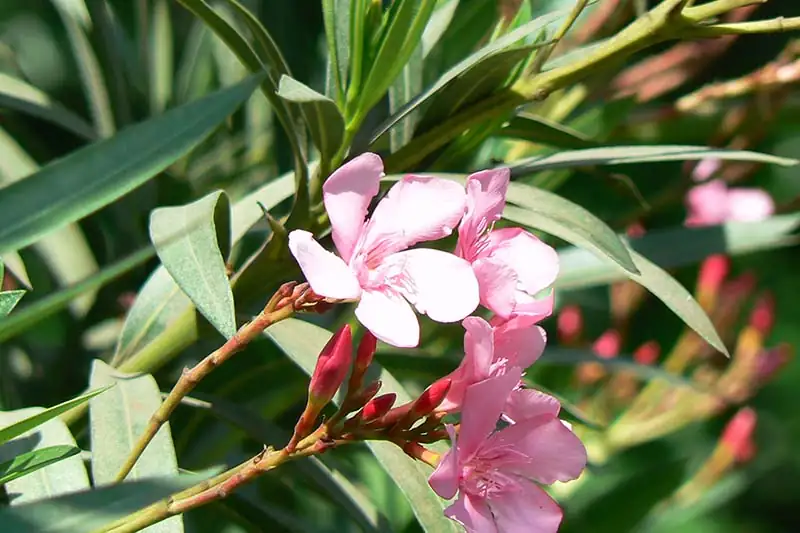
What makes oleander so captivating? It’s a plant of contradictions. On one hand, it boasts a long season of vibrant blooms—from soft pinks to deep reds, and even cultivated shades like peach and yellow. On the other, it is one of the most toxic plants known. Every part of the plant contains potent cardiac glycosides, making it dangerous to humans and animals alike. Yet, this very toxicity has lent it an air of mystery and reverence throughout history.
A Hardy Survivor
In the plant kingdom, oleander stands out as a survivor. It thrives where many plants struggle, enduring harsh conditions like drought, wind, and urban pollution effortlessly. This resilience makes it a popular choice for landscaping in challenging environments such as city medians and coastal areas. It’s not just a plant; it’s a testament to nature’s ability to adapt and thrive.
Cultivation and Care
Despite its toxicity, oleander is relatively easy to grow, making it a gardener’s favorite in the right setting. It flourishes in full sun, developing dense foliage and abundant flowers. While it can tolerate poor soils, well-drained and fertile conditions enhance its growth and blooming. Regular pruning keeps it tidy and encourages more spectacular displays of flowers.

The Symbolism of Oleander
Oleander’s beauty and danger have inspired a rich tapestry of symbolism. In the language of flowers, its colors convey messages: red warns of danger, yellow speaks of deep friendship, and white symbolizes pure, lasting friendship. These associations reflect its dual nature—an object of beauty that demands respect and caution.
Legends and Lore
Throughout history, oleander has been woven into the fabric of folklore and legend. Some ancient texts even attributed medicinal properties to oleander, though such uses are perilous given its toxic nature. Its reputation as a plant of power seeped into various cultural narratives, sometimes linked to trance or ritual practices.
A Plant That Commands Respect
Today, oleander continues to enchant and intrigue. While its toxicity is a crucial consideration, its ability to brighten landscapes with minimal care makes it a valuable addition to gardens worldwide. In the hands of a knowledgeable gardener, oleander is a living piece of history and beauty.
In essence, Nerium oleander is a plant that embodies the delicate balance of allure and caution—an enduring symbol of nature’s complexity. Whether you admire it in a roadside planting or a sunlit garden, oleander’s legacy is a reminder of the ancient and enduring relationship between humans and the plant world.


