The Royal Journey of Ocimum basilicum: From Sacred Traditions to Culinary Stardom
Picture this: a bustling kitchen filled with the aroma of fresh pesto, a bright green sauce that captures the essence of summer. At the heart of this culinary delight is the humble yet majestic basil, known scientifically as Ocimum basilicum. But how did this fragrant herb journey from the sacred rituals of ancient cultures to the global culinary fame it enjoys today?
Origins: From Asia to the Ancient Mediterranean
Basil’s story begins in the lush, tropical landscapes of Asia. With origins deeply rooted in India, basil was once considered sacred, revered in religious rituals and traditional medicine. Known as “Tulsi” or “holy basil,” it held a place of honor in Hindu worship, believed to offer protection and purification. As basil made its westward journey, it crossed paths with ancient Egyptian traditions, where it was used in embalming rituals due to its aromatic properties.
But basil’s journey didn’t stop there. It soon found its way to the Mediterranean, carried by the Greeks and Romans. For the Greeks, basil was both a symbol of misfortune and a remedy against the mythical basilisk—a creature said to have a fatal stare. In Roman culture, basil was a symbol of love and protection, often grown in gardens to ward off negativity and invite prosperity.
Cultural Symbolism: More Than Just a Herb
Basil’s name itself, derived from the Greek word “basilikon,” meaning “royal,” hints at its lofty status. In Italy, basil became the “King of Herbs,” a symbol of love and courtship, while in India, it continued to be a sacred symbol of fidelity and eternal life. The herb’s ability to cross cultural boundaries is a testament to its universal appeal and significance.
Culinary Renaissance: From Pesto to Pad Thai
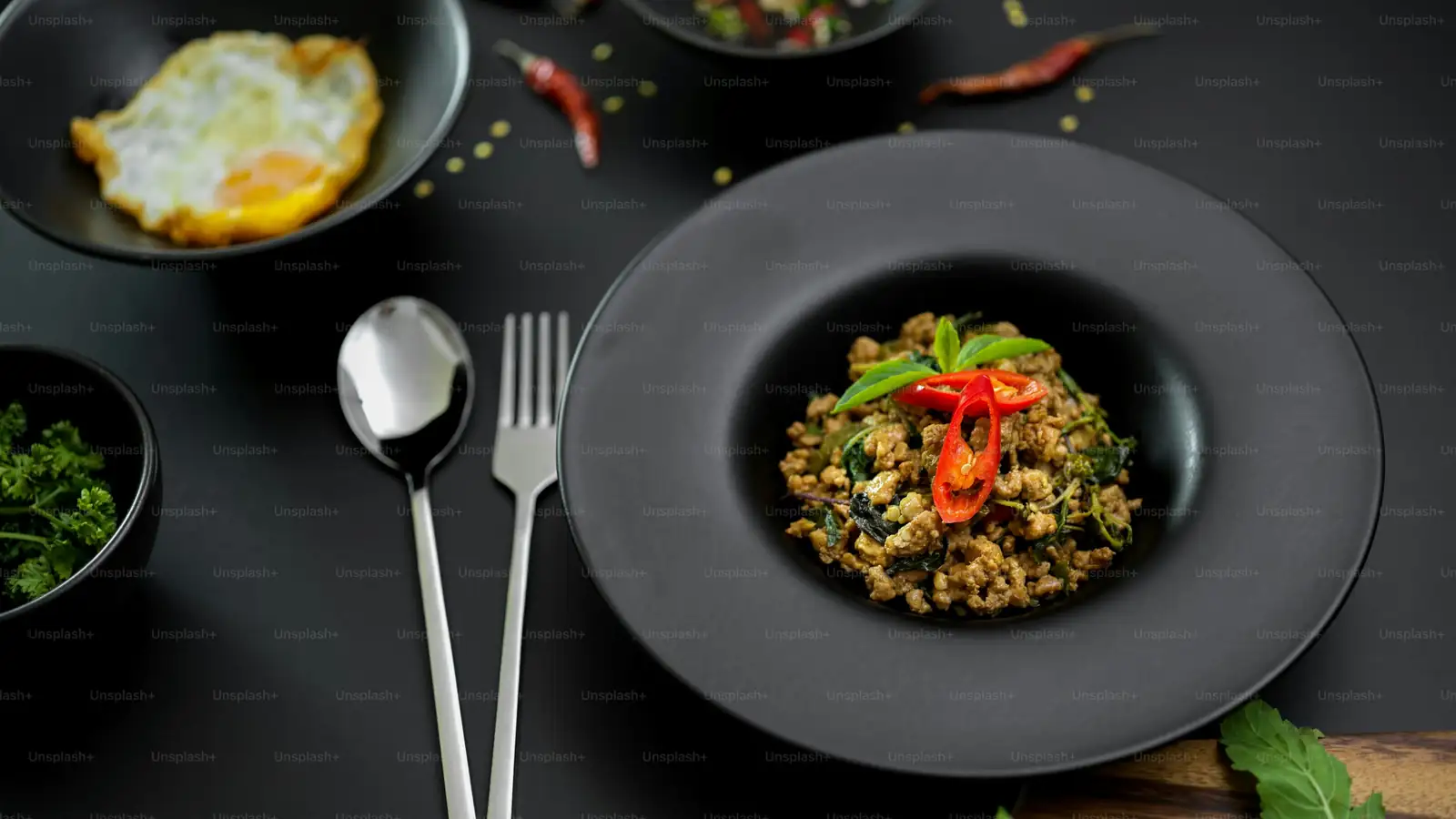
As basil spread across Europe, it found a permanent home in Italian cuisine. Its sweet and peppery flavor became the backbone of iconic dishes like Caprese salad, pasta sauces, and, of course, pesto. But basil’s versatility isn’t confined to European kitchens. In Southeast Asia, Thai basil, with its anise-leaning flavor, became a staple in curries and stir-fries, adding depth and aroma to a variety of dishes.
Growing and Caring for Basil: A Gardener’s Delight
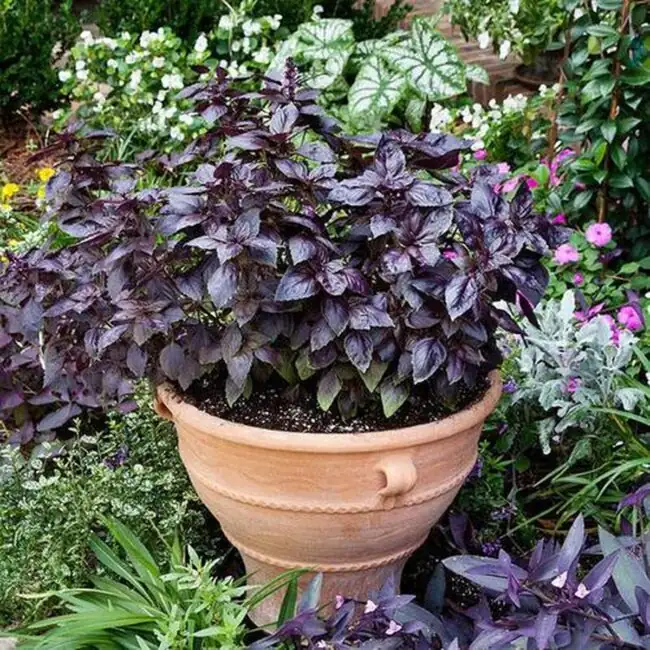
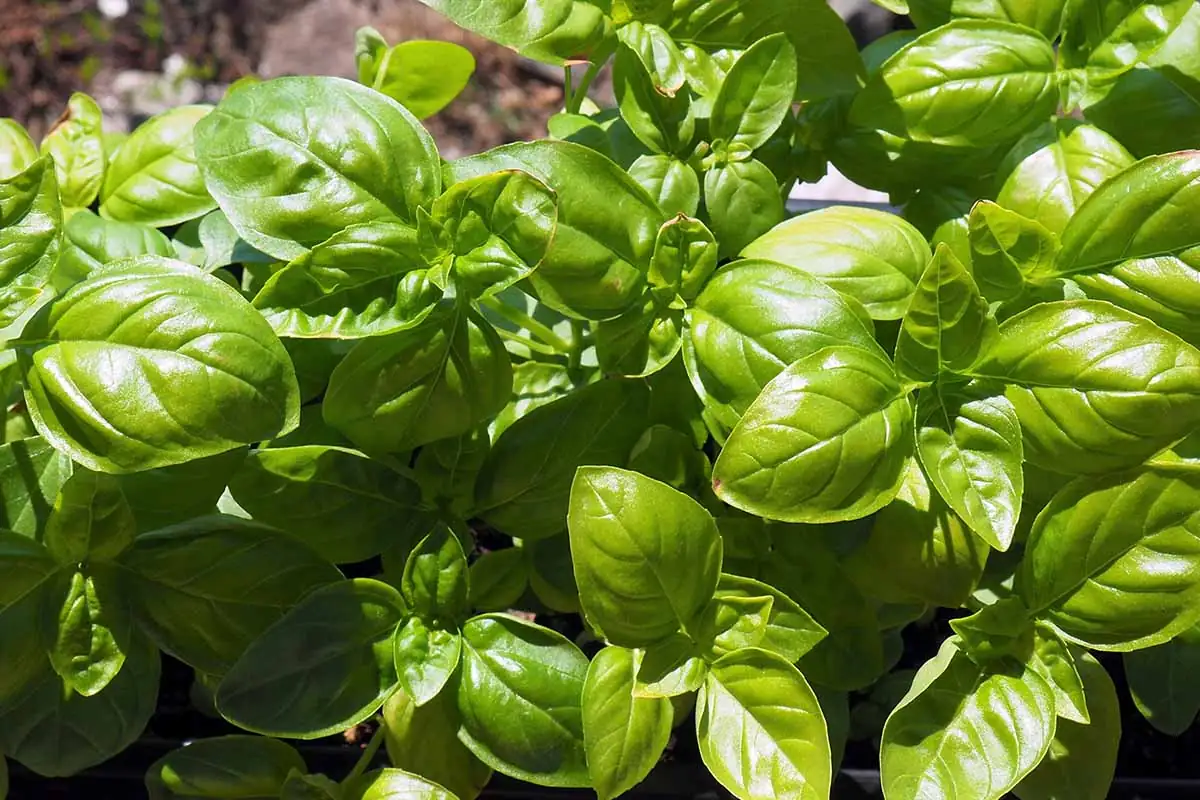
Basil is as popular in the garden as it is in the kitchen. This member of the mint family is a gardener’s dream—easy to grow, fragrant, and rewarding. It thrives in full sun, with well-drained soil and consistent watering. Its growth habit is upright and bushy, making it ideal for small spaces like patios or sunny windowsills. With a little pinching and care, it transforms into a lush, leaf-packed plant that keeps giving all season.
Modern Uses: From Medicine to Aromatherapy
While basil’s culinary applications are renowned, its medicinal properties have been valued for centuries. Rich in essential oils like linalool and eugenol, basil is believed to have antibacterial and anti-inflammatory benefits. Its essential oils are used in aromatherapy, offering a soothing escape from the stresses of modern life.
Fun Facts and FAQs
- Did you know? The word “pesto” derives from the Italian verb “pestare,” meaning “to pound,” referring to the traditional method of preparation using a mortar and pestle.
- FAQ: How do I trim basil to encourage growth? Pinch or snip stems just above a pair of leaves. This encourages branching and a bushier plant, extending your harvest time.
From sacred traditions to culinary triumphs, basil’s journey is a fascinating tale of resilience and adaptability. Its ability to transcend cultural and geographical boundaries speaks volumes about its enduring allure. So next time you sprinkle fresh basil over your pasta or stir it into a fragrant curry, remember the rich history that accompanies each leaf—a story of love, protection, and culinary delight.