If winter has a soundtrack, the polyanthus primrose hums the opening notes. Just when the garden looks emptied of color, tight rosettes of glossy green send up short stems capped with little bouquets—cheery, many-flowered trusses in saturated yellows, blues, scarlets, and those irresistible bull’s-eye bicolors. But this modern show began high in cool hills and hedgerows, took a star turn on manicured Victorian bedding schemes, and now graces windowsills and balconies worldwide as a quintessential cool-season charmer.
Meet Polyanthus Primrose (Primula × polyantha)
- What it is: A garden-bred hybrid primrose prized for dense clusters of blooms above a compact rosette.
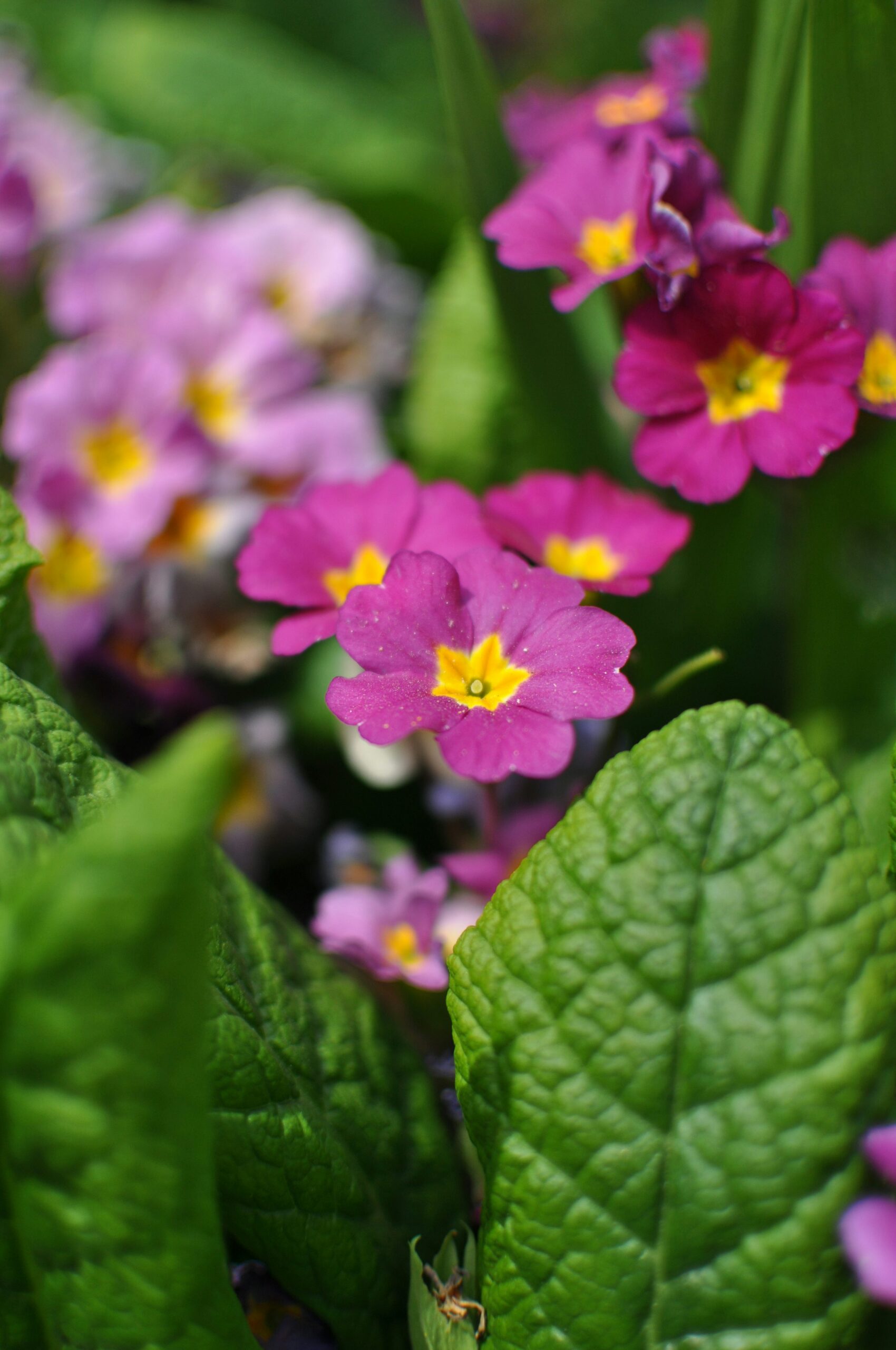
- Look: Deep green leaves form a neat basal clump; flower stalks carry rounded primrose blossoms in solids and bold bicolors.
- Size: Typically 15–30 cm tall in bloom, 15–25 cm across (varies by cultivar and pot).
- Season: Late winter into spring, with many indoor plants peaking midwinter.
- Best role: Cool-season pots, windowsills, and bright, sheltered balconies.
An Origin Story: From Cool Uplands to the Conservatory Window
Primula × polyantha grew out of gardeners’ long fascination with cool-loving Primula species—plants native to moist meadows, woods, and uplands where nights stay crisp and soils never bake. Breeders drew on this cool-climate parentage to craft a hybrid fit for early-season spectacle: short, sturdy stems carrying many blooms together, like a miniature bouquet on each stalk.
- The raw material: Wild primroses inter-hybridize readily, giving breeders a generous palette of forms to select from. Gardeners, especially in Britain and continental Europe, seized on this potential, selecting for:
- Cooler-climate tolerance in leaf and root
- Compact rosettes that sit low and tidy
- “Many-flowered” trusses for mass color impact
Note: Nature sometimes tosses its own hybrid surprises where species meet, but the polyanthus primrose you buy today is very much a horticultural creation—honed in gardens and greenhouses for winter-to-spring display.
The Victorian Bedding Boom
The 19th century adored order and abundance—think ribbon-bedding, parterres, and spring carpets of precise color. Polyanthus primroses, with their:
- Short, uniform stems
- Many-flowered heads
- Cool-season stamina
fit the fashion perfectly. They were massed in drifts, paired with other early bloomers, and paraded in shows. The ideal then still sounds familiar today: a compact plant holding a tight, flower-packed dome in nonstop jewel tones.

Modern Breeding: From Pastels to Pop Art
Today’s polyanthus cultivars push color and form to theatrical heights:
- Electric bicolors with high-contrast “eyes” and picotee edges
- Saturated reds, violets, blues, golds, and near-black maroons
- Fuller, denser trusses that read as mini-bouquets
- Better uniformity and compactness for pots and window boxes
Yet one thing hasn’t changed: they are unabashedly cool-weather plants. Give them bright light, fresh air, even moisture—and especially cool temperatures—and they reward you with richer color and a longer show.
How to Grow for Peak Performance
Think “bright, cool, evenly moist.” That mantra makes all the difference.
Light
- Best: Bright light with gentle sun (east or bright south window; sheltered balcony).
- Too little light: Leggy stems and washed-out color.
- Avoid: Harsh midday sun in warm conditions.
Temperature
- Sweet spot: 13–18°C (55–64°F).
- For reliable winter bloom: keep above ~12°C (54°F).
- Protect from cold injury below ~5°C (41°F).
- Heat sensitive: Hot rooms, heaters, and stuffy spots cause rapid decline.
Humidity and Air
- Likes moderate humidity and good airflow.
- Keep soil evenly moist, never waterlogged; stagnant, wet conditions invite crown rot and gray mold.
- In hot, dry spells, raise ambient humidity around (not on) the foliage.
Soil and Potting
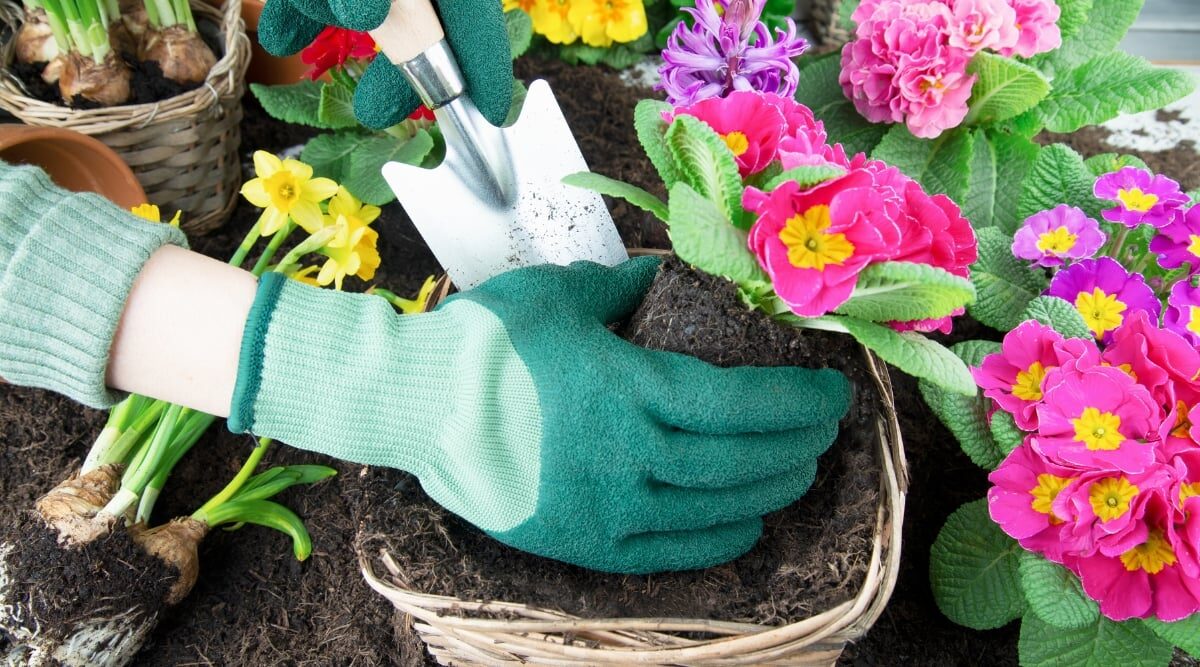
- Use a rich but free-draining mix (peat- or leaf-mold based) with perlite/sand.
- Critical: Set the crown at or slightly above the surface—never bury it.
Watering
- Keep the mix consistently moist; avoid splashing the crown and leaves.
- Typical cadence (adjust to your conditions):
- Winter bloom: about 2–3 times per week
- Spring active growth: about 3–4 times per week
- Autumn bud initiation: about 2–3 times per week
- Summer/after bloom: reduce; prioritize coolness, shade, airflow, and drainage over frequent watering
Feeding
- During growth: every 10 days or so with a balanced soluble fertilizer.
- Bud to bloom: continue regular feeding; add 1–2 bloom-boost feeds (higher P/K).
- Keep fertilizer solution off foliage to prevent scorch.
Grooming
- Deadhead spent stalks promptly.
- Remove yellowing leaves to keep the crown clean and disease pressure low.
Buying Guide and Placement
- Choose:
- A compact clump with deep green, undamaged leaves and a firm crown
- Thick buds just opening; petals clean, vivid, and intact
- Common retail pots: 12–15 cm (4.7–5.9 in)
- Place:
- Bright light with gentle sun
- Away from heaters and hot drafts
- Keep position stable while flowering (less moving = fewer broken stems and dropped blooms)
A Year in Short: Care Calendar
- Spring: Steady moisture; deadhead regularly.
- Summer: Shield from heat; give bright shade, airflow; water judiciously without waterlogging; raise local humidity.
- Autumn: Repot/divide; resume even moisture as flower stalks initiate.
- Winter: Bright, cool conditions (13–18°C / 55–64°F; above ~12°C / 54°F to bloom); water 2–3 times weekly as needed.
Propagation and Repotting
Division (easiest, in autumn)
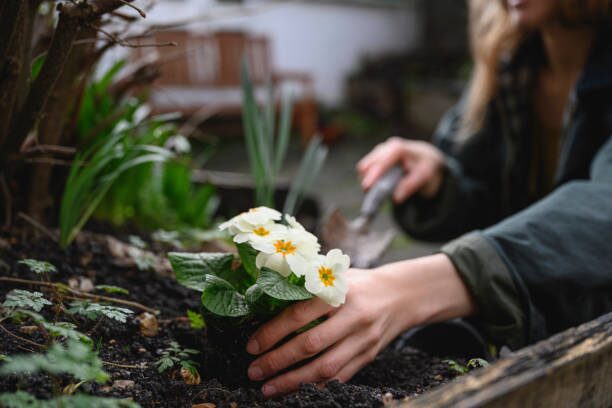
- Lift, gently separate offsets with roots attached.
- Trim away dead leaves and tired roots.
- Replant 1–3 divisions per 12–15 cm pot in a fertile, airy mix.
- Keep bright and lightly shaded until growth resumes. Crown at soil surface.
Seed (possible, a bit finicky)
- Timing: Sow around May indoors.
- Medium: Sterilized peat-based mix with perlite; surface-sow (do not cover).
- Germination: 15–18°C (59–64°F), usually 1–2 weeks.
- Prick out at 2–3 leaves, then again at ~4 true leaves.
- Tip: Fresh seed matters—viability drops quickly. Always keep crowns at the surface.
Repotting
- Annually in autumn; young plants can be stepped up at 6–7 true leaves.
- Set crowns at or just above the mix line to deter rot.
Outdoors or In? A Note on Hardiness
- In containers: Treat as not frost-hardy; protect from freezing and from dips below ~5°C (41°F).
- In the ground: Hardiness varies by cultivar and lineage; many garden polyanthus types perform in mild-to-cool temperate regions (roughly USDA Zones 4–8) when kept evenly moist and cool.
Pests, Diseases, and Troubleshooting
- Diseases: Leaf spot, gray mold (Botrytis), anthracnose—often linked to wet foliage and poor airflow.
- Prevention: Ventilate, avoid overhead watering, clean away spent blooms/leaves; use fungicides only as locally labeled and needed.
- Pests: Aphids and spider mites on stems and leaves.
- Control: Rinse plants, fine-tune humidity/airflow, apply insecticidal soap or horticultural oil; targeted miticides only if necessary.
- Common questions:
- Long stems and fading color? Usually low light—move brighter with gentle sun.
- Hard to keep long-term? It craves cool days and cool nights; warm, dry homes (or summer heat) are the challenge. Many enjoy it as a seasonal pot plant, then nurse it through summer in cool shade if conditions allow.
Safety Note
Not typically highly poisonous, but primroses can cause skin irritation or allergic contact dermatitis in sensitive people (often linked to primula compounds such as primin). Wear gloves if you’re reactive, and discourage pets/children from chewing plants.
Meaning, Culture, and Delight
The primrose’s very name nods to “first rose”—that first brave splash of bloom after winter. In flower language, polyanthus primroses lean into themes of youth and renewal: resilience returning with color, a fresh start on chilly air. These associations likely grew from centuries of seeing their flowers open when little else dared. As a winter gift, they wish the recipient brightness, courage, and a hopeful beginning.
Fun Facts
- The “×” signals hybrid origin—this is a horticultural hybrid rather than a single wild species.
- Polyanthus types are bred for many flowers per stem, giving a bouquet-on-a-stick look.
- Fresh seed germinates far better than old—timing is everything.
- Their Achilles’ heel is heat: proximity to radiators or warm, stagnant rooms is a fast way to make them sulk.
From misted uplands to prim Victorian carpets of color—and now your winter windowsill—Primula × polyantha proves that the earliest notes of spring can be played boldly. Keep it bright, cool, and evenly moist, and those dense trusses will keep the season’s opening act going strong.