Unveiling the Journey of the ZZ Plant: From African Origins to Global Fame
Imagine a plant that thrives on neglect, flaunts glossy leaves like coins, and seems to whisper promises of prosperity—all while being perfectly content in the shadowy corners of your home. Meet Zamioculcas zamiifolia, better known as the ZZ Plant, a botanical marvel that has traveled from the sun-drenched landscapes of East Africa to become a beloved staple in homes worldwide. But how did this seemingly unassuming plant rise to such fame? Let’s trace its fascinating journey from its roots to its current status as a houseplant superstar.
A Humble Beginning in Africa
The ZZ Plant’s story begins in the rich soils of Eastern Africa, particularly Tanzania and Kenya, with a notable association with the island of Zanzibar. Here, nestled among the grasslands and forest edges, the plant developed its resilience. It evolved to survive in challenging conditions, relying on its thick, water-storing rhizomes to weather periods of drought. It’s this ability to endure with minimal care that has made the ZZ Plant a favorite among novice and seasoned plant enthusiasts alike.
The Leap to Global Recognition
Despite its ancient presence in Africa, the ZZ Plant’s debut on the global houseplant stage is relatively recent. It wasn’t widely cultivated outside its native habitat until the 1990s. By that time, advancements in nursery propagation methods allowed for large-scale production, and the plant began to trickle into European and American markets.
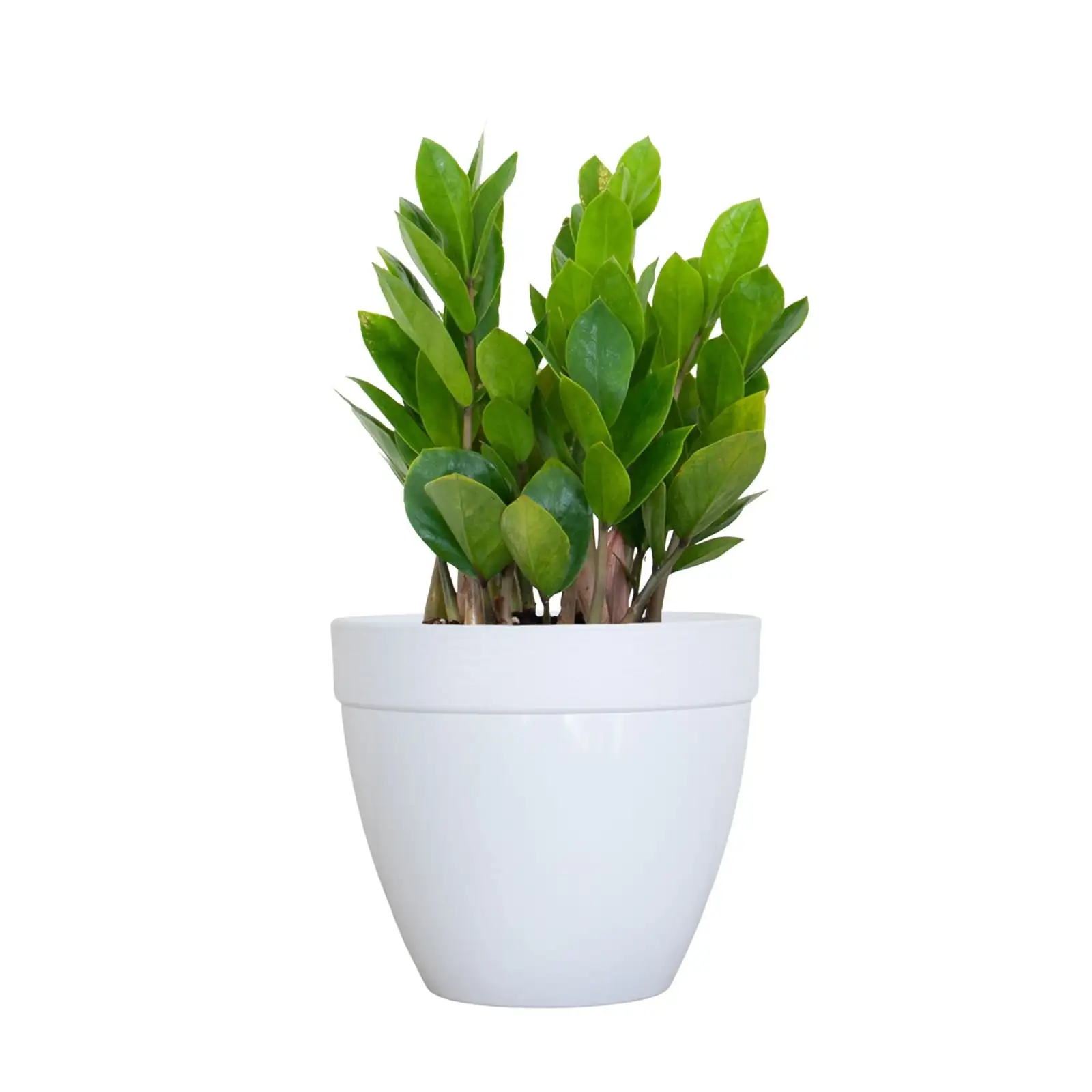
Its introduction to these new environments sparked a surprising phenomenon. Here was a plant that could not only survive but thrive in low-light conditions, making it perfect for homes and offices where sunlight is a precious commodity. The ZZ Plant’s sleek, architectural appearance and low-maintenance nature quickly caught the eyes of interior decorators and plant lovers, cementing its status as a household name.
The Myth and Magic of the ZZ Plant
Beyond its practical allure, the ZZ Plant carries with it a rich tapestry of symbolism and lore. In many cultures, especially within Asian markets, it’s revered as a “prosperity plant.” Its upright stems symbolize steady growth, while the leaflets, reminiscent of coins, are thought to attract wealth and good fortune. This association with prosperity and resilience is perhaps why it’s often gifted during celebrations or as a housewarming plant.
Caring for the ZZ Plant: The Art of Doing Less
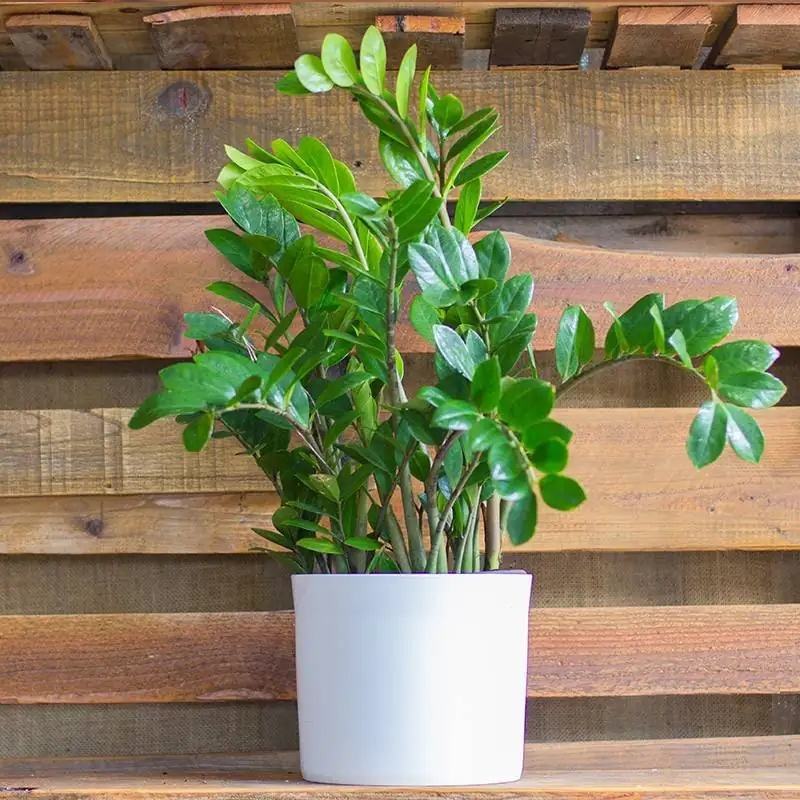
Despite its exotic origins, the ZZ Plant is remarkably undemanding. It seems to thrive on a carefree attitude, needing little more than occasional watering and a spot away from direct, harsh sunlight. It’s the perfect plant for those who might forget to water their plants or for spaces that receive little natural light. It’s happiest when left a bit snug in its pot, growing slowly but steadily.
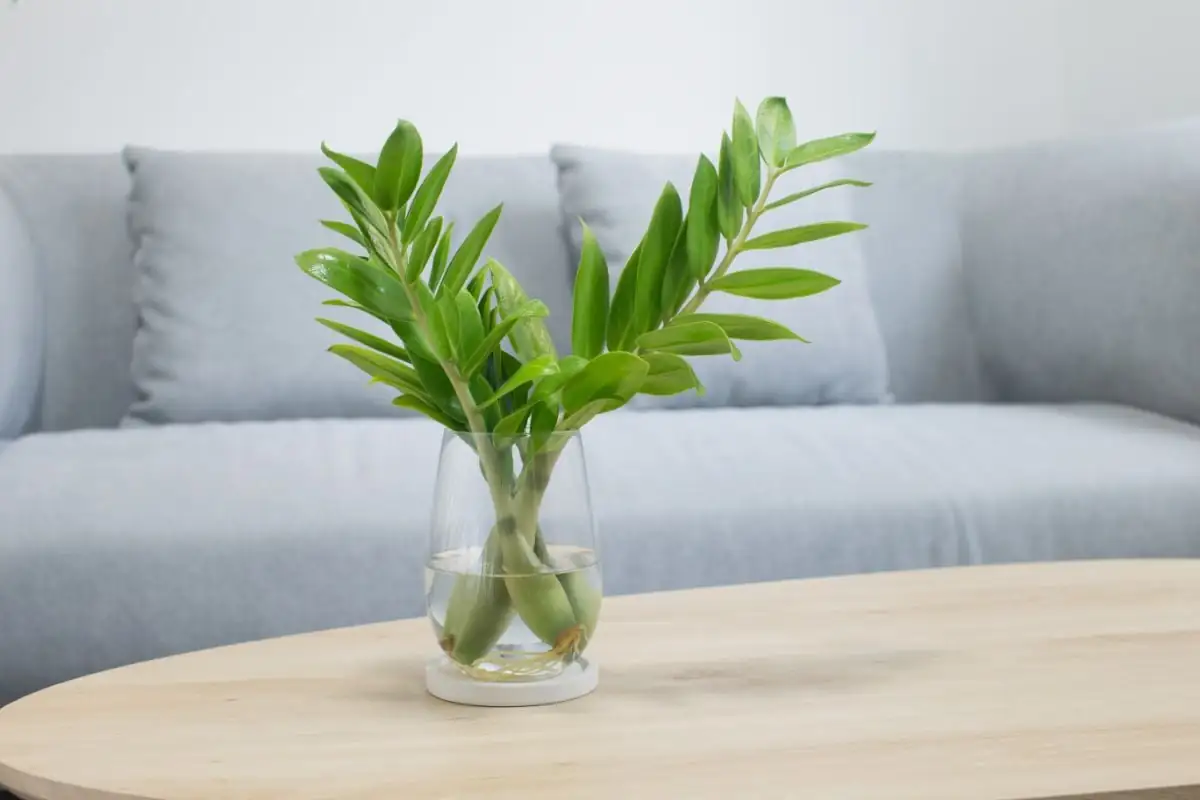
For those looking to try something different, the ZZ Plant can even be grown in water, showcasing its adaptability and adding a modern twist to plant displays. Its robust nature extends to its pest resistance, rarely troubled by common plant ailments, as long as overwatering is avoided.
A Timeless Companion in Modern Homes
The ZZ Plant’s journey from the African savannahs to our living rooms is a testament to its adaptability, resilience, and understated charm. Whether you’re an experienced gardener or a beginner looking for your first plant, the ZZ Plant offers an easy entry into the world of indoor gardening. It’s more than just a plant; it’s a piece of living art, a symbol of prosperity, and a reminder that sometimes, the most enduring beauty comes from simplicity and strength.
So the next time you pass by a ZZ Plant, take a moment to appreciate the rich history and cultural significance it carries. It’s not just a plant; it’s a story of survival and success, one that continues to unfold in homes across the globe.