A Love Story: Tracing the Journey of the String of Hearts
If plants could tell tales, the String of Hearts would weave a narrative of romance and endurance. Known scientifically as Ceropegia woodii, this charming vine with its heart-shaped leaves and cascading stems has captured the hearts of plant enthusiasts worldwide. But how did this plant transition from the wild terrains of Southern Africa to becoming a beloved staple in homes across the globe?
Origins in Southern Africa
Our story begins on the rugged cliffs of Southern Africa, particularly in South Africa, Eswatini, Zimbabwe, and Mozambique. Here, in the crevices of rocky outcrops, the String of Hearts thrives in its natural habitat. The plant was first discovered in 1881 by John Medley Wood, a curator at the Durban Botanic Gardens, as he explored the Groenberg Mountain in Western Cape. The plant, which clung tenaciously to the rocks, would later be named after him—Ceropegia woodii.
From Discovery to Botanical Fame
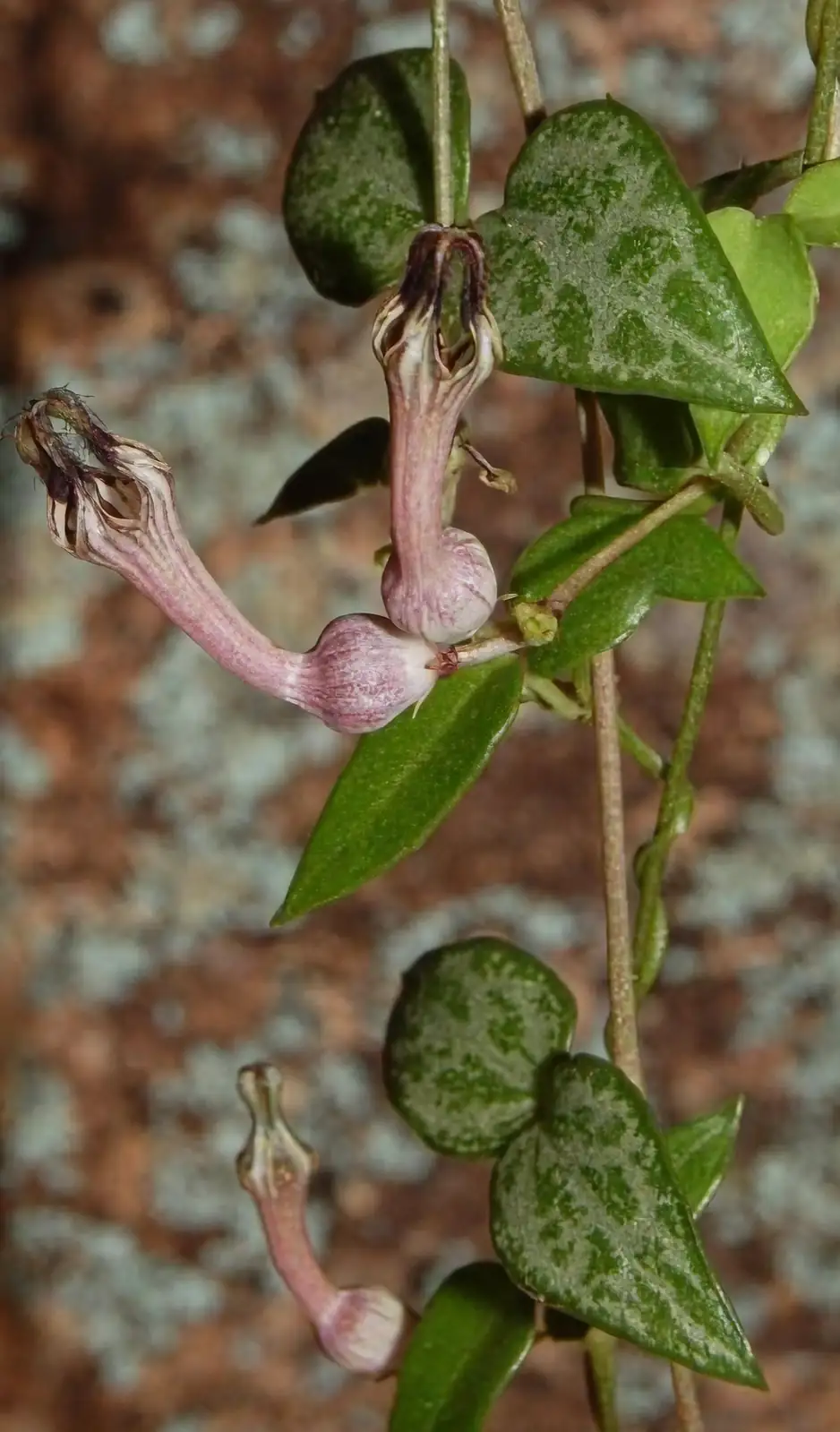
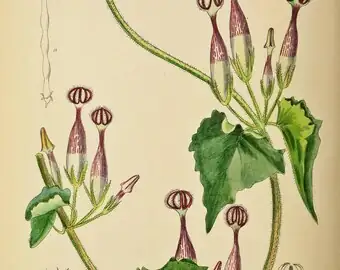
It wasn’t long before this intriguing plant piqued the interest of botanists and collectors. In 1894, Wood sent a specimen to the esteemed Royal Botanic Gardens, Kew in the United Kingdom. This specimen, in all its trailing glory, flowered, becoming the subject of a detailed botanical illustration in Curtis’s Botanical Magazine in 1900. The plant’s unique, lantern-like flowers and its forgiving nature made it an instant favorite for hanging baskets, offering a touch of the exotic to Victorian parlors.
A Plant of Many Names
As Ceropegia woodii gained popularity, it acquired a plethora of endearing nicknames. Whether you call it the “Chain of Hearts,” “Rosary Vine,” or “Sweetheart Vine,” the names allude to the plant’s most striking feature: the delicate heart-shaped leaves that dangle like charms on a bracelet. These names also reflect the plant’s symbolism in modern folklore, where it is often gifted as a token of enduring love and connection—a living symbol of ‘hearts intertwined.’
Journey to Worldwide Adoration
The plant’s adaptability contributed to its widespread appeal. As it traveled from the gardens of Kew to homes across the globe, the String of Hearts proved to be a remarkably easy-going companion. With its succulent leaves and tubers, it is well-suited for indoor life, thriving with minimal care. Its ability to propagate effortlessly through stem cuttings or tubers has made it a favorite among both novice and seasoned gardeners alike.
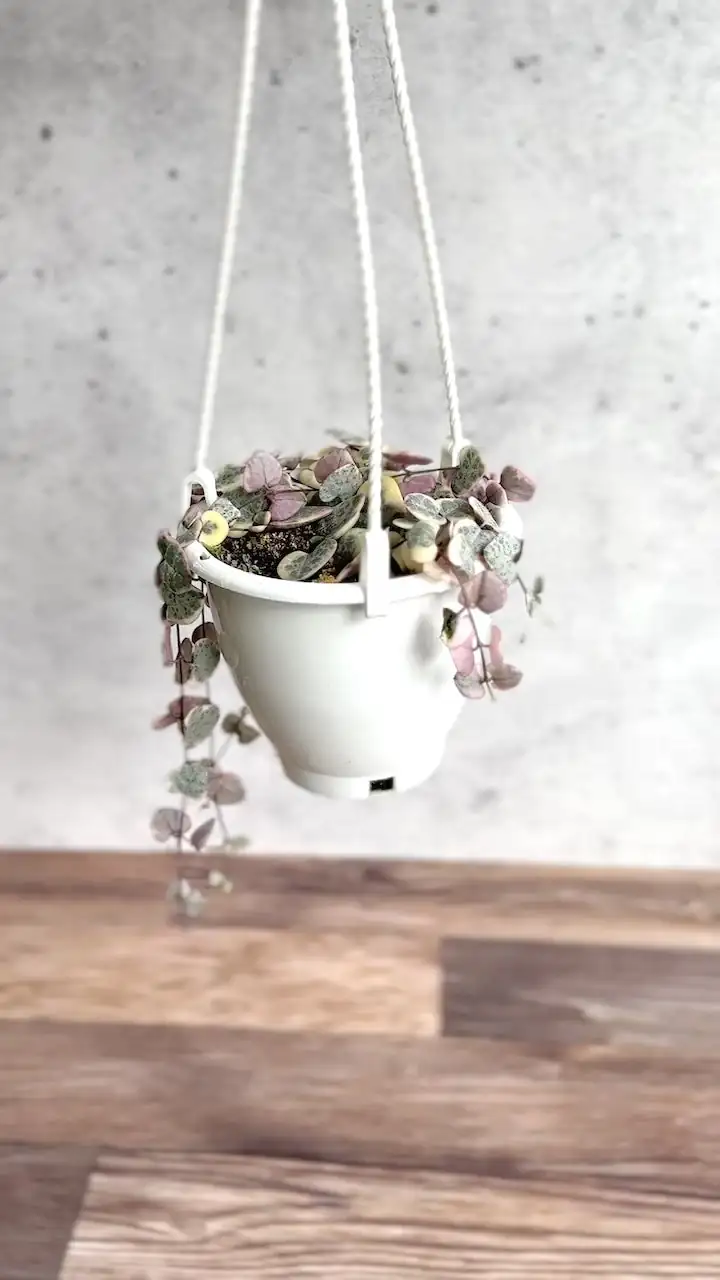
In the right conditions, its vines can trail up to 3.7 meters (12 feet), creating a stunning visual effect whether draped from a hanging basket or cascading down a shelf. Its leaves, with their distinctive silvery marbling and purple undersides, add a touch of elegance and whimsy to any space.
Care and Cultivation: Keeping the Romance Alive
Caring for a String of Hearts is akin to maintaining a gentle romance. It thrives in bright, indirect light, though it can bask in some gentle morning or late-afternoon sun. Its soil should be fast-draining, much like that used for other succulents, to prevent the roots from sitting in soggy conditions. Watering should be done sparingly, allowing the soil to dry out between waterings, especially during its dormancy in the cooler months.
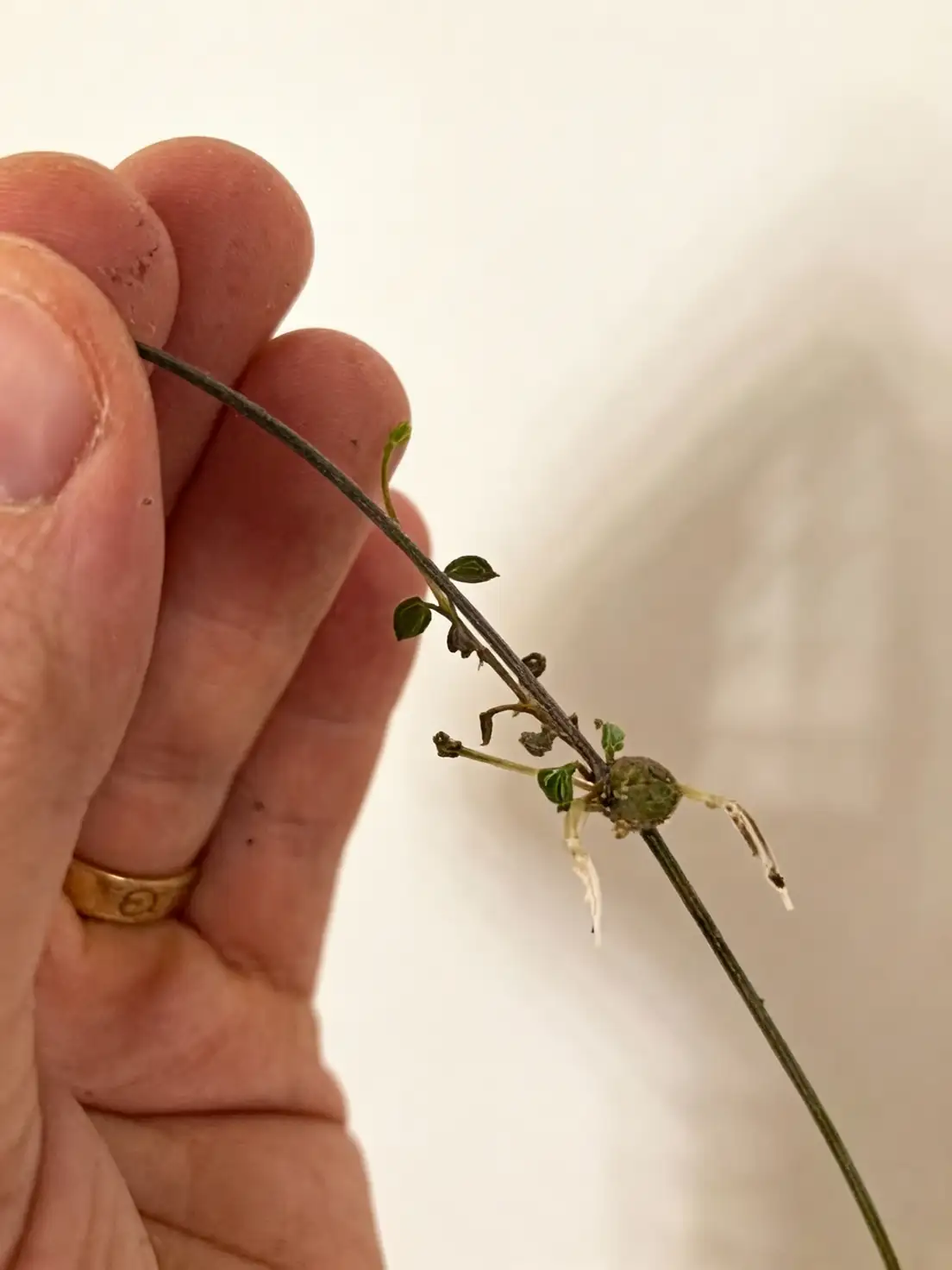
For those interested in propagation, the process is as rewarding as it is simple. Whether through layering a stem across the soil or rooting cuttings in water, the String of Hearts is eager to multiply and spread its charm.
A Symbol of Love and Resilience
In the language of flowers, the String of Hearts carries the essence of love and resilience. It is a testament to the enduring connections that plant lovers form with their green companions, and with each other. As you nurture your own String of Hearts, remember its journey from the rocky cliffs of Africa to your windowsill—a journey marked by discovery, adaptability, and the universal language of love.
In a world that often feels fast-paced and fleeting, the String of Hearts reminds us of the beauty of slow, steady growth and the joy of nurturing something meaningful. Whether you’re a seasoned plant parent or a budding enthusiast, the String of Hearts is sure to entwine itself into your heart and home.