

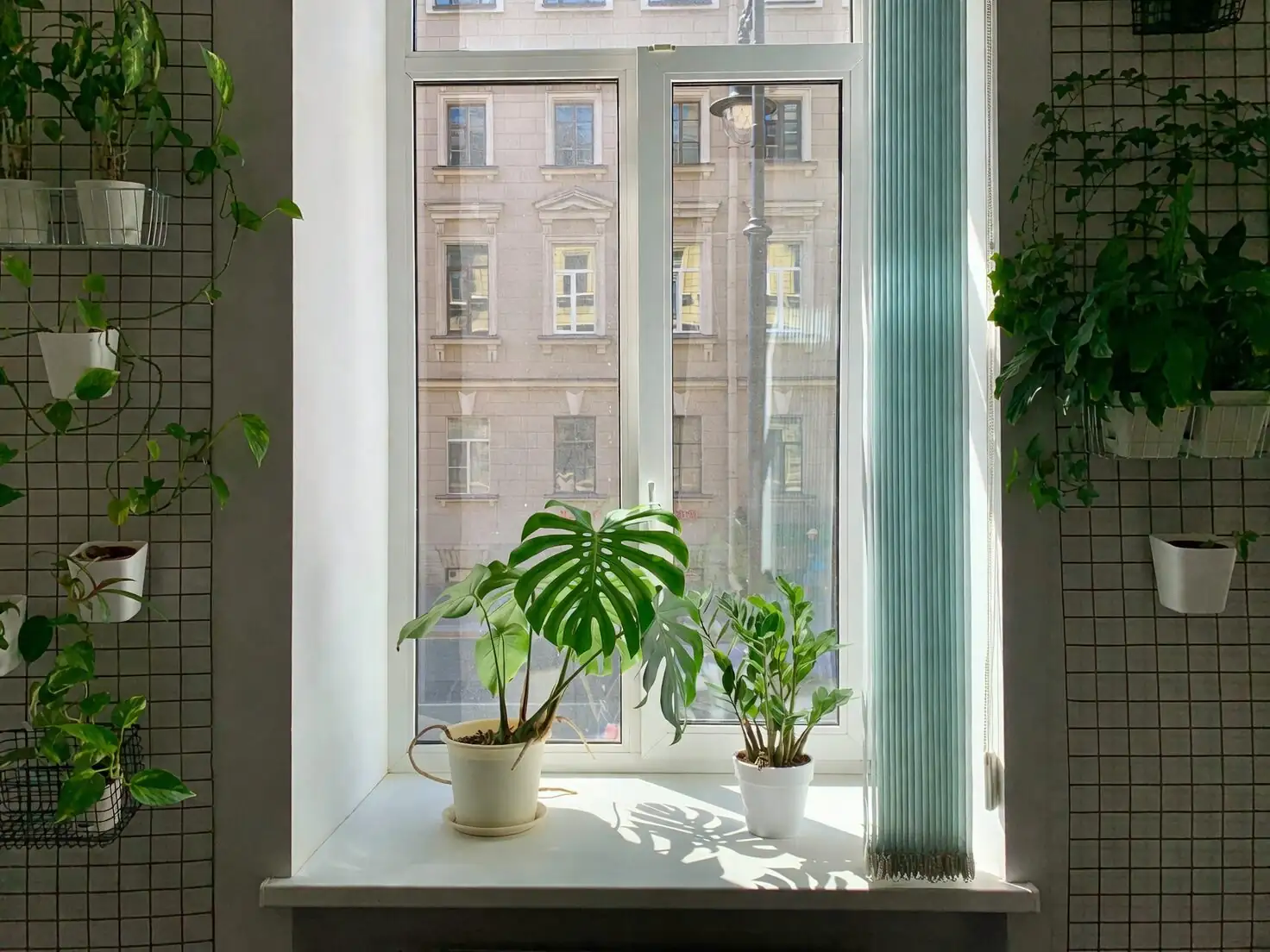
Imagine brushing a fuzzy, gray-green leaf and getting a cool breath of “fresh air” right back. That’s the Vicks plant—Plectranthus hadiensis var. tomentosus—one of those windowsill classics whose menthol-like scent instantly tidies the mood of a room. It doesn’t have a grand, old “flower language” lineage. Instead, its modern symbolism—fresh air, comfort, harmony, and a touch of good fortune—grew from the way people live with it: on bright sills, on desks, within arm’s reach for a quick, calming rub of the leaves.
Meet the plant behind the feeling
- Botanical family: Lamiaceae (the mint family)
- Scientific name: Plectranthus hadiensis var. tomentosus (you may still see it sold under the older name Plectranthus tomentosa)
- Common names: Vicks Plant, Vicks Herb, Woolly Plectranthus, Succulent Coleus; Chinese: 碰碰香
- Origin: Southeastern Africa (commonly cited from South Africa/Eswatini)
- Form: A compact, freely branching, semi-succulent mound, often 15–30 cm tall and about as wide; can gently spill over a pot rim
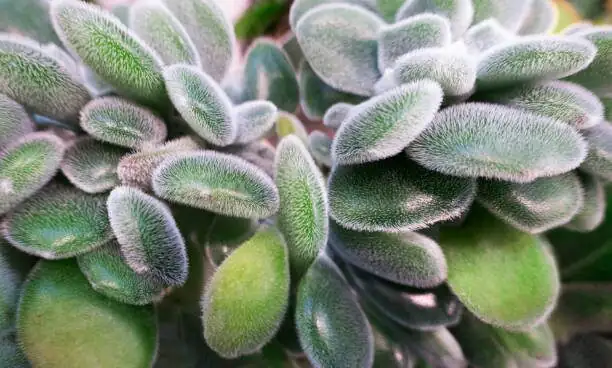
- Foliage: Soft, velvety, gray‑green leaves densely covered in fine hairs; a light touch releases a clean, menthol-like aroma (crushing a leaf intensifies it)
- Flowers: Small, mint-family blooms in summer—sweet but not the main show
It’s fast to root from cuttings, bushy with pinching, and famously easy on a bright windowsill. Think of it as a little “comfort machine” powered by light, warmth, and careful watering.
Modern meanings: how a windowsill plant earned its symbols
There’s no established classical “flower language” for this plant. Traditional floriography largely developed around cut flowers arranged in bouquets, while this species found fame as a houseplant. Its meanings today come from daily life and home-keeping habits:
- Fresh air: The cool, minty fragrance signals cleanliness and airflow. One gentle brush and the room feels aired out—even with the windows closed.
- Comfort: The scent recalls menthol chest rubs; the velvety leaves beg to be touched. Together they whisper: settle in, breathe easy, be cozy.
- Harmony at home: Kept on bright sills and well-lit desks, it becomes a small, steadying ritual—pinch, sniff, smile—encouraging a calm, orderly space.
- Good fortune: As a “pass‑along plant” that roots readily and thrives in shared cuttings, it picked up the friendly aura of luck, abundance, and easy goodwill. In everyday plant culture, a thriving green mound near the entry, window, or work table is a subtle nudge toward prosperity and positive energy.
A quick word on “flower language”
- Classical systems varied by region and era; there’s no single universal lexicon, and many meanings shifted as traditions traveled.
- This plant wasn’t a star of the Victorian bouquet scene, so it never received a standardized meaning there.
- In modern home culture—and in Feng Shui–inspired decorating—living plants and pleasant scents are widely used to support harmony and good fortune. The Vicks plant fits that vibe beautifully, even if it doesn’t carry a historic, codified emblem.
Why the scent feels like “fresh start”
- Menthol-like aroma: A light brush releases a gentle, clean fragrance; a crushed leaf smells much stronger.
- Sensory reset: Cool notes read as refreshing to most noses, so the plant quickly becomes a ritual—touch, inhale, reset—which reinforces its “fresh air and comfort” symbolism.
- Everyday folklore: Many keep it near seating areas or by open windows; the aroma is popularly believed to help deter insects, adding to its “clean and calm” reputation.
Where to place it for meaning and mojo

- Bright east window: Morning sun, soft air, and a daily scent ritual—perfect for calm, harmonious starts.
- South or southwest window with sheer filtering: Strong light fuels denser, semi-succulent leaves without scorching.
- Desks and side tables: Close enough to touch; a small act of care that pays back in comfort.
- Entryway ledges (with good light): A cheerful, scented welcome that reads as fresh and fortunate.
Gift it with intention
- New home: “May your rooms feel fresh, your routines comforting, and your days lucky.”
- New job or study nook: “Here’s harmony for focus—and a gentle reset anytime you need it.”
- Get-well or self-care basket: “For soothing moments and a soft leaf to hold.”
Care made simple (so the symbolism thrives)
- Light: Bright light is best; gentle direct sun is welcome. Avoid harsh midday magnified sun through glass.
- Temperature: Aim for 10–25°C (50–77°F); protect from chills and drafts. Keep above 10°C (50°F).
- Watering: Even moisture, never soggy. Let the surface of the mix dry, then water thoroughly and empty the saucer. Reduce in winter. Avoid frequent tiny sips and try not to wet the leaves.
- Soil: Fertile, fast-draining potting mix with added aeration (perlite/pumice/coarse sand). Heavy, sodden mixes invite rot.
- Humidity & airflow: Average indoor humidity is fine; pair with good ventilation. Avoid persistently damp leaves in stale air.
- Feeding: About monthly from April–October with a balanced liquid fertilizer. Ease off in winter.
- Pruning: Pinch tips to build a dense mound; remove yellowing leaves to keep the base tidy and reduce rot risk.
- Repotting: Refresh yearly in spring; a 15–20 cm pot suits a neat mound. Planting three young starts together gives instant fullness.
- Propagation:
- Tip cuttings (easiest): 10 cm pieces root fast—often in 4–5 days—under warm, bright conditions.
- Water method: Semi-mature, 15 cm cutting; change water weekly; pot up once roots are strong.
- Seed: Fresh seed germinates in 7–10 days at 19–24°C.
Troubleshooting at a glance
- Sudden wilt/soft stems? Either rot from soggy soil or dry pockets in the root ball. Check moisture; rehydrate evenly by soaking the whole pot, then drain thoroughly if the mix was unevenly dry.
- Thin, flat leaves? It wants more light. Move it brighter and filter only the fiercest midday sun.
- Pests? Usually modest, but stressed plants may get mealybugs, aphids, or spider mites. Fix culture first: brighter light, better airflow, correct watering.
Safety notes
- Toxicity isn’t well documented. Treat as a non-food ornamental. Keep from pets and children, and discourage chewing. Aromatic oils may irritate sensitive skin or cause mild upset if ingested.
A brief botanical snapshot
- Windowsill classic: Loved for fuzzy, fragrant foliage; summer brings small, mint-family flower spikes.
- Growth habit: Low, branching, slightly trailing with age; semi-succulent feel.
- Trade names and lookalikes: Often called “Vicks Plant.” Avoid confusion with “Cuban oregano,” which typically refers to a different species (Coleus/Plectranthus amboinicus).
Little rituals and fun facts
- Brush for a whisper of scent; crush for a chorus.
- Rooting is lightning-fast—tip cuttings often show roots in under a week.
- It’s a natural “pass‑along plant,” and that sharing spirit is part of why it’s linked with everyday happiness and good fortune.
The takeaway
Plectranthus hadiensis var. tomentosus doesn’t carry a grand, classical floriographic decree. Instead, its meanings grew right where it lives best: on our windowsills. A soft leaf, a clean breath of menthol-like scent, a small ritual that resets the room—fresh air, comfort, harmony, and a little luck emerge not from ancient codes but from daily companionship. Keep it bright, keep it warm, keep it just‑moist, and this cozy mint-cousin will keep your space feeling freshly tuned.