

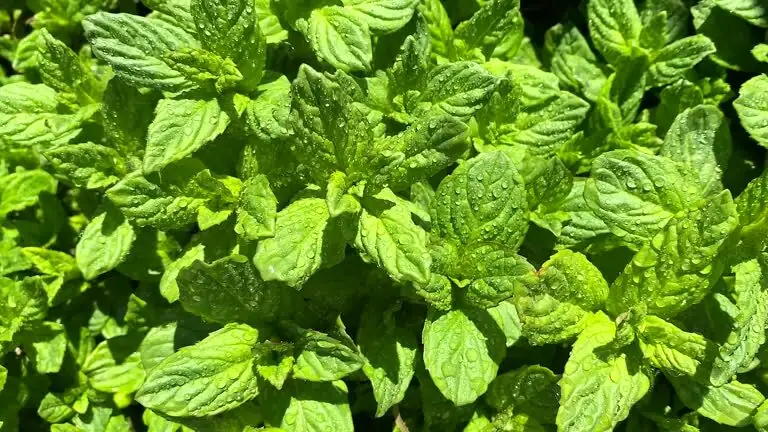
Crush a peppermint leaf between your fingers and it releases a sudden breeze—cool, green, and awake. Little wonder this herb came to speak a language of its own: a message of freshness for the senses, clarity for the mind, and open-armed hospitality for any guest who crosses the threshold.
Peppermint at a Glance (Mentha × piperita)
- Family: Lamiaceae (mint family); genus Mentha
- Common names: Peppermint; also sold simply as “mint” or “garden mint” in markets
- Native range: Europe and Asia; now widely cultivated and naturalized across temperate regions
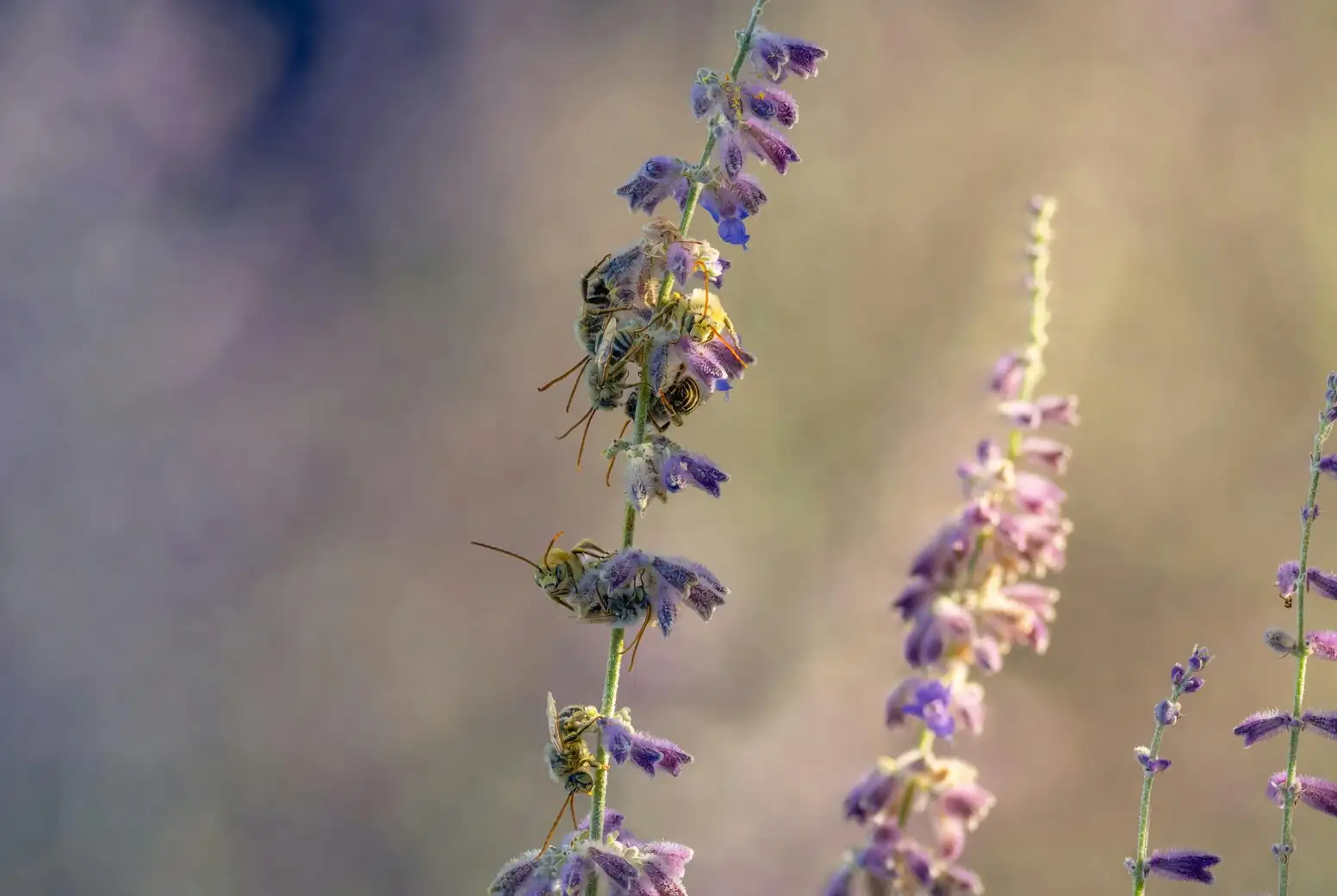
- Look and bloom: Bright green, highly aromatic leaves on square stems; summer flowers are small, nectar-rich, and usually pale purple to pink—bee and butterfly magnets
- Habit: Herbaceous perennial; forms clumps above ground but spreads eagerly via underground rhizomes
- Great to grow: Container-friendly, fast to propagate, fragrant, and a beloved culinary and home herbal plant
The Flower Language of Peppermint: Freshness, Clarity, Hospitality
Peppermint’s “floriography” meaning crystallized during the Victorian era, when people exchanged coded sentiments through plants. In various flower dictionaries and parlors of the time, mint carried messages of:
- Freshness and renewal: That bracing scent cleans the mental slate.
- Clarity: A sprig promises alertness and a clear head, as if a window has been thrown open.
- Hospitality and warmth of welcome: Offering mint (or mint tea) to a guest was a gracious, fragrant invitation to feel at home.
How Floriography Bottled a Breeze
In the 19th century, floral “vocabularies” were a social game as much as a love language. Not every dictionary agreed on every plant, but mint’s cool, clean perfume made its symbolism unusually stable. A sprig tucked into a letter or set at a place setting carried an immediate sensory cue: fresh breath, fresh thoughts, and a house ready to receive.
Why Those Meanings Fit Peppermint So Well
- Aroma and effect: The cooling menthol scent feels like a reset button—reviving, focusing, and crisp.
- Daily rituals: A garden path brushed by mint, a cup of mint infusion after a meal, a bowl of summer fruit brightened with chopped leaves—each gesture says, “You’re welcome here.”
Roots Deeper Than the Vase: The Minthe Myth
Long before Victorian drawing rooms, the Greeks told of the nymph Minthe (or Mintha), a lover of Hades. Jealousy and divine anger overtook her, and she was transformed—torn down and then transfigured—into a sweet-smelling herb, minthe, “the good smell.” Out of an underworld story comes a paradox: a plant born from drama that became an emblem of refreshment and renewal.
Reading the myth alongside floriography, peppermint becomes a quiet parable of transformation—turning bitterness into brightness, confusion into clarity, and rivalry into the hospitality of scent shared with all who pass by.
Hospitality in a Cup: Mint-Tea Traditions
Across Europe and Asia, mint—peppermint included—has long soothed and delighted in kitchens and teapots.
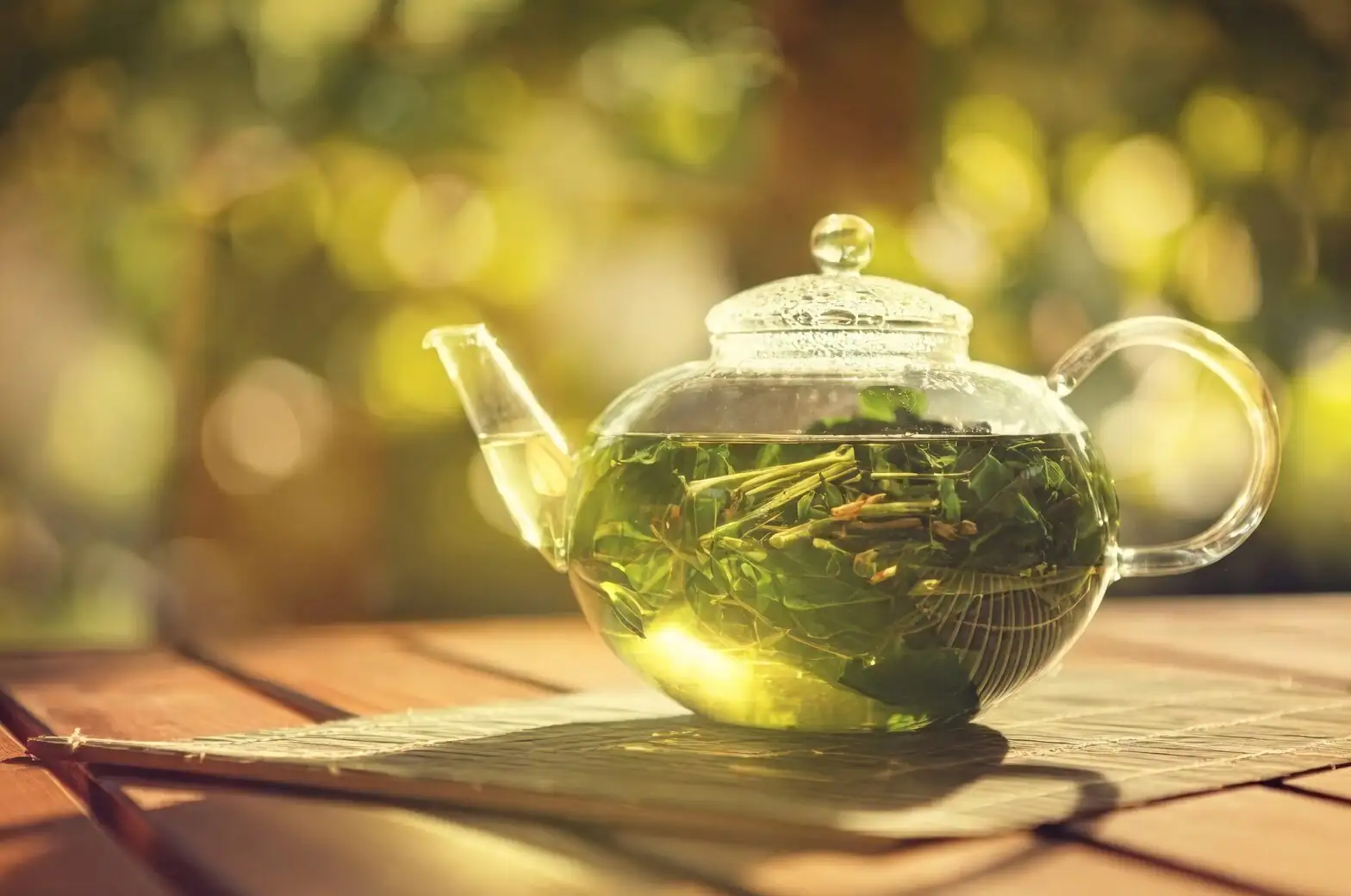
- Welcoming ritual: In many households, offering mint tea is a living shorthand for generosity and care. The first sip cools; the second clears; the third says, “Stay a while.”
- Regional notes: The celebrated tea ceremonies of the Maghreb typically feature spearmint, while European and many Asian herbals often lean on peppermint’s brisker cool. The gesture—refresh, revive, receive—remains the same.
- A gentle home-style idea: Simmer fresh mint leaves, strain, and stir the infusion into rice porridge for a cooling, throat-soothing dish.
From stovetop to doorstep, a simple sprig bridges the kitchen and the guest room, turning everyday hospitality into a fragrant ritual.
Feng Shui Notes: Where Peppermint’s Energy Feels at Home
In many feng shui approaches, lively, aromatic herbs are seen as little engines of fresh qi.
- What it symbolizes: Clarity, cleansing, and a welcoming flow—qualities that “air out” a space.
- Where to place:
- Near an entry or in the kitchen to greet guests and refresh social energy
- In the East (health, family) or Southeast (abundance) areas for a wood-element boost
- How to stage it: Keep plants lush and well-trimmed, in bright light. A tidy, thriving mint reinforces the message of clarity; a leggy, neglected pot sends the opposite.
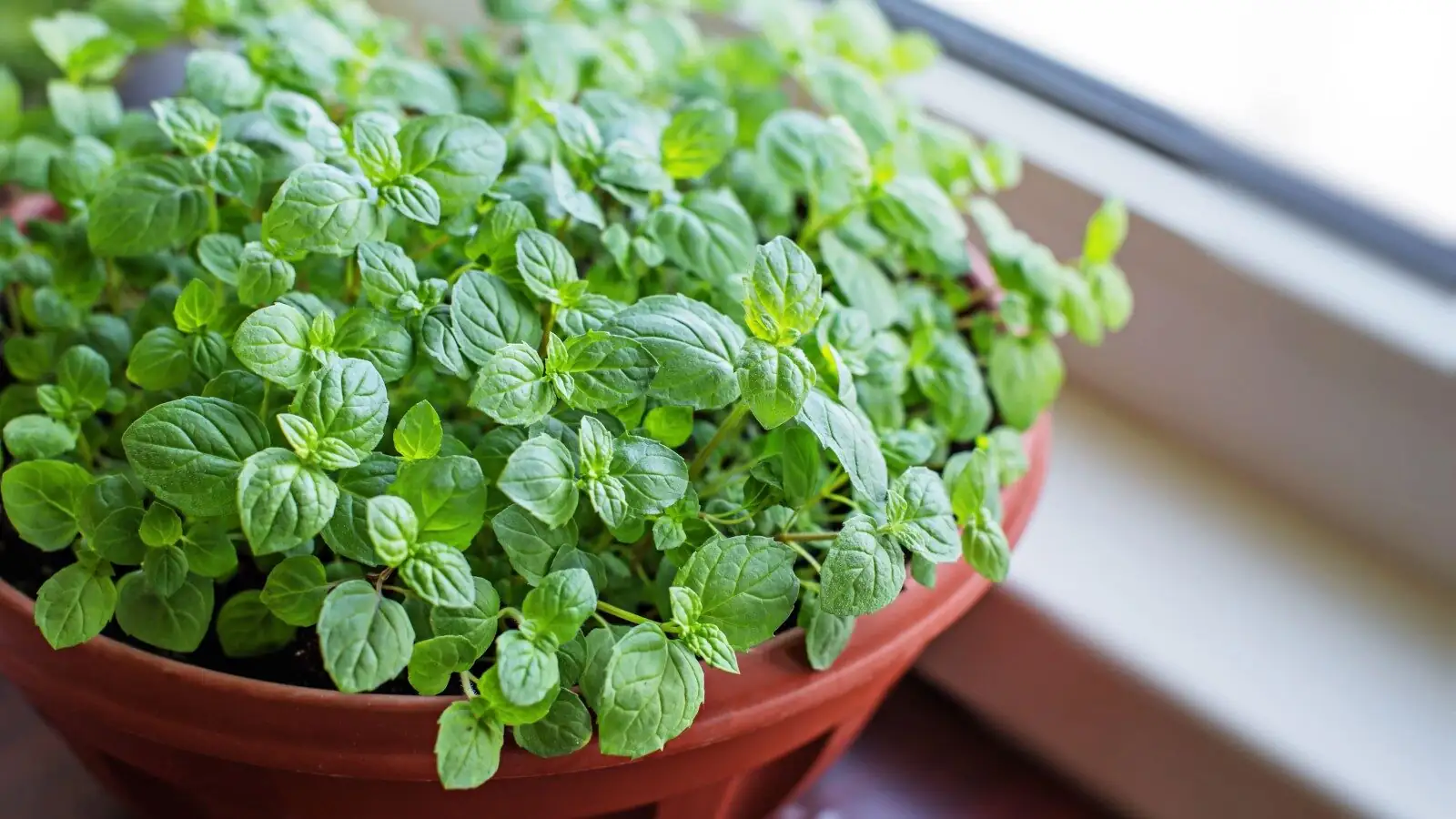
Think of peppermint as an indoor breeze you can cultivate—green leaves that keep the room’s mood buoyant and open.
Gifting Peppermint: Meanings, Occasions, and Pairings
Few herbal gifts speak as clearly—and as cheerfully—as peppermint.
- Perfect occasions:
- Housewarmings and host gifts (hospitality)
- New jobs, exam season, creative sprints (clarity and focus)
- Recovery and well-wishes (freshness, renewal)
- How to give it:
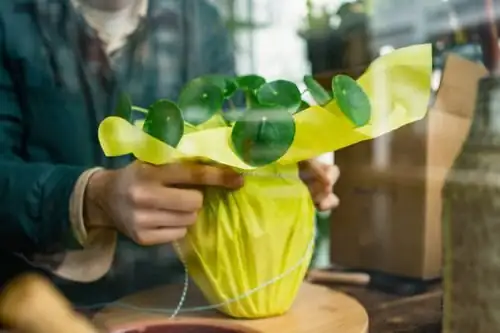
- A potted plant for a sunny sill—practical, beautiful, and endlessly harvestable
- A bundled kitchen bouquet (peppermint, rosemary, thyme) tied with twine
- A small jar of dried leaves with a handwritten tea note
- Bouquet and tablescape pairings:
- With lavender for calm, rosemary for remembrance, and citrus slices for a sparkling scent profile
- Summer table settings: tuck a fresh sprig into each napkin ring for an instant welcome
- Little messages to tuck in:
- “For a home that’s always fresh and welcoming.”
- “For clear thoughts and bright days.”
- “A sprig of hospitality—come in, sit down, stay a while.”
A Few Botanical and Care Tips (for Happy Gifters and Grateful Recipients)
- Light: Full sun to partial shade; brighter light means bolder flavor. A sunny balcony or bright windowsill is perfect.
- Water: Keep soil evenly moist during active growth; don’t let it stay dry for long. In winter, water sparingly—slightly moist is enough.
- Temperature: Thrives at 20–30°C (68–86°F). Foliage may be nipped by frost, but underground rhizomes often survive to about −15°C (5°F).
- Growth habit: Peppermint spreads vigorously by rhizomes—best in containers or with root barriers outdoors.
- Harvesting and pruning: Pinch tips at 15–20 cm (6–8 in) to encourage bushiness. Cut stems, leaving about 10 cm (4 in); it rebounds fast.
- Propagation: Easy. Tip cuttings usually root in about two weeks; divisions take readily in spring or fall.
- Pollinators: Summer flowers are small and pale purple to pink—and irresistible to bees and butterflies.
- Safety: Generally non-toxic as a culinary herb when used normally. Essential oil is potent—keep concentrated oils away from kids and pets.
Styling Peppermint at Home
- Breakfast brightness: A few leaves in fruit salad or over yogurt signal a day that starts clear.
- Iced water upgrade: Float sprigs with lemon slices—your glass becomes a tiny garden of welcome.
- Desk companion: A small pot beside your notebook—a living reminder to take a deep, clarifying breath.
Bringing It All Together
Peppermint’s flower language is more than a quaint footnote; it’s a lived experience. From the ancient tale of Minthe to the steam of a freshly brewed cup, this herb keeps translating itself: into freshness you can taste, clarity you can feel, and hospitality you can offer. Give a pot, pour a glass, set a sprig at the table—and let Mentha × piperita speak for you: Come in. Breathe deep. Be at home.