

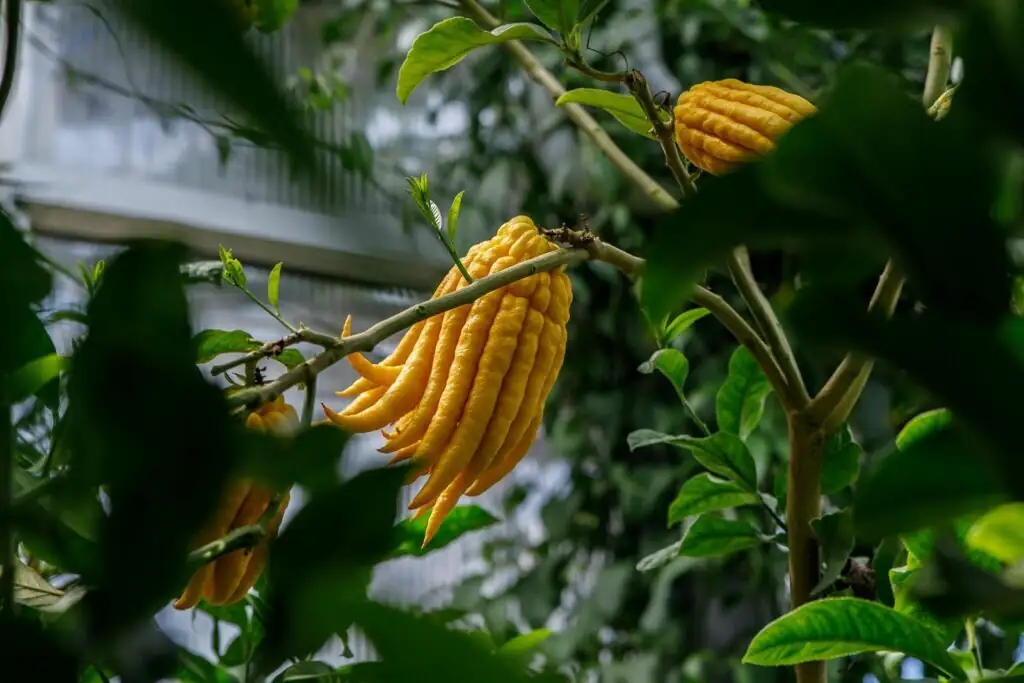
Think of Citrus medica var. sarcodactylis—Buddha’s Hand citron—as a living objet d’art: glossy evergreen leaves framing fantastical, fingered fruits that glow like sculptural lanterns. In winter, this plant excels as a cool, bright, perfumed centerpiece. Treat it like you would a cherished piece of design: place with intention, control light and temperature, and let its fragrance do the quiet luxury work of scenting your space.
Place it like art: bright, cool winter light
A successful winter display hinges on two deceptively simple ingredients: brightness and a cool room. The reward? Firm, long-lasting fruits, deep green foliage, and that unmistakable citrus perfume.
- Best winter perch
- A bright east- or south-facing window or a cool sunroom flooded with daylight.
- Target a cool ambient temperature of about 5–12°C (41–54°F) in winter to hold fruit and reduce stress.
- Sunlight notes
- This plant is not shade-tolerant. In winter, direct sun through glass is usually welcome.
- In summer (when you move it outdoors), give light noon shade to prevent leaf scorch.
- Styling for light and sightlines
- Use a slim pedestal, plant stand, or console pulled right into the window zone so the canopy catches sun while the base reads as “gallery plinth.”
- In a bay window, center the plant and keep surrounding surfaces pared back—negative space makes each “fingered” fruit pop.
Keep your distance from radiators (and other heat sources)
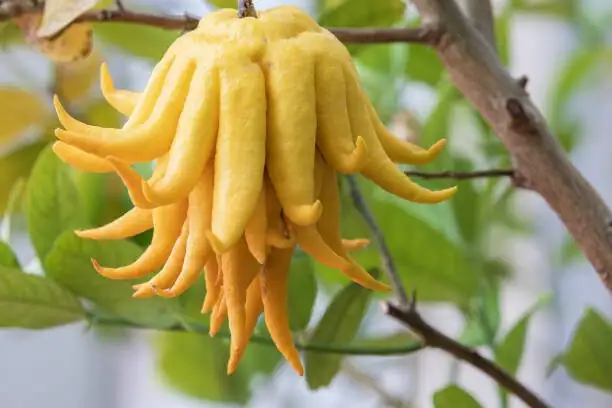
Hot, dry air sabotages winter displays by desiccating leaves and dropping fruit.
- Place at least 1–2 meters away from radiators, heat vents, and fireplaces.
- If a radiator runs under your best window:
- Add a heat baffle (a narrow shelf or ledge) between radiator and plant.
- Raise the pot on a stand; warm air rises, but a higher canopy often escapes the harshest blast.
- Use a pebble tray with water beneath the pot (not touching the base) to gently bump local humidity.
- Avoid cold drafts too; sudden temperature dips below about 4°C (39°F) can damage foliage.
Pot, pedestal, palette: design-forward pairings
The fruit’s saturated yellow is your built-in accent color. Choose vessels and finishes that stage it beautifully.
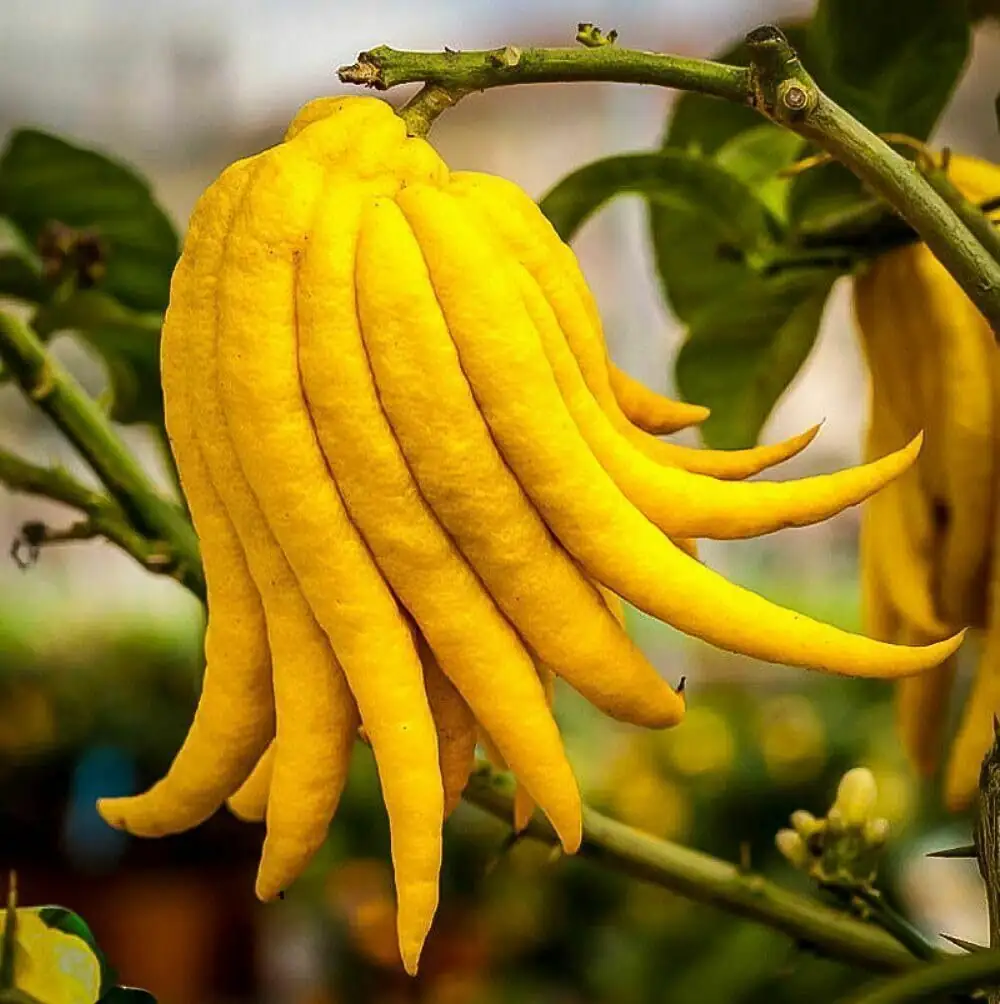
- Color harmonies
- Deep emerald, indigo, or charcoal ceramics make the yellow fruit glow.
- Matte black or chalky white vessels create gallery calm.
- Warm terracotta + brass or oak stand = classic, cozy winter vignette.
- Form and finish
- Cylindrical or slightly conical pots echo the plant’s vertical energy; low-visual-noise rims help it read sculptural.
- Textured stoneware or satin-glazed ceramics add tactile interest without competing with the fruit.
- Double-pot like a pro
- Grow in a plastic nursery pot with generous drainage inside a decorative cachepot. This lets you:
- Water thoroughly, then lift the inner pot to drain—no soggy roots or saucer mishaps in the living room.
- Swap cachepots seasonally to refresh the look without disturbing roots.
- Right-size container and soil
- Many are happiest in pots around 30 cm (12 in) in diameter; upsize only as needed.
- Use a fertile, free-draining, slightly acidic mix (loam-based with compost/leaf mold plus coarse sand). Never let the pot sit in water.
Watering and humidity: winter finesse
This plant dislikes both drought and waterlogging. Think steady, not soggy.
- Watering rhythm
- Water when the top layer begins to dry, then water deeply and let excess drain.
- In winter, allow the mix to dry a little more between waterings.
- While carrying fruit, be extra strict: no standing water in the saucer—waterlogging triggers leaf and fruit drop.
- Air quality
- Typical home humidity is fine, but heated rooms can be parching. Occasional misting helps in dry spells; grouping with other plants or using a discreet humidifier stabilizes leaf health.
Sculpt the silhouette: pruning for poise and showy fruit
Buddha’s Hand is an evergreen shrub with irregular branching that rewards gentle, intentional pruning.
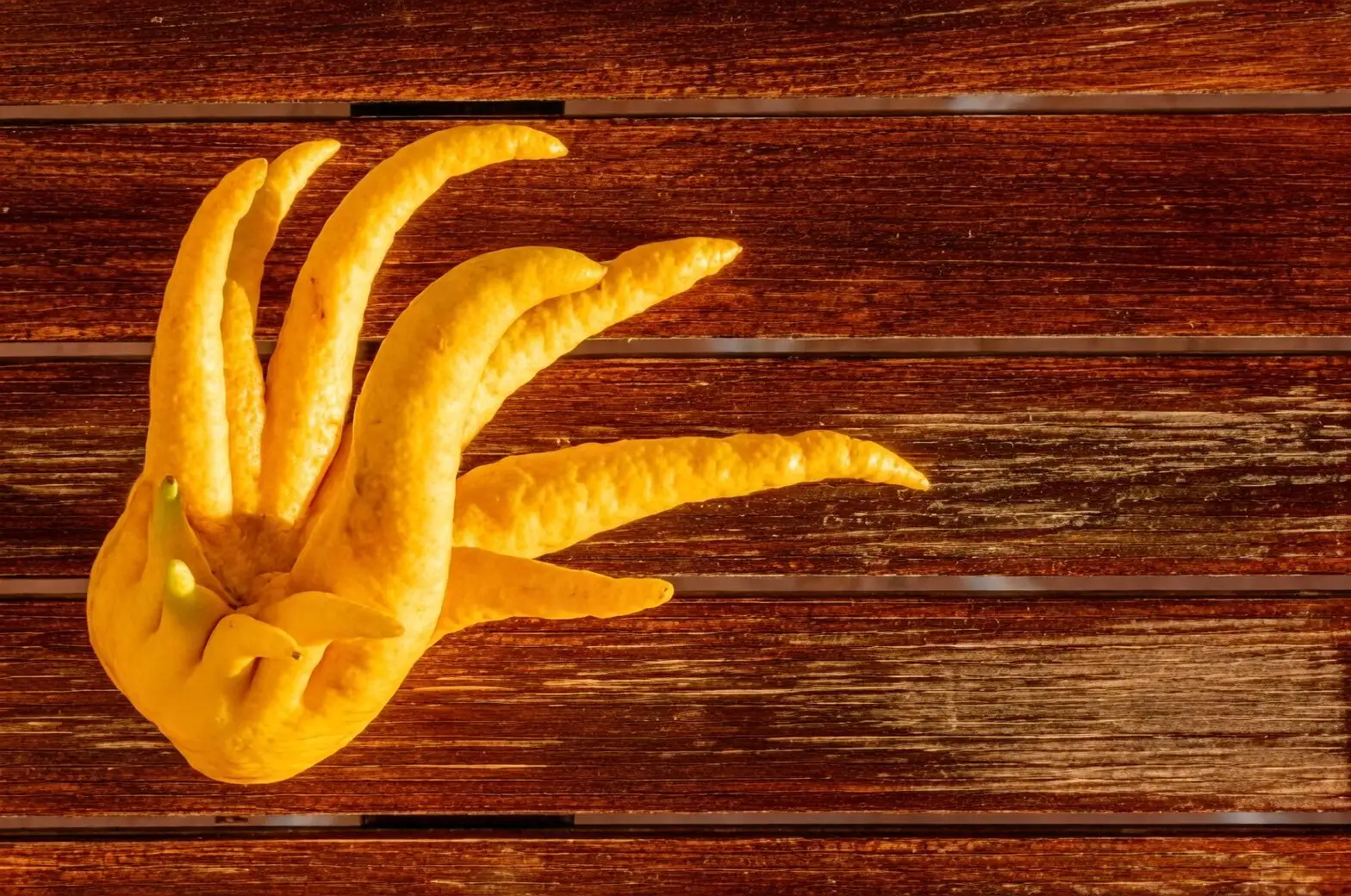
- Shape and air
- In early spring, remove crowded or weak shoots while preserving short fruiting spurs; lightly prune in summer for balance and airflow.
- Curate the fruit
- For show-quality results, thin flowers and fruit so each branch carries about one fruit. Keep more of the summer set for better fruit shape.
- Scale matters
- Container plants typically sit 60–150 cm (2–5 ft) tall—perfect for eye-level fruiting on a pedestal or low sideboard.
The perfume playbook: a natural room scent
A single ripe fruit can perfume a room for days. Use that to your advantage.
- Scent staging
- Place the plant where gentle air movement (a nearby door, a quiet ceiling fan) wafts fragrance across a seating area without chilling the plant.
- For dinner parties, wheel it (on a plant caddy) to an east-facing dining window in the afternoon; its citrusy notes lift the room before guests arrive.
- Fruit as diffuser
- Display a just-picked fruit on a small dish beside the plant to amplify aroma. Gently brushing the rind releases more scent.
- Save peels for candied rind or to infuse syrups—wash well and avoid culinary use if you’ve recently applied any leaf treatments.
- Safety note
- Citrus oils can irritate sensitive skin; handle fruit and rind accordingly. Keep pets from chewing foliage or fruit (mild stomach upset is possible).
Seasonal choreography: your year at a glance
- Spring
- Repot every ~2 years in early spring; refresh the free-draining, slightly acidic mix.
- Prune before strong new growth; position in bright light as days lengthen.
- Summer
- Move outdoors in bright sun with light midday shade; water consistently in heat.
- Lightly prune for shape; avoid drought.
- Autumn
- Preserve sturdy autumn shoots—they often become next year’s fruiting wood.
- Keep in bright light; start planning the winter display.
- Winter (peak ornamental season)
- Move indoors to a bright, cool spot at about 5–12°C (41–54°F).
- Water sparingly, never let the pot stand in water, and savor the fragrance.
Troubleshooting (design-first fixes)
- Leaves yellowing and fruit dropping?
- Most often waterlogging. Check drainage, empty the cachepot/saucer, and allow the top layer to dry between waterings.
- Leaf scorch?
- Too-intense midsummer sun outdoors. Shift to light midday shade. Indoors in winter, scorch is unlikely; seek more light, not less.
- Sticky leaves or sooty film?
- Aphids or scale may be present. Improve airflow, wipe leaves, and treat early with citrus-safe horticultural oil/soap, following label guidance—especially if you plan to use the rind in the kitchen.
Small-space placement ideas
- Cool stair landing with a south window: crisp light, naturally cooler air, dramatic sightline from below.
- Breakfast nook bay: plant on a low stand against the center pane; radiators shielded with a slim shelf.
- Minimalist living room: matte charcoal cylinder pot on a pale oak plinth beside a bright east window—negative space all around so every “finger” reads like a brushstroke.
Symbolism and story (and a note on “flower language”)
- Cultural resonance
- Long cultivated in China as an ornamental and aromatic citrus, Buddha’s Hand is a classic winter gift and a symbol of good fortune, longevity, and blessings—often displayed for festivals and the Lunar New Year.
- About “flower language” (huāyǔ)
- Western-style “language of flowers” systems are modern inventions that loosely map virtues to plants. While you’ll see Buddha’s Hand linked to auspicious meanings, those associations arise more from long-standing cultural use (its gesture-like fruits and beloved fragrance) than from a fixed, canonical “code.” In practice, its meaning is lived: a fragrant emblem of welcome and wellbeing in the winter home.
Fast care specs for designers and stylists
- Light: Bright with some direct sun; indoors in winter by an east/south window. Not shade-tolerant.
- Temperature: Warm in active growth; protect from cold below about 4°C (39°F). For winter display, 5–12°C (41–54°F) is ideal.
- Water: Water when nearly dry, then water deeply; keep evenly moist in growth, a bit drier in winter. Never let it sit in water.
- Soil: Fertile, free-draining, slightly acidic mix.
- Humidity: Moderate; a boost helps in heated rooms.
- Size: Commonly 60–150 cm (2–5 ft) in containers; prune to shape.
- Pests: Watch for aphids and scale.
Treat your Buddha’s Hand like a gallery piece with roots: give it bright, cool winter light, dress it in a vessel that flatters its golden fruit, keep it away from radiators, and let its citrus aura stand in for candles and plugs. Few plants deliver this much sculptural drama and natural perfume with so little visual clutter.