

The Enchanting Symbolism of Digitalis purpurea: Foxglove in Flower Language
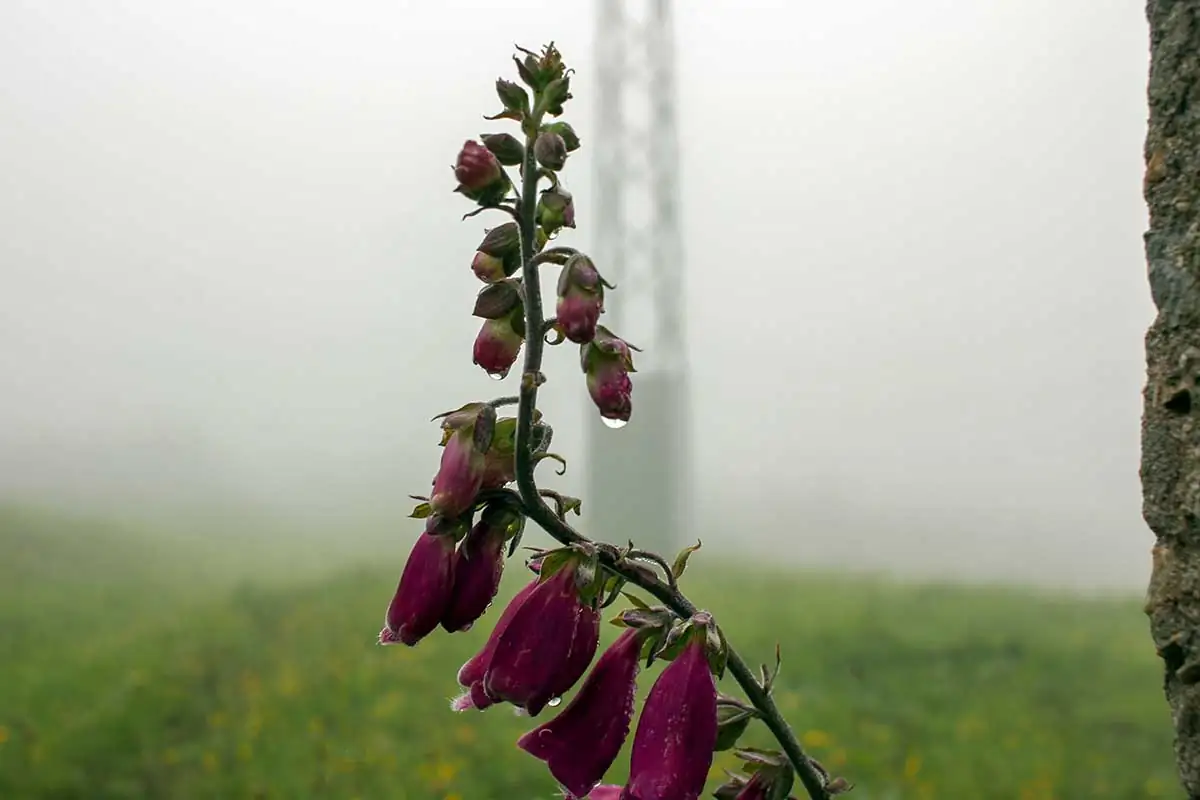
Imagine wandering through a misty, dew-laden woodland, where the air is thick with the scent of earth and greenery. As you meander along the path, a towering spire of flowers catches your eye—graceful, bell-shaped blooms cascading down slender stalks. These are the foxgloves, or Digitalis purpurea, standing like sentinels of both beauty and mystery. But these captivating flowers hold more than just aesthetic allure; they are rich with symbolism, steeped in folklore, and have a reputation for being both protective and perilous.
A Flower of Duality: Healing and Danger
In the language of flowers, foxglove embodies a fascinating paradox. It represents both healing and danger, a duality that is as intriguing as it is enigmatic. The foxglove’s role in medicine—particularly its use in heart medications derived from its potent cardiac glycosides—highlights its healing aspect. Yet, this same chemistry makes it highly toxic, earning it the ominous moniker “Dead Man’s Bells.”
The dual nature of foxglove is perhaps best encapsulated in its symbolism. In flower language, it is associated with protection and magic as well as caution and insincerity. This reflects its historical use by cunning folk and healers who understood its power, walking the fine line between remedy and poison.
Folklore and Fairy Tales
Foxglove is deeply rooted in European folklore, where it is often linked with fairies—the elusive fae folk. One charming legend suggests that fairies gave foxes these flowers to wear as gloves, softening their steps as they raided chicken coops. The name “foxglove” itself may derive from “folk’s gloves,” hinting at the fairies’ involvement. In this magical narrative, foxgloves are seen as the protective gloves of mischievous woodland spirits.

In the British Isles, the plant is revered for its connection to the supernatural. Planting foxgloves around a home is said to create a protective barrier, keeping malevolent spirits at bay. Such beliefs underscore the foxglove’s role as a guardian, a talisman against ill-willed energies.
A Spectrum of Meanings
The color of a foxglove bloom can further nuance its meaning:
- Purple: Often associated with nobility and magic, purple foxgloves are thought to convey a sense of enchantment and the mystical.
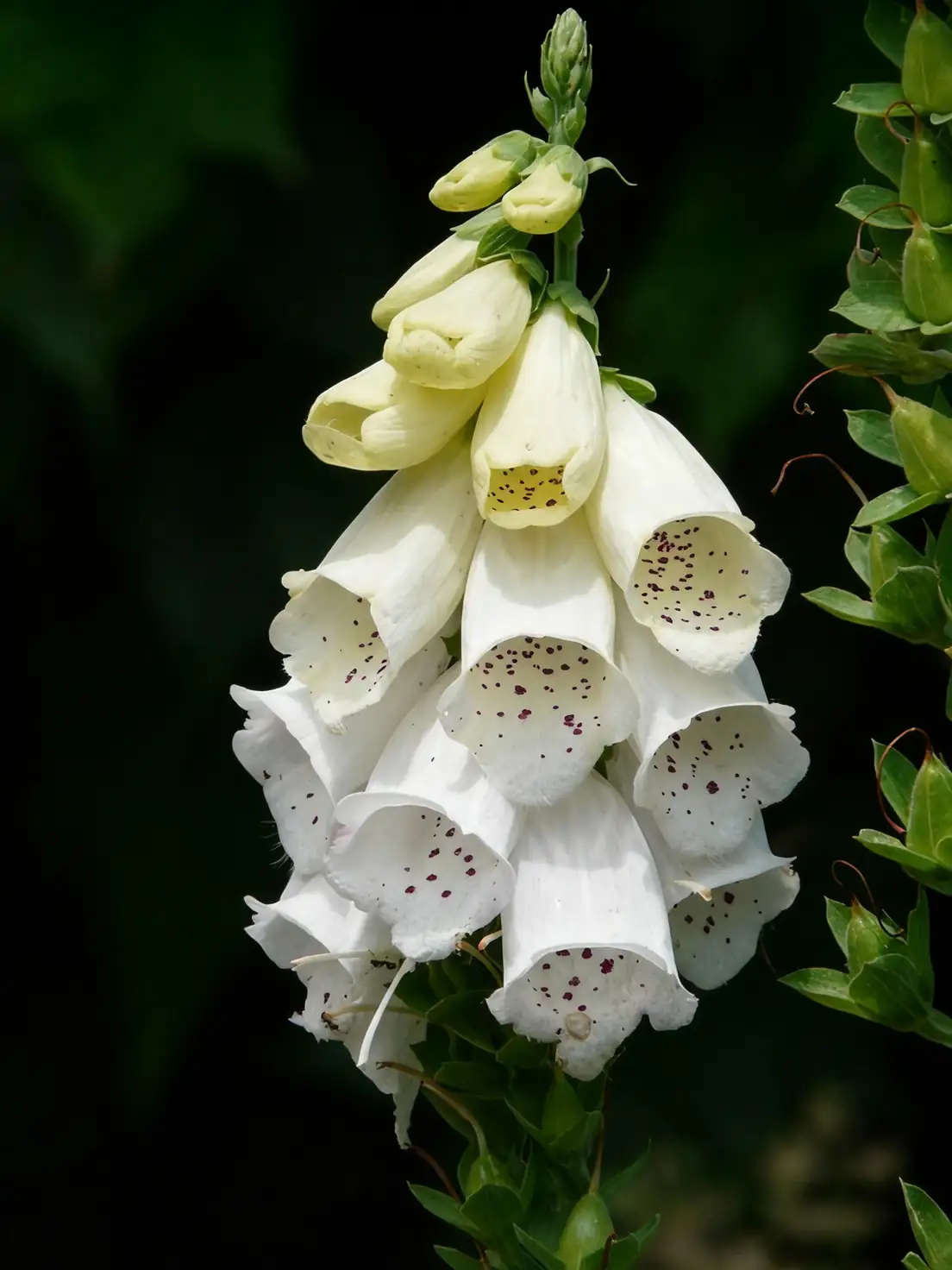
- White: Symbolizing purity and protection, white foxgloves are linked to the Virgin Mary in medieval gardens, believed to ward off evil.
- Pink: Denoting gentle healing, pink blooms may be seen in the context of nurturing and care.
- Yellow: Serving as a warning, yellow foxgloves remind us of the caution required when handling such a potent plant.
A Garden Fairy Tale
Beyond its symbolism, foxglove is a beloved fixture in cottage gardens and woodland landscapes. Its architectural flower spikes add height and drama, creating a fairytale ambiance that draws pollinators—especially bumblebees who navigate the spotted “nectar map” within each bloom.
A Word to the Wise
While foxglove is undeniably enchanting, its potent nature demands respect. All parts of the plant are toxic, and even casual handling should be done with care. Gloves are advisable to prevent skin irritation, and it should be kept out of reach of children and pets. In the garden, deadheading spent flowers can help control its tendency to self-seed prolifically, preventing unwanted spread.
Conclusion
Foxglove, with its striking beauty and complex symbolism, continues to captivate gardeners and folklorists alike. It invites us to explore a world where the line between the mystical and the medicinal blurs, and where flowers tell stories of magic and caution, healing and danger. As you stroll through your own garden or the wild landscapes where foxglove thrives, consider the tales these blooms could share—if only we listen closely enough.


