

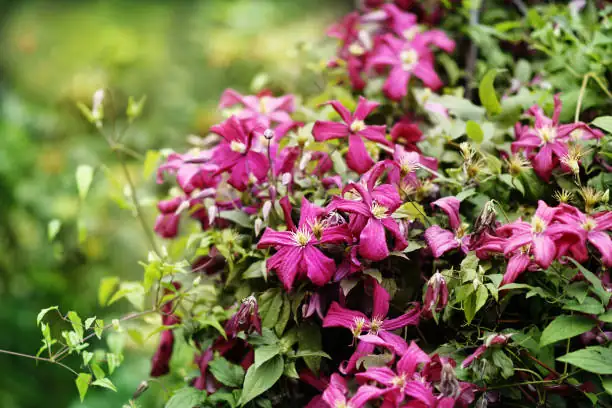
Think of clematis as a relay team of climbers. If you choose the right runners and hand off the baton cleanly, you can turn one trellis, fence, or arch into a months-long pageant—bells in spring, stars in early summer, rich veils in high summer, and ornate centers in late summer to fall. Here’s how to stack Atragene/montana, early large-flowered, viticella/texensis, and florida/late types for near‑nonstop color—while staying climate‑smart.
The nonstop-clematis game plan at a glance
- Early spring: Atragene Group (alpina, macropetala) and Montana Group light up the season on old wood.
- Late spring to early summer (with possible repeat): Early large‑flowered hybrids bring the big, showy stars.
- Summer peak: Viticella and Texensis types power through heat with masses of blossoms.
- Late summer to fall: Florida cultivars and other late bloomers keep the finale going, often right up to frost in suitable climates.
Tip: Plant one from each time slot and you’ve got a floral “wave” from the year’s first birdsong to sweater weather.
Pick the right players by group
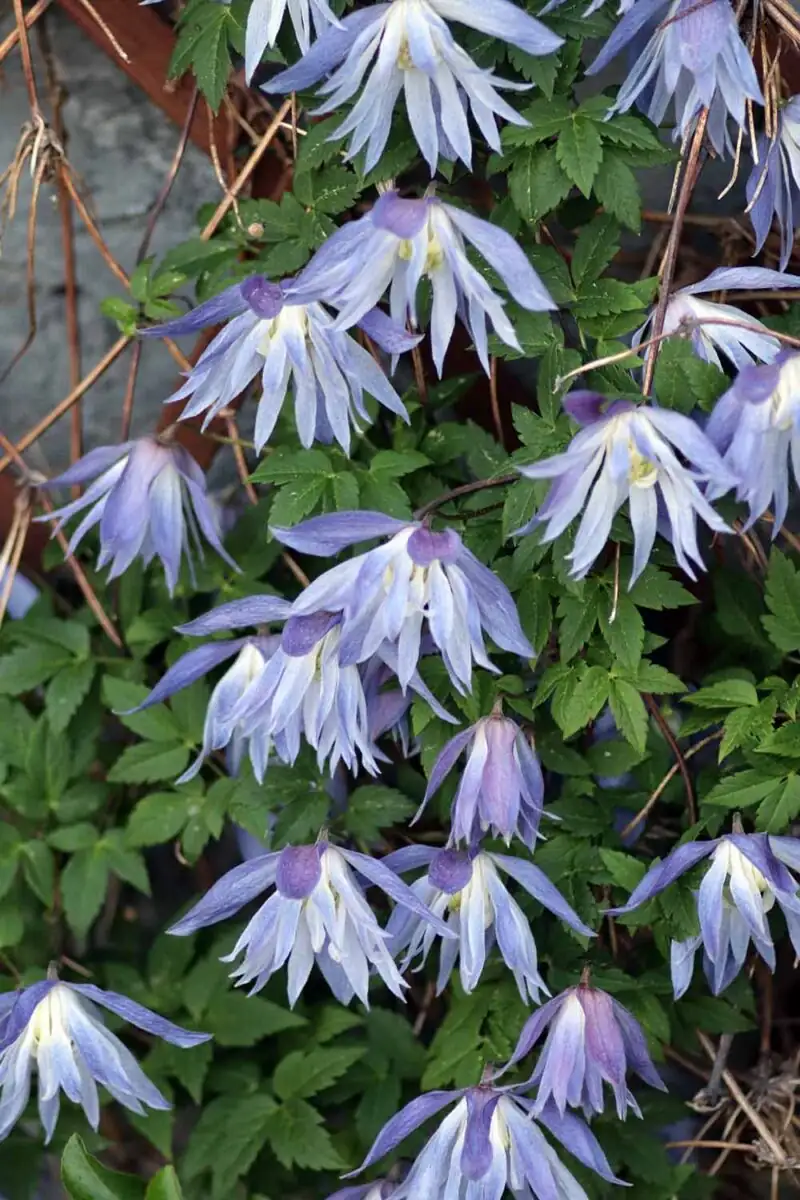
Spring openers: Atragene + Montana (Group 1)
- What you’ll see: Delicate nodding bells (alpina, macropetala) and frothy spring veils (montana), in soft blues, pinks, whites, and purples.
- Bloom: Early spring on old wood.
- Pruning: Minimal—just tidy after flowering; remove dead/damaged stems.
- Climate smarts:
- Atragene types are among the hardiest clematis—great for cold winters.
- Montana is vigorous (20–30 ft is common) and stunning on big structures; it prefers milder climates.
- Where they shine: Clothing pergolas and weaving through spring shrubs; perfect as your season’s starting gun.
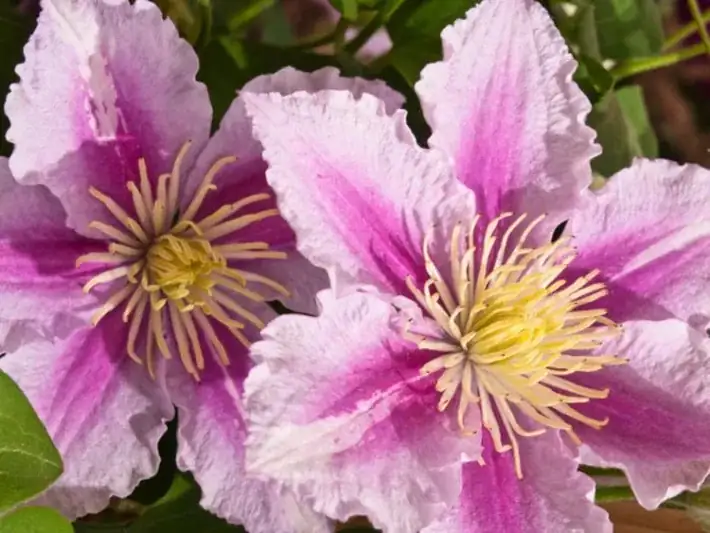
Late-spring headliners: Early large‑flowered hybrids (Group 2)
- What you’ll see: Big, starry saucers (often 6–10+ inches) in sumptuous shades; some doubles.
- Bloom: Late spring to early summer on old wood, with a potential second flush on new growth.
- Pruning: Light in late winter/early spring—remove weak stems, shorten to strong buds.
- Climate smarts:
- They love bright light but appreciate protection from harsh midday/afternoon sun—especially in hot summers and containers.
- Keep roots cool and evenly moist; think “head in the sun, feet in the shade.”
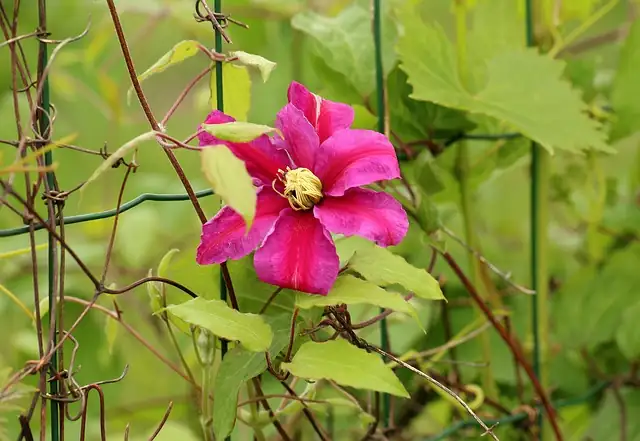
Summer engines: Viticella + Texensis (Group 3)
- What you’ll see: Free‑flowering veils (viticella) and urn/trumpet blossoms (texensis) that don’t blink at heat.
- Bloom: Summer on new wood (often starting midseason and rolling on).
- Pruning: Hard prune to 12–18 in (30–45 cm) in late winter/early spring—then stand back.
- Climate smarts:
- Excellent in heat and humidity with good airflow.
- Tough and reliable where others sulk; great disease resilience relative to more finicky types.
Late-season finales: Florida and other late types (often treated as Group 3 in cold zones)
- What you’ll see: Intricate blooms with striking central structures; some doubles are downright theatrical.
- Bloom: Summer into autumn, especially in warm, protected spots.
- Pruning: Varies by cultivar; in cold climates many gardeners treat them like Group 3 (hard prune) because stems often die back.
- Climate smarts:
- Less cold-hardy; many thrive in USDA Zones 7–9 or in containers you can coddle.
- Give bright light with protection from fierce afternoon sun, steady moisture, and excellent drainage.
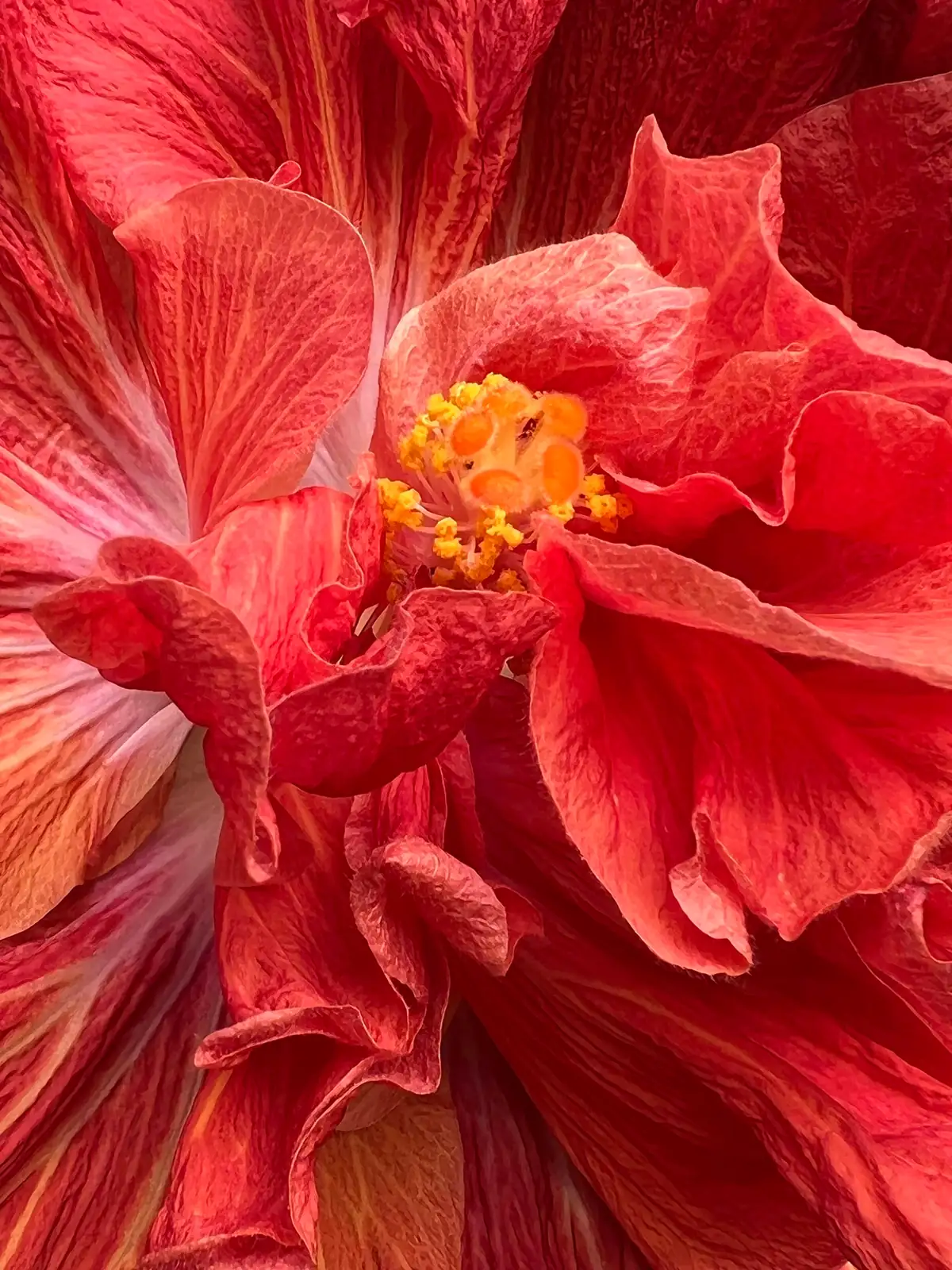
Climate‑smart matchmaking
- Cold winters (Zones 4–5)
- Build your wave with Atragene (alpina, macropetala) for the earliest bells.
- Add hardy viticellas for the summer engine.
- Choose robust early large‑flowered hybrids known to handle cold; plant deeply and mulch well.
- Use florida types in containers you can protect, or skip them if winters are severe.
- Hot, humid summers (many Southeast/gulf areas)
- Viticella and texensis will be your MVPs—floriferous and relatively resilient.
- Early large‑flowered types want bright light but afternoon shade; mulch heavily to cool roots.
- Florida types can perform if you provide airflow, even moisture (never soggy), and dappled afternoon shade.
- Hot, dry climates
- Clematis aren’t drought tolerant—use morning sun/afternoon shade, deep mulch, and drip irrigation.
- Prioritize viticella/texensis; grow tender/late types in large containers with reliable moisture.
- Mild, maritime/coastal climates
- Early large‑flowered and florida types often thrive with fewer heat spikes.
- Consider adding an evergreen winter bloomer (where hardy) to stretch the show beyond fall.
How to stack them on one structure (without a tangle)
- One support, layered timing:
- Base layer: Atragene or montana to cover bones early.
- Mid layer: Early large‑flowered hybrid for late spring drama.
- Top/through-weaver: Viticella or texensis to take over in high summer.
- Optional finale: A florida cultivar on a nearby pot trellis you can “dock” into the display for late color.
- Planting distances:
- Space crowns 18–24 in apart around the base; angle young shoots toward the support.
- Set crowns slightly deeper than the nursery level (often 2 in / 5 cm), which helps resilience.
- Training:
- Tie in gently—new stems are surprisingly brittle.
- Guide different groups to distinct zones (left/right, inside/outside of an arch) to reduce pruning confusion.
- Root comfort:
- Shade the base with low perennials, stones, or mulch to keep roots cool and moist—but never waterlogged.
Five foolproof combos for nonstop bloom
1) Cold‑climate cascade
- Spring: C. alpina or macropetala (Atragene Group)
- Early summer: A hardy early large‑flowered hybrid
- Summer: C. viticella selection
- Bonus: Florida type in a container, moved outdoors for late color and wintered in protection
2) Heat‑happy trellis
- Spring: C. montana on a pergola (in milder zones)
- Early summer: Early large‑flowered hybrid with afternoon shade
- Summer: C. texensis (urn-shaped flowers) threading through
- Fall: A late viticella to carry you toward first frost
3) Small‑space, big season (container + fence)
- Pot 1: Early large‑flowered hybrid on a balcony trellis
- Pot 2: Florida type for late summer–fall drama
- Fence foot: A compact viticella to bridge midsummer
4) Rose companion classic
- Atragene through a climbing rose for spring bells
- Early large‑flowered hybrid in the same shrub for saucers at peak rose time
- Viticella to weave and refresh color as roses pause in heat
5) Cottage‑garden archway
- Left side: Montana for spring froth (mild zones)
- Right side: Viticella for summer veils
- Center posts: Early large‑flowered + a potted florida tethered in late season
Care that keeps the show running
- Light and heat
- Best flowering with bright light to full sun, but protect from harsh midday/afternoon sun in hot summers—especially in pots.
- Classic rule: head in the sun, feet in the shade.
- Watering
- Evenly moist, never bone‑dry, never soggy. Soak thoroughly when the top inch dries; don’t let pots sit in water.
- Soil
- Fertile, humus‑rich, well‑drained; neutral to slightly alkaline suits many. Clematis are often lime/calcium tolerant.
- Feeding
- Mix compost or a base fertilizer at planting.
- In ground: balanced feed in early spring and again in early summer; top‑dress yearly with compost.
- Containers: feed about every 2 weeks in the growing season; emphasize phosphorus/potash when buds form. Avoid excess nitrogen.
- Pruning (the secret sauce)
- Group 1 (Atragene/montana): bloom on old wood; prune only after flowering to tidy.
- Group 2 (early large‑flowered): light prune late winter/early spring—remove weak stems, shorten to strong buds; expect a second flush.
- Group 3 (viticella/texensis and many late types): hard prune to 12–18 in in late winter/early spring.
- If you’re unsure, observe bloom timing the first season before major cuts.
- Airflow and hygiene
- Space well and tie in growth to reduce congestion and mildew.
- Water at the base to keep foliage drier.
- Training young plants
- After planting, many gardeners cut back to about 12 in to encourage branching. Tie in new shoots gently and consistently.
Pests, diseases, and quick fixes
- Clematis wilt (sudden blackening/collapse): Cut affected stems back to healthy tissue (even to ground level). Plants often resprout.
- Powdery mildew and gray mold: Improve airflow, avoid soggy foliage, remove infected leaves.
- Common pests: Aphids, spider mites, slugs/snails, earwigs, caterpillars. Manage early with hand‑picking, barriers, rinsing, insecticidal soap, or horticultural oil.
- Safety note: Sap may irritate skin; wear gloves if sensitive. Keep away from nibbling pets and children.
Containers: your secret weapon for shoulder seasons
- Use a large, deep pot (often 18 in / 45 cm or more) with excellent drainage and a sturdy support.
- Plant the crown slightly deeper than it sat in the nursery pot.
- Shade the container to keep roots cool; protect pots from hard winter freezes.
- Florida and other tender late types excel in containers—you can chase the sun, dodge heat spikes, and shelter them in cold snaps.
- Repot every 2–3 years or refresh the mix; prune and thin yearly to keep airflow strong.
Propagation for the curious
- Semi‑ripe or semi‑hardwood cuttings late spring to summer (often root in 2–6 weeks).
- Layering in early spring is very reliable.
- Seeds are slow and variable; many need cold stratification.
Quick calendar
- Spring: Plant or repot; start feeding; prune by group; tie in new growth.
- Summer: Peak blooms; water consistently; mulch to cool roots; keep airflow high.
- Autumn: Plant in mild regions; take cuttings; reduce feeding.
- Winter: Dormant for most; protect container roots; prune Group 3 late winter/early spring.
Flower language: why clematis symbolizes “ingenious ascent”
In Victorian floriography, clematis came to signify mental beauty, ingenuity, and aspiration—apt for a vine that climbs by clever means, using twining leaf stalks rather than tendrils or roots. Some traditions add purity and a “beautiful heart,” especially with white forms. While these meanings aren’t botany, they echo the plant’s character: poised, inventive, and always reaching higher—exactly what your garden display will do when you stack the bloom groups in a graceful seasonal climb.
—
Give clematis bright light, cool roots, steady moisture with drainage, and pruning that fits the group, and it will reward you with a show that looks choreographed months in advance. With the right cast—Atragene and montana for spring, early large‑flowered for late spring, viticella/texensis for summer, and florida/late types for the closing act—you’ll have color that barely pauses.


