


How to Propagate Forsythia Suspensa: A Gardener’s Guide
Forsythia suspensa, commonly known as Chinese Forsythia or Golden Bells, is one of those shrubs that epitomizes the joy of spring. With its brilliant yellow flowers, it often signals the end of winter’s gray gloom. But did you know that you can easily propagate this delightful shrub to brighten up more corners of your garden? Let’s dive into the art of multiplying your forsythia plants using cuttings and layering. Whether you’re a seasoned gardener or a green-thumbed novice, this guide will offer you step-by-step instructions to expand your floral display with ease.
Propagating Forsythia Through Cuttings
One of the most popular ways to propagate Forsythia suspensa is through stem cuttings. This method is straightforward and yields results relatively quickly. Here’s how you can do it:
Step-by-Step Guide to Stem Cuttings
- Timing is Everything: Opt for cuttings in late spring to early summer, when the plant’s growth is vigorous. The current season’s new growth is ideal for cuttings.
- Choose the Right Stems: Look for healthy, disease-free stems that are semi-hardwood (firm but still green). Cut a 4 to 6-inch segment, ensuring it has at least a couple of leaf nodes.
- Preparation: Strip the leaves from the lower half of the cutting. This focuses the plant’s energy on root development.
- Rooting Hormone: Dip the cut end in a rooting hormone powder to encourage faster rooting. This step, while optional, can significantly boost your success rates.
- Planting: Insert the cutting into a pot filled with a mix of coarse sand or perlite for excellent drainage. Ensure that at least two inches of the stem are buried.
- Create a Mini-Greenhouse: Cover the pot with a clear plastic bag or dome to maintain humidity, placing it in bright, indirect light.
- Patience and Care: Water the cuttings lightly and let them develop roots, which usually takes about six to eight weeks. Once rooted, transfer them to individual pots with a well-draining potting mix.
Propagating Forsythia Through Layering
Layering is another effective and natural way to propagate forsythia, leveraging the plant’s ability to root when its stems touch the ground.
Step-by-Step Guide to Layering
- Select the Stem: Choose a low-growing, flexible branch. It’s best to do this in spring or early summer when the plant is actively growing.
- Prepare the Ground: Loosen the soil where you plan to root the stem. Ensure it’s fertile and well-draining.

- Position the Stem: Bend the branch gently to the ground and bury a portion of it, leaving about 6-12 inches free at the tip.
- Secure and Cover: Pin the buried section with a U-shaped wire or small rock to keep it in place, then cover with soil. Optionally, wound the stem slightly by removing a small patch of bark to encourage rooting.
- Water and Wait: Keep the area moist but not waterlogged. Roots should develop in the buried section by the end of the growing season.
- Separation: Once a solid root system has formed, usually by late fall or the following spring, cut the new plant free from the parent and transplant it to its new location.
Tips for Success
- Sunlight and Watering: Forsythia thrives best with 6+ hours of sunlight daily and appreciates deep watering during dry spells, especially when newly propagated.
- Soil and Fertilization: While adaptable, forsythias prefer fertile, well-drained soil. Avoid over-fertilizing, particularly with nitrogen-rich fertilizers, as this can reduce flowering.
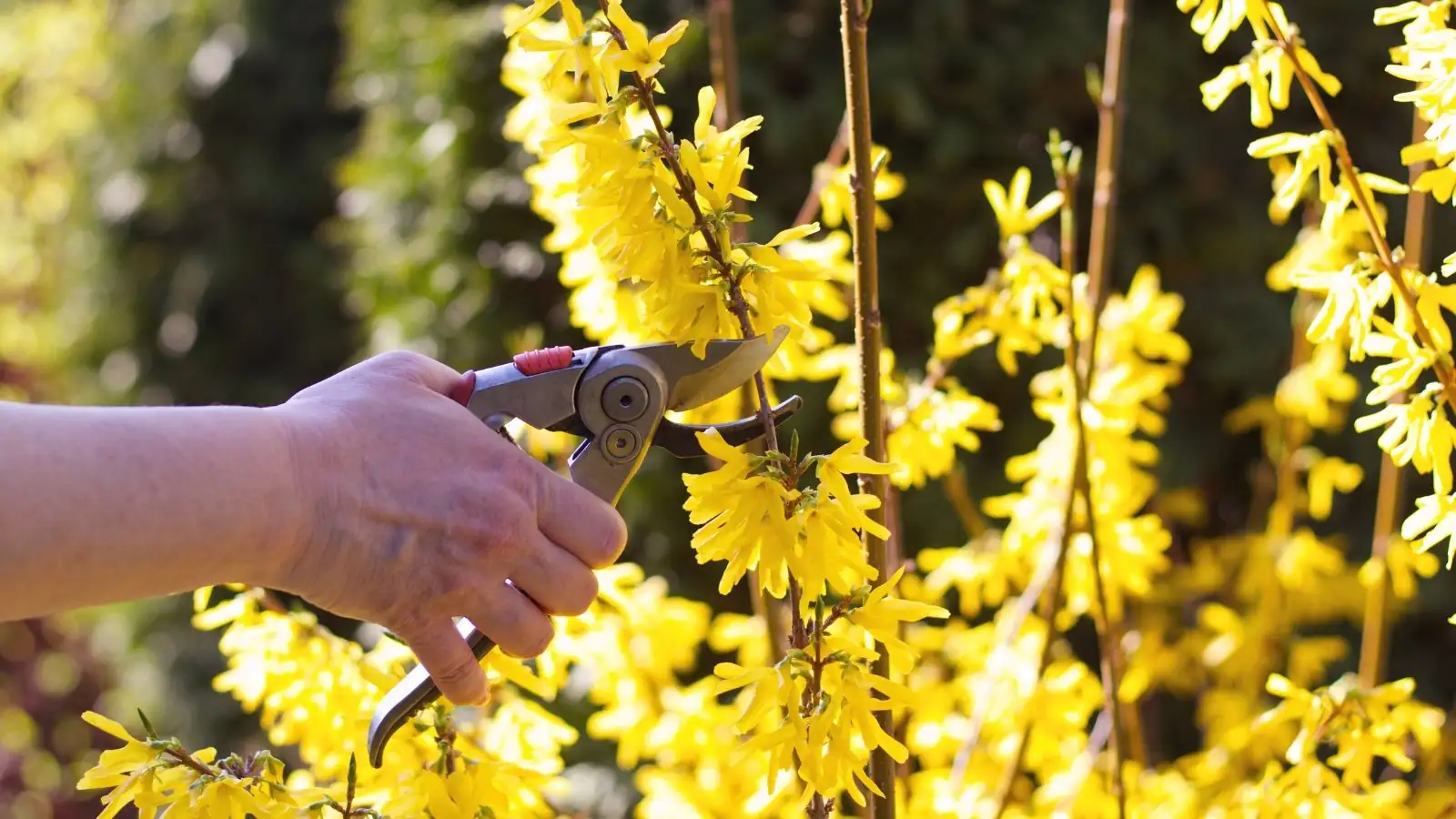
- Pruning for Health: After flowering, prune to shape and remove any dead or crossing branches. This not only helps maintain the plant’s form but also encourages vigorous growth for future cuttings.
Conclusion
Expanding your garden with Forsythia suspensa is not only easy but also incredibly rewarding. With just a little patience and care, you can enjoy more of these golden spectacles in your garden, creating a wave of sunshine that announces the arrival of spring each year. Whether you choose cuttings or layering, both methods will help you propagate this cheerful shrub, ensuring that your garden remains vibrant and lively. So why not give it a try and share the joy of forsythia with every corner of your outdoor space?


