

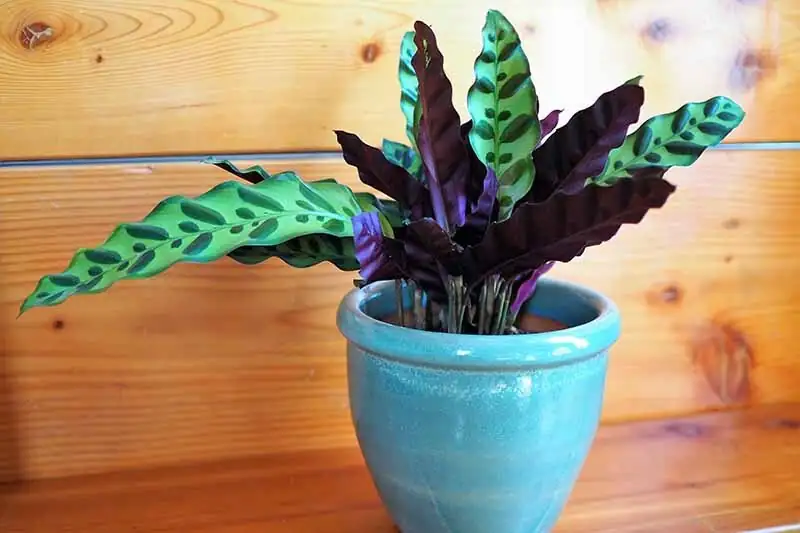
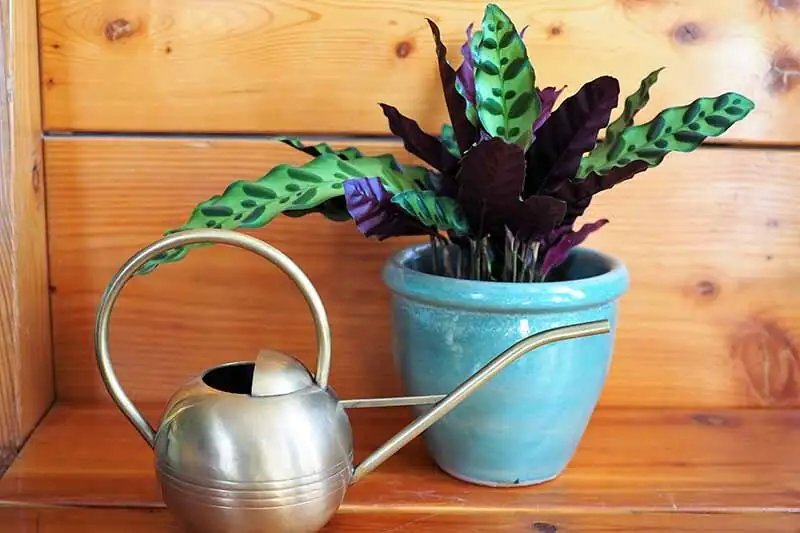
If you’ve ever kept a Rattlesnake Plant (Goeppertia insignis), you know its leaves are the main event—long, wavy lances patterned like jungle camouflage on top and burgundy wine underneath. The secret to keeping that foliage flawless isn’t a mystery fertilizer or a daily misting ritual. It’s soil physics. Tweak the mix, and you change the way roots breathe, drink, and feed—which shows up directly in hydration, growth, and leaf quality.
Here’s a hands-on, plant-nerd-friendly guide to dialing in the perfect substrate and why each tweak matters.
Meet Goeppertia insignis (Rattlesnake Plant)
- Native to Brazil’s warm, humid rainforest understory.
- Indoors, it forms dense clumps with upright to arching leaves that look “snakeskin” green on top and burgundy beneath.
- Loves bright, indirect light; steady warmth (15–24°C / 59–75°F); and humidity 50%+.
- Flowers are rare indoors; foliage is the star.
Soil-wise, think “sponge plus scaffolding”: a mix that retains moisture yet stays airy, so roots are continuously hydrated without suffocating.
The Soil Science (Why Mix Ratios Matter)
Roots need water, oxygen, and space. In a pot, water moves downward and then sits as a “perched water” zone at the bottom of the container. If your mix is too dense, that saturated zone becomes large and persistent—inviting rot, starving roots of oxygen, and washing out leaf patterns. If the mix is too airy, it sheds water too quickly—leading to curled, thirsty leaves and stunted growth.
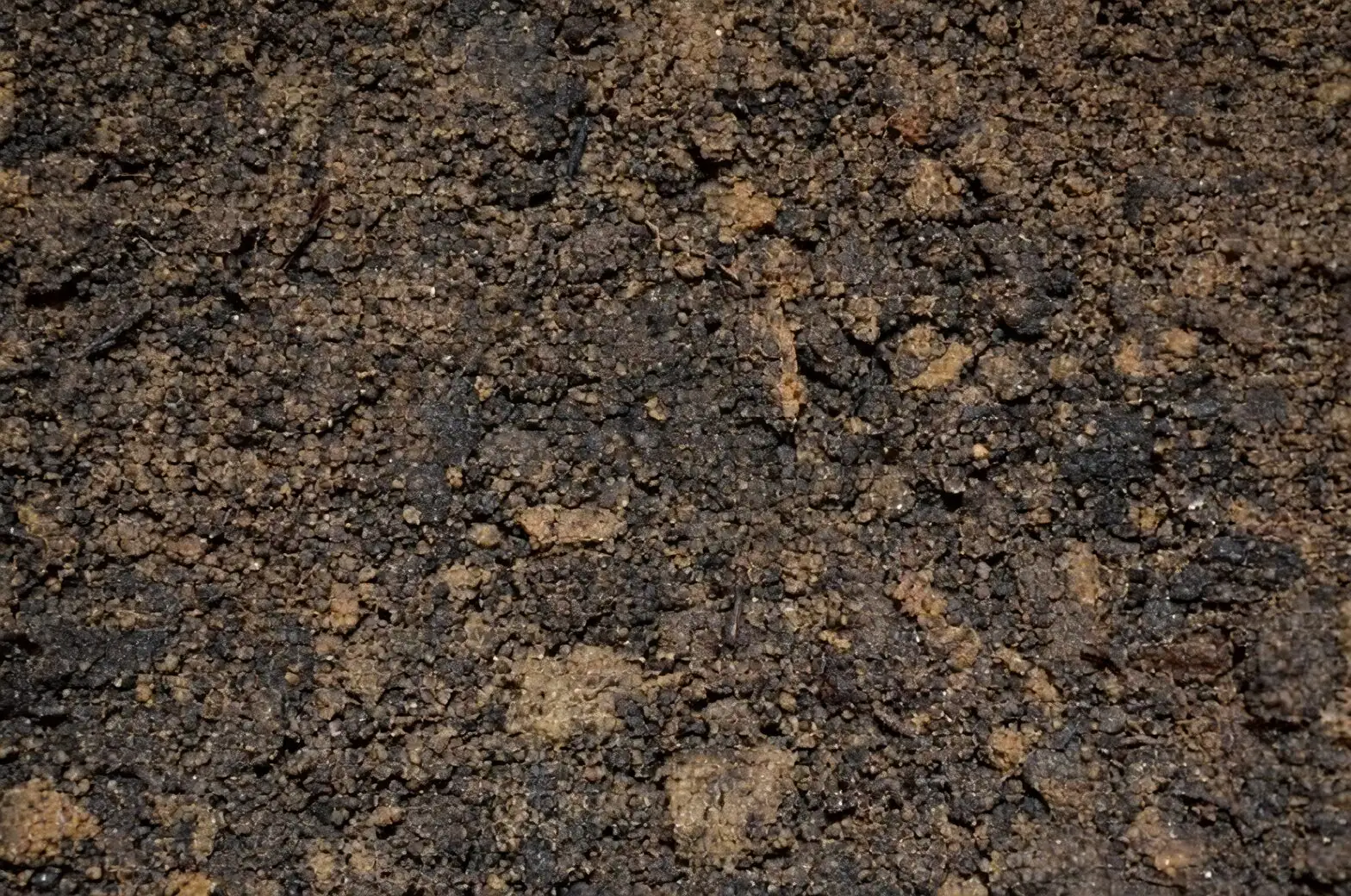
Perlite increases pore space (oxygen and drainage). Potting soil provides the moisture-holding matrix and nutrients. Adjusting the ratio changes:
- Hydration curve: how long the soil stays evenly moist after watering.
- Oxygen availability: how quickly roots re-oxygenate after saturation.
- Root architecture: fine feeder roots proliferate in evenly moist, airy media and collapse in anaerobic (waterlogged) conditions.
The Mix Matrix: Hands-On Comparisons
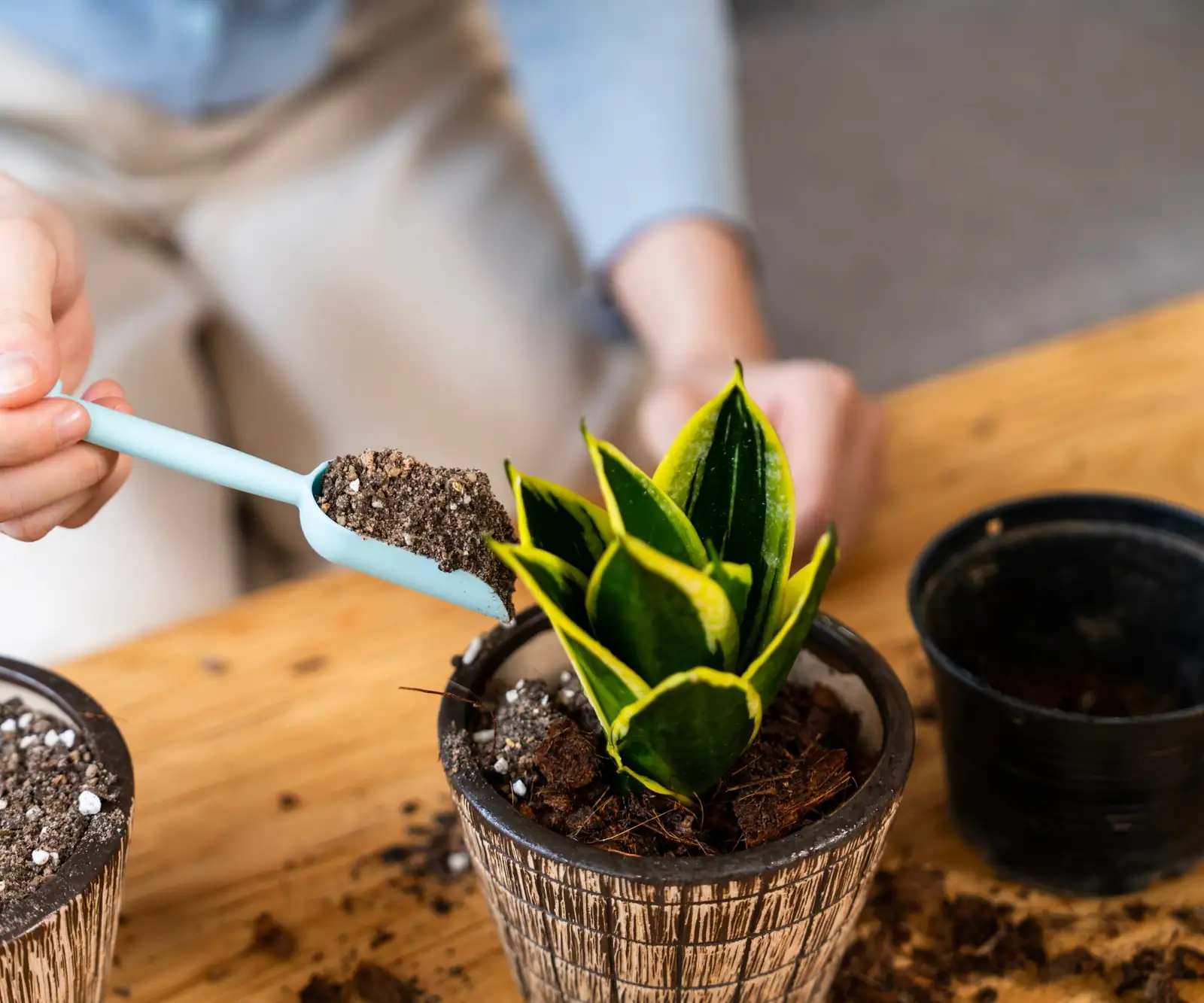
The Baseline Blend: 2 parts potting mix : 1 part perlite (2:1)
This is the sweet spot for most homes and the ideal starting point for Goeppertia insignis.
- What it does: Holds moisture evenly while staying free-draining and airy.
- Best for: Bright bathrooms/kitchens or rooms with decent humidity (50%+).
- Watering rhythm: In growing season, water when the top 1–2 cm (0.4–0.8 in) dries. In winter, let the surface dry a bit more.
- Leaf outcomes: Bold patterning, springy texture, smooth margins when humidity is adequate.
- Watch-outs: If your room is quite dim and cool, even 2:1 may stay wet too long—consider making it airier.
The Moisture-Forward Blend: 3 parts potting mix : 1 part perlite (3:1)
More sponge, less scaffolding.
- What it does: Increases water-holding capacity. Great in high light + high humidity where evaporation is strong.
- Best for: Warm, bright bathrooms or greenhouse-like spaces; those who tend to underwater.
- Watering rhythm: Stays moist longer—space waterings out and monitor carefully.
- Leaf outcomes: Can look lush and wide if you don’t overwater. If you do, patterns fade, leaves yellow or feel limp from low oxygen at the roots.
- Watch-outs: Higher risk of root rot if light or airflow is low or if watering is heavy-handed.
The Air-Boosted Blend: 1 part potting mix : 1 part perlite (1:1)
More scaffolding, faster drainage.
- What it does: Shrinks the perched water zone and supercharges aeration.
- Best for: Lower light rooms, cooler conditions, or if you tend to overwater. Also helpful in heavy, peat-rich store mixes that compact over time.
- Watering rhythm: Dries faster—water a bit more frequently, watching that 1–2 cm top layer cue.
- Leaf outcomes: Crisper patterning and fewer rot issues. If you slack on watering or humidity is low, you may see leaf-edge crisping or leaf curl from underwatering.
- Watch-outs: Don’t let it swing bone-dry between waterings in active growth.
Smart Add-Ins (Adjust Texture, Not Just Ratios)
- Fine orchid bark (5–15%): Adds chunky structure and long-term aeration. Especially good in 2:1 or 3:1 mixes.
- Coco coir (10–20%): Improves even moisture distribution without going swampy; great in the 1:1 blend to buffer dryness.
- Worm castings (5–10%): Gentle nutrition and microbial life; don’t overdo—it can make mixes denser and invite gnats if consistently wet.
- Horticultural charcoal (5%): Minor adsorption benefits and porosity; optional.
Tip: Pre-moisten dusty perlite or coir before mixing to reduce airborne particles and achieve more uniform blending.
Drainage Layers: Helpful or Harmful?
The old advice to add rocks at the bottom creates a sharp boundary that actually raises the perched water zone into the root zone. Translation: the pot holds the same amount of water, but more of it sits around your roots. For a Rattlesnake Plant that likes “evenly moist, never soggy,” that’s the opposite of helpful.
Do this instead:
- Always use a pot with a drainage hole.
- Cover the hole with a mesh or a scrap of window screen to keep mix from escaping.
- Fill the pot from bottom to top with your chosen mix—no gravel layers.
- Water thoroughly until you see runoff, then empty the saucer.
Pots, Size, and Dry-Down Speed
- Plastic: Holds moisture longer—nice for the 1:1 airy blend or drier homes.
- Glazed ceramic: Similar to plastic; stable and handsome.
- Unglazed terracotta: Breathes; speeds evaporation—good if your home is very humid or you use a 3:1 mix. Water a touch more often.
- Pot size: Slightly snug is ideal. In oversized pots, the mix stays wet longer than roots can use it. Repot every 2–3 years or when the clump crowds the pot (often starting in a 12.5–15 cm / 5–6 in pot).
Watering Technique for Leaf Perfection
- Spring to autumn: Keep evenly moist but never soggy. Water when the top 1–2 cm dries.
- Winter: Let the surface dry a bit more before watering.
- Best water: Rain or distilled reduces brown tips from tap minerals.
- Method: Water thoroughly until runoff; drain the saucer. Don’t “sip water” frequently—that keeps the top wet and the bottom anoxic.
- Humidity: Aim for 50%+. Bathrooms and kitchens are perfect; otherwise, use a pebble tray or humidifier. Misting helps briefly but not as a long-term solution.
Leaf Quality Diagnostics (Soil Mix Edition)
- Faded patterning + limp yellowing leaves: Roots sitting too wet/oxygen-poor. Move toward more perlite (e.g., from 3:1 to 2:1, or 2:1 to 1:1). Check for sour smells or mushy roots—signs of early rot.
- Brown, crispy edges while soil is drying quickly: Either humidity too low or mix too airy for your care routine. Boost humidity or add a touch more coir/potting mix; don’t let it swing bone-dry.
- Brown tips despite good moisture: Likely mineral-heavy tap water or dry drafts. Switch to rain/distilled and keep away from vents.
- Curling leaves: Thirst or low humidity. Water when the top 1–2 cm dries; increase humidity.
- Soil surface mold or mustiness: Overly wet conditions and poor airflow. Let the surface dry slightly more between waterings, increase light/air movement, and consider aerating with a chopstick or repotting into a fresher, airier blend.
Three Proven Recipes (By Room Conditions)
The Bathroom Beauty (Bright, Humid Rooms)
- 2 parts high-quality houseplant potting mix
- 1 part perlite
- 10% fine orchid bark (by total volume)
Why it works: Matches humid rooms where evaporation is steady. Holds moisture evenly with enough oxygen for vigorous roots.
The “Heavy Waterer” Safety Net (Cooler or Lower Light Spaces)
- 1 part potting mix
- 1 part perlite
- 10–15% coco coir
- Optional 5% worm castings
Why it works: Higher aeration prevents sogginess when light is lower or watering is frequent. Coir keeps moisture evenly distributed so it doesn’t dry patchy.
The Greenhouse/High-Humidity Lush Mix
- 3 parts potting mix
- 1 part perlite
- 10% fine orchid bark
Why it works: In warm, bright, very humid spaces, this retains moisture long enough between waterings without collapsing into sludge thanks to bark structure.
Note: Percentages are flexible. Adjust slightly based on your watering style and room conditions.
Repotting and Division, Step by Step
- Best time: Spring.
- Choose a pot 2–3 cm (about 1 in) wider than the root mass, with drainage.
- Loosen the root ball; trim mushy roots if present.
- Refresh with your chosen airy, free-draining mix.
- For propagation, divide clumps ensuring each division has healthy roots and a few leaves.
- Water in thoroughly, drain well, and keep humidity steady as the plant settles.
Light, Temperature, and Humidity Snapshot
- Light: Bright, indirect to light shade. Avoid harsh direct sun—it can scorch or fade those snakeskin patterns.
- Temperature: 15–24°C (59–75°F). Avoid drafts and dips below ~13°C (55°F).
- Humidity: 50%+ keeps edges smooth and color saturated.
Feeding, Pests, and Health
- Fertilizer: Every 2 weeks at half strength spring to autumn; pause or reduce in winter.
- Pests: Spider mites, mealybugs, and scale show up more in dry air. Rinse foliage, raise humidity, and use insecticidal soap or horticultural oil if needed.
- Root rot: Prevent by using an airy mix and a pot with drainage. If it smells sour or leaves wilt despite wet soil, unpot, prune rot, and repot into fresh, airier medium.
Symbolism, Names, and a Fun Fact
- Symbolism: Often associated with calm, renewal, and spa-like serenity—fitting for a plant that thrives in warm, humid rooms.
- Name notes: Long sold as a “Calathea,” it’s now correctly placed in the genus Goeppertia—so Goeppertia insignis is your Rattlesnake Plant’s accepted name.
- Fun fact: Those deep burgundy undersides glow in strong indirect light—a signature Marantaceae flourish.
Quick Troubleshooting by Mix
- Using 3:1 and seeing yellowing? Step down to 2:1 or water less frequently.
- Using 1:1 and seeing fast dry-down with crisp edges? Increase humidity and add 10–20% coir or shift to 2:1.
- Not sure? Start at 2:1; adjust one variable at a time and watch the leaves—they’ll narrate what the roots are feeling.
Bottom line: For Goeppertia insignis, soil isn’t just a container filler; it’s life support. Build a mix that balances moisture and air, skip drainage layers, and water thoughtfully with gentle, low-mineral water. Do that, and your Rattlesnake Plant will repay you with patterned, burgundy-backed leaves that look like they walked out of the rainforest this morning.