

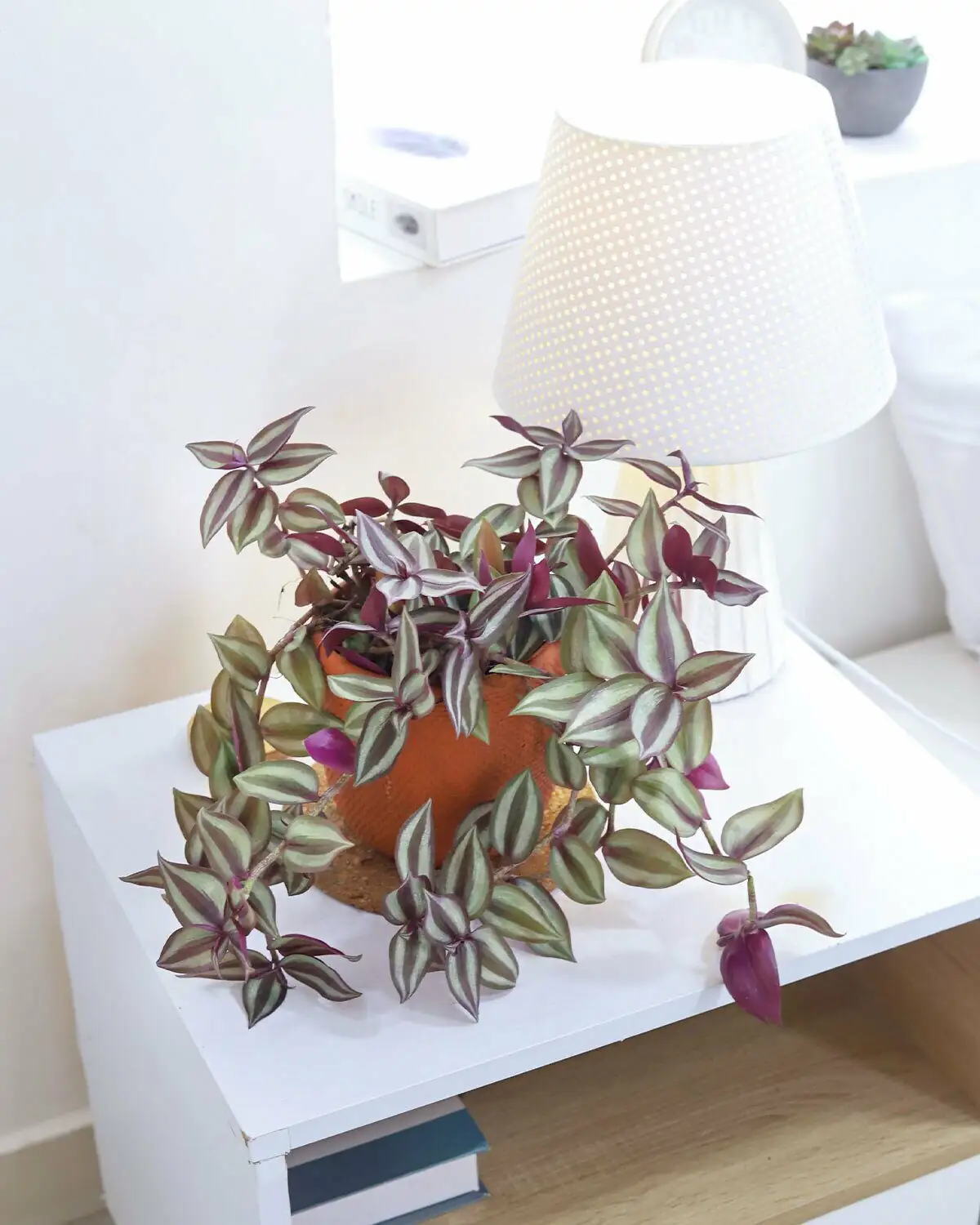
Vining from its pot in a spill of silver stripes and royal purple, Tradescantia zebrina (often called Inch Plant) is one of those housemates that seems to cheer up a whole room.
People often ask what it “means” to gift or grow it. Short answer: there’s no classical floriography entry for this foliage-forward plant. Longer (and more interesting) answer: modern plant-lovers have adopted a fresh language for it—resilience, adaptability, and hope—rooted in the way it grows, bounces back, and shares easily.
Meet Tradescantia zebrina at a glance
- Botanical family: Commelinaceae (the spiderwort family)
- Common names: Inch Plant, Silver Inch Plant, Wandering Dude, Zebra Plant (Tradescantia)
- Native range: Mexico (frequently also cited as parts of Central America); now naturalized in warm regions worldwide
- Look: Fleshy leaves striped in silver and green with vivid purple undersides; tricolor tones pop in brighter, filtered light
- Habit: Trailing to creeping; stems happily root at the nodes and cascade from baskets or shelves
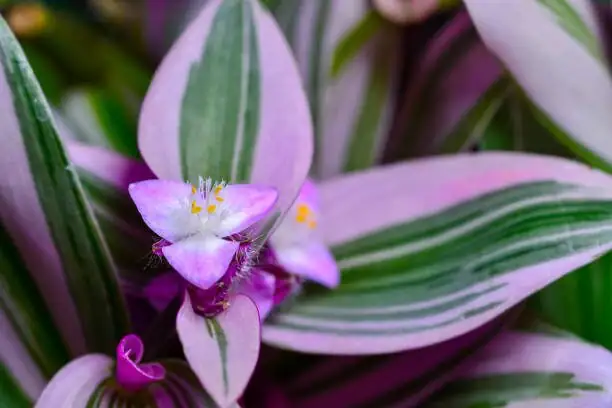
- Flowers: Tiny three-petaled blooms in pink to lavender appear sporadically with good light
- Size indoors: About 6 in (15 cm) tall with 12–35 in (30–90 cm) trails; a 6–8 in (15–20 cm) hanging basket filled with several cuttings makes a lush show
Is there a traditional “flower language” for it? Not really—and that’s the point
Classical floriography vs. modern plant symbolism
Victorian floriography fixated on cut flowers and bouquets. Tradescantia zebrina is primarily a foliage plant and wasn’t a star of those dictionaries. Today’s “flower language” for houseplants is less about corsages and more about character—how a plant behaves at home, what it teaches us, and how it fits our lives.
The modern meanings—and why they fit this plant
- Resilience: Snip it back and it rebounds thicker and brighter, often looking better after a haircut. Basal leaves may age out, but tip cuttings root in a week or so—an emblem of bounce-back and renewal.
- Adaptability: It thrives in bright, indirect light and copes with average home humidity. Give it a good mix and sensible watering, and it answers with fast, forgiving growth.
- Hope: New tips unfurl with vivid color, and every node is potential—new roots, new shoots, and, with enough light, surprise pink-lavender blooms. It’s the optimism of fresh growth made visible.
Together, these traits are why Inch Plant is frequently gifted as a “you’ve got this” living message.
Purple, silver, and the stories color tells
Tradescantia zebrina’s top-side silver striping reads crisp and modern; flip a leaf and you get saturated violet—a quiet drama.
- Purple across cultures: Commonly tied to creativity, dignity, and spiritual depth—and in many traditions, to prosperity and prestige. Its richness makes a space feel intentional and inspired.
- Silver accents: A symbol of clarity and reflection; in interiors, silvery foliage gently brightens without glare.
- Color in practice: In brighter, filtered light, purple and silver intensify; in low light, colors mute and stems stretch. Keep the look jewel-toned by giving it a bright window with soft rays (gentle morning sun is usually fine).
Feng shui: Wood energy with a regal shimmer
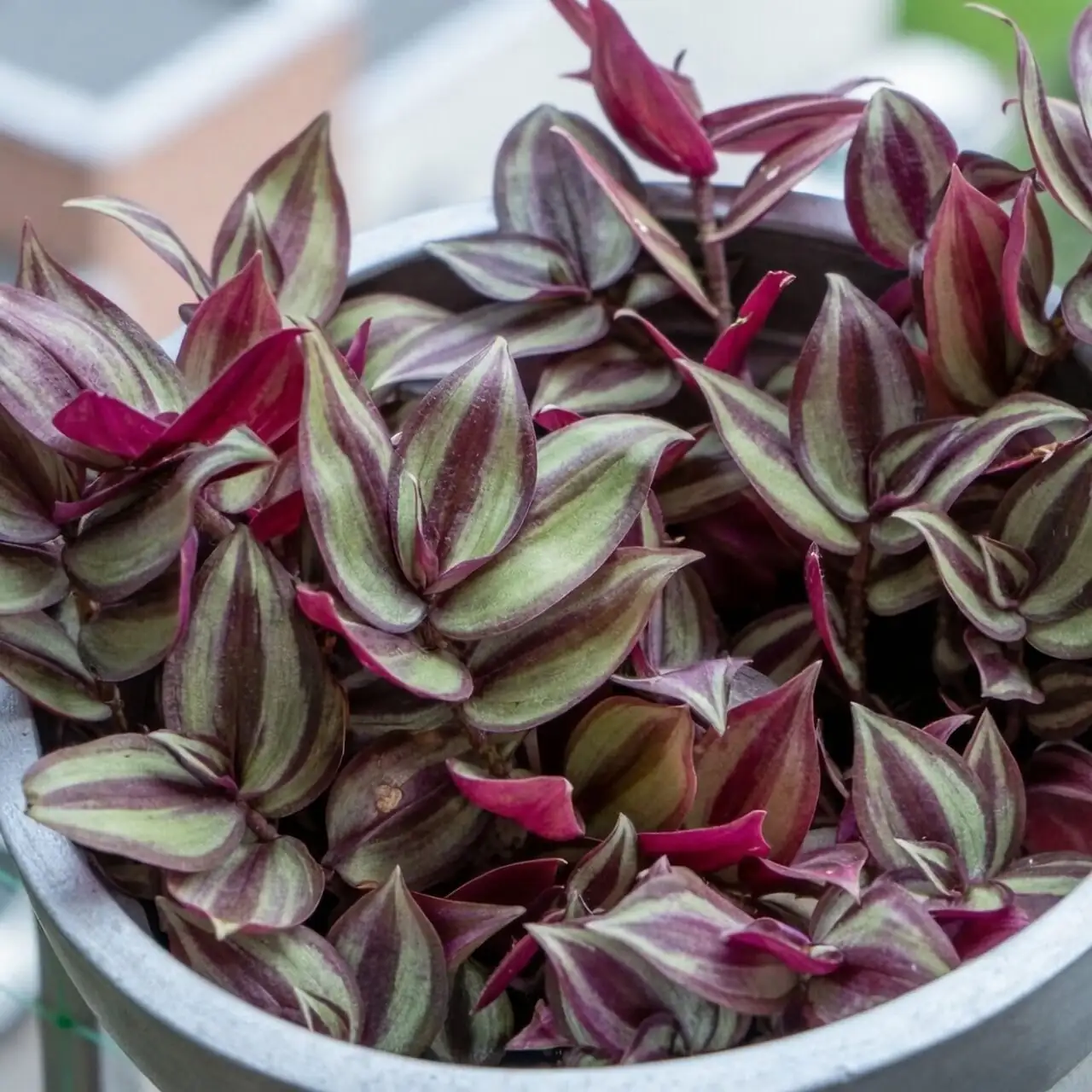
Living, leafy plants are classic carriers of Wood energy in feng shui—growth, renewal, vitality.
- Where it shines:
- East (health and family) and Southeast (wealth and abundance) areas are natural homes for Wood energy.
- Purple tones are often associated with wealth and aspiration; a well-lit Inch Plant with rich color makes a tasteful prosperity accent.
- How to place:
- Bright, indirect light is key; avoid harsh midday sun, which can scorch or yellow leaves and dull the qi of the display.
- Keep it vibrant: healthy, regularly pinched growth encourages lively, upward-branching energy. A languishing plant is stagnant qi—refresh by re-rooting tips if it looks tired.
- Container cues:
- Use a pot with drainage to keep energy “flowing,” not bogged down. A clean hanging basket or a modern planter on a shelf lets its cascades “circulate” chi through a room.
Thoughtful gifting: When an Inch Plant says “you’ve got this”
This is a plant with heart—and a message.
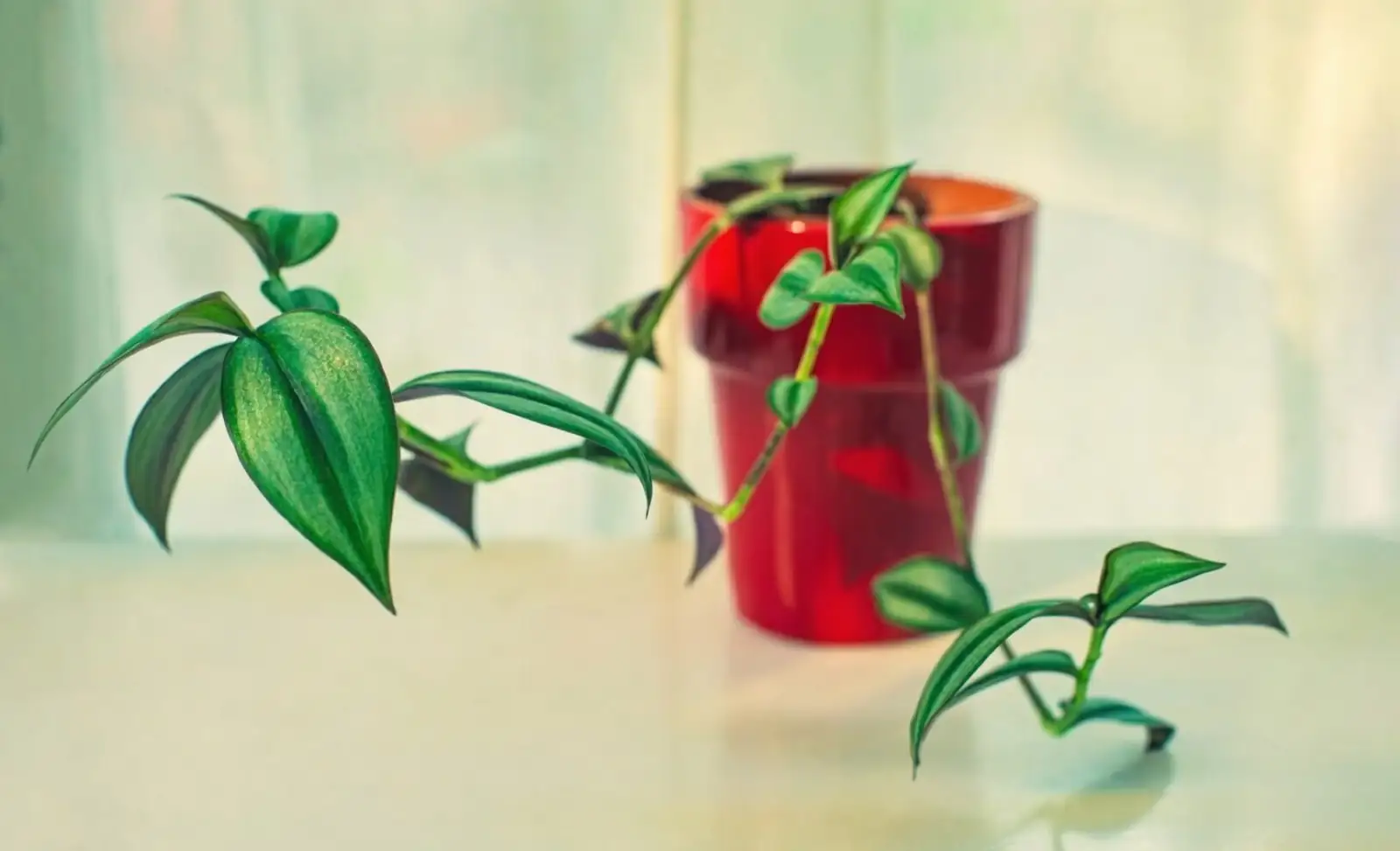
Great occasions
- New chapter moments: new job, new home, new semester, a creative project launch
- Recovery and resilience: a gentle nod to healing without heavy symbolism
- Team spirit: share cuttings among coworkers or friends to symbolize connection and growth
- Small-space joy: perfect for dorms and apartments—hang it high and let it pour down
What to include with your gift
- A little care card: “Bright, filtered light. Water when the top inch (2–3 cm) feels dry. Pinch tips for a fuller cascade.”
- A kind note: “For resilience and fresh starts—may it keep rooting for you.”
- A thoughtful caveat: Keep out of reach of pets and small children; sap can irritate sensitive skin. In frost-free regions, dispose of trimmings responsibly—this plant can spread if tossed outdoors.
Caring notes that reinforce the symbolism
Think of care as the chorus repeating its message—resilience, adaptability, hope.
Light and placement
- Best: bright, indirect light; gentle morning sun is fine
- Too little light: dull color, lanky stems
- Indoors, east- or north-facing windows are easy wins; outdoors, bright shade or filtered light
Water and humidity
- Water thoroughly, then let excess drain; water again when the top 2–3 cm (about 1 in) is dry
- Spring–autumn: keep lightly and evenly moist, never soggy
- Winter: reduce; keep just slightly moist
- Moderate humidity is appreciated (50%+ ideal), but it adapts; in very dry air, leaf tips may brown
Soil and feeding
- Use a loose, well-draining mix (roughly 3:1 potting mix to perlite or coarse sand)
- Feed during active growth: either diluted every two weeks or about monthly at label strength; avoid excess nitrogen to preserve color
- For a few more blooms, a bloom-leaning feed a handful of times in season can help
Pruning and propagation
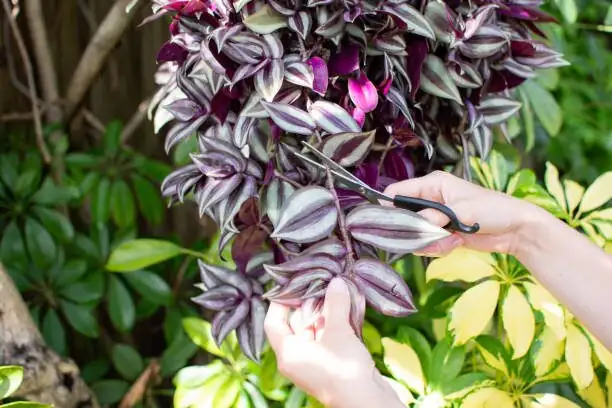
- Pinch or snip tips often for branching and a fuller look
- If it gets leggy, cut back hard and re-root the healthiest tips
- Propagate in water or moist mix—nodes usually root in ~7–10 days; plant several cuttings together for instant lushness
Seasonal rhythm
- Spring: more light, resume feeding; pinch often
- Summer: bright filtered light, steady watering, airflow
- Autumn: taper feeding and watering
- Winter: keep warm (above 50°F/10°C), avoid drafts, water sparingly
Health and safety
- Watch for spider mites, mealybugs, aphids, scale—rinse, then treat with insecticidal soap or horticultural oil if needed
- Overwatering can cause rot; keep drainage sharp
- Sap can irritate skin; ingestion may cause mild stomach upset in pets/children—place accordingly
Outdoors and responsibility
- Frost-tender; best as a houseplant except in USDA Zones 10–12
- In warm climates it can spread—manage clippings carefully and never dump garden waste in natural areas
Small blossoms, big message
While its foliage steals the show, the occasional three-petaled pink-to-lavender flower feels like a wink. It’s not the headline, but a signal your plant is content—quiet joy, brought to you by good light and steady care.
A note on names and culture
You may see older labels that use an offensive common name. Many growers now prefer neutral, welcoming options such as Inch Plant or Wandering Dude—reflecting a more thoughtful, inclusive approach to gardening.
Quick symbolism recap (the modern “flower language” of Inch Plant)
- Resilience: rebounds after trims; easy to refresh with cuttings
- Adaptability: forgiving about humidity and routine so long as light is bright and soil drains
- Hope: each node a promise—new roots, new shoots, sometimes even new blooms
If you’re looking for a living token that says “grow, mend, and move forward,” Tradescantia zebrina delivers—one shimmering inch at a time.