

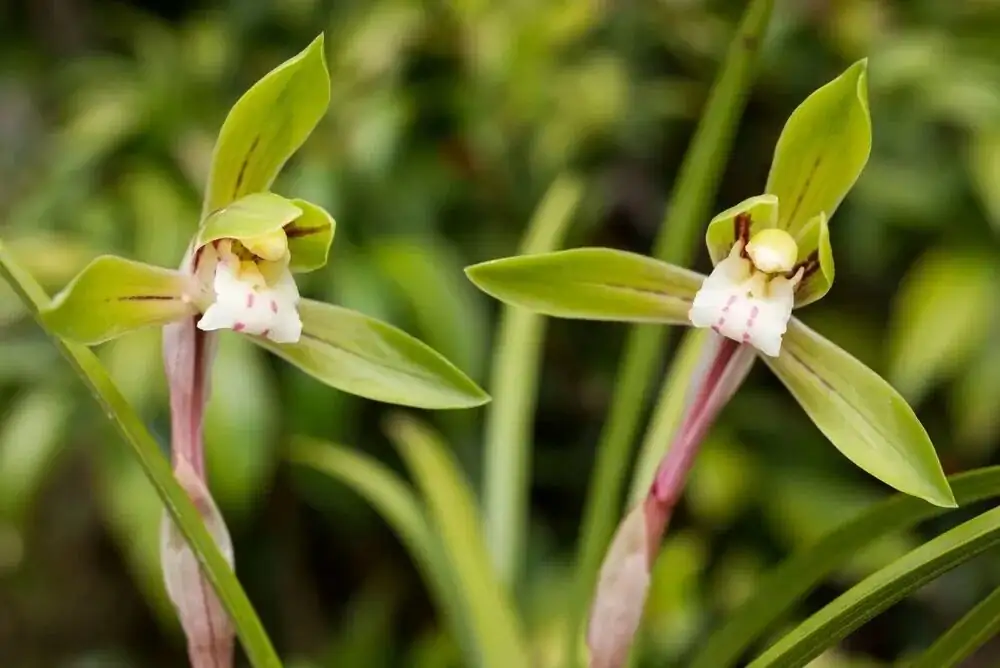
A wisp of sweet perfume in the chill of late winter—this is the quiet magic of Cymbidium goeringii, the Chinese Cymbidium or Spring Orchid (春兰). Modest in flower but profound in fragrance, it is the “orchid” of the Four Gentlemen tradition: a living emblem of purity, elegance, and noble character that crossed from Chinese classics into Japanese hanakotoba and Korean scholar culture. Its winter-spring bloom shaped how people gave gifts, greeted guests, and even oriented pots in the home for auspicious qi.
Meet the Spring Orchid: Small Flowers, Big Culture
Cymbidium goeringii forms neat clumps of deep-green, strap-like leaves and sends up short stems bearing a few starry, waxy blooms—often greenish to yellow-green with lovely markings. What stops time is its scent: rich and sweet, celebrated for centuries as one of the finest floral perfumes. Native to China, Japan, and the Korean Peninsula, it’s traditionally raised as a potted, cool-growing orchid in bright shade with excellent airflow and careful watering. In other words, it’s all about quiet refinement—visually and culturally.
- Bloom: Winter to spring (when fragrance is most prized)
- Habit: Clump-forming sympodial orchid with pseudobulbs
- Essence: Strongly fragrant, shade-loving, sensitive to waterlogging—best in airy, fast-draining media
Where “Flower Language” Begins: Not a code, but a culture
Before “flower language” (花语, huayu) became a modern list of meanings, the Chinese idea matured through centuries of poetry, painting, and philosophy. In classical texts, lan (兰)—wild orchids of mountain ravines—stood for the cultivated self, refined friendships, and inner virtue. Over time, this lived symbolism coalesced into what later generations called “flower language.”
- In early literature and philosophy, orchids are invoked for moral fragrance—the idea that true character is sensed like scent, subtle but pervasive.
- Poets of the Songs of Chu and later literati knit orchids to ideals of self-cultivation and integrity, using lan as a metaphor for pure conduct and fine companionship.
- The famous Orchid Pavilion (兰亭), site of the 4th-century calligraphic gathering, further entwined orchids with scholarly fellowship and refined leisure.
In short, “orchid language” was not invented overnight; it crystallized from lived metaphors and artistic practice. Cymbidium goeringii, with its refined look and winter perfume, became the cultivated face of these older meanings.
The Four Gentlemen: Spring’s “Orchid of Character”
In Chinese painting and thought, the Four Gentlemen (四君子)—plum blossom, orchid, bamboo, chrysanthemum—embody virtues like uprightness, purity, humility, and perseverance. Each plant marks a season. The orchid is spring’s gentleman: modest in form, serene in color, and perfumed with a moral subtext.
- Orchid (春兰): spring, noble character, purity, refined friendship
- Plum: winter, perseverance and hope
- Bamboo: summer, integrity and resilience
- Chrysanthemum: autumn, simplicity and detachment
Why the orchid? Its beauty is quiet rather than ostentatious; its leaves neat and scholarly; its fragrance intimate rather than showy. It models virtue that does not advertise itself, and companionship that ennobles without clamor.
How the Meanings Traveled: China, Japan, and Korea
China to Japan: From lan to hanakotoba
As Chinese literati culture spread, so did the orchid’s moral aura. In Japan, Cymbidium goeringii—shunran (春蘭), “spring orchid”—entered classical horticulture and tea-room aesthetics. In hanakotoba (Japanese flower language), orchids broadly convey refinement, elegance, and noble bearing. The understated shunran, often displayed in the tokonoma in late winter and early spring, suited a taste for wabi-sabi: beauty that is restrained, seasonal, and quietly resonant.
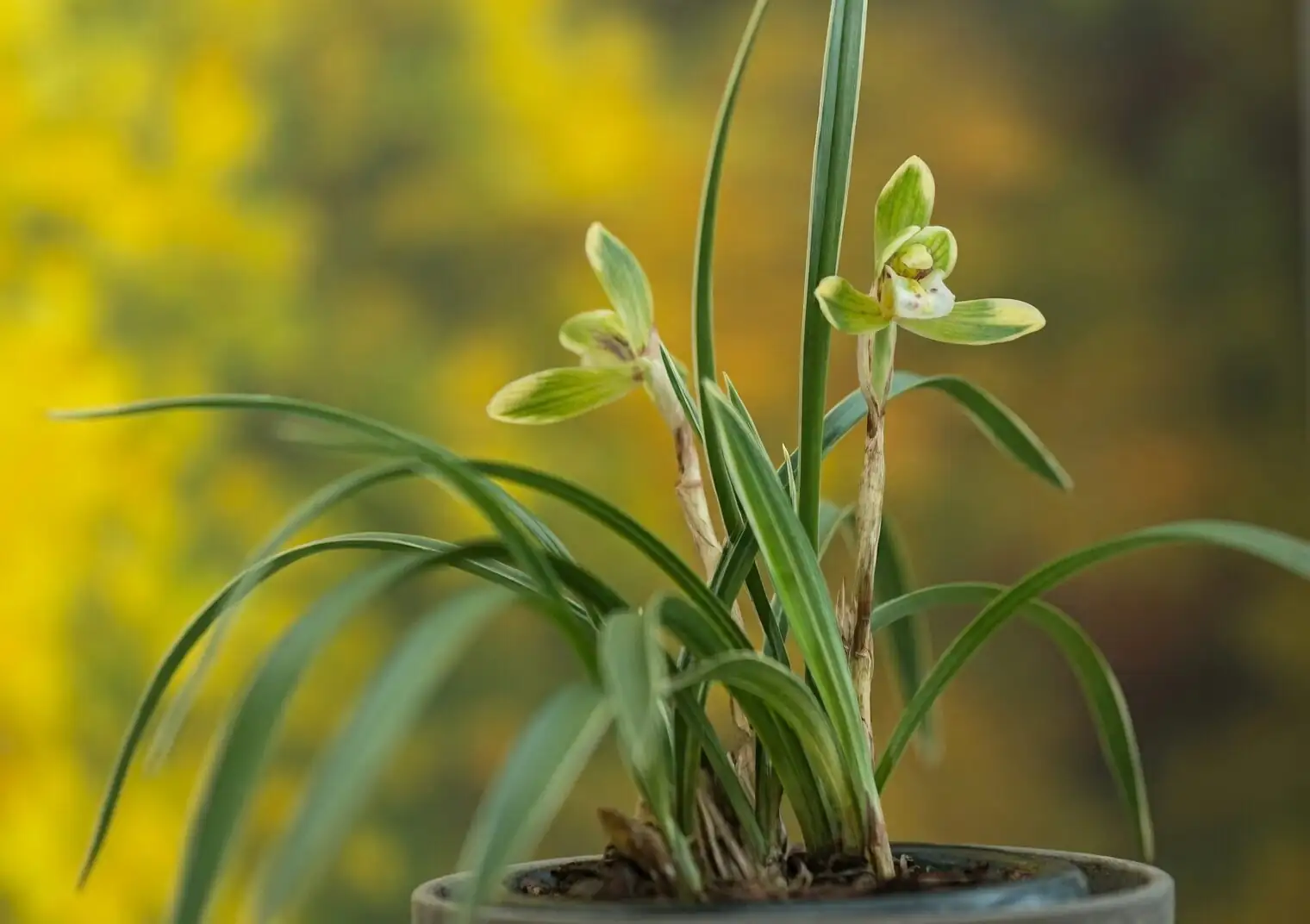
- Shunran accents: subtle color, dignified leaves, and a fragrance that rewards those who linger
- Hanakotoba associations: refinement, noble character, sometimes deep affection and respect
China to Korea: Orchid brushwork and the scholar’s mind
In Korea, the Four Gentlemen (사군자, Sagunja) thrived in ink painting, ceramics, and the scholar’s studio. The native “wild orchid” (난초)—culturally aligned with Cymbidium goeringii (춘란, chunran)—symbolized nobility, loyalty, and fidelity, and served as a test of brush control and inner cultivation. From Goryeo celadon to Joseon blue-and-white porcelain, from calligraphy boards to lacquerware, the orchid was not merely decorative; it was moral education in vegetal form.

- A brush lesson: To paint orchids is to practice character—measured lines, poised leaves, a composure that reveals the mind
- A social virtue: Orchids became emblems of trustworthy friendship and the scholar’s quiet steadfastness
Huayu in Three Words: Noble, Pure, Friendly
- Noble character: The orchid’s carriage is upright, poised, and self-contained—virtues linked to the Confucian junzi.
- Purity: Clean color and a fragrance that does not cloy echo moral clarity and inner grace.
- Friendship: In poetry and painting, orchids stand with virtuous companions; their scent hints at character that enriches others simply by being present.
These are not clichés tacked on after the fact; they are the distilled wisdom of centuries of looking, smelling, painting, writing—and living with the plant.
Winter Fragrance and the Etiquette of Scent
Cymbidium goeringii blooms when the world is quiet. In winter and early spring, its sweet perfume turns a cold room warm. This timing did more than please the senses—it shaped how people gave, hosted, and placed the plant.
Gift-giving
- Seasonal timing: Given around the New Year or early spring, a pot of spring orchid signals hope, renewal, and elegant taste.
- Social respect: Suitable for elders, teachers, and cultivated friends—the gift says “I honor your character” more than “look at this flashy bloom.”
- Living token: Dividing a cherished clump to share a piece with a close friend became a gesture of enduring friendship.
Hosting and manners
- Let the scent find you: Good etiquette favors restraint—no bending over the pot to inhale; allow the fragrance to greet you as you converse.
- The scholar’s room: A single pot on a clean table or windowside, uncluttered, emphasizes integrity and focus.
- Pairing with plum branches: In arrangements, orchid and plum set a winter dialogue—endurance (plum) meeting refinement (orchid).
Feng Shui: Placing Virtue Where Qi Rises
Within many feng shui traditions, the orchid’s upright leaves and living vitality align with the Wood element—growth, renewal, and gentle expansion.

- Auspicious directions: East and southeast
- East (Family/Health; Wood): Honors lineage, harmony, and the renewing force of spring—the orchid’s own season.
- Southeast (Wealth; Wood): Encourages steady, cultivated growth rather than sudden excess—mirroring the orchid’s patient clumping habit.
- Room logic meets horticulture:
- East or southeast light is typically softer, offering bright shade or filtered morning sun that this orchid prefers.
- Keep the placement airy; avoid harsh midday sun and stagnant corners. A bright window with softened light is ideal in winter.
- Intent matters: A single, well-kept pot signals focused growth and clear values more than a crowded ledge of struggling plants.
Note: Feng shui schools vary, but placing a healthy, fragrant plant in an appropriate Wood sector—without sacrificing its cultural dignity or horticultural comfort—is a timelessly good fit.
Caring in the Spirit of the Symbolism
To honor what the spring orchid represents, cultivate it with the same steady virtues it teaches.
- Light: Bright shade or dappled light; gentle winter sun is welcome, but avoid harsh midday rays.
- Temperature: Cool-growing and happiest in mild conditions. It tolerates chilly spells if kept protected and not waterlogged.
- Water: Keep the medium airy and never soggy. Water more in active growth, less in winter; in cool seasons, water at midday on sunny days.
- Humidity and airflow: Moderate to high humidity with moving air keeps leaves clean and fragrance pure.
- Medium: Fast-draining, well-ventilated mixes (moss, bark/wood chips, charcoal, pumice, brick chips, etc.) prevent rot and preserve roots.
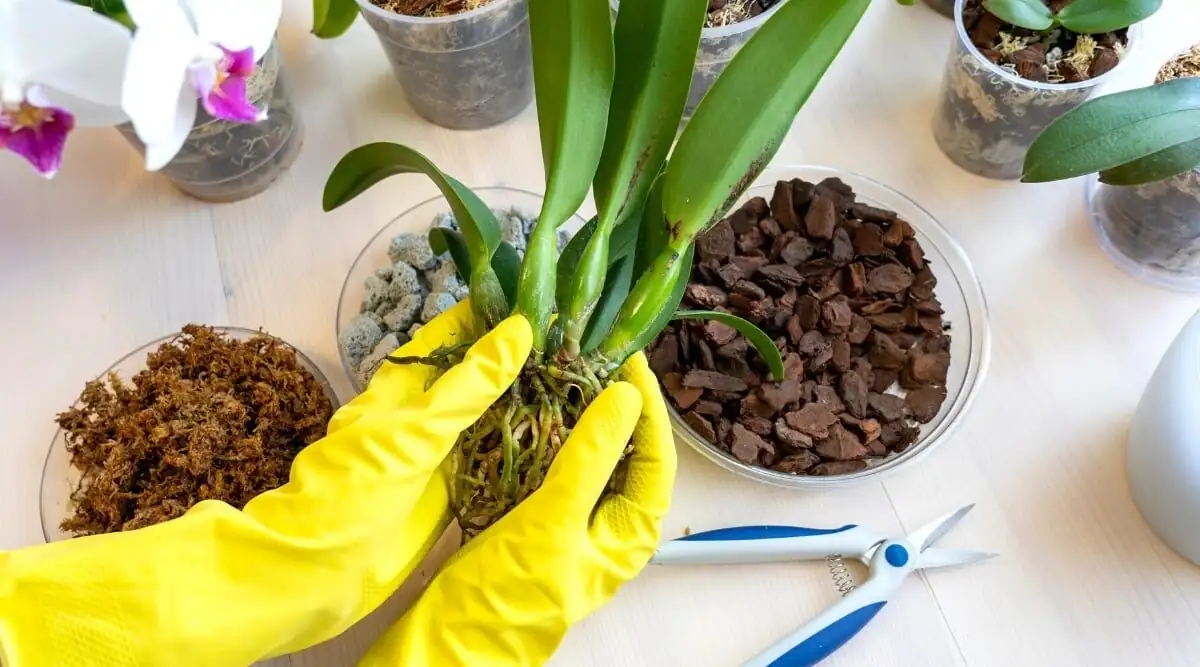
The plant’s calm poise is your guide: stable care, few extremes, no fuss.
From Fragrance to Fellowship: Why Cymbidium goeringii Endures
The spring orchid does not seduce with spectacle. It changes a room the way a good friend changes a conversation—lightly, lastingly. In Chinese classics, it became the scent of virtue; in the Four Gentlemen, the posture of spring; in Japan and Korea, a touchstone for refinement and loyalty. Its winter fragrance taught hosts to be gracious, guests to be attentive, and givers to be thoughtful. Place it where morning light greets you from the east, breathe softly, and let the orchid do what it has always done: make character visible, one quiet breath at a time.