

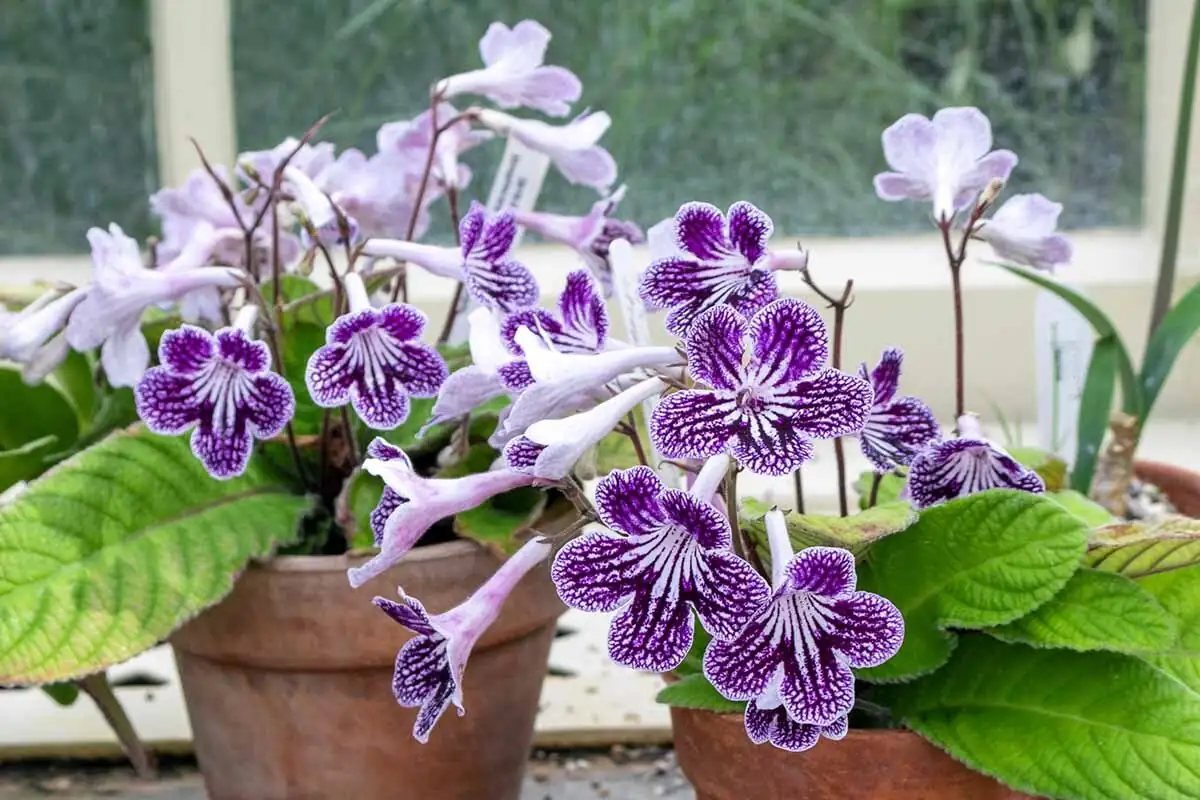
A slim stem lifts a velvet trumpet above a neat rosette of green—one bloom, then another, then another still. If any plant feels born for the parlor and the poetry of everyday life, it’s Streptocarpus, the Cape primrose. Its flowers seem to arrive in chapter after chapter, making it a natural muse for modern floriography: the idea that flowers carry meaning, mood, and message.
Meet Streptocarpus, the parlor prodigy
- Botanical identity: Streptocarpus (Cape primrose), family Gesneriaceae; native to Southern Africa—especially shaded, rocky habitats and forest margins.
- Habit and look: Compact, rosette-forming clumps with softly wrinkled, lance-shaped leaves. Slim stalks carry velvety, trumpet- to funnel-shaped flowers.
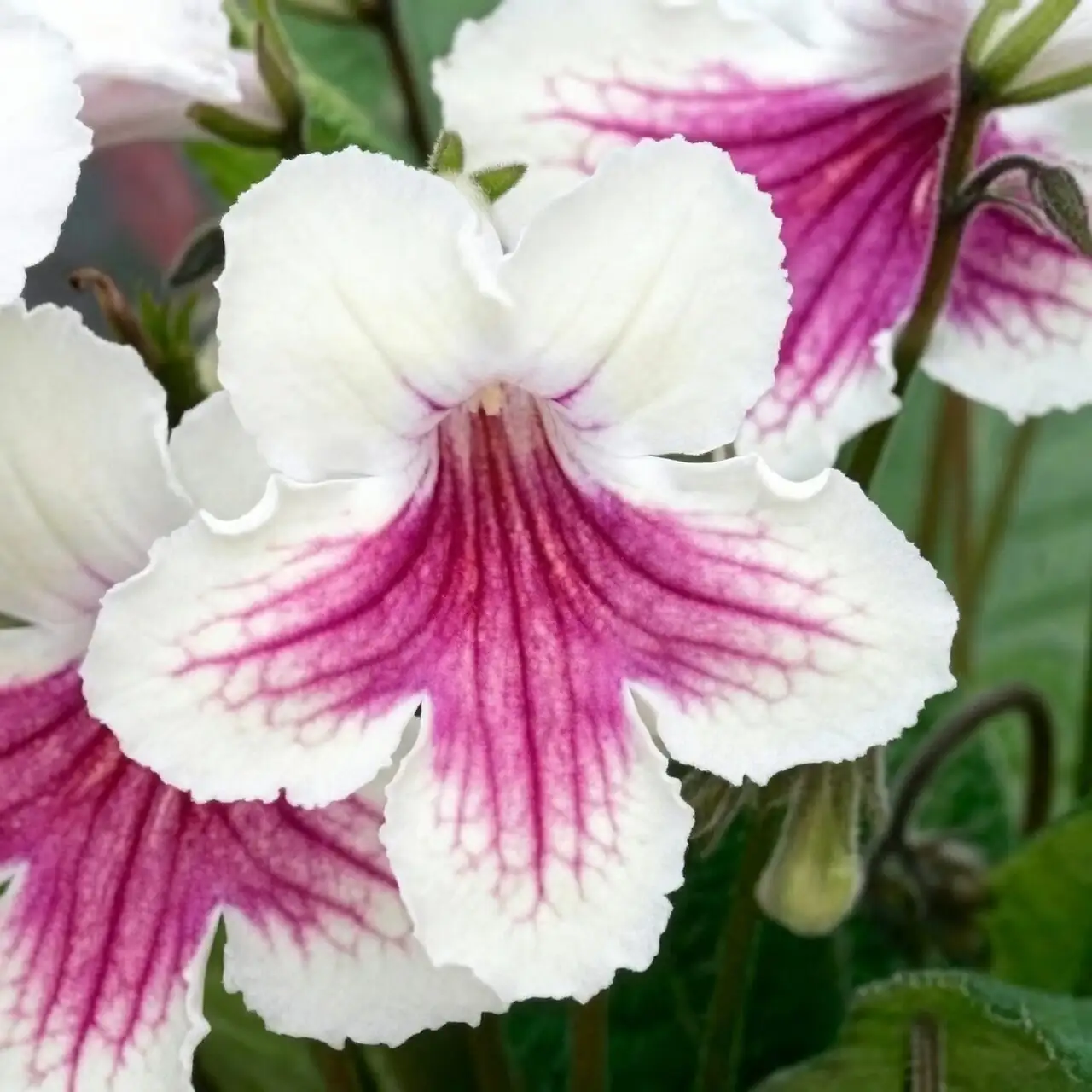
- Palettes and patterns: White, pink, red, blue, purple; many cultivars boast bicolors and intricately patterned throats.
- Blooming rhythm: Generous from spring through autumn; with bright winter light, some modern hybrids flower even in the colder months—an almost storybook run of color on a windowsill.

That long, faithful performance is exactly why Streptocarpus has gathered a quiet but compelling flower language in recent decades.
How flower language bloomed—and where Streptocarpus fits
From Ottoman “selam” to Victorian parlors
The language of flowers (floriography) took shape from several cultural threads:
- Ottoman and Persian court culture popularized coded floral messages.
- By the 19th century, Europe and America were in the sway of parlor culture—salons, conservatories, glasshouses—and “flower dictionaries” flourished. Victorians sent bouquets as if they were billets-doux in petals.
A crucial note for modern readers: floriography was never a single, fixed code. Meanings varied by source, region, and fashion. Many houseplants beloved on windowsills, including Streptocarpus, were less frequently codified in those old lists than garden and cutting flowers. That gap has given rise to today’s fresh interpretations, rooted in how a plant actually behaves at home.
Why Streptocarpus gathered its meanings
Streptocarpus naturally lends itself to themes of endurance and grace:
- It blooms for months, often from spring to autumn, and sometimes right through winter in bright windows—making “lasting affection” and “steadfast companionship” feel obvious.
- It originates in sheltered, rocky places and forest margins, evoking “resilient beauty” and the strength to thrive in gentler light.
- It’s compact, generous, and unshowy in leaf but lavish in bloom—perfect for “quiet generosity.”
In other words, modern floriography reads Streptocarpus not as a relic of a dusty dictionary but as a living emblem of reliable, resilient affection.
What Streptocarpus signifies today
- Lasting affection: A months-long chorus of flowers on the same plant.
- Resilient beauty: Native to shaded, rocky habitats; flourishes indoors with modest care.
- Faithful companionship: A windowsill partner that rewards steady attention with repeat performances.
- Grace in restraint: Compact, composed foliage paired with exuberant bloom spikes.
Color can tilt the message:
- White: sincerity, new beginnings, and clarity.
- Pink/rose: warm affection, fondness, and comfort.
- Blue/purple: calm devotion, creative focus, and thoughtful support.
- Bicolors and patterned throats: harmony, playfulness, and the beauty of difference.
Cultural significance and the revival of parlor culture
- Parlor favorite, then and now: As indoor gardening swept the 19th century, “window plants” became social currency. Streptocarpus—with a tidy footprint and theatrical blooms—fits this domestic stage perfectly.
- Southern African roots: Knowing its origin deepens appreciation for its shade-tolerant elegance and affinity for airy, well-drained conditions.
- The gesneriad community: Enthusiasts prize Streptocarpus for reliable flowering, compact habits, and delightful propagation by leaf cuttings—“friendship slips” that embody the plant’s ethos of generosity.
Feng shui placement ideas (that the plant will actually enjoy)
In feng shui, flowering plants invite vibrant, yang energy—best when the plant is healthy and actively blooming. Happily, sensible feng shui placements align with good horticulture for Streptocarpus.
Light it loves:
- Bright, indirect light to part shade. An east window (soft morning sun) is ideal.
- A lightly shaded south/west window can also work; protect from harsh summer rays.
- In winter, move it to a brighter spot with a little more direct sun to sustain blooms.
Bagua-friendly spots:
- East (Family/Health): A classic home for lush foliage and gentle morning light—great for cultivating steadiness and well-being.
- Southeast (Wealth): Flowering abundance supports growth symbolism here; choose a vigorous, blooming plant.
- South (Fame/Reputation): Red or magenta cultivars can emphasize recognition—just provide filtered light.
- Northeast (Knowledge): Blue or purple cultivars resonate with contemplation and study.
Feng shui do’s:
- Keep leaves dust-free and remove spent stems to maintain fresh, lively qi.
- Avoid hot, stagnant air; provide moderate airflow and humidity.
- Place on a stable surface at eye level on a sill or side table—where you’ll see and appreciate it daily.
Gifting etiquette across regions

North America and Europe
- Occasions: Anniversary, housewarming, “thinking of you,” congratulations, or a creative-studio gift—anything that calls for steady cheer, not just a one-week flourish.
- Presentation: A 10–15 cm (4–6 in) pot wrapped in paper with a simple ribbon feels parlor-perfect. Include a small card noting its long bloom season and meaning.
East Asia
- Colors and numbers: White often connotes mourning; opt for joyful pinks, purples, or bicolors for celebrations. In some contexts, avoid gifting sets of four; eight is considered lucky in many Chinese-speaking regions.
- Hospitals and visits: Cut flowers are often favored over potted plants for patient rooms; if gifting Streptocarpus, choose a homecoming moment instead.
- Feng shui-sensitive gifting: Offer a note suggesting an east-facing window for health and long, steady blooms.
Southern Africa
- A nod to origin: As a native, it makes a thoughtful, locally resonant gift—especially to plant lovers who appreciate regional flora and indoor flowering displays.
Workplace etiquette
- Compact footprint and months of color make it superb for desks or shared lounges with bright, indirect light.
- Pet-friendly note: Generally regarded as non-toxic to cats and dogs—reassuring for offices and homes alike. As with any plant, ingestion can still cause mild stomach upset in sensitive pets.
Keep the message alive: care cues that support its symbolism
Think of these as little habits that turn “lasting affection” from poetry into petals.
- Light: Bright, indirect light; east windows are ideal. In winter, move to a brighter sill for continued blooming.
- Watering: Water when the surface feels dry. Bottom-watering works well: stand the pot in water for ~20 minutes, then drain thoroughly. Let the mix become almost dry between winter waterings. Soggy soil is the surest route to crown/root rot.
- Soil: Free-draining houseplant mix with added perlite for airy roots.
- Temperature: 12–24°C (54–75°F). Protect from frost and oppressive heat.
- Humidity and airflow: Moderate household humidity is fine. Avoid hot, stagnant air.
- Feeding: Monthly in spring–autumn with a high-potassium fertilizer for flowering plants.
- Grooming: Snip spent stems; in spring, remove a few older leaves to tidy and improve airflow.
- Potting: Slightly snug roots encourage more flowers. Repot in spring, one size up if needed; many thrive long-term in 10–15 cm (4–6 in) pots.
- Propagation: Leaf cuttings (including sections) are delightful—and perfect for sharing the “friendship” theme.
- Pests: Watch for mealybugs, aphids, and spider mites; good hygiene and airflow help. Prevent rot by keeping water off the crown and ensuring excellent drainage.
- Safety: Generally non-toxic to cats and dogs.
Little delights and curios
- Many modern hybrids are bred for marathon bloom—almost year-round with strong indoor light.
- A single leaf can become several new plants. It’s hard to imagine a friendlier metaphor for generosity than a leaf that multiplies into gifts.
A sample note to tuck under the pot
“For the months ahead: a small promise of steadfast color. May these flowers open and reopen the way affection does—quietly, surely, and right on your windowsill.”
Streptocarpus is the flower of the long game: resilient, generous, and beautifully consistent. In the living language of flowers, that’s a message worth sending—and keeping.