
Imagine a leafless garden in late winter, everything drab and dozing—then one small tree wakes early, tossing bright yellow confetti across every bare twig. That brave spark is Cornus officinalis Siebold & Zucc., widely known as Japanese Cornel, and it carries a flower language that feels tailor-made for the season: endurance, health, and prosperity. Those meanings aren’t marketing fluff; they grew directly from when and how this plant blooms, the red promise of its fruits, and centuries of cultural practice across East Asia.
Meet the plant behind the poetry
Japanese Cornel (Cornus officinalis) is a deciduous, multi-stemmed large shrub or small tree in the dogwood family (Cornaceae).
- Native range and journey: Originally from north-central and southeastern China; later introduced to Japan and Korea—hence the “Japanese” common name.
- Year-round show:
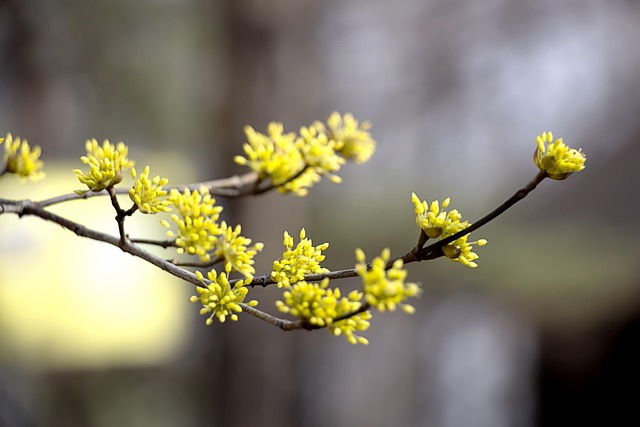
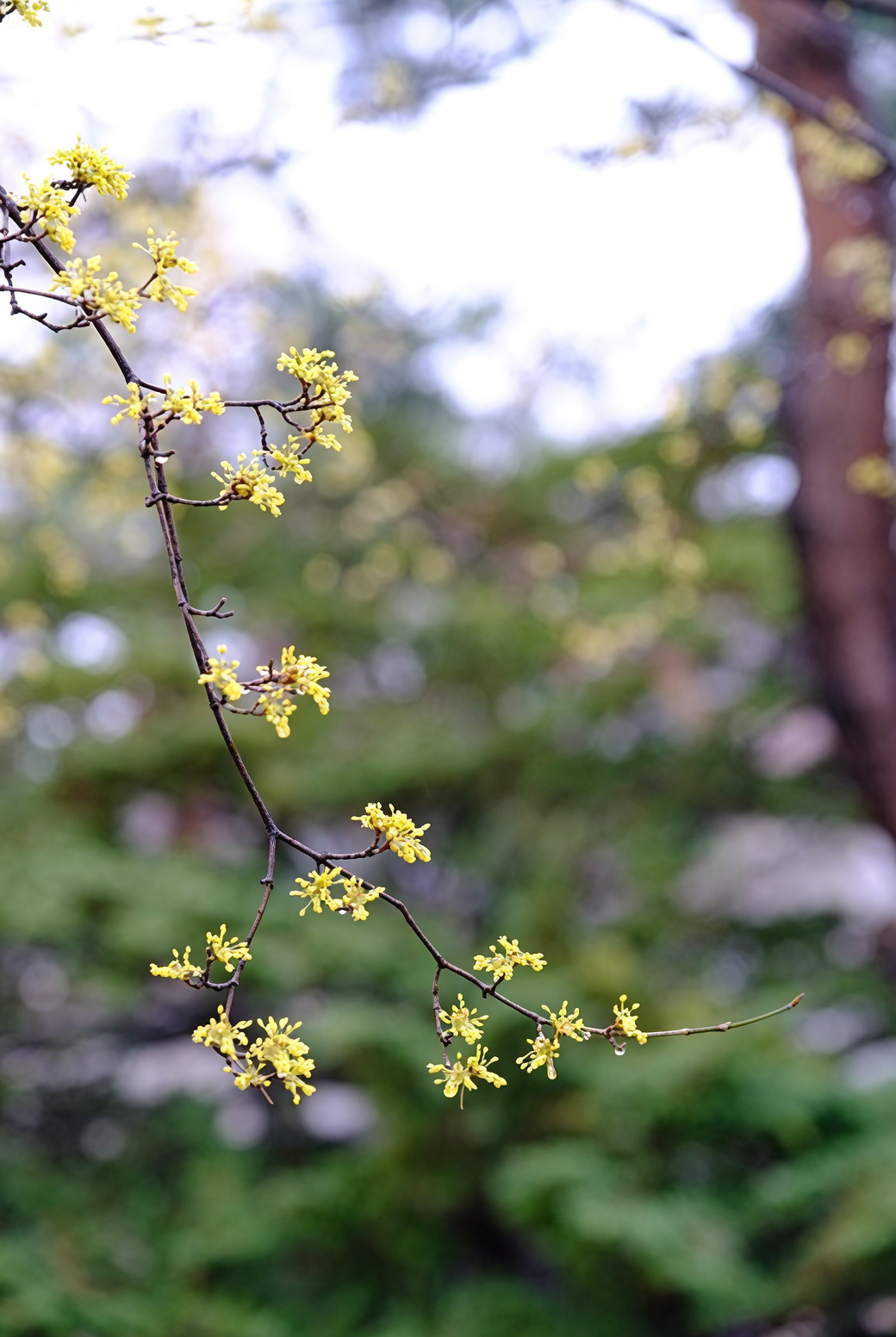
- Late winter to early spring (February–April): tight clusters of tiny, bright yellow flowers open on bare branches, creating a “gold mist” long before other shrubs stir.
- Summer: a neat canopy of dark green, oval leaves with distinctly etched veins.
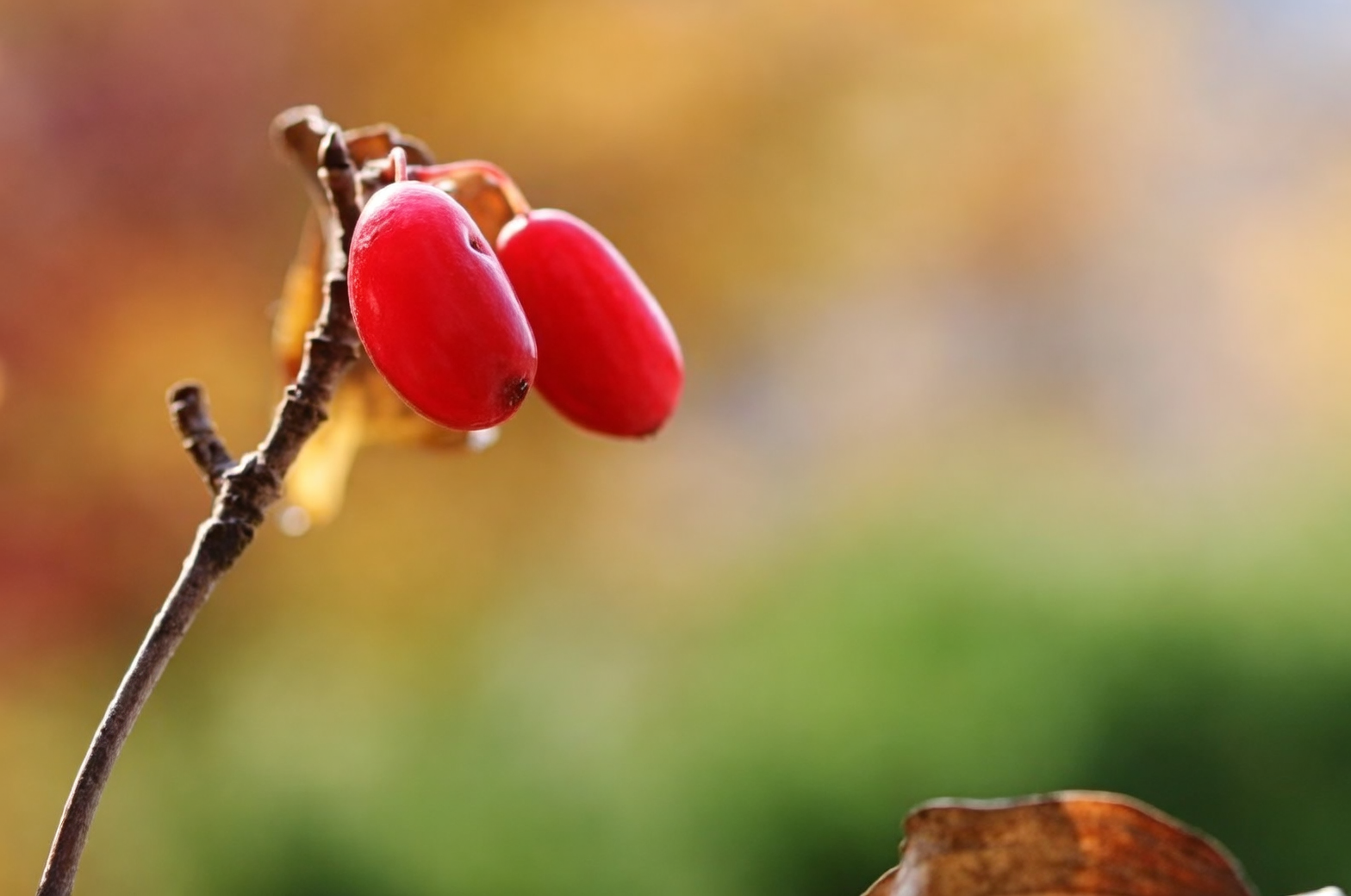
- Fall: rich foliage color—yellows to reds, purples, oranges—paired with glossy, olive-shaped red fruits.
- Winter: handsome gray-brown bark exfoliates in mottled patches for off-season texture.
- Garden form: Typically 15–26 ft tall and 10–15 ft wide, often grown as a multi-stem specimen.
- Where it thrives: Full sun to light shade, fertile well-drained loam, steady moisture; hardy in USDA Zones 5–8.
It’s also famed in East Asia for its tart red fruits (shān zhū yú, 山茱萸), long used in traditional preparations—a clue tucked into the species epithet “officinalis,” an old word signifying apothecary-worthy plants.
How a winter spark became a language of endurance, health, and prosperity
Endurance: the defier of cold
Flower language begins with the eye. When snow may still dust the ground, Cornus officinalis throws its first party, holding bloom for up to about a month before any leaf arrives. Its buds set best after a cool winter, and the flowers open in tight, sun-bright clusters that read as resilience made visible. To gift or plant this dogwood is to say: “May you thrive early and withstand the chill.”
What it whispers:
- Perseverance through lean seasons
- Quiet strength and hopeful beginnings
- A reminder that beauty can arrive before conditions seem perfect
Health: medicine, protection, and caring for elders
The fruit of Cornus officinalis has been valued in Chinese herbal traditions for well over two millennia, commonly associated with supporting liver and kidney function in historical practice. That medicinal pedigree folds naturally into the notion of “health” in modern flower language.
Layered onto that is the Double Ninth (Chongyang) Festival, celebrated on the ninth day of the ninth lunar month. For centuries, people have:
- Worn zhuyu (茱萸)—Cornus officinalis—as a protective, cleansing charm
- Climbed high places, sipped chrysanthemum wine, and visited ancestors
- Honored elders; today it’s widely observed as a day of respect and care for seniors
In Chinese, nine (jiu) is a homophone for “long-lasting,” so “double nine” resonates with longevity. Tie the festival’s themes to a plant once pinned to the lapel for protection and you get a powerful message: vitality safeguarded, health sustained, years extended.
What it whispers:
- Well-being and protection
- Respect for age and experience
- Blessings for a long, healthy life
Prosperity: red fruit, abundant clusters
Color carries culture. The lustrous red fruits that follow bloom are auspicious in many East Asian traditions—red is the color of luck, success, and celebration. Add the plant’s sheer abundance—dozens of flowers per bud, branches loaded with fruit—and prosperity slips naturally into its symbolic portfolio.

What it whispers:
- Good fortune and fruitful outcomes
- Household abundance and steady gains
- Celebration worthy of red
Zhuyu and the Double Ninth: a closer look at custom and meaning
- Positive yang energy: The ninth day of the ninth month “doubles” yang; it’s considered an auspicious, uplifting day.
- Traditions: Wearing zhuyu (Cornus officinalis), hiking to high places, appreciating chrysanthemums, drinking chrysanthemum wine, enjoying Chongyang cakes, and paying respects to ancestors.
- Modern resonance: The festival is also a day emphasizing care for the elderly—aligning perfectly with Cornus officinalis as a symbol of health and longevity.
In short, the plant’s cultural life seeded its modern flower language: protective zhuyu for well-being, seasonal timing for endurance, and red fruit for prosperity.
How to “say it” with Cornus officinalis: gifting notes
When you give Japanese Cornel, you’re not just offering a plant—you’re delivering a story.
- To elders or mentors: A living emblem of long life, respect, and continued vitality—especially meaningful around the Double Ninth Festival.
- For recovery and renewal: Those early yellow sparks feel like hope after winter; perfect for someone beginning again.
- Housewarming or business opening: Red fruits and abundant bloom carry wishes for prosperity and steady growth.
- For couples or close friends: A quiet but steadfast promise—enduring support through seasons.
Presentation ideas:
- A young, well-budded container plant gifted in late winter says “Watch for the early light.”
- For autumn gifting, include a note on zhuyu and the Double Ninth tradition—why this plant has protected and blessed households for centuries.
Suggested sentiments:
- “May your strength flower early and carry you far.”
- “For health safeguarded and years made long.”
- “Red fruits, red fortunes—may your home be full of good luck.”
Where to plant for symbolism and spectacle
Placement can amplify the message.

- By an entry or front path: A golden welcome in late winter; red fruits at eye level read as prosperity greeting guests.
- Near windows, benches, or paths: Enjoy the close-up texture of exfoliating bark in winter and clouds of yellow in spring.
- Woodland edge or mixed border: Pair with spring bulbs below and late-summer perennials beyond for a rolling, four-season display.
- Hedges and screens: Multi-stem habit creates a naturalistic boundary that still glows in the shoulder seasons.
Design pairings:
- Spring: Hellebores, early narcissus, and evergreen groundcovers to frame the gold bloom.
- Summer: Ferns and hostas to echo the cool, veined leaves.
- Fall: Chrysanthemums to riff on Double Ninth traditions as foliage flares and fruit reddens.
Quick grower’s guide
- Light: Full sun to partial shade; full sun boosts flowers and fruit, light afternoon shade helps in hotter regions.
- Soil: Fertile, well-drained loam or sandy loam; slightly acidic to neutral (roughly pH 6.5–7.5). Avoid waterlogging.
- Water: Keep evenly moist while establishing. Afterwards, water deeply when the top ~1 inch of soil is dry.
- Temperature: Performs best around 60–75°F; hardy and cold-tolerant once established, with brief dips near 0°F manageable.
- Hardiness: USDA Zones 5–8.
- Feeding: Light, balanced fertilizer in the growing season; don’t overdo it.
- Pruning: Right after flowering—remove dead, crossing, or rubbing wood, then shape lightly.
- Propagation: Seed (with dormancy that often needs stratification), softwood/semi-ripe cuttings, layering, or grafting.
Wildlife note: Birds appreciate the fruit, and the branching offers shelter—prosperity for your local ecosystem, too.
A brief word on look-alikes
Cornus officinalis and its close cousin Cornus mas (Cornelian cherry) can appear similar at a glance. Japanese Cornel often flowers a bit earlier, ripens fruit later, and, on mature plants, shows more conspicuously exfoliating bark. If you’re buying for symbolic reasons tied to zhuyu and Double Ninth, confirm the plant is Cornus officinalis.
The takeaway
Cornus officinalis wears its flower language on every branch: endurance in winter-bright bloom, health in a long medicinal legacy and protective custom, prosperity in fruit that blushes a lucky red. Planted by a doorway, shared with an elder, or given to anyone weathering a cold season of life, it says—beautifully and succinctly—may you endure, heal, and flourish.