

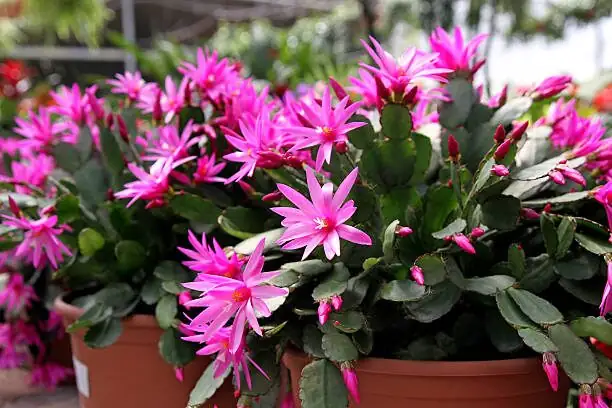
It arrives right on cue—just as winter lets go, Hatiora gaertneri unfurls a constellation of star-shaped blooms that seem to announce, “Light is back.” Known widely as the Easter Cactus, this rainforest epiphyte from Brazil has become a quiet icon of spring homes and holiday tables, inspiring a modern flower language centered on renewal, hope, and the joy of promises kept.
The bloom that keeps time with Easter
- Season of wonder: In the Northern Hemisphere, Easter Cactus typically bursts into color from March to May—often right around Easter and sometimes into Whitsun (Pentecost). This reliable timing is why it picked up names like “Spring Cactus,” “Holiday Cactus,” and “Whitsun Cactus.”
- A fitting emblem: Flowers open by day and close by night, a gentle daily rhythm that mirrors the season’s lengthening light. In many households, its display feels like a small sunrise repeated for weeks—perfect for traditions that celebrate renewal and new beginnings.
From Brazil’s forest canopies to your windowsill
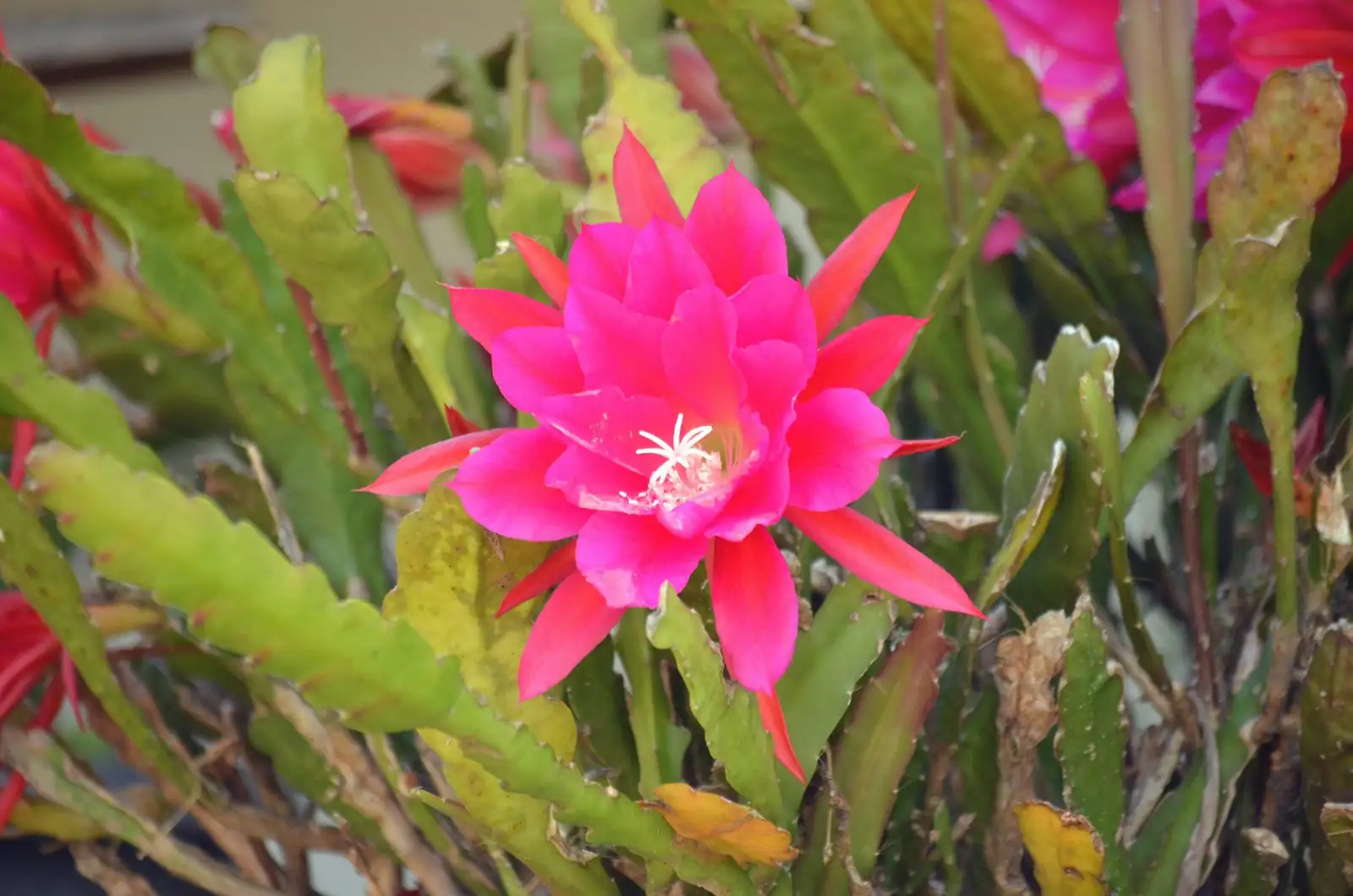
Despite the “cactus” label, Hatiora gaertneri is no desert drifter. Native to the coastal mountains of southeastern Brazil, it grows as an epiphyte on trees or rocks in tropical and subtropical rainforests. Those neat, flat, scalloped “leaves” are actually stem segments; from their tips, a profusion of symmetrical, starry flowers in red, pink, orange, purple, or white spills into spring.
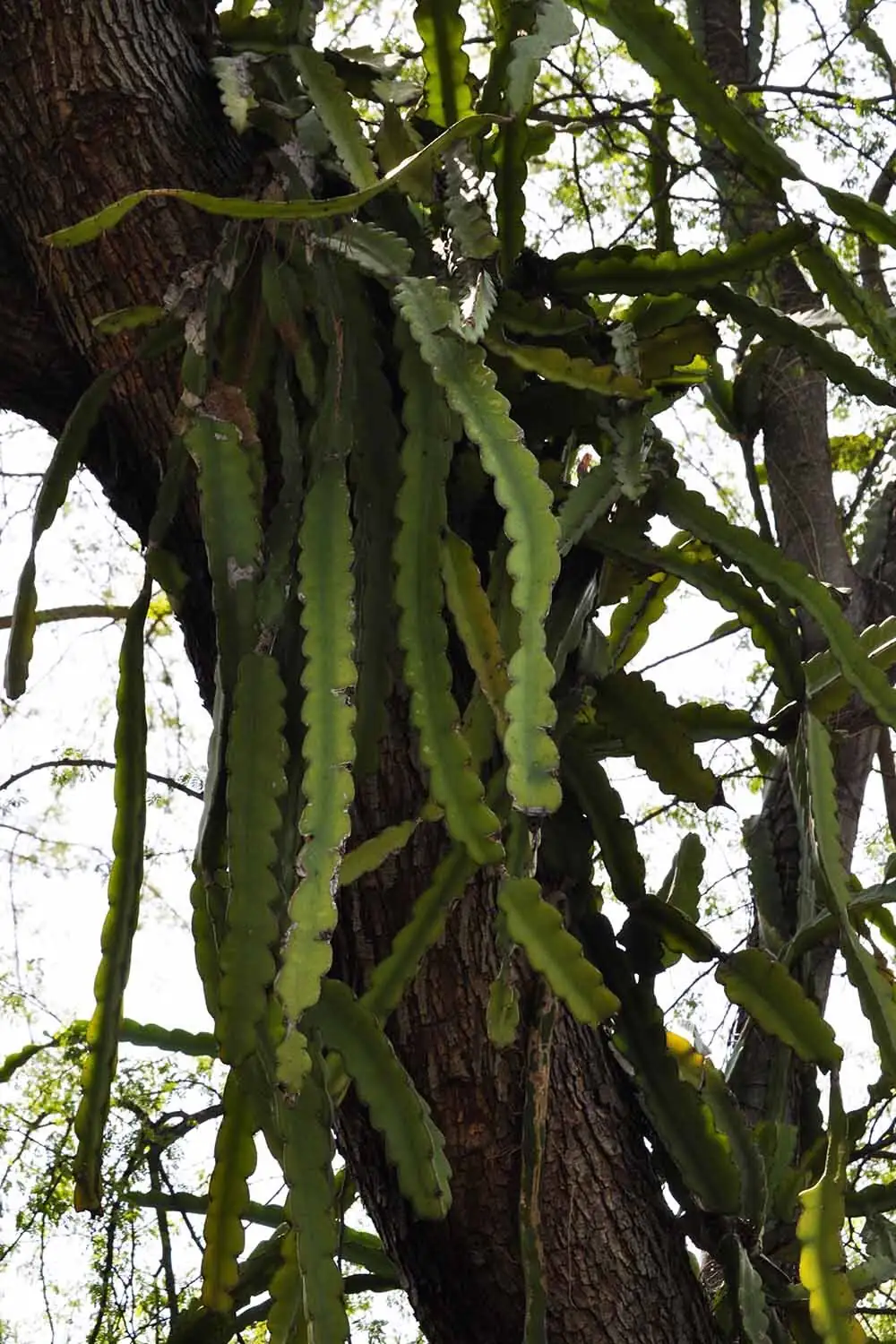
This rainforest lineage adds a deeper layer to its symbolism:
- Resilience without harshness: It thrives not by hoarding water in a wasteland but by partnering with tree canopies and leaf litter—an image of interdependence and quiet strength.
- Gentle preparation: Cool nights and long, uninterrupted darkness help initiate buds. That seasonal “rest” before abundance reads like a household parable of patience before celebration.
How the modern flower language took root
Flower language has many streams—Victorian floriography, Japanese hanakotoba, and contemporary gifting culture among them. In hanakotoba, context matters as much as the bloom itself: timing, color, and stage all shape the message. The Easter Cactus’s modern meanings crystallized less from ancient lore than from lived experience: year after year, it times its show to Easter and spring. Over time, homes, florists, and plant lovers began reading its punctual appearance as a promise fulfilled and a sign of brighter days.
In short, its “hanakotoba‑style” message today is anchored in:
- Seasonal truth: Honest spring timing (not winter) sets it apart from its famous cousins, the Christmas and Thanksgiving cacti.
- Form and habit: Upright-yet-trailing stems crowned with balanced, star-shaped blooms evoke harmony and renewed direction.
- Household ritual: The pre-bloom routine of cooler nights and longer evenings of darkness becomes a contemplative practice—rest, then rejoice.
Hanakotoba‑style meanings for Easter Cactus today
- Renewal and hope: The classic spring message—light returning, plans rekindled.
- A promise kept: Buds arrive after weeks of cool, long nights; a lived lesson that patience bears fruit.
- Homecoming: Its annual return to bloom becomes a family calendar event—“spring is truly here.”
- Gentle resilience: A rainforest cactus that prefers humidity over hardship—strength with softness.
- Shared joy: A mature plant can carry dozens of flowers at once; “joy multiplies when shared.”
Meanings by color
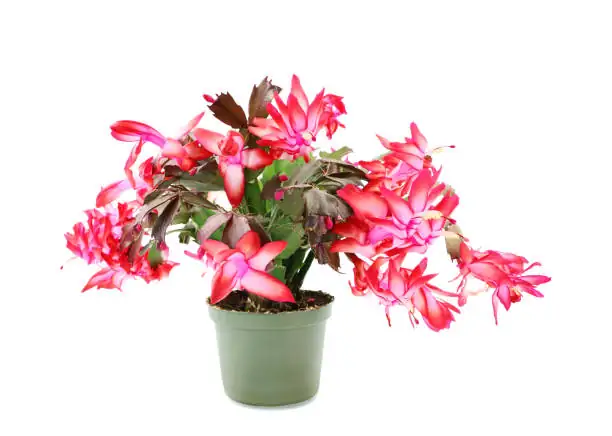
- Red: Vitality and heartfelt courage—great for cheering someone into a new chapter.
- Pink: Affection, tenderness, and gratitude—perfect for family gifting.
- Orange: Lively optimism—“may your days brighten.”
- Purple: Reflective celebration—ideal for spiritual milestones.
- White: Hope and clarity—fresh starts, peace, and blessings.
Gifting and the rituals that make it meaningful
An Easter Cactus is more than a seasonal present; it’s a tradition-in-a-pot.
Occasions
- Easter gathering or spring brunch: A centerpiece that quite literally “wakes up” with the room.
- Baptisms, confirmations, and springtime rites: White or soft pink cultivars underline blessing and hope.
- Housewarming: As an epiphyte that thrives in good company, it symbolizes a supportive, welcoming home.
- Recovery and new beginnings: The bloom after rest makes an encouraging get‑well or “new job” gift.
- Family continuity: Pass a rooted cutting to mark graduations, moves, or anniversaries—“our spring light continues with you.”
How to present it
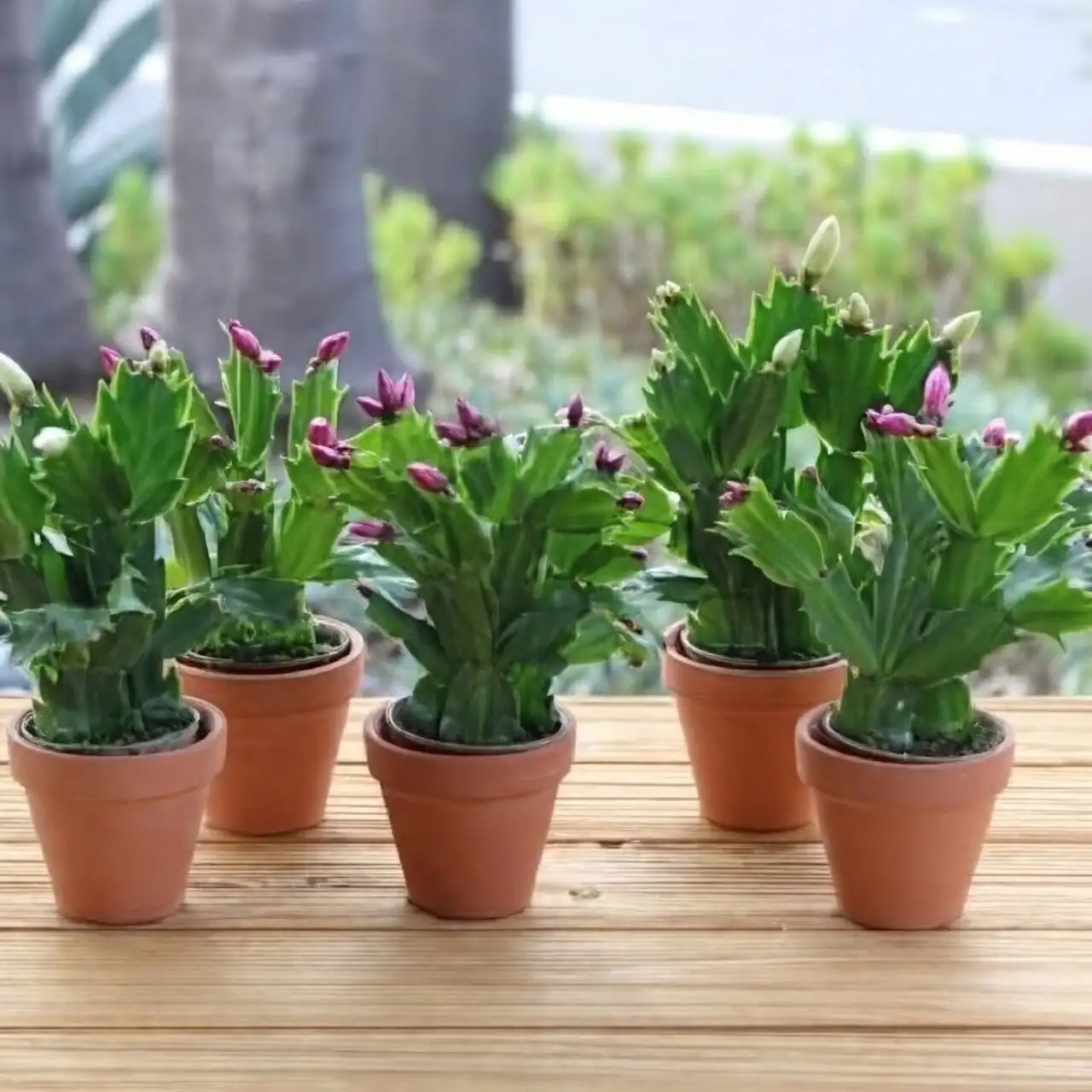
- Choose tight buds with a few open flowers for a longer show.
- Include a handwritten note with its message: “A promise kept,” “Welcome back, light,” or “Joy returns.”
- Pair with a simple ceramic or terracotta pot—grounding the airy, rainforest habit in warm, earthy calm.
Gifting etiquette tips
- Bud drop can happen if a plant is jostled between store and home. Deliver gently, keep it warm, and avoid drastic light or temperature swings on the first days.
- It’s generally considered non‑toxic to humans, cats, and dogs—reassuring for families and pet owners.
Home rituals: tending the meaning
- The seasonal “fast before the feast”: About 6–8 weeks before you’d love blooms, offer cooler nights around 10–13°C (50–55°F), roughly 12 hours of uninterrupted darkness, and lighter watering. Then, as buds swell, brighten the light and keep the mix evenly moist. The practice mirrors spring itself—rest, then renewal.
- A place by the light: Bright, filtered light or partial shade; morning sun is fine if softened. Think “forest canopy glow,” not desert glare.
- Hospitality in the air: Aim for ~50% humidity or more—pebble trays, occasional misting, or a nearby humidifier help.
- After-the-show grace: Give a modest 2–3 week rest with lighter watering once flowering finishes, then resume feeding lightly through the growing season.
A living heirloom
Holiday cacti are famously shareable—twist off a few segments, let the cut end callus for a day or two, and root in an airy mix. That ease of propagation has turned Easter Cactus into a pass‑along legacy. Over years, a plant becomes a family chronicle: each spring flush recalling dinners, toasts, and the people who first shared a cutting. In this way, “renewal” isn’t just symbolic—it’s propagated, year after year.
Symbolic FAQs (and practical clarity)
How is Easter Cactus different from Christmas Cactus?
- Easter Cactus (Hatiora gaertneri): smoother, scalloped segment edges; star‑shaped flowers; blooms in spring.
- Christmas/Thanksgiving cacti: segments with more pointed “teeth”; more tubular, asymmetrical flowers; bloom late fall to winter.
Symbolically, choosing the right plant keeps your message in season: spring renewal (Easter Cactus) versus winter light-in-the-dark (Christmas/Thanksgiving cacti).
Why didn’t my gift bloom this year?
The message needs its ritual. Too little light, warm winter nights, or no long, uninterrupted darkness can stall buds. Offer 6–8 weeks of cool nights around 10–13°C (50–55°F), roughly 12 hours of darkness, and slightly reduced watering—then watch the promise return.
Is it a good choice for homes with pets or kids?
Yes—this plant is generally considered non‑toxic to humans, cats, and dogs. As with any houseplant, nibbling can cause mild tummy upset, so place it with a little care.
Care snapshot for gift‑givers
- Light: Bright, indirect; avoid harsh midday sun.
- Water: Thorough soak, then drain; keep lightly moist in bloom; never waterlog.
- Airy mix: Cactus/succulent soil cut with perlite and orchid bark; slightly acidic (pH ~6.0–6.5).
- Temperature: 15–24°C (60–75°F) for growth; protect from cold; not frost tolerant.
- Feeding: Light, balanced feed during active growth; pause in fall/winter rest.
- Longevity: With steady care, it can thrive for a decade or more—blooming more generously as it matures.
A star that returns
Botanists have shuffled its scientific name over the years—Hatiora gaertneri, once listed as Rhipsalidopsis gaertneri and Schlumbergera gaertneri—yet the plant’s message has stayed clear. Each spring, it brings a bright, reliable chorus of flowers that feels like a home-sized festival of renewal. Give it, tend it, share it—and let that small constellation of blooms mark the turning of your year, again and again.