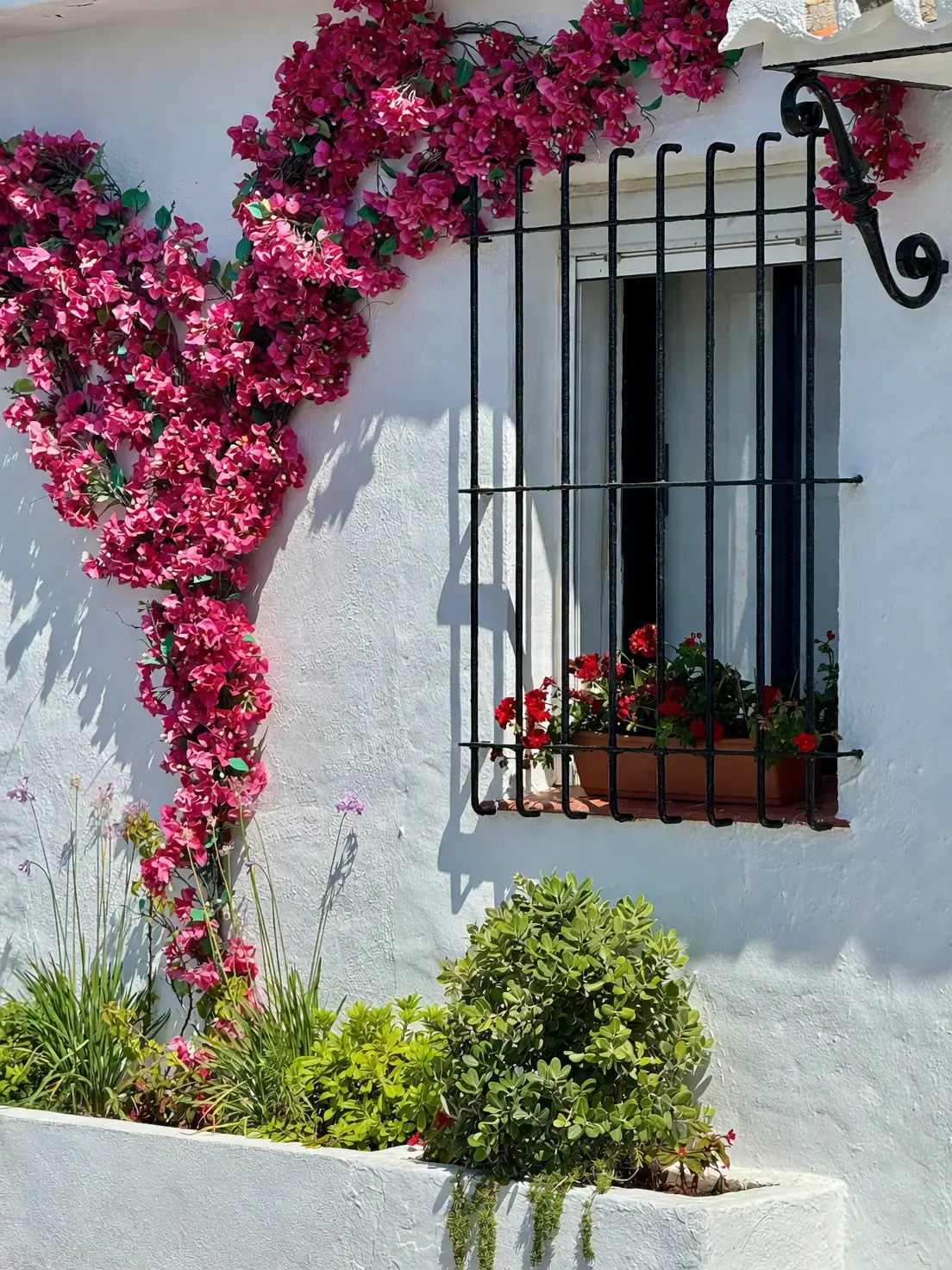
Walk past a window box overflowing with scarlet, salmon, or cotton-candy pink “geraniums,” and you’re looking at Pelargonium × hortorum—the classic zonal geranium. These are bloom factories when you feed them smartly. The secret isn’t “more fertilizer,” it’s timing and balance: build the plant with a gentle, balanced feed, then flip the switch to a bloom-leaning, high-potassium formula right as buds form. Do that on repeat, and you’ll stage a season of nonstop color.
Meet your bloom partner: Pelargonium × hortorum (Zonal Geranium)
- Origin: Southern Africa hybrids
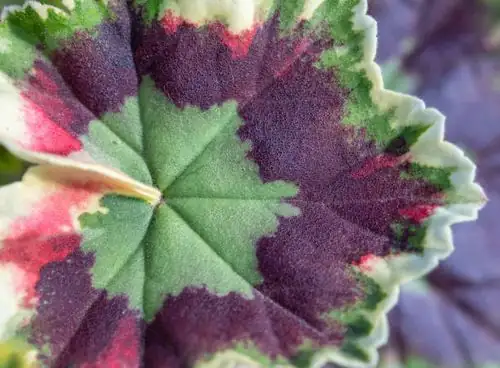
- Habit: Compact, bushy plants with rounded, often “zoned” leaves and showy flower clusters
- Light: Strong light to full sun (4–6+ hours)
- Temperature sweet spot: 10–25°C (50–77°F); bud initiation is particularly strong around 16°C (61°F)
- Bloom window: Spring through autumn outdoors; nearly year-round indoors in very bright light
- Nonnegotiable: Free-draining potting mix and good airflow
The plant’s rhythm—and why timing your feed matters
Zonal geraniums set buds best in bright light with cool-to-mild temperatures. You’ll see their strongest natural flushes in spring and fall. In midsummer heat, many plants coast, especially if kept wet; in cool shoulder seasons, they gear up again. Sync your fertilizer with those cycles:
- Build vegetative strength early in the season (balanced feed).
- Shift to high-potassium as soon as you see tight, domed bud clusters at stem tips.
- Ease off in extreme heat or deep winter when growth slows.
Think of it as a two-speed gearbox: growth mode, then bloom mode—shift at the first sight of buds.
Balanced to bloom-leaning: the clean, simple game plan
Here’s a practical, repeatable feeding approach for containers (in-ground plants generally need less frequent feeding).
Stage 1: Wake-up and canopy-building (early spring or post-repot)
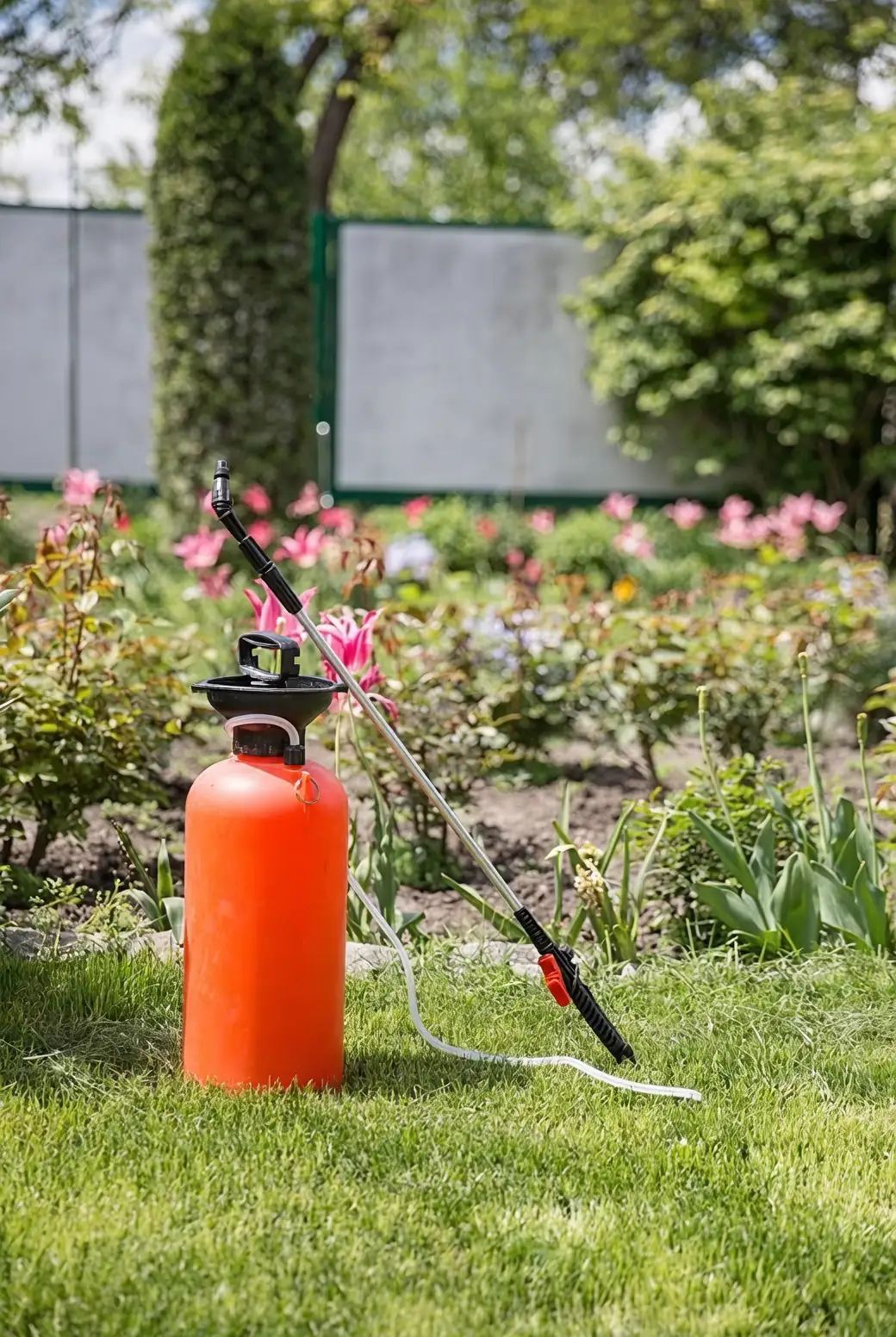
- What to use: A balanced liquid fertilizer (1:1:1 ratio, e.g., 10-10-10 or 14-14-14).
- How strong/how often: Half-strength every 2 weeks.
- Why: You’re fueling branching and root growth—enough nitrogen to green up, but not so much that you trade flowers for salad leaves.
Stage 2: Buds on deck (the moment tip clusters appear)
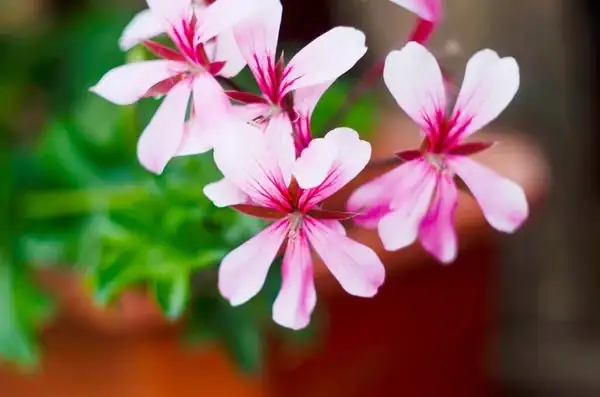
- What to use: A bloom-leaning, high-potassium fertilizer—think “tomato feed” or formulations where K outruns N (e.g., 12-12-24 or 15-15-30).
- How strong/how often: Half-strength every 1–2 weeks while blooming actively.
- Why: Potassium is your bloom throttle—supporting flower production, sturdy stems, color intensity, and resilience.
Stage 3: Peak color maintenance (during active flowering)
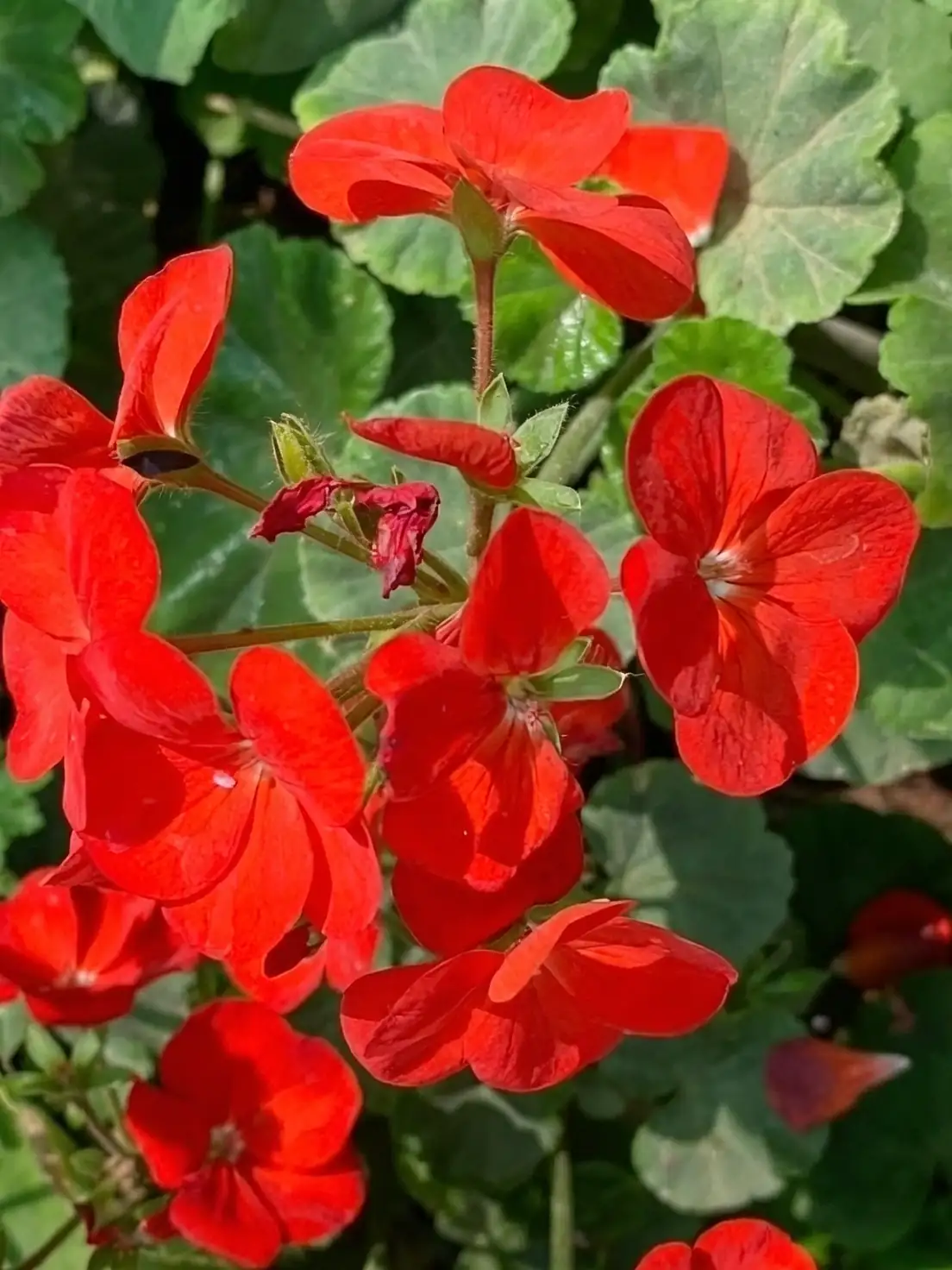
- Keep the high-K rhythm.
- Deadhead entire spent flower stalks promptly; follow with your next feed to cue the next wave.
- In hot spells above ~25°C (77°F), reduce frequency a notch; plants often idle in heat, so don’t push.
Stage 4: Fall flourish and winter pause
- Fall: Often a prime bloom season—stay on high-K as long as plants are actively flowering.
- Winter: Indoors above 5°C (41°F) with max light; water sparingly and pause or greatly reduce feeding until days lengthen and growth resumes.
What counts as “high-potassium”?
- Labels to look for: Tomato fertilizers; N:K ratios around 1:2 (or higher) such as 9-9-27, 12-12-24, or 15-15-30.
- Tip: If your favorite brand lists only “bloom booster,” check the numbers. You want potassium leading the band. Keep nitrogen modest.
Avoiding the nitrogen trap (lush leaves, fewer blooms)
Too much nitrogen is the quickest way to trade flowers for foliage.
- Telltale signs:
- Big, soft, very dark green leaves
- Fewer or delayed flower stalks
- Weak, sappy growth that’s pest-prone
- Quick fixes:
- Switch immediately to high-K feed at half strength.
- Space feedings to every 2–3 weeks until you see balanced growth and bud set.
- Flush the pot thoroughly once to reduce fertilizer salts.
- Max out light and keep nights on the cool side if you can.
Syncing fertilizer to each bloom cycle
- Spot the cue: Tight, green domes at stem tips = bud initiation. That’s your “shift now” moment to high-K.
- After the show: Remove spent umbels at the stalk, then feed at the next watering to prime fresh spikes.
- Don’t fertilize into wilt: Water first, then feed when the mix is evenly moist to avoid root burn.
- Avoid midday feeding in hot weather: Early morning is safest.
Mix, water, and pH tips that make fertilizer work harder
- Potting mix: Use an airy, free-draining blend (all-purpose mix + coarse perlite/grit + a little composted bark). Drainage is non-negotiable.
- Watering rhythm: Thorough soak, then let the top 2–3 cm (about 1 in) dry before watering again. Saucers: empty them.
- Salt management: Once a month, leach the pot—run water through for 2–3 minutes to flush accumulated salts from regular feeding.
- pH preference: Neutral to mildly alkaline is fine. If your mix trends acidic over time, a light lime top-dress can help steady pH.
- Micronutrients matter: Choose a fertilizer that includes magnesium and iron for steady green foliage, especially indoors.
A simple seasonal calendar
- Spring
- Prune or pinch to encourage branching.
- Repot in March–April if needed.
- Start balanced feed at half strength every 2 weeks.
- Shift to high-K as soon as buds form.
- Summer
- Bright light, but shield from harsh midday scorch in extreme heat.
- Maintain high-K feed while flowering; adjust frequency if heat slows growth.
- Keep airflow high to prevent botrytis on blooms.
- Fall
- Enjoy a strong bloom run in many climates.
- Continue high-K while actively flowering; repot lightly in Sept–Oct after a flush if needed.
- Winter
- Indoors above 5°C (41°F), ideally 10–15°C (50–59°F) and very bright light.
- Water sparingly; pause or nearly pause feeding until growth resumes.
Troubleshooting nutrition at a glance
- Not enough nitrogen: Slow growth, older leaves pale or uniformly yellow. Solution: one or two half-strength balanced feeds, then return to high-K when buds reappear.
- Possible phosphorus shortfall: Leaves may look very dark green, with reddish-purple tints on some varieties. Solution: one balanced feed (with P) and ensure strong light and good root health.
- Low potassium: Weak stems, lower leaves deteriorating early, edges looking tired or scorched. Solution: step up to high-K feed for a few cycles.
- Too much fertilizer (salt stress): Leaf edges crisp, white crust on the soil. Solution: leach thoroughly with plain water, then resume half-strength feeding.
Pruning makes feeding more effective
- Pinch growing tips at 12–15 cm (5–6 in) to multiply flowering stems—more tips, more umbels.
- After a hard cutback (1/3–1/2) on leggy plants, wait a week to resume mild feeding so new shoots don’t scorch.
- Deadhead whole stalks quickly to keep the conveyor belt of color moving.
Light, air, and water: the quiet co-stars
Even perfect fertilizer can’t rescue a plant that’s dim and damp.
- Sun: Aim for at least 4–6 hours of direct sun; more sun, more blooms.
- Airflow: Keep the air moving; still, humid conditions invite gray mold and leaf spots.
- Water: Slightly dry between waterings. Overwatering stalls roots and drops buds.
Quick safety note
Pelargonium is generally low to mildly toxic. The sap can irritate sensitive skin, and chewing leaves may upset pets’ stomachs. Keep out of reach of nibblers and wash up if you’re prone to dermatitis.
The symbolism, briefly (and honestly)
Zonal geraniums have long stood for happiness, friendship, and good wishes—perhaps because they’re the quintessential “cheer-you-up” plant on a sunny sill. Flower-language traditions (mostly Victorian in origin) assigned meanings to blooms as a kind of social shorthand. Take them as cultural color, not botanical law: a red pelargonium might whisper “you’re on my mind,” pink leans warm and companionable, white reads as simple sincerity.
Your nonstop-color checklist
- Give them sun and air; keep the mix draining fast.
- Feed balanced at half strength every 2 weeks early in the season.
- The instant you see bud clusters, shift to a tomato-style, high-K feed (e.g., 12-12-24 or 15-15-30).
- Deadhead whole umbels, then keep the high-K rhythm through each bloom wave.
- In heat or winter, throttle back; in cool bright spells, lean in.
- Watch foliage for feedback—and adjust before problems stack up.
Do this, and Pelargonium × hortorum will repay you with round after round of color from spring’s first warm days to autumn’s last hurrah—and even longer indoors with great light.