


Are you a new plant parent eager to see your green friends flourish? Fertilizing can be the magic potion your plants need, but it’s easy to make mistakes that leave them struggling instead. Here’s a friendly guide to help you dodge those common fertilizing pitfalls and keep your garden—or indoor jungle—thriving.
1. Timing Is Everything
Applying fertilizer at the wrong time is a classic blunder, especially for newbies. Fertilizing too early or too late in the season can confuse your plants and push them to grow when they should be resting. For most plants, the active growing season, typically spring through early summer, is the right time to fertilize. Remember, less is more as winter approaches—plants need fewer nutrients when they’re not actively growing.

2. More Isn’t Always Better
It’s easy to think that more fertilizer equals more growth, but over-fertilizing can be disastrous. Too much fertilizer can burn your plants’ roots, leading to yellow leaves and spindly stems. Instead, follow the package instructions carefully, and when in doubt, use less. Slow-release fertilizers can also help prevent nutrient overload by distributing nutrients over time.
3. One Size Does Not Fit All
Not all plants have the same nutritional needs. While all plants require nitrogen, phosphorus, and potassium, the specific ratios can vary. For example, leafy vegetables like lettuce need more nitrogen, while flowering plants like tomatoes benefit from more phosphorus. Do a little research on your specific plants to tailor your fertilizing approach.
4. Listen to Your Plants
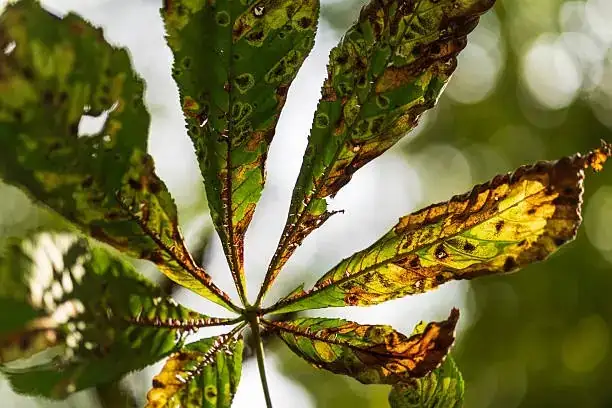
Your plants will often tell you when something’s wrong. Yellowing leaves, stunted growth, or a lack of flowers or fruits can be signs of nutrient deficiencies. Don’t ignore these signals! Adjust your fertilizing routine based on these symptoms, and consider conducting a soil test for a more accurate diagnosis.
5. The Soil Test: Your Best Friend
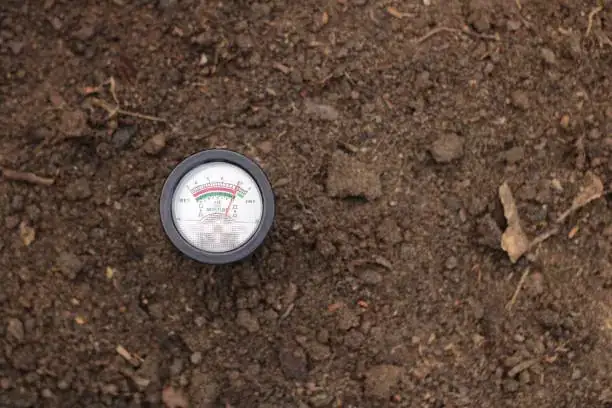
Testing your soil before you fertilize can prevent many common errors. A soil test will reveal which nutrients your soil lacks and which are in abundance, allowing you to choose the right fertilizer. Without this knowledge, you might end up adding unnecessary nutrients, leading to imbalances.
6. Proper Application Techniques
How you apply fertilizer matters as much as what you use. Avoid pouring fertilizer directly onto the leaves, as this can cause burning. Instead, apply it to the soil around the plant base. For liquid fertilizers, consider diluting them to half-strength, especially for young or delicate plants.
7. Mind the Type: Organic vs. Inorganic
Choosing between organic and inorganic fertilizers depends on your gardening goals and preferences. Organic options like compost and manure release nutrients slowly and improve soil health over time. In contrast, inorganic fertilizers provide a quick nutrient boost. Both have their place, but it’s crucial to understand how each impacts your plants.

By steering clear of these common fertilizing mistakes, you’ll be well on your way to cultivating a garden that’s not only beautiful but also healthy and productive. Happy gardening!


