

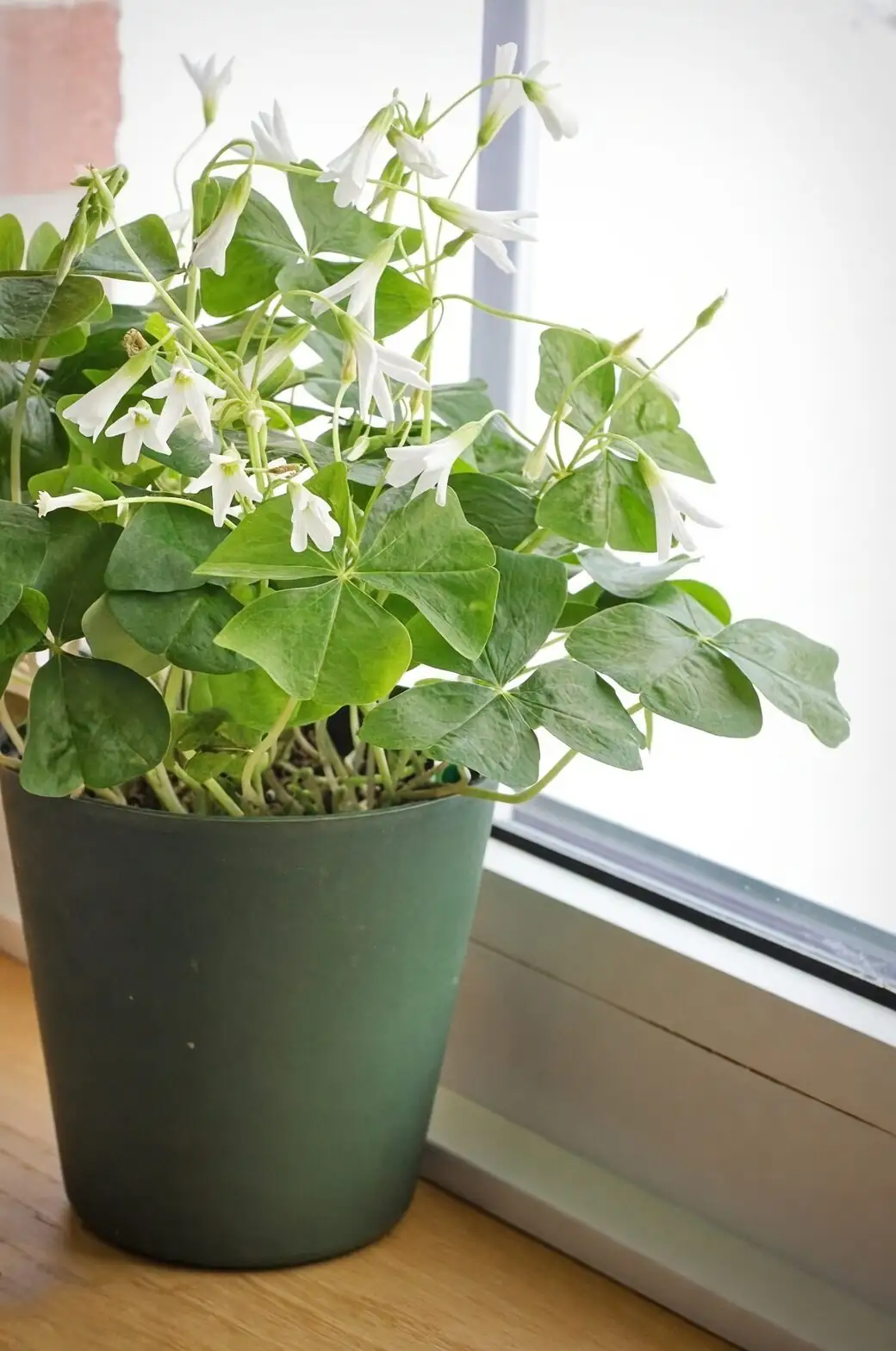
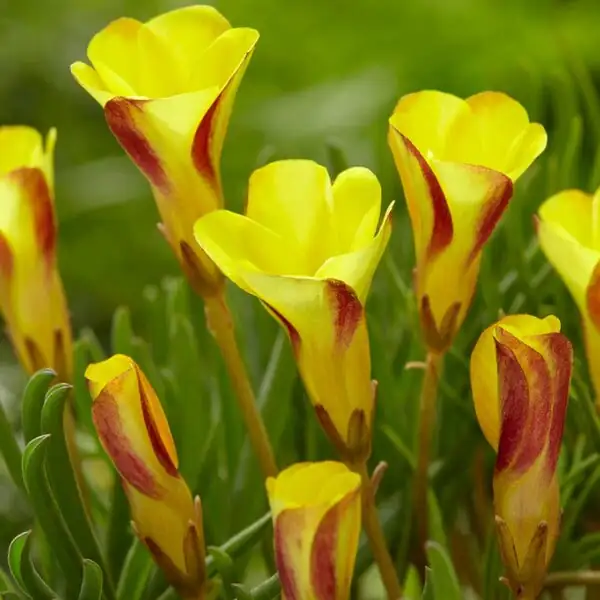
If you want a plant that throws confetti-yellow flowers right through the chilly season, Cape Shamrock (Oxalis pes-caprae) is your cheerful overachiever. Treat its bulbs right and you’ll get a nonstop parade of shamrocky leaves and buttercup blooms from autumn to spring—then a graceful summer nap to recharge. Here’s a beginner-friendly, month-by-month routine that nails light, watering, fertilizing, airflow, and dormancy timing for repeat performances every year.
Note on seasons:
- Northern Hemisphere readers: follow the months as written.
- Southern Hemisphere readers: shift by six months (e.g., March stands in for September).
The 10-minute setup that sets you up for months of flowers
- Pot and mix
- Pot: 15–20 cm (6–8 in) wide with drainage.
- Mix: free-draining and airy—peat-based potting mix amended with perlite and vermiculite (or similar).
- Planting depth and spacing
- Typical planting depth: 2–3 cm (0.8–1.2 in) below the surface.
- A small planting does well with about 1–3 bulbs per pot.
- Light and placement
- Full sun to very bright light. A sunny windowsill or bright balcony/patio is perfect.
- Indoors, keep it within about a foot of your brightest window; this plant does not tolerate low light.
- Temperature and airflow
- Best growth: 20–28°C (68–82°F). Protect potted plants from hard freezes; brief dips to about -5°C (23°F) are tolerable for established clumps, but don’t risk pots.
- Ensure gentle airflow; a lightly cracked window or a low-speed fan keeps foliage dry and disease at bay.
Month-by-month routine for endless blooms from autumn to spring
September: Wake-up call (or March in the Southern Hemisphere)
- Action
- Pot bulbs 2–3 cm deep in a free-draining mix; water once to settle.
- Set in the brightest spot you have with good ventilation.
- Care targets
- Watering: begin keeping the mix evenly moist, never soggy.
- Fertilizer: start a balanced feed every 2 weeks as soon as green growth appears.
- Why now
- Cool, bright conditions trigger strong leaf growth and priming for buds.
October: Leaf engine on
- Action
- Keep the light strong; rotate the pot weekly so leaves grow evenly.
- Care targets
- Watering: steady, even moisture; allow the top 1–2 cm to dry slightly between waterings.
- Fertilizer: balanced every 2 weeks.
- Airflow: gentle movement of air; avoid crowding with other plants.
- Bloom booster tip
- Bright light plus airflow equals bud formation. Too much shade = almost no flowers.
November: First flower flush

- Action
- Pinch or snip spent blooms to keep the show tidy.
- Care targets
- Watering: consistent; avoid waterlogged trays/saucers.
- Misting: only if air is extremely dry, and then lightly on leaves—never spray open flowers (petals can spot).
- Temperature: aim for 20–28°C; protect from hot, very dry indoor heat.
- Fertilizer
- Continue balanced feed every 2 weeks.
December: Cruise control for color
- Action
- Maintain bright light; south or west exposure is great in winter.
- Care targets
- Watering: evenly moist; avoid splashing flowers.
- Fertilizer: balanced, every 2 weeks.
- Airflow and hygiene: remove any yellowing leaves; good ventilation prevents gray mold (Botrytis).
January: Short days, big blooms
- Action
- Keep the plant close to the brightest window; rotate weekly.
- Care targets
- Watering: unchanged—steady and even.
- Temperature: shelter from freezes; bring containers in if cold snaps loom.
- Pest watch
- Hot, dry indoor air can invite spider mites. Raise local humidity slightly (again, not on flowers) and treat promptly with insecticidal soap or horticultural oil if needed.
February: Peak performance
- Action
- When you see new flower stems forming, give one feed that’s a bit higher in phosphorus and potassium to support bloom strength.
- Care targets
- Fertilizer: otherwise continue balanced feeding every 2 weeks.
- Airflow: don’t overcrowd—flowers appreciate space and movement.
March: Last call for flowers (or September in the Southern Hemisphere)
- Action
- Keep deadheading; note if the pot is getting crowded to plan post-season bulb division.
- Care targets
- Watering: consistent; never soggy.
- Fertilizer: continue biweekly this month, then begin easing off next month as the plant thinks about resting.
April: Gentle taper
- Action
- Expect fewer blooms; keep conditions bright and airy.
- Care targets
- Fertilizer: taper down; stop by the end of the month.
- Watering: still even, but let the top layer dry a tad more before watering as growth slows.
May: The graceful wind-down
- Action
- Leaves may yellow as the plant signals dormancy—this is normal.
- Care targets
- Watering: reduce gradually; keep the mix only slightly moist.
- Fertilizer: stopped.
- Maintenance
- Remove spent flowers and fading leaves to keep the pot clean and discourage disease.
June–August: Summer dormancy (or December–February in the Southern Hemisphere)

- Action
- Let the plant rest.
- Care targets
- Watering: minimal—keep the mix just slightly moist, never bone-dry for long and never wet.
- Light and temperature: bright shade with good airflow; avoid baking heat and hot, very dry conditions.
- Fertilizer: none.
- Optional projects
- Divide bulbs now if you like. Detach offsets and replant:
- Offsets: plant about 4–5 cm (1.6–2.0 in) deep.
- Bulb sections (each with at least one growth point): plant 2–3 cm (0.8–1.2 in) deep.
- Repot if needed; a 15–20 cm pot suits a small planting with about 1–3 bulbs.
Light, water, fertilizer, airflow: your quick-start cheat sheet

- Light
- Full sun to very bright light keeps flowers coming. Indoors, place within about a foot of a bright window. Outdoors, a sunny balcony/patio is ideal.
- Water
- Active growth: evenly moist, never soggy. Let the top 1–2 cm dry a bit between drinks.
- Dormancy: keep the potting mix just slightly moist.
- Pro tip: bottom-water or water the soil line; avoid wetting open flowers to prevent brown spots.
- Fertilizer
- Every 2 weeks in active growth with a balanced fertilizer.
- Give one bloom-supporting feed a bit higher in phosphorus and potassium when flower stems first appear.
- Stop feeding during dormancy.
- Airflow
- Bright light plus good ventilation equals dense clusters of clean, yellow flowers.
- Use a gentle fan or an open window; avoid cramped plant groupings that trap humidity around foliage.
Troubleshooting: what the plant is telling you
- Lots of leaves, few flowers
- Likely not enough light or poor airflow. Move to a brighter spot and increase air movement.
- Mushy stems or sour-smelling mix
- Overwatering or poorly drained soil. Repot into an airy mix and reduce watering.
- Brown-spotted petals
- Water droplets on open flowers. Water at the soil line and improve airflow.
- Fine webbing, stippled leaves in hot spells
- Spider mites. Raise local humidity slightly, rinse leaves gently, and treat with insecticidal soap/horticultural oil.
Buying quick guide
- Potted plants: choose rich green foliage that fills the pot, plenty of buds, and ideally a couple of open blooms. Avoid pests/disease.
- Bulbs: pick clean, firm, plump bulbs with visible eyes (growth points), no rot, about 3–4 cm (1.2–1.6 in) circumference or larger.
Safety and outdoor notes
- Toxicity
- Contains oxalates; mildly to moderately toxic if eaten—especially for pets (cats/dogs) and grazing animals. Keep out of reach.
- Invasiveness
- Oxalis pes-caprae spreads vigorously by bulbs and can be invasive in some regions. Enjoy it in containers, and check local guidance before planting in the ground.
A quick word on “flower language” and meaning
With its shamrock-like leaves and sunny, buttercup blossoms brightening the gloomiest months, Cape Shamrock is often linked with the idea of “good luck.” While it isn’t the true Irish shamrock, its trifoliate leaves echo that familiar silhouette. The deeper charm, though, is seasonal: a small plant that keeps smiling through autumn and winter, then rests—an emblem of cheerful resilience and the wisdom of good timing.
The year, at a glance
- Autumn–spring: full sun/very bright light, evenly moist soil, feed every 2 weeks, keep air moving, snip spent blooms.
- Flower-stem moment: one bloom-boosting feed a bit higher in P & K.
- Summer: rest—stop feeding, keep only slightly moist, bright shade, airy, avoid baking heat.
Follow this cadence and your Oxalis pes-caprae will paint your windowsill yellow from the first crisp days of autumn until spring truly arrives—then tuck itself in for a short summer nap, ready to do it all again.